

 Over 25,000 cars purchased nationwide

If you have an old, damaged, or non-running car in Massachusetts, you can start an offer request without repairing it first. Enter its year, make, model, and ZIP code in the form on this page. Be ready to explain the condition and ownership documents during follow-up. Review any proposed offer, pickup arrangements, and payment terms before deciding to sell.
How Selling a Junk Car in Massachusetts Works
- Start with the vehicle details. The form requests make, model, year, ZIP code, and contact information. It does not establish the car's final value or eligibility.
- Explain its condition and documents. Disclose whether it starts, significant damage, missing components, and any title or lien problems during follow-up.
- Review the proposed offer. Confirm the amount, possible conditions affecting it, and whether collection can be arranged at the vehicle's location.
- Agree on the transfer terms. Confirm the ownership documents, pickup charges, payment method, and timing before signing over or releasing the car.
What Affects a Junk-Car Offer in Massachusetts?
Offers depend on the individual vehicle, not simply its age or Massachusetts ZIP code. The state of its major components, demand for usable parts, and the practical requirements of collection may affect what a buyer can offer. Nationwide purchase examples are not estimates of what your car will receive.
| Factor | Why it matters |
|---|---|
| Year, make, model, and mileage | Identify the vehicle and its potential resale or parts demand. |
| Mechanical condition and damage | Affect which components might be usable and whether the car can move safely. |
| Missing components | An absent engine, catalytic converter, transmission, or wheels may affect both value and collection. |
| Title or lien status | Can delay or prevent a lawful transfer until documents are resolved. |
| Pickup location and access | Storage lots, low-clearance garages, and immobilized cars may need special arrangements. |
For more context, read what determines a car's junk value. Compare actual offer terms rather than assuming any published price applies to your vehicle.

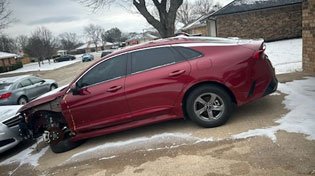
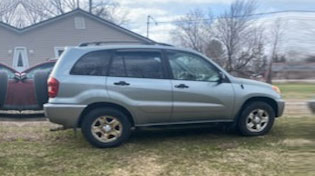
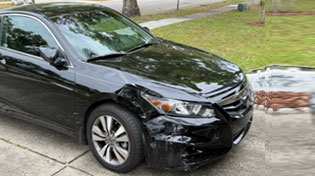
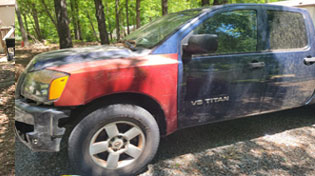
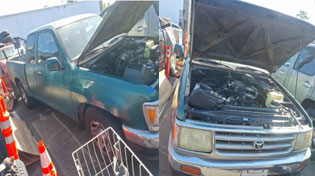


Junk, Damaged, and Non-Running Vehicles
An offer request can describe a car with engine or transmission failure, significant rust, accident damage, flood exposure, missing parts, or an insurance total-loss designation. Give an accurate account of the problems you know about even if the car still starts. Submitting a vehicle does not guarantee that it can be purchased or collected.
For repair-related decisions, see selling a broken car in Massachusetts. Use the existing condition links on this page for more detail about individual types of damage.

Massachusetts Title and Ownership Documents
Massachusetts generally requires a motor-vehicle title. The RMV's vehicle-title guidance identifies a narrow exception for passenger vehicles from model year 1980 or earlier purchased before November 26, 1990. A car's age by itself is not enough to establish title-exempt status.
| Vehicle situation | Documents or next step to verify |
|---|---|
| Vehicle normally required to have a title | Locate the current title and complete its assignment with the required buyer/seller details, signatures, sale information, and applicable odometer disclosure. |
| Passenger vehicle model year 1980 or earlier, purchased before November 26, 1990 | Verify that the exception applies. For age-exempt transfers, RMV guidance recognizes the previous registration and bill of sale; for junking, the last registration may serve as ownership proof. |
| Title lost, stolen, or damaged | The titled owner may need an RMV replacement certificate. A lost title is not the same as a title exemption. |
| Active lien or electronic lien record | Ask the lienholder what payoff or release documents are necessary. Under the RMV Electronic Lien and Title program, a participating lienholder may hold the title record electronically. |
| Salvage-repairable, parts-only, or reconstructed title | Disclose the exact designation. Massachusetts does not allow a parts-only vehicle to be retitled or registered. |
The RMV's individual vehicle-sale instructions explain title assignment and sale-document information. An out-of-state title, a name mismatch, or an unresolved lien may need additional review. Legal documentation rules and ByeCar's vehicle-acceptance decisions are separate. See the RMV's title-type definitions for branded titles.
What Happens When a Vehicle Is Junked or Scrapped?
When someone takes possession of a vehicle for junking or scrapping, Massachusetts requires that person to surrender the title, salvage title, or other accepted ownership evidence to the RMV within 10 days. The recipient must also submit the junking form or, where permitted, use the prescribed salvager/recycler stamp. The resulting JUNK record prevents the vehicle from being titled or registered again in Massachusetts. For age-exempt vehicles, the RMV can accept the last registration as ownership evidence. This is a duty of the party taking possession for junking, not an instruction that every seller must personally make the filing. See RMV junk-vehicle procedures.
Preparing Your Vehicle for Pickup
Provide the actual parking address and explain whether the car is on a public street, in a repair shop, inside a storage facility, or behind a gate. Property access and authorization may need to be arranged in advance. Do not assume standard towing equipment can reach a low-clearance garage or move a car that cannot roll.
Three Details to Confirm Before Collection
- Vehicle movement: Explain if it starts, rolls, steers, and brakes. Mention missing keys, flat tires, stuck brakes, and removed wheels.
- Pickup access: Describe gates, garage clearance, parking rules, storage charges, and any permission needed to release the car.
- Transaction terms: Confirm whether towing is included, any extra collection charges, the appointment window, and the payment method and timing.
Remove personal belongings and collect the applicable ownership papers. ByeCar's junk-car removal page describes the general service, but confirm the terms for your own car before accepting an offer.
After the Sale: Registration, Plates, and Excise
Keep copies of the signed sale and ownership-transfer records. If you will not transfer the Massachusetts registration to another eligible vehicle, follow the RMV registration-cancellation process. Most individual owners can cancel online. For a registration with two owners, both must sign the RMV cancellation affidavit. Save the cancellation receipt, provide a copy to your insurer, and destroy or recycle canceled plates as instructed. A vehicle with a canceled registration cannot be driven on a Massachusetts public way.
Motor-vehicle excise is separate. If ownership was transferred and the registration canceled or transferred during the relevant excise calendar year, an abatement may be available. Canceling registration alone does not make you eligible. Apply to your city or town board of assessors with proof of the sale and registration action. The state's motor-vehicle excise guide explains eligibility and filing deadlines; an application does not automatically suspend collection of an outstanding bill.
Massachusetts Service Areas
Use the existing Massachusetts Locations directory on this page to find city-specific information, including Boston, Worcester, and other listed communities. If your car is elsewhere in Massachusetts, provide the correct ZIP code so service and collection availability can be checked. For other states, visit the national junk-car service hub.
Request an Offer for Your Massachusetts Vehicle
Start with the form on this page. Have the car's condition, missing components, title status, and pickup-access details ready for follow-up. Consider the proposed offer alongside the ownership documents, collection costs, and payment arrangements before deciding to complete a sale.
Frequently Asked Questions About Selling a Junk Car in Massachusetts
Can I request an offer for a car that will not start?
Yes. Describe why it does not run and whether it can roll, steer, and brake. Whether it qualifies and how it can be collected still need confirmation.
Does every Massachusetts car from 1980 or earlier qualify for the title exemption?
No. The RMV's passenger-vehicle exception also depends on the car having been purchased before November 26, 1990. Confirm that the exception applies and that you have the required ownership evidence.
What if my title is lost or the car still has a lien?
A replacement title, lien payoff, or release may be needed. An electronically recorded lien does not mean a vehicle is title-exempt. Resolve the ownership documents before arranging transfer.
Can I request an offer for a salvage or parts-only vehicle?
You can describe the vehicle and its title brand in an inquiry. A Massachusetts parts-only vehicle cannot be retitled or registered. An offer and pickup remain subject to eligibility and document checks.
Can a car be collected from a parking garage or storage facility?
Possibly, depending on permission, access, clearance, vehicle condition, and equipment. Explain any restrictions or release requirements before scheduling.
Are towing and physical cash payment guaranteed?
No unconditional promise should be assumed. Confirm whether collection is included and what payment method and timing apply. ByeCar's current footer states that payments are typically made by check or wire transfer, not necessarily physical cash.
Does canceling my Massachusetts registration automatically remove an excise bill?
No. A qualifying ownership transfer and registration cancellation or transfer, plus the documentation required by the local assessors, are generally needed to seek an abatement. Keep the cancellation receipt and sale records.