

 Over 25,000 cars purchased nationwide

Request an Evaluation for Your Junk Car in Alaska
Ready to sell a junk car in Alaska? ByeCar can review end-of-life, non-running, wrecked, totaled, salvage, and other hard-to-sell vehicles. Share the year, make, model, condition, title status, and pickup location or ZIP code so the vehicle can be evaluated before you agree to a sale.
Tell us whether the vehicle can start, roll, and steer, and mention significant missing parts or damage. If you are unsure of its title status or road access, explain what you know. Submitting information is a request for evaluation, not a guaranteed purchase offer.
What Affects the Value of a Junk Car in Alaska?
An offer can depend on the vehicle's year, make, model, running condition, damage, missing components, ownership documents, lien status, and pickup location. Current demand for vehicles, reusable parts, and materials can also affect value.
In Alaska, the exact location and transport requirements deserve particular attention. A vehicle that can be loaded from a road-accessible driveway may involve different collection arrangements from one in a coastal community without a highway connection or a yard with restricted access. Ask for the actual proposed amount and clarify any transportation charges before deciding. Purchase examples from other states are not reliable valuations for your car.

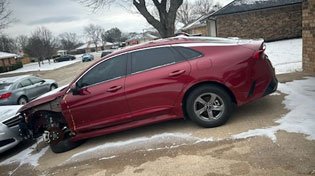
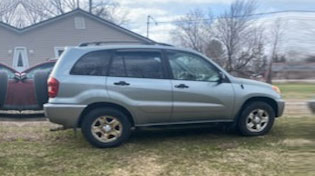
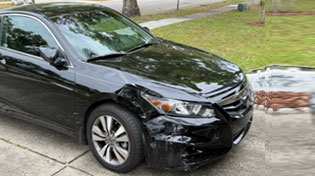
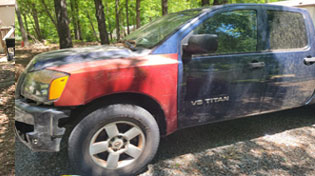
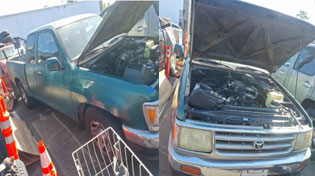

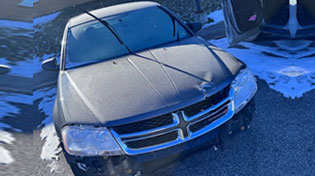
Junk Cars and Vehicle Conditions ByeCar Can Review
ByeCar can review non-running cars, major mechanical failures, collision-damaged vehicles, total losses, and some vehicles with salvage or special ownership status. If the vehicle is primarily damaged rather than end-of-life, see ByeCar's damaged-car service.
Examples include engine or transmission failure, significant rust, water or fire exposure, suspension damage, missing components, and vehicles that no longer run. Describe major damage, whether the vehicle starts, missing parts, title or lien issues, and pickup-access limitations. Accurate details help determine whether an evaluation or collection arrangement may be possible. A particular condition or title brand does not guarantee acceptance.
How the Quote and Sale Process Works
- Submit the vehicle details. Provide its year, make, model, Alaska location or ZIP code, contact information, and known condition. Additional information or photos may be requested.
- Review any proposed offer. Confirm the vehicle being evaluated, the amount, whether further evaluation is required, and what ownership documentation will be needed.
- Discuss collection and access. Establish whether collection is available at the actual location, who handles transportation, any applicable charges, and what equipment or permission may be necessary.
- Complete the transfer under agreed terms. Confirm payment method and timing, follow applicable Alaska DMV requirements, and release the vehicle only when the documents and transaction arrangements are in order.
Alaska Titles and Ownership Documents
Alaska's ownership requirements depend on the title record and the vehicle's status. A standard vehicle sale, an unresolved lien, and a Junk-branded vehicle are not interchangeable. The DMV rules are separate from ByeCar's decision about whether a vehicle is eligible for purchase.
Assigning the title and notifying DMV
For an ordinary sale, the Alaska DMV seller instructions tell the seller to complete the Assignment of Vehicle Title by Owner and give the original title to the buyer. When owners are joined by "AND," all must sign; an "OR" title generally requires one owner's signature. Complete the applicable odometer disclosure and do not leave required assignment fields blank.
Submit the Notice of Vehicle Sale for Transfer promptly, using the portion of the title or the DMV's available reporting methods. A bill of sale is useful for documenting the transaction but does not replace the title in an ordinary transfer. Remove personalized or specialty plates when applicable.
Lost Alaska titles and liens
For a title most recently issued by Alaska that has been lost, stolen, destroyed, or damaged, the Alaska DMV duplicate-title process requires obtaining a replacement before ownership can transfer. For a lost, stolen, or destroyed title, DMV lists a notarized affidavit (Form 809). DMV also warns against filing that affidavit when the original title is still in your possession, so ask DMV which documents to submit if the title is damaged but available. If an active lien remains, the lienholder of record applies for the duplicate; if a recorded lien has been satisfied, obtain the required release. See the DMV lienholder guidance.
If the title was issued by another state, request a duplicate from that issuing state, not from Alaska DMV. Do not assume that a registration or a quote inquiry substitutes for proof of ownership.
Junk, Salvage, and incomplete vehicles
Alaska has separate rules for some Junk-branded, Salvage, and incomplete vehicles. Since August 1, 2025, DMV can issue a Salvage title for certain vehicles carrying a current Junk brand that have not yet been reconstructed. The Alaska DMV Salvage Vehicle Titles guidance also explains that an incomplete vehicle does not require a Salvage title and may be transferred with a bill of sale or other contract under the applicable circumstances.
Those are specific regulatory pathways, not a general promise that a vehicle without a title can be sold to ByeCar. A Salvage title documents ownership but does not by itself authorize roadway registration without the required reconstructed-title process. Disclose the actual title wording and ask what documentation is required before proceeding.
Planning Pickup Across Alaska
Provide the actual location before discussing collection. Alaska's transportation network varies considerably, and a statewide inquiry page does not mean that collection is available in every community.
Road access and ferry-served communities
Anchorage and Fairbanks are connected by highways, while Juneau and many coastal communities do not have the same direct road connections. The Alaska Department of Transportation and Public Facilities describes a highway network alongside a marine highway serving coastal communities. A conventional road-based pickup arrangement may not work for a vehicle without highway access.
Identify the community and how it can be reached. If marine or other specialized transport would be needed, do not assume ByeCar provides or pays for it. Availability, equipment, transfers, and costs must be confirmed for the specific vehicle and location.
Vehicle mobility and property access
Explain whether the car starts, rolls, steers, and brakes. Mention missing keys, flat tires, locked wheels, damaged suspension, or missing components that could affect loading. Also identify garages, gates, narrow driveways, repair shops, storage yards, and permission needed from a property owner or operator.
Confirm collection and payment terms
Before agreeing to sell, confirm who would collect the vehicle, the exact pickup location, any charges, required ownership documents, and the payment method and timing. Do not assume towing is free, pickup will occur by a particular date, or that physical cash will be handed over at collection.
Alaska Seller Checklist Before Releasing Your Vehicle
- Check the title. Confirm the VIN, named owners, title brand, and any lien information. Make sure the required owners can sign.
- Complete the transfer. Follow the assignment and applicable odometer instructions, and provide the original title for an ordinary sale.
- Document the transaction. Keep a bill of sale or equivalent record with the buyer, vehicle, sale date, and agreed terms.
- Notify DMV. Submit the Notice of Vehicle Sale for Transfer promptly through an accepted DMV method.
- Handle plates and handoff. Remove personalized or specialty plates when applicable, take personal belongings, and confirm collection and payment before releasing the vehicle.
These seller responsibilities are separate from any assistance a vehicle buyer may offer. Consult the Alaska DMV seller guide for the current procedure.
Alaska Locations and Related Services
If your vehicle is in Anchorage, see the Anchorage junk-car buying page. For questions focused on a major mechanical breakdown, see selling a broken car in Alaska. To explore service areas outside the state, visit the national junk-car service hub.
For other Alaska communities, provide the exact vehicle location in the quote request. The presence of a statewide service page does not establish collection availability at every address.

Request an Offer for Your Junk Car in Alaska
Provide the vehicle details and Alaska pickup location or ZIP code through the existing quote form or contact ByeCar. Be prepared to explain title or lien issues, major damage, and loading access. Review any proposed offer and confirm the complete transaction terms before deciding whether to sell.
Frequently Asked Questions About Selling a Junk Car in Alaska
Can I sell a junk car in Alaska without a title?
For an ordinary titled vehicle, Alaska DMV generally requires a lost title to be replaced before ownership transfers. Special rules exist for certain Junk-branded or incomplete vehicles, but they do not guarantee that ByeCar can buy a car without the necessary ownership evidence. Explain the documentation you actually have.
What if I lost my Alaska vehicle title?
If no lienholder is listed, the owner of record can generally request a duplicate through Alaska DMV using notarized Form 809. If the lien remains active, the lienholder of record applies. If a recorded lien has been satisfied, a lien release is required. A title most recently issued by another state must be replaced through that state.
What should I do after selling my vehicle in Alaska?
Complete the title assignment, provide the original title to the buyer in an ordinary transfer, and submit the Notice of Vehicle Sale for Transfer promptly. Keep a record of the sale and remove personalized or specialty plates when applicable.
What if my vehicle has a Junk or Salvage status?
Disclose the exact brand and provide the available ownership documents. Alaska has separate Salvage, Junk, reconstructed, and incomplete-vehicle procedures. Whether a purchase can proceed depends on the vehicle's documentation, condition, and the buyer's acceptance criteria.
How are pickup and payment arranged?
If an offer is made, discuss whether collection is available at the exact location, including any community without highway access. Confirm who handles transportation, any charges, the required documents, and the payment method and timing before releasing the vehicle.