

 Over 25,000 cars purchased nationwide

If you want to sell a junk car for $500, the first question is whether your particular vehicle supports that price. A car that will not start can still have value, but $500 is not an automatic minimum. The amount offered may be lower, close to $500, or higher. What matters is the car itself and the terms of the sale, not the number in an advertisement.
Could Your Junk Car Really Be Worth $500?
Yes, a junk car could be worth $500, but there is no reliable way to assign that amount without knowing more about it. Two cars of the same age can attract different offers if one is relatively complete and the other has been stripped of valuable parts. The make and model, extent of damage, demand for reusable components, and where the car is located all influence what a buyer may be willing to pay.
A car that has stopped running is not necessarily worthless. It may still contain usable body panels, wheels, mechanical components, or recyclable metal. On the other hand, a vehicle with extensive missing parts, severe damage, or difficult pickup access may attract a lower offer. Rather than assuming the car is worth exactly $500, use that figure as a starting point for evaluating the actual quote. For a broader explanation, see how the junk value of a car is determined.
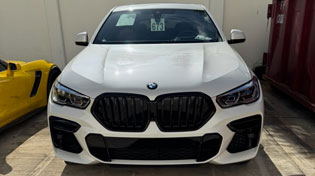
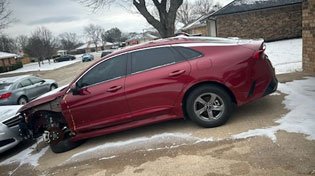
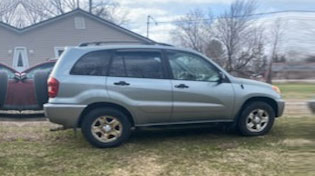
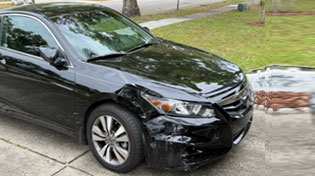
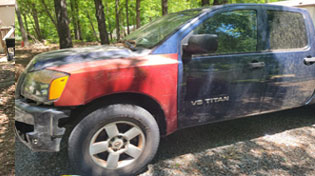
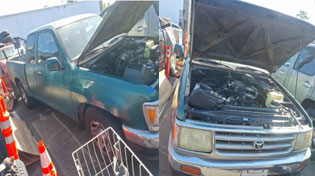

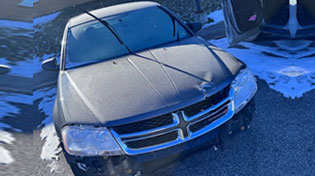
What Affects a $500 Junk Car Offer?
A buyer considers more than whether the engine starts. The following details can make a meaningful difference:
- Make, model, and year. Different vehicles have different parts demand, construction, and potential resale uses.
- Overall condition. Collision damage, corrosion, flooding, fire damage, and mechanical failure can change which components remain usable.
- Completeness. A car with its engine, transmission, wheels, and other major parts may be evaluated differently from a stripped shell. A missing catalytic converter should be disclosed rather than discovered at collection.
- Parts and recyclable materials. Reusable components and scrap metal can both contribute to value, but neither establishes a universal $500 price.
- Location and access. The vehicle's ZIP code, whether it rolls, and where it is parked can affect collection options and the economics of an offer.
- Ownership documents. A missing title or recorded lien may prevent or delay a lawful sale until documentation is resolved.
A high-mileage car with intact components may appeal to a buyer for reasons that a severely dismantled vehicle does not. Likewise, a car with a serious engine problem may still have other usable parts. No single feature guarantees a particular offer.
What Could Put Your Car Below, Around, or Above $500?
Think of $500 as a comparison point, not a fixed category that every junk car fits. No single feature, mileage figure, or combination of parts reliably establishes a $500 value. The examples below describe factors that may influence an individual offer, not rules for predicting what your vehicle will receive.
| Possible outcome | What it means | What to consider |
|---|---|---|
| Below $500 | Missing major components, extensive damage, or difficult collection requirements may reduce an offer. | Disclose missing parts, known damage, and access restrictions before relying on a quote. |
| Around $500 | A vehicle-specific assessment may produce an offer near this amount, but there is no universal set of characteristics that guarantees it. | Compare the actual amount and terms rather than assuming the benchmark applies to your car. |
| Above $500 | Usable components, demand for the specific vehicle, or remaining value beyond recyclable material may support a higher offer. | Provide accurate information and consider whether the proposed price reflects the vehicle's overall condition. |
If your car may be worth considerably more, review what can influence a $1,000 junk car offer. That page addresses a different valuation question, not a promised upgrade from $500.
What Should You Tell a Buyer About Your Car?
Useful details help avoid a quote based on the wrong vehicle or incomplete condition information. Before contacting ByeCar, have the following ready if available:
- Vehicle year, make, model, and the ZIP code where it is parked.
- Whether it starts, runs, drives, rolls, and can be accessed safely.
- Known engine or transmission problems, accident damage, rust, water damage, or other major defects.
- Missing parts, including wheels, the battery, catalytic converter, engine, or transmission.
- Title status, the name of the owner, and whether a lender or lienholder has an interest in the car.
- Photos of the exterior, interior, damage, and missing parts if requested.
Be specific about uncertainty. If you do not know why the car stopped running, say so rather than guessing. If it is blocked into a garage, behind a gate, or in a place where a tow truck may not reach it, explain that before discussing pickup.

What Paperwork Do You Need to Sell a Junk Car?
Be prepared to show that you are authorized to sell the vehicle. A properly assigned title is common in vehicle transactions, but requirements and exceptions differ by state and by the circumstances of the sale. Other relevant documents may include identification, a lien release, or a state-approved replacement-title document. Do not assume that a bill of sale alone always replaces a title.
After a sale, the seller may have separate notification or recordkeeping duties. For example, California DMV requires a Notice of Transfer and Release of Liability within five calendar days when a qualifying sale or transfer occurs and possession is delivered. Filing that notice does not itself complete the buyer's title transfer. Texas DMV describes a separate Vehicle Transfer Notification process and advises sellers to maintain transaction records. These are state-specific examples. Check the rules that apply to your vehicle rather than assuming every seller obligation is handled by the buyer.
What If the Title Is Missing or a Lien Is Still Recorded?
Tell ByeCar about the issue before accepting an offer. A lost title may require a replacement from the issuing agency; an outstanding or unreleased lien may require action by the lienholder. Having possession of a vehicle does not, by itself, establish that you have authority to transfer it. If you need a replacement title or lien release, follow your state agency's instructions. Do not assume the vehicle can be sold until the applicable requirements are met.
For additional selling steps, see ByeCar's process.
How Should You Compare a $500 Offer and Plan for Pickup?
An advertised amount and the money you ultimately receive are not always the same thing. Before agreeing to sell, ask what the quoted price covers, whether it is conditional on inspection or document verification, and whether any transportation or handling charge affects your proceeds. Compare offers using the amount you would actually receive, not just the largest number mentioned on a website.
Also explain where the car is and whether it can be moved. A non-running car in an accessible driveway presents different logistics from a vehicle with missing wheels or one parked behind other vehicles. ByeCar describes a junk car removal service, but pickup availability, terms, and any applicable charges should be confirmed for your vehicle and ZIP code before you agree to the transaction.
What Matters Beyond the Quoted Price?
Before accepting an offer, confirm whether the amount is preliminary or final, what happens if the vehicle differs from its description, and how payment will be arranged. Ask which payment method will be used, when payment is due, and whether any processing or clearing time applies. Keep a record of the agreed amount, collection terms, and any documents required for the transfer. Do not assume that the advertising term "cash for junk cars" means payment in physical currency.
Describe the car accurately. Missing components and uncertain mechanical problems are better disclosed before a pickup is planned.
Confirm the pickup arrangement. Check vehicle access, location eligibility, collection terms, and any charges rather than assuming they are the same everywhere.
Understand the transaction. Verify the final offer, payment method, and your remaining ownership-transfer responsibilities.
For broader selling options, visit ByeCar's cash-for-junk-cars service areas, or read more about selling a damaged vehicle. These resources cover general service availability and specific vehicle conditions without changing what your individual car is worth.
Find Out What Your Junk Car May Be Worth
If $500 is the amount you have in mind, start with an inquiry about your actual vehicle. Enter its make, model, year, ZIP code, and the requested contact information in ByeCar's form. Be prepared to describe its condition, missing components, and ownership status if additional details are requested. Review any resulting offer, payment arrangements, and pickup terms before deciding whether to proceed. You can also use the ByeCar contact page if you prefer to get in touch directly. Your vehicle may be worth less than $500, close to that amount, or more.
Frequently Asked Questions About $500 Junk Car Offers
These answers address common questions about value and completing a sale. For broader questions, visit the ByeCar FAQ. The terms for any specific transaction still need to be confirmed.
Does ByeCar Guarantee $500 for My Junk Car?
The advertised $500 amount should not be treated as a guaranteed payment for every vehicle. The actual offer depends on your car's details and the terms of the proposed transaction. A vehicle may be worth less than $500, around $500, or more.
Can a Car That Does Not Run Still Be Worth $500?
Possibly. A non-running car may retain usable parts or recyclable materials, but engine failure is only one part of its condition. The make, model, completeness, damage, and location also matter.
What If My Car Is Missing a Catalytic Converter or Other Major Part?
Disclose missing components when requesting an offer. Their absence may affect how the car is evaluated, and no payout can be assumed. See the guidance on selling a car without a catalytic converter.
Can I Sell My Junk Car Without the Title?
Not automatically. You need to establish your right to sell the vehicle and meet the rules that apply in its state. A replacement title or other authorized documentation may be needed; an unresolved lien can also affect the transaction.
Could an Offer Change After the Car Is Inspected?
Confirm whether the amount you receive is a preliminary estimate or a final offer. Ask what happens if the vehicle's actual condition, missing parts, ownership documents, or other relevant details differ from what you originally reported. The amount and any conditions should be clear before you agree to transfer the vehicle.
Is Pickup Included When I Sell a Junk Car?
ByeCar advertises vehicle removal, but do not assume every car, address, or ZIP code is eligible on the same terms. Confirm availability, access requirements, scheduling, and whether any fee would affect your proceeds before accepting an offer.
How Will I Be Paid for My Junk Car?
Confirm the payment method and timing for your specific transaction before accepting an offer. Ask whether there are any conditions affecting payment and keep a record of the agreed terms. The phrase "cash for junk cars" describes the service and does not, by itself, promise physical-currency payment.

