

 Over 25,000 cars purchased nationwide

A damaged car is not automatically worthless, and selling it does not always require repairing it first. A car with collision damage, a failed engine, flooding, or missing parts may still be considered for an as-is purchase. What matters is its actual condition, ownership status, location, and whether a buyer can arrange a workable transaction. If you want to sell your damaged car, start by sharing the basic vehicle details and describing the damage accurately.
How Much Is Your Damaged Car Worth?
There is no reliable flat price for a wrecked or damaged car. Two cars of the same year and model can have very different values if one has cosmetic damage and the other has structural damage, deployed airbags, or extensive water exposure. An as-is evaluation considers more than the price of scrap metal.
The details that can affect an offer include:
- Year, make, model, and mileage. These help identify the vehicle and provide context for its remaining market demand.
- Type and extent of damage. A dented panel, failed transmission, bent frame, and flooded electrical system create different repair and resale considerations.
- Remaining condition and parts. Mechanical operation, missing components, and unaffected equipment may change the vehicle's remaining value.
- Title and ownership. A clean, salvage, rebuilt, or other branded title, as well as any outstanding lien, can affect whether and how the car can be transferred.
- Location and access. A car that rolls and steers on an accessible driveway presents different collection requirements from one in a restricted garage or a muddy lot.
An estimate is not a guaranteed payout. The final terms depend on the information reviewed and any condition or documentation checks required. If you want to understand the materials side of valuation, see our guide to car scrap value.

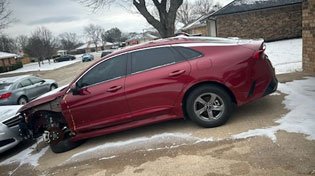
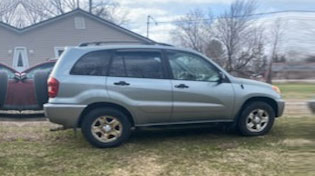
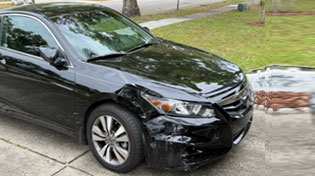
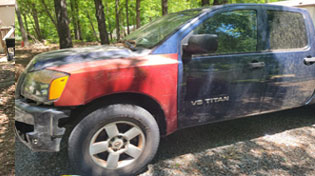
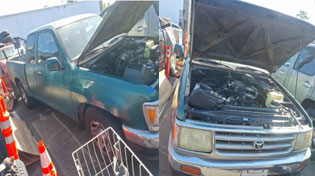

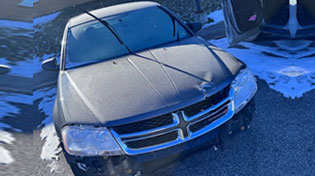
Which Damaged Cars Can Be Considered for an Offer?
You can submit details about a car with visible body damage, collision damage, mechanical failure, or damage from weather or fire. A vehicle may be running, non-running, incomplete, or previously declared a total loss by an insurer. None of those descriptions alone establishes whether ByeCar can purchase it.
Damage may affect appearance, drivability, safety, or the paperwork needed for transfer. Hail dents may be cosmetic, while significant collision damage or water exposure can make a vehicle unsafe to operate. Disclose deployed airbags, visible structural damage, warning lights, and known flood exposure without guessing at the underlying cause. Whether ByeCar can make an offer or arrange collection requires individual review.
Explore Different Types of Vehicle Damage
The right selling information depends on what happened to the vehicle. These guides cover issues in more detail:
- Collisions and insurance total losses: totaled cars.
- Structural corrosion and suspension problems: rusted frames and suspension damage.
- Storm and environmental damage: hail damage, water or flood damage, and fire damage.
- Mechanical and operating problems: blown engines, broken transmissions, and non-running cars.
- Missing equipment: cars without a catalytic converter.
Some vehicles have several problems at once. A flooded car may also have an engine failure; a collision-damaged car may have missing parts. Include every known issue when discussing an offer. The FTC's flood-damage guidance explains why water damage may not be obvious from a vehicle's appearance.
What Should You Tell Us About Your Damaged Car?
Start with the vehicle year, make, model, ZIP code, and contact information requested by the form. If further details are needed to evaluate the vehicle, the following information can help clarify its condition and collection requirements:
- Vehicle identity: year, make, model, approximate mileage, and VIN if available.
- Damage history: whether the problem followed a collision, storm, flood, fire, theft, or mechanical failure; which areas or systems are affected.
- Current operation: whether it starts, runs, drives, rolls, steers, and has usable wheels and tires. These are separate questions.
- Missing or altered parts: keys, battery, catalytic converter, wheels, engine components, or other important equipment.
- Ownership: name on the title, any salvage or flood branding, lost-title status, outstanding financing, or an unsettled insurance claim.
- Vehicle location: ZIP code, where it is parked, and any gates, height limits, narrow access, or other loading restrictions.
If photos are requested and can be taken safely, show the vehicle's exterior, visible damage, interior, and dashboard. Do not send photographs of titles or other sensitive documents through an unverified channel. Do not crawl under an unstable car, handle exposed wiring, or start a flood-affected vehicle simply to take pictures. If you do not know an answer, say so rather than guessing.
Should You Repair a Damaged Car or Sell It As-Is?
Start by comparing the full cost of repair with what the vehicle is likely to be worth after repair and what you could receive for it in its current condition. A repair estimate should include reasonably foreseeable work, not just the most visible damage. Damage to safety systems or structural components deserves particular attention.
Repairing may make sense when the problem is limited, the vehicle remains safe or can be made safe, and the expected value or usefulness after repair justifies the expense. Selling as-is may be more practical when repairs are extensive, other costly problems remain, or you do not want to fund or manage the work. Neither choice is automatically better.
If there is an insurance claim, check the settlement and ownership terms before committing to another sale. Consider obtaining an independent repair assessment when the damage or likely costs are unclear. You do not need to repair a car merely to ask whether an as-is evaluation is possible.

What Documents Do You Need to Sell a Damaged Car?
The legal right to transfer a car matters as much as its physical condition. Requirements may depend on where it is titled and registered, the vehicle's location, the buyer, and its title history. Before accepting an offer, confirm who has legal authority to sell it, whether a lender or another party holds an interest, and which transfer documents are needed.
A title is commonly central to a vehicle transfer, but a missing paper title does not establish that a sale is allowed or prohibited in every situation. A replacement title or another state-authorized procedure may be necessary. Salvage and rebuilt branding should be disclosed, and a car subject to an open loan generally requires resolving the lienholder's interest through an appropriate process before a clear transfer can occur.
Ask what identification, title signatures, lien-release documents, bill of sale, and odometer information apply to your transaction. Also check whether your state requires a separate seller notice after the sale. For example, California DMV's Notice of Transfer and Release of Liability instructions explain a seller notification that is distinct from completing the transfer of ownership. California's rule should not be assumed to apply nationwide.
See ByeCar's FAQ for general selling questions, and confirm the legal requirements with the relevant state motor vehicle agency.
What If Insurance Declared the Car a Total Loss?
An insurance total-loss decision is not the same thing as saying a car has no remaining value. The insurer may take ownership of the vehicle as part of a settlement, or the owner may be able to retain the damaged vehicle under the policy and applicable rules. If you keep the vehicle, the settlement may account for its salvage value.
Before arranging a sale, verify who has the legal right to transfer the car, whether the claim has been finalized, whether a lender has an interest, and whether salvage or other title branding must be completed. The California Department of Insurance's accident guide explains the salvage-retention concept; specific requirements vary by state and policy.
For a more detailed explanation, read selling a totaled car or our total-loss car guide.
Prepare a Damaged Car Safely for Collection
Once a transaction and collection plan have been agreed, remove personal belongings, locate the keys and required documents, and note any access limitations. If plates must be removed or a seller notification filed under your state's rules, make a plan to complete those tasks. Keep a copy of the signed sale or transfer records and agreed payment terms.
Tell the buyer in advance if tires are flat, wheels are missing, the steering is locked, the car is in a parking structure, or fluid is leaking. These details help determine whether collection can be arranged and what equipment might be needed. Do not move a car that is unsafe to operate solely to make collection easier.
Flood exposure deserves extra caution. NHTSA advises assessing flood-damaged vehicles before starting them. Flood-damaged electric and hybrid vehicles can present high-voltage shock and fire hazards; seek qualified help rather than handling a suspected damaged battery yourself.
What Happens After You Request a Quote?
1. Share the vehicle details. Start with the information requested in the existing form, then provide an accurate account of the damage, ownership status, and location as needed.
2. Review any proposed offer. An evaluation may involve follow-up questions or condition checks. Check the amount, what it covers, whether it is conditional, and when it could change.
3. Confirm documents and collection terms. If you decide to proceed, establish the ownership-transfer requirements, whether pickup is available at your location, whether any collection charges apply, and who will arrange transport.
4. Confirm payment and transfer. ByeCar's website footer states that payment is typically by check or wire transfer. Before handing over the vehicle or title, confirm the agreed amount, method, timing, and any conditions. Keep copies of the relevant transfer documents and payment confirmation.
For the site's general process overview, see How ByeCar Works. Specific arrangements can differ based on the car and location.
What If the Car Cannot Start, Roll, or Steer?
A car that will not start is not necessarily hard to load. A car that cannot roll or steer can be much more complicated. Explain whether the wheels turn, the tires hold air, the parking brake can be released, the keys are available, and a recovery vehicle could safely approach the car. Mention low-clearance garages, locked gates, unstable surfaces, or accident-scene restrictions. These details are necessary to assess collection options; they do not guarantee that every vehicle or location can be serviced.
Describe the car accurately. Disclose known damage and missing parts rather than risking a revised valuation later.
Confirm you can transfer it. Check the title, any outstanding lien, insurance claim status, and applicable state requirements.
Understand the final terms. Confirm payment method and timing, pickup arrangements, and any fees before agreeing to hand over the vehicle.
If your vehicle is broadly unwanted rather than damaged in a specific way, the national junk-car service hub may be more relevant. For collection questions, see junk-car removal information.
Ready to Request an As-Is Offer for Your Damaged Car?
You can begin with the quote form on this page or contact ByeCar to discuss your vehicle. Providing accurate details about its condition and ownership helps determine whether an offer and collection arrangements are possible. Review the proposed terms before deciding to sell.
Frequently Asked Questions About Selling a Damaged Car
These answers cover common questions about eligibility, condition, paperwork, and transaction terms. A particular vehicle still requires an individual review.
Can I sell a damaged car that still drives?
You can request an evaluation for a car with cosmetic or mechanical damage even if it still runs. The seriousness of the damage, remaining condition, documents, and location affect what can be offered. Do not drive a vehicle that may be unsafe simply because its engine starts.
Can I request an offer for a wrecked car with deployed airbags or frame damage?
Yes, you can submit its details for review. Explain the known collision damage, whether airbags deployed, whether the car rolls and steers, and whether any repairs have been attempted. Submission does not guarantee a purchase or pickup.
Should I repair my damaged car before requesting a quote?
Not necessarily. Compare a realistic repair estimate with the vehicle's likely condition and value after repair, as well as any as-is offer. You can request an evaluation before deciding whether to spend money on repairs.
Can I sell a car with a salvage title, missing title, or outstanding loan?
Possibly, depending on lawful ownership, title status, lender rights, state requirements, and buyer acceptance. Disclose these issues before agreeing to a transaction. A missing title or open loan must not be treated as automatically resolved by the buyer.
Can an offer change after the vehicle is inspected?
An offer may depend on the accuracy of the details supplied and any required checks. Undisclosed damage, missing equipment, different title status, or collection restrictions may affect the terms. Ask which conditions apply to an offer and obtain clarification before accepting it.
How are pickup and payment arranged?
Collection depends on the vehicle's location, mobility, loading access, and agreed terms. ByeCar's website footer describes check or wire transfer as typical payment methods. Confirm the actual method, amount, payment timing, pickup availability, and any charges for your transaction. Do not assume free or immediate collection or payment on the spot.