

 Over 25,000 cars purchased nationwide

If you have a junk, damaged, or non-running car in California, you can request an offer without first listing it for private sale. Start with the vehicle and ZIP code details, then describe its condition and ownership status. Review the proposed amount, required documents, and pickup arrangements before agreeing to sell.
Request an Offer for Your Junk Car in California
Enter the year, make, model, and ZIP code where the car is parked. The quote request gives you a way to explore an as-is sale without committing to an offer. A buyer may need further details to determine whether the car can be purchased and collected at that address. If an offer is available, compare the complete terms with your alternatives, not just the headline amount.
What Information Is Needed for a Junk Car Quote?
Have these details ready when requesting or discussing an offer:
- Vehicle basics: Year, make, model, mileage, and VIN if available.
- Running condition: Whether the engine starts, the vehicle moves under its own power, and it can roll, steer, and brake.
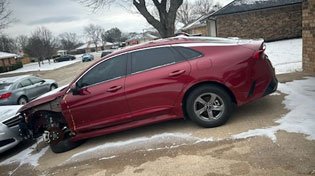
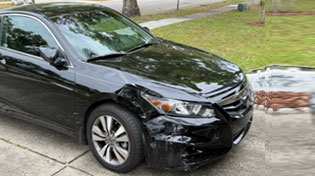
- Damage and missing parts: Known collision, engine, transmission, fire, water, or structural damage, plus missing wheels, keys, battery, or catalytic converter.
- Ownership: Whether you have a California title, replacement-title paperwork, salvage certificate, or a recorded lien.
- Pickup access: The vehicle's actual ZIP code and whether it is in a garage, gated lot, repair shop, storage yard, or other restricted area.
Describe symptoms rather than guessing at a repair diagnosis. If storage fees are accumulating or another person controls access to the vehicle, disclose that early.


What Affects a Junk Car's Value in California?
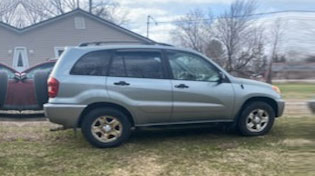
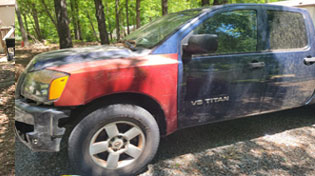
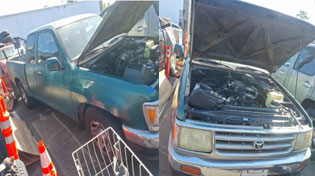
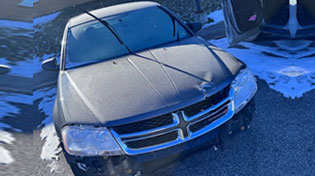
A junk car does not have one statewide price. Buyers may consider what the complete vehicle, reusable parts, or remaining materials are worth, alongside the cost and feasibility of recovering it. A car that runs but has cosmetic damage presents a different situation from one with a seized engine, missing wheels, and unresolved ownership paperwork.
| Factor | Why it matters |
|---|---|
| Year, make, model, and mileage | Help identify the vehicle and its potential demand. |
| Mechanical and body condition | Influence repair potential, usable components, and handling needs. |
| Completeness | Missing parts can affect both value and collection. |
| Title, lien, and pickup location | Can affect transfer feasibility and the cost or availability of removal. |
An offer is specific to the vehicle and transaction. Do not assume that a national advertised payout or a previous purchase example predicts what your car will bring.
Which Junk and Damaged Cars Can Be Evaluated?
Non-running and mechanically damaged vehicles
You can submit details for a car that will not start, overheats, has a failed transmission, or needs repairs you do not want to make. Explain whether it can roll and steer, especially if a tow truck would need special equipment. For the repair-versus-sale decision, see selling a broken car in California.
Collision, weather, and body damage
Vehicles with accident damage, severe cosmetic problems, or weather-related damage may also be considered. Disclose structural damage, deployed airbags, flood exposure, and missing components when known. For more condition-specific guidance, see selling a damaged car. Submitting a vehicle does not guarantee acceptance.
What Documents Do You Need to Sell a Junk Car in California?
A vehicle's poor condition does not remove the need to establish ownership. California DMV's title transfer guidance explains standard transfers and replacement documents. The correct process depends on how the vehicle is titled and what the buyer intends to do with it.
California title and ownership signatures
For an ordinary transfer, the California Certificate of Title is the usual ownership document. Confirm that the vehicle identification number (VIN) matches and that all required owners sign the correct sections. Record the sale date and amount, and complete odometer disclosure when required. For most 2011-or-newer model-year vehicles, that disclosure applies until the vehicle reaches 20 model years, although exemptions exist, including certain dismantler transfers. Keep copies of the completed transaction documents. See the California DMV odometer disclosure rules.
Lost title and Form REG 227
If your California title has been lost, stolen, or damaged, the DMV provides the Application for Replacement or Transfer of Title, REG 227. It may support a qualifying transfer, but it is not a blanket exemption from proving ownership. A car last titled in another state normally requires that state's title process; California's REG 227 cannot automatically replace it. See the California DMV title instructions.
Loans, liens, and legal owners
If a lender or legal owner is recorded, obtain the payoff and release requirements before arranging a sale. California generally requires a notarized legal-owner release when that party signs REG 227, subject to stated exceptions; additional restrictions apply to certain very recent model-year California titles. A bill of sale alone does not discharge a lien. Confirm the acceptable documents with the lender, receiving buyer, and DMV. See the DMV's lienholder-release instructions.
Salvage and nonrepairable certificates
A California Salvage Certificate and a Nonrepairable Vehicle Certificate are not interchangeable with an ordinary clean title. A salvage vehicle may have its own transfer and future registration requirements. Once a nonrepairable certificate is issued, the vehicle cannot later be titled or registered for road use. Disclose the exact record you have and confirm buyer eligibility before pickup. See the DMV's salvage and nonrepairable vehicle guidance.
Do You Need a Smog Check to Sell a Junk Car?
For an ordinary change-of-ownership sale, the seller generally must provide a valid Smog Check when the vehicle is subject to the program. Exceptions include electric vehicles and certain newer vehicles; for example, qualifying gasoline-powered vehicles four model years old or newer are exempt from the change-of-ownership inspection. Damage or an inability to start is not itself an exemption. See the California Bureau of Automotive Repair's Smog Check guidance.
A vehicle genuinely transferred for wrecking or dismantling is exempt from the smog inspection requirement under California DMV's junking procedures. That does not make every sale to a junk-car buyer exempt. Ownership evidence and specific junk or dismantler reporting rules still apply. Owners who intend to dismantle a car themselves must apply to DMV to record it as junk before dismantling. Confirm the transaction type and who will handle its required filings. See DMV's individual junking procedures.

What Must You Do After Selling Your Vehicle?
File the Notice of Transfer and Release of Liability
California requires sellers to submit a Notice of Transfer and Release of Liability (NRL, Form REG 138) within five calendar days of the qualifying sale or transfer. Have the new owner's name and address, plate number, last five VIN digits, odometer reading, and sale date ready. Save the submission confirmation. A properly submitted NRL helps establish the notice and liability protections described by DMV, but does not transfer title or remove your name from the record by itself. The buyer must complete the transfer process. Use the California DMV NRL service.
Handle license plates according to the transfer
For an ordinary California transfer, standard plates generally remain with the vehicle. Personalized or certain special plates can have retention or reassignment procedures, including Form REG 17. If the vehicle is being formally junked or transferred to a licensed dismantler, DMV instead requires handling of the assigned plates under the applicable junking or dismantler process, which can involve surrender or an official record of destruction. Confirm the transfer type before removing plates. See DMV license-plate rules and dismantler reporting procedures.
Keep proof of the transaction
Before releasing the car, record the buyer's details, VIN, sale date, final agreed amount, and how payment will be made. Remove your belongings, check that the paperwork is completed rather than blank, and keep copies or photos of signed documents where appropriate. Review insurance and any outstanding registration or storage issues separately.
How Do Pickup and Payment Work in California?
Pickup arrangements depend on the vehicle and its location. Before accepting an offer, explain if the car cannot roll, steer, or brake, is missing wheels or keys, or is blocked inside a garage or fenced property. Tell the buyer about access restrictions and any towing or storage fees charged by a third party.
Confirm whether pickup is available for the ZIP code, whether any removal charge or condition applies, who is collecting the vehicle, and what documents are required. Ask exactly how and when you will be paid. The term "cash for junk cars" does not guarantee payment in physical cash or at the moment of pickup. Any change to the vehicle's condition or pickup details should be reviewed before you release it.
Three Checks Before You Release the Car
- Ownership: Do the title or other accepted records identify the correct owner, and are liens or certificate brands accounted for?
- Pickup: Can the vehicle be accessed and loaded, and are any charges or special requirements agreed?
- Payment and reporting: Are the final amount, payment timing, buyer details, and five-day NRL obligation clear?
Should You Sell the Vehicle As-Is or Consider Another Option?
If the car still runs safely, compare an as-is offer with a private sale or the vehicle's likely value after repairs. Take into account repair estimates, the time involved, and any continuing storage or insurance costs. A non-running or extensively damaged car may leave fewer practical alternatives.
California also operates a separate Bureau of Automotive Repair vehicle-retirement program. The applicant must meet the program's ownership, registration, inspection, and other eligibility rules, and the vehicle must be driven to a BAR-contracted dismantler under its own power. A vehicle that cannot be driven or has already been recorded as junk does not meet those conditions. This is a state program, not a ByeCar offer. Check eligibility and obtain approval before retiring a vehicle under the program.
Where Can You Request Junk Car Pickup in California?
Use the ZIP code where the vehicle is parked, not just your mailing address. Quote requests can be made for vehicles in California, but collection availability and terms must be confirmed for the actual location. The California Locations section below provides city-specific pages for Los Angeles, San Diego, Sacramento, San Jose, San Francisco, and other communities. For a car outside the state, use the national junk-car service-area directory.
Request Your California Junk Car Quote
Have the year, make, model, ZIP code, condition details, and ownership status ready. Review any proposed amount, documents, pickup arrangements, and payment terms before deciding whether selling as-is is right for you.
Frequently Asked Questions About Selling a Junk Car in California
Can I request an offer if the car does not run or has no keys?
Yes, you can submit the details. Explain whether it starts, rolls, steers, and brakes, and whether the keys are available. Collection feasibility and acceptance depend on those facts and the pickup location.
Can I sell a junk car without its California title?
A missing title does not eliminate ownership-document requirements. California's REG 227 can support qualifying replacements or transfers. A recorded lien, out-of-state title, or nonrepairable record may require a different procedure. Confirm the acceptable documents before pickup.
Is a Smog Check required if the car is being scrapped?
An actual transfer for wrecking or dismantling is exempt from the smog inspection requirement under California DMV procedures. An ordinary sale is different, and merely calling a damaged car "junk" does not create an exemption. Confirm the transfer type before proceeding.
Should I take the license plates off before pickup?
Not automatically. Standard plates generally remain with a car in an ordinary California transfer. Personalized or special plates and formal junk or dismantler transactions follow different rules. Confirm the proper plate handling for your transaction.
Will towing be free anywhere in California?
Do not assume so. Confirm availability, fees, and any special-equipment or access requirements for the vehicle's actual location before accepting an offer.
How quickly will I receive payment?
The method and timing must be confirmed as part of the specific transaction. Ask for those terms before handing over the vehicle, rather than assuming immediate cash payment.
What happens if I forget to file the NRL?
California requires the seller's notice within five calendar days. If you missed that deadline, file the NRL as soon as possible and contact DMV if there is a dispute or a question about the record. A late notice does not change the original deadline or replace the buyer's title transfer. Keep your submission confirmation.

