

 Over 25,000 cars purchased nationwide

Selling a Junk or Non-Running Car in Santa Rosa
If you have an older sedan that no longer starts, a pickup needing major repairs, or a car with serious body damage in Santa Rosa, you can submit its details to ByeCar for evaluation. Provide its year, make, model, pickup ZIP code, and known condition. Requesting an evaluation does not guarantee an offer, purchase, or collection.
Before deciding between repair and sale, compare a realistic repair estimate with the vehicle's possible value after repairs and its as-is alternatives. Consider ongoing storage costs, missing parts, and whether the car can be moved safely. If a city notice or property rule is involved, check the actual requirements rather than assuming a sale inquiry extends a deadline.
How to Request a Vehicle Offer
- Share the vehicle details. Enter its year, make, model, pickup ZIP code, and the contact information requested by the form.
- Explain its condition. Describe mileage, mechanical problems, collision or other damage, missing parts, and whether it starts, rolls, and steers. Photos may be requested.
- Identify documents and access issues. Mention a missing title, lien, salvage or junk record, locked gate, repair-shop storage, or restrictions at the pickup property.
- Review any proposed terms. If an offer is made, confirm its amount and conditions, documents, possible inspection, collection availability and charges, and payment method and timing before deciding.
Completing the form begins a review. It does not establish a pickup date or require you to accept an offer.
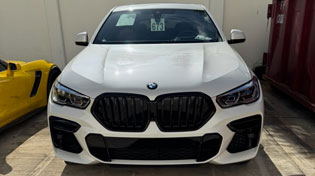
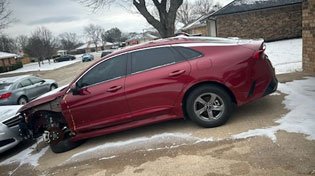
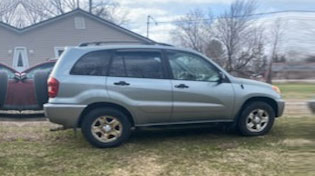
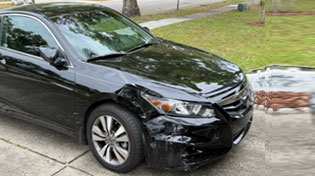
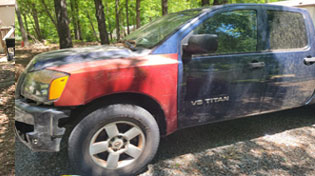
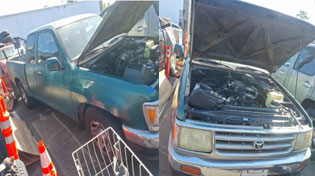

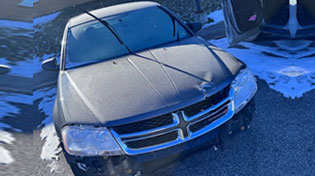
Vehicles and Conditions You Can Submit
Vehicles that may be worth submitting for evaluation include:
- Sedans with engine or transmission failure.
- High-mileage pickups with substantial repair needs.
- SUVs with collision damage or corrosion.
- Cars that have been parked for months and no longer run.
- Incomplete vehicles with missing keys, wheels, or major components.
- Vehicles with documented fire, smoke, or water exposure.
Describe actual damage rather than assuming that a car has problems because of Santa Rosa's weather or wildfire history. Explain whether the wheels turn, the car can steer, and important parts are missing. Those details may affect the evaluation and any proposed collection plan.
For more detail about specific conditions, see ByeCar's damaged-car service and non-running vehicle guidance. No listed condition guarantees purchase eligibility.
What Affects a Junk Car Offer in Santa Rosa?
A junk car's potential value depends on the individual vehicle, not a standard Santa Rosa payout. Information that may matter includes:
- Vehicle details: Year, make, model, mileage, and identifying information.
- Operation and damage: Whether it starts or moves and the extent of mechanical, collision, fire, or water damage.
- Completeness: Whether the engine, transmission, wheels, and other significant components remain.
- Ownership: Title availability, lien status, and any salvage, nonrepairable, or junk classification.
- Collection requirements: Whether the car rolls and steers and whether suitable equipment can reach it.
A repairable vehicle may be evaluated differently from one meant for dismantling. Scrap-metal weight alone does not establish a purchase offer. The car scrap value guide explains the difference. Compare any proposed terms with realistic repair and private-sale alternatives.

Collection and Property Access in Santa Rosa
The exact pickup address and the vehicle's position matter more than a neighborhood name. A car in an open driveway may require different arrangements from one in a garage, behind a locked gate, in an apartment parking area, or at a repair shop. A vehicle on a public street also raises parking and access questions.
Before discussing collection, check:
- Mobility: Does the vehicle roll and steer? Are wheels, tires, and keys available?
- Space and surface: Is there room for transport equipment? Is the driveway steep, narrow, blocked, or unpaved?
- Permission: Does a landlord, property manager, mechanic, or storage operator need to authorize release? Are storage or repair charges outstanding?
- Safety: Are there leaking fluids, unsecured components, or other hazards the person evaluating collection should know about?
Do not drive or push an unsafe vehicle onto a public road just to make it easier to collect. Confirm availability at the specific address, possible charges, equipment needs, and scheduling before accepting an offer. A Santa Rosa location does not establish guaranteed coverage.
California Title and Ownership Preparation
A Vehicle With a California Title
For an ordinary transfer, the California DMV generally requires a properly endorsed Certificate of Title and applicable owner or lienholder signatures. The transfer may also require odometer disclosure and other documents depending on the vehicle and transaction. Confirm what the receiving buyer needs before signing.
A Lost Title or Recorded Lien
If the California title has been lost, stolen, or damaged, the registered owner may use the Application for Replacement or Transfer of Title, Form REG 227. A legal owner or lienholder shown in DMV records must properly release its interest; DMV requires Section 5 of REG 227 to be notarized when a legal owner or lienholder is recorded. An active loan must be resolved with the lienholder. A bill of sale or a proposed offer does not automatically replace the required ownership evidence.
Salvage, Nonrepairable, and Junk Documents
Tell the buyer whether you have a regular title, salvage certificate, nonrepairable record, or a vehicle already recorded as junk. These documents are not interchangeable. California has specific procedures for an individual junking a vehicle, including evidence of ownership and a DMV application before dismantling. Do not assume ByeCar will handle that process or that every document is acceptable.
Notify DMV After the Transfer
For a qualifying sale or transfer, California requires the seller to submit a Notice of Transfer and Release of Liability (NRL) within five calendar days after the transfer and delivery of possession. Have the new owner's name and address, license plate number, last five VIN digits, and odometer reading at the time of sale ready. Save DMV's confirmation. The NRL reports the transfer; it does not itself complete the new owner's title-transfer requirements.
Santa Rosa Rules for Inoperable and Abandoned Vehicles
Visible Outdoor Storage Under the 2026 Property-Maintenance Rule
Santa Rosa Property Maintenance Code Section 18-20.302.8, amended in January 2026, restricts specified abandoned, wrecked, dismantled, inoperative, salvaged, or disabled vehicles and equipment stored outdoors in listed yards, driveways, sidewalks, or walkways for at least 24 consecutive hours when visible from a public street or adjoining property, subject to other applicable regulations.
This does not mean every vehicle parked in a driveway for 24 hours is unlawful. Vehicle condition, visibility, location, and applicable exceptions matter. Ask the City about a specific address or notice.
Separate Rules for Inoperable Vehicles and Street Parking
Chapter 11-36 separately restricts covered inoperable vehicles or parts left on public or private property for more than 72 consecutive hours, with exceptions such as lawful enclosed storage and certain authorized businesses. Its nuisance-abatement process generally provides a 10-day notice of intent, although the chapter states exceptions.
A different rule, Section 11-20.100, addresses vehicles left on a public street or alley for more than 72 consecutive hours. The 24-hour visible-storage provision, the inoperable-vehicle rule, and the street-parking limit are not interchangeable.
Notices and City Versus County Jurisdiction
If you have a code-enforcement or parking notice, use the deadline and procedure given by the responsible authority. Requesting a vehicle offer does not suspend enforcement. Within city limits, consult Santa Rosa officials. For private property in unincorporated Sonoma County, the Sonoma County Sheriff's guidance identifies Permit Sonoma as the responsible agency for abandoned vehicles. The actual property location determines which rules may apply.
Smog Certification When Selling or Junking a Car in California
Ordinary Vehicle Sales
For an ordinary sale, California generally requires the seller to provide a valid smog certification unless a specific exemption applies. The DMV's smog guidance explains that a car less than four model years old generally does not require a smog inspection for transfer; the new owner instead pays a smog transfer fee. Renewal-inspection exemptions are different. Calling a car old, damaged, or junk in an advertisement does not by itself waive the transfer requirement.
A Genuine Transfer for Dismantling
DMV's individual vehicle-junking procedure states that a vehicle transferred for wrecking or dismantling is exempt from the smog-inspection requirement. The procedure still has documentation and DMV-record requirements. Confirm the actual buyer and transaction type before relying on this exemption. It does not establish that every ByeCar purchase qualifies.
Three Practical Vehicle Situations
These examples are hypothetical. They do not describe completed ByeCar purchases or quoted prices.
A Non-Running Sedan in a Visible Driveway
A sedan with major engine damage sits in a driveway where it can be seen from adjoining property. Its owner should check whether the City's visible-storage and inoperable-vehicle rules apply. For evaluation, describe the failure, how long it has been parked, and whether it rolls and steers.
A Car Left on a Public Street
A car that no longer starts has remained on a Santa Rosa street. Street-parking restrictions may matter separately from the property's storage rules. Do not assume that an offer request prevents a citation or removal. Describe its exact location and arrange any lawful movement with the relevant authority.
A Damaged SUV With a Missing Title
An SUV has collision damage, a missing title, and uncertain smog status. The owner should identify the DMV title-replacement path and disclose any recorded lien. Whether smog certification is needed depends on the actual transfer, not merely the severity of damage.
Santa Rosa and California Selling Resources
For statewide service information and locations, visit ByeCar's California page. The national junk-car service page provides broader navigation. Listing Santa Rosa does not guarantee purchase or collection at every address.
Frequently Asked Questions About Selling a Junk Car in Santa Rosa
Can I request an offer for a car that does not start?
Yes. Explain whether it rolls and steers, whether keys and wheels are present, and what damage is known. An evaluation does not guarantee an offer or collection.
What information should I prepare?
Start with year, make, model, pickup ZIP code, and contact details. Be ready with mileage, mechanical or body damage, missing parts, title and lien status, and property-access restrictions. Photos may be requested.
Can I sell if the California title is missing or a lien remains?
An owner may be able to use Form REG 227 for a missing title. A recorded legal owner or lienholder must properly release its interest, and an active loan must be resolved. Confirm the necessary documents before transfer.
Does every junk car need a smog certificate?
Not necessarily. Ordinary sales generally require smog certification unless an exemption applies. A genuine transfer for wrecking or dismantling has a specific exemption and documentation requirements. Do not assume every damaged vehicle or ByeCar transaction qualifies.
Do Santa Rosa's 24-hour and 72-hour rules apply to the same situation?
They are separate provisions, but more than one may apply to a vehicle in some circumstances. The 2026 property-maintenance rule addresses specified visible outdoor storage after at least 24 consecutive hours. Chapter 11-36 separately covers certain inoperable vehicles after more than 72 consecutive hours, while Section 11-20.100 addresses street or alley parking beyond 72 hours. Check the vehicle's condition, location, applicable exceptions, and any notice from the responsible authority.
Is collection free, and how and when would I be paid?
Confirm service availability, possible charges, equipment, and timing at your address. ByeCar's published footer describes check or wire transfer as typical; confirm the payment method and timing before accepting an offer.
What do I need to file with DMV after selling?
Submit a Notice of Transfer and Release of Liability within five calendar days of a qualifying transfer, and keep the confirmation. Filing the NRL does not itself complete the buyer's transfer of ownership.
Request an Offer for Your Santa Rosa Vehicle
Use the vehicle form on this page to request an evaluation. Describe the vehicle's condition, documents, and location accurately. If an offer is available, review the amount, required paperwork, payment terms, and collection arrangements before deciding. For questions the form does not address, contact ByeCar.

