

 Over 25,000 cars purchased nationwide

What to Have Ready for a Vermont Junk Car Quote
Start with the vehicle's year, make, model, ZIP code, and your contact information. Describe its current condition and ownership.
- Condition: Approximate mileage; whether the car starts, runs, rolls, and steers; major mechanical, collision, flood, fire, or rust damage.
- Missing parts: Whether the engine, transmission, catalytic converter, wheels, keys, or other important components are missing.
- Ownership: Whether you have a Vermont title, a qualifying older Vermont registration, a missing title, a lien, or branded ownership documents.
- Access: Where the vehicle is parked, whether there is permission to enter, and whether loading may be restricted.
Describe what you know. A request does not obligate you to sell or guarantee an offer.


What Affects a Junk Car Offer in Vermont?
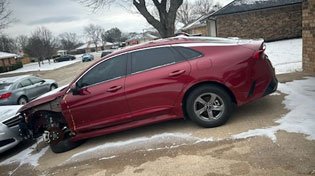
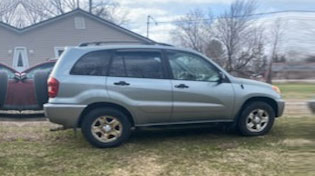
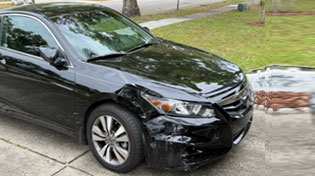
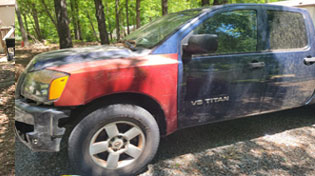
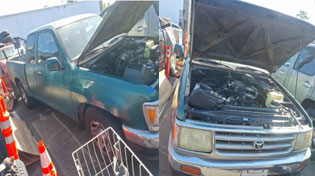
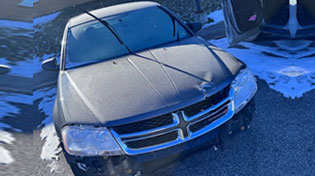
A junk car has no universal price. Its year, make, model, mileage, condition, remaining major parts, ownership documents, and location can all affect an evaluation. A complete non-running vehicle may present different salvage and loading considerations from a similar car with missing wheels or a removed engine.
Disclose major damage, missing parts, access restrictions, and ownership problems before any amount is finalized. Other sellers' payouts, especially from different states, do not establish your car's value.
If you are weighing repair against sale, compare a written repair estimate with the likely post-repair value and continuing storage costs. You can request an evaluation without committing to a transaction.
Junk, Damaged, and Non-Running Vehicles
ByeCar accepts inquiries about vehicles with mechanical failure, collision or hail damage, heavy rust, fire or water exposure, high mileage, or total-loss histories. Non-running vehicles can also be submitted.
Disclose whether it rolls and steers, missing parts, and any salvage, rebuilt, dismantled, or junk brand. Mechanical condition alone does not determine a title classification. Purchase eligibility is conditional. See ByeCar's damaged-car service for condition-specific information.
Vermont Title and Ownership Documents
Vermont's ownership requirements depend on the model year, the existing ownership record, liens, and any title brands. The state's document rules are separate from ByeCar's acceptance policy.
Older Vehicles and the July 2024 Title Change
Under the Vermont DMV Title Guide, a person who has a Vermont registration in their own name for a model-year 2009 or older vehicle is not required to obtain a title to sell it. The seller provides that registration certificate and a signed bill of sale as ownership documentation. This is a specific exception, not permission to sell any older car without proof of ownership.
The new owner must obtain a title when registering the vehicle in Vermont. For a buyer planning to register it in another state, Vermont DMV recommends that the seller obtain a title first because other states may require one. Vermont's transfer statute also addresses the seller's registration-certificate and transfer-record responsibilities. Before handing over a registration certificate as proof of ownership, confirm with DMV how to satisfy those seller-side requirements in this situation.
Lost Titles and Recorded Liens
If a required Vermont title is lost, stolen, destroyed, or illegible, eligible owners can use Replacement Title Application VT-004. Online replacement is available only if the last issued title listed no liens. If a recorded lien has been satisfied, provide evidence of its release, such as Form VT-008 or qualifying lienholder documentation. If the lien remains active, the lienholder must be involved in the replacement or transfer process. Do not assume ByeCar can pay off the loan or obtain a title for you.
Odometer Disclosure and Branded Vehicles
Under Vermont's Truth in Mileage Act guidance, model-year 2011 and newer vehicles generally require an odometer disclosure during the first 20 years. A properly completed conforming title can satisfy this requirement without a separate statement. Form VT-005 is available when a separate bill of sale and disclosure are needed.
Vermont also distinguishes salvage, rebuilt, dismantled (parts only), and junk brands. The DMV title-brand definitions specify that a junk-branded vehicle cannot be titled or registered again, while salvage and rebuilt vehicles follow different procedures. Disclose the exact status rather than assuming all branded vehicles can be transferred in the same way.

Preparing a Vehicle for Collection in Vermont
Provide the actual vehicle address and explain whether the car can be reached and loaded safely. Collection availability, equipment, scheduling, and possible costs need to be confirmed for the specific location.
Private Property and Loading Access
A rural driveway, gravel approach, gated lot, low-clearance garage, repair shop, or storage facility can create different access requirements. Tell the buyer whether there are usable wheels and keys, whether the car rolls and steers, and whether the property owner or storage operator must authorize release. Disclose storage charges or access restrictions before agreeing to collection.
Weather and Road Conditions
Snow, mud, seasonal restrictions, or a temporary road closure may affect safe access. Vermont's travel-information resources link to New England 511 for road conditions and construction updates. The state also cautions that GPS directions may be unreliable in rural areas. Confirm the correct entrance and current access conditions; do not assume ordinary purchase pickup includes roadside recovery or guaranteed service during a closure.
How a Junk Car Sale Can Proceed
- Submit the vehicle details. Start with the existing quote form and give the correct Vermont location.
- Discuss condition and ownership. Explain damage, missing parts, title or registration status, liens, and access restrictions. Further details may be requested.
- Review any proposed offer. Confirm its conditions, required documents, pickup availability, possible charges, and payment arrangements before deciding.
- Complete the agreed handover. Use the applicable transfer documents, confirm the payment terms, and keep copies of your records.
A quote request does not guarantee an offer, purchase, pickup date, or payment deadline.
Seller Steps After the Transaction
Remove your Vermont license plates before handing over the vehicle. Under 23 V.S.A. § 321, registration expires on transfer, and the law addresses registration-certificate handling and the transfer or return of plates. The Vermont DMV plate FAQ says returning plates is generally not required. Because the published statute and FAQ do not describe the return procedure in the same way, confirm with DMV what applies to your transaction, particularly if you plan to transfer your plates or use an older registration certificate as ownership documentation.
Keep signed transfer documents, the bill of sale, any lien-release paperwork, and evidence of notifying DMV of the ownership change. For any applicable registration cancellation or refund request, review the DMV procedure, including Form VD-170 and its supporting-document requirements. Confirm the appropriate insurance follow-up. Do not assume the buyer completes your seller-side DMV steps.
Confirm Your Offer and Collection Terms
Offer amount: Ask whether the proposed amount depends on inspection or the vehicle matching your description.
Collection: Confirm the exact address, access requirements, towing or storage charges, and any scheduling conditions.
Payment and documents: Confirm the payment method and timing, required signatures, and when possession will be transferred. Keep a record of the agreed terms.
Vermont and Other Service Areas
Provide the vehicle's actual Vermont location when requesting an evaluation. For broader coverage information, visit ByeCar's national junk-car service directory. If you have questions about the information to submit, contact ByeCar.
Request an Evaluation for Your Vermont Vehicle
Have the car's condition, location, and ownership information ready, then request a quote using the existing form. Review any proposed terms before deciding whether to sell.
Frequently Asked Questions About Selling a Junk Car in Vermont
Can I sell a 2009 or older Vermont vehicle without a title?
If you have a Vermont registration in your name for a qualifying model-year 2009 or older vehicle, DMV permits you to provide that certificate and a signed bill of sale instead of a title. The new owner's titling requirements are separate, and DMV recommends obtaining a title when the buyer will register the vehicle outside Vermont. Because state law also addresses seller-side registration records after a transfer, confirm the required handling of the certificate and sale notice with DMV.
What if my Vermont title is missing or there is still a lien?
Eligible owners can request a replacement using Form VT-004. Proof of release is needed for a satisfied recorded lien, while an active lien requires lienholder involvement. Do not rely on a bill of sale as a universal title substitute.
Can a salvage, rebuilt, or junk-branded vehicle be evaluated?
You can disclose its status in a request. Vermont treats these brands differently. A junk-branded vehicle cannot be titled or registered again, and any proposed purchaser must be able to accept the vehicle with its applicable documents.
Do I need an odometer disclosure?
For model-year 2011 and newer vehicles, Vermont generally requires disclosure during the first 20 years. A correctly assigned conforming title usually satisfies it; a separate statement may be needed in other transactions.
Can pickup be arranged at a rural property, and is towing free?
Availability and charges need to be confirmed. Provide the address, property permissions, driveway or gate restrictions, and whether the car can roll and steer. No free pickup or collection time is guaranteed by this page.
What happens to my plates, registration, and payment?
Remove the plates before handover. Vermont DMV says plates generally need not be returned, but 23 V.S.A. § 321 addresses additional registration and plate-transfer steps. Confirm the applicable procedure with DMV. For a separate cancellation or refund request, review Form VD-170 and the required documents. Confirm payment terms before releasing the vehicle and retain your records.

