

 Over 25,000 cars purchased nationwide

Looking to sell your junk car for $1,000? The amount is a useful question, not a guaranteed payout. One vehicle may receive an offer below $1,000, another may be valued around that figure, and another may be worth more. The difference depends on the specific car, what remains usable, the extent of damage, demand for parts or salvage, and the cost and feasibility of collection. Understanding those factors can help you decide whether an offer makes sense.
Can a Junk Car Really Be Worth $1,000?
Yes, a junk car can have enough remaining value to support an offer around $1,000, but the number cannot be established from its age or condition label alone. A buyer may consider whether the car can be repaired, whether major components can be reused, and what recyclable material remains. A non-running vehicle is not automatically worthless; a car that still runs is not automatically a four-figure purchase.
A meaningful offer requires details such as the year, make, model, mileage, damage, missing parts, ownership status, and location. The result could be below, near, or above $1,000. The amount shown in this page's headline is not a minimum or a promise to purchase your vehicle.

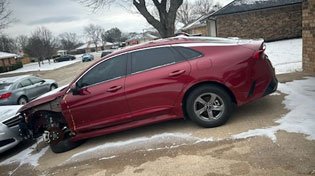
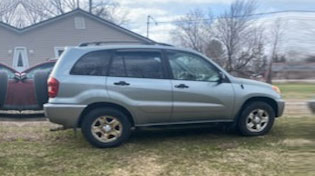
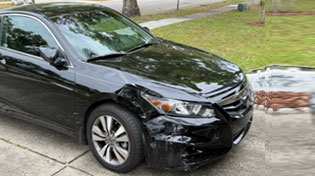
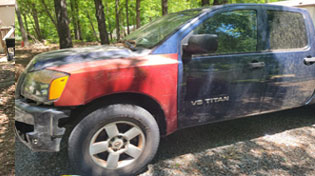
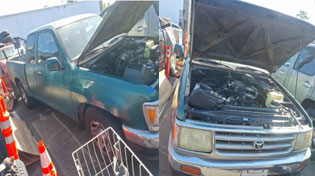

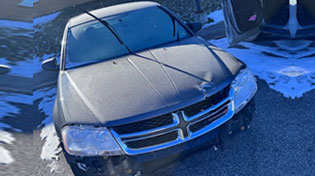
Which Junk Cars Might Receive Offers Around $1,000?
There is no dependable checklist that guarantees a four-figure offer. These examples show how different conditions affect an evaluation, rather than predicting a price.
| Vehicle situation | Why it matters | What to disclose |
|---|---|---|
| Non-running but mostly complete | The engine may not operate, but other components may remain usable. | Whether it starts, rolls, steers, and has its major parts. |
| Collision-damaged | Damage concentrated in one area may leave other components intact. | Impact location, airbag deployment, and known structural damage. |
| High-mileage but operating | Mechanical operation may support repair or resale interest, depending on overall condition. | Mileage, warning lights, rust, and known repairs needed. |
| Flood- or fire-damaged | Electrical, interior, structural, or contamination damage may limit recoverable value. | Extent of exposure, affected systems, and whether it runs. |
| Missing major components | Removed engines, transmissions, or emissions parts change what remains to be recovered. | Exactly what is missing and whether the vehicle can be loaded. |
Even serious damage does not tell the whole story. If your main concern is the vehicle's condition, see our guide to selling a damaged car. An evaluation still depends on the individual vehicle and the transaction's practical requirements.
Why Similar Junk Cars Can Receive Different Offers
Repair or resale potential. Some vehicles may still be repairable or useful as complete salvage vehicles. The cost of repairs, actual demand, and damage severity matter more than whether an owner calls a car "junk."
Usable parts. An intact engine, transmission, body panels, electronics, or other components may affect value when there is demand for them. Presence alone does not prove that a component works or will increase an offer by a set amount.
Recyclable materials. A heavily stripped vehicle may be evaluated largely for recoverable metal, while a more complete one might have value through several channels. Scrap prices are not the same as a guaranteed purchase price for an entire car.
Location and collection. The buyer must consider where the car is stored and whether it can be safely accessed and loaded. A vehicle in an impound yard or behind a locked gate raises different practical questions from one parked in an accessible driveway.
Missing components and market demand. A missing catalytic converter can affect the offer, but there is no universal deduction. ByeCar's catalytic converter value research explains why a converter's metal content, separate scrap price, and contribution to a whole-car offer are different things.
How Is a $1,000 Evaluation Different From a $500 Evaluation?
The two amounts are possible outcomes, not official condition grades. A mostly stripped car may have fewer ways to retain value than a complete vehicle with usable parts, but neither description establishes a $500 or $1,000 offer. Model demand, damage, location, and collection terms may change the result. Even two cars of the same model year can be evaluated differently.
If your car is mainly being considered for scrap or has substantial missing parts, our guide to possible $500 junk-car offers addresses that lower-dollar question. You do not need to choose a price category before asking for your own vehicle to be evaluated.

What Documents Do You Need to Sell a Junk Car?
A buyer needs a lawful way to receive ownership of the vehicle. Be ready to identify the titled owner, describe any lien, and provide the documents required for the specific state and transaction. A properly assigned title is commonly important; a bill of sale alone is not a universal substitute for a required title. A lost title, electronic title, salvage brand, or existing loan may require additional steps before a sale can be completed.
If you do not know your state's rules, start with the official USAGov directory of state motor vehicle agencies. The New York DMV's title guidance, for example, explains duplicate titles and lien releases. Do not assume a buyer can automatically remove a lien, accept an unsigned title, or complete every required seller notice on your behalf.
What to Share Before Your Vehicle Is Evaluated
The existing ByeCar inquiry form asks for basic vehicle and contact details. To help with any follow-up evaluation, have the following information ready:
- Year, make, model, approximate mileage, and the ZIP code where the vehicle actually sits.
- Whether the engine starts, and whether the vehicle rolls, steers, and has its wheels and keys.
- Collision, mechanical, frame, flood, fire, or other known damage, including missing parts.
- Title status, known title brands, whether the owner named on the title is available, and any outstanding lien.
- Whether the car is in a driveway, garage, repair shop, storage lot, or impound yard, and any loading or access restrictions.
Photos may be useful if requested through an appropriate submission channel. Describe issues you know about rather than guessing at the cause of a failure.
What Happens After an Offer? Check Pickup and Payment Terms
If an offer is proposed, review what it covers before accepting. Is the amount conditional on the vehicle matching your description or on further inspection? Are the ownership documents sufficient? Can the vehicle be collected from its actual location, and are there any pickup, storage, or release charges to resolve? Confirm who will collect the car and how and when the agreed payment will be made.
A published service area does not guarantee pickup at every ZIP code, address, or parking location. Confirm collection availability and the agreed transportation terms for your specific vehicle, including any costs you would be responsible for. An offer amount alone does not establish that removal is free or immediate.
Before the Vehicle Leaves Your Property
Remove personal belongings and retain a record of the agreed terms and transfer documents. Complete the title, plate, and seller-notification steps required for your transaction. For example, the California DMV requires a Notice of Transfer and Release of Liability within five calendar days in the circumstances it describes; filing that notice does not itself transfer ownership. The Texas DMV explains that filing a vehicle transfer notification within 30 days provides protection against specified parking and toll violations committed by the buyer. Check the rules that apply to your state and sale.
Value: $1,000 is a possible result, not a guaranteed minimum. The actual car must be evaluated.
Condition: Describe missing parts and damage accurately so any offer can reflect the vehicle presented.
Handover: Confirm the total amount, payment arrangements, ownership documents, and collection terms before releasing the car.
If you are comparing options beyond one price point, start with cash for junk cars for the broader service and location information.
Find Out What Your Junk Car May Be Worth
Provide your vehicle's year, make, model, ZIP code, and contact information through the existing form. Be ready to clarify its condition and ownership documents if requested. You can review any proposed offer and the related pickup and payment terms before deciding whether to sell. Your car may be worth less than $1,000, around that amount, or more.
Frequently Asked Questions
These answers address common questions about possible $1,000 junk-car offers. The details of an actual sale depend on the vehicle, its ownership records, and the agreed terms.
Can a non-running junk car still be worth around $1,000?
Possibly. A car that will not start may still have usable components or other salvage value. The engine problem, completeness, model demand, location, and collection requirements all matter. Non-running status alone neither guarantees nor rules out a four-figure offer.
Does a missing catalytic converter prevent an offer around $1,000?
Not automatically, but the missing component can reduce the remaining value and may indicate other exhaust damage. Tell the buyer whether the converter was removed or stolen and what else is missing. Read more about selling a car without a catalytic converter.
Can I sell my junk car if I have lost the title?
A missing certificate needs to be addressed under the rules of the state that issued or governs the title. You may need a duplicate or other legally accepted documentation; an ordinary bill of sale is not always sufficient. Disclose any lien and verify the requirements before planning a transfer.
Can the offered amount change after I submit the details?
Ask whether a proposed quote depends on photographs, document verification, inspection, or confirmation of the car's condition. Missing parts or damage not included in the original description could affect the evaluation. Confirm when the offered amount becomes final, and review any changes before agreeing.
Is towing included if I receive a $1,000 offer?
Do not assume that a particular offer guarantees free pickup. Ask whether collection is available for the actual address, whether loading conditions matter, and whether transport or storage charges apply. Confirm those terms alongside the proposed amount.
How and when would I get paid?
The term "cash for junk cars" describes a type of service; it does not promise physical currency or immediate payment. Confirm the available payment method, when payment will be provided, and any conditions before agreeing to transfer the vehicle. The payment arrangements should match the final offer and transaction documents.

