

 Over 25,000 cars purchased nationwide

Selling a Junk Car in Kansas: What to Know First
A Kansas car need not run to be submitted for evaluation. If it has engine trouble, collision damage, missing parts, or has been unused for a long time, start by describing its current condition. Purchase eligibility depends on condition, ownership documents, and location.
Have the year, make, model, mileage, and ZIP code ready. Explain whether the car starts, rolls, and steers. Mention missing wheels or major parts, any title branding, and whether a lien remains on the vehicle.
How the ByeCar Offer Process Works
- Submit the vehicle details. Complete the existing inquiry form and provide additional condition information or photos when requested.
- Allow for an evaluation. Vehicle details, documents, or an inspection may need review before an offer can be determined.
- Review the proposed terms. Confirm the amount, ownership requirements, possible collection arrangements and charges, and payment method and timing.
- Complete an agreed sale. Follow the applicable Kansas title procedure and confirm the handoff before releasing the vehicle or signed ownership documents.

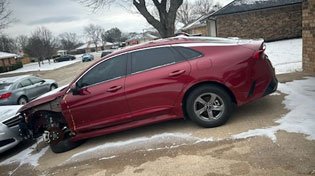
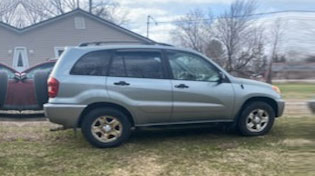
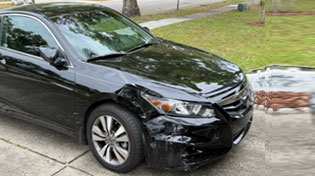
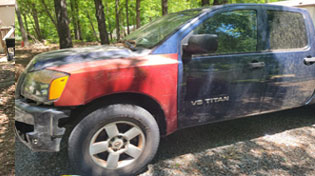
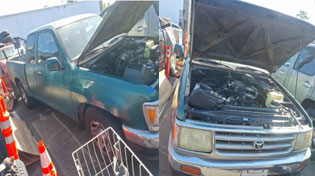

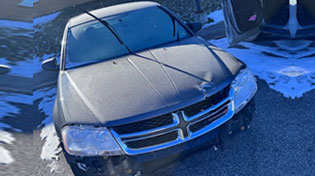
Junk, Damaged, and Non-Running Vehicles
You can submit a car with a failed engine or transmission, collision damage, severe rust, water or fire exposure, or other significant problems. A vehicle with missing wheels, a catalytic converter, or major mechanical components may also be reviewed. These examples do not guarantee that a purchase will be possible.
Describe the difference between a vehicle that starts but cannot drive and one that does not start or cannot be moved. These details matter for evaluation and possible collection. See the guides to selling a non-running car and selling a damaged car for related situations.
What Affects a Junk Car Offer in Kansas?
An offer depends on the particular vehicle rather than a statewide advertised price. Relevant factors include:
- Vehicle details: Year, make, model, mileage, and configuration.
- Operating condition: Whether it starts, drives, rolls, or steers, and the extent of mechanical, collision, structural, or water damage.
- Missing components: An engine, transmission, catalytic converter, wheels, or other significant parts.
- Title and lien status: Whether ownership can be transferred, a lender is recorded, or the title is branded.
- Collection access: The vehicle's location, parking restrictions, and what safe loading may require.
Another vehicle's advertised price is not an estimate for yours. Compare any actual offer with realistic repair costs and uncertainty.

Kansas Title and Ownership Requirements
Kansas title requirements depend on the vehicle's ownership record and whether the transaction is an ordinary sale or involves a specially classified vehicle. State transfer rules are separate from ByeCar's purchase-eligibility decisions.
Title Assignment and Notarization
For an ordinary Kansas paper-title transfer, the assignment must identify the purchaser and include the sale date, price, required signatures, and odometer information when applicable. If owners are joined by and, all must sign; with or or and/or, either may sign. Kansas treats owner names with no connecting word as joined by and. Do not hand over an incompletely assigned title. The Kansas Division of Vehicles title guidance and title FAQ explain these rules. Most Kansas title assignments do not require notarization, but Kansas lienholders must notarize lien releases and certain lienholder consents.
Electronic Titles, Missing Paper Titles, and Liens
When a lien is recorded, Kansas generally holds the title electronically; the absence of a paper certificate in that situation does not mean it was lost. A clear paper title normally requires the appropriate lien release. If a lien-free paper title is genuinely lost, mutilated, or illegible, the titled owner can request a replacement using Form TR-720B. Follow the Kansas title FAQ and lien guidance for the correct procedure. Do not assume a bill of sale alone will transfer an ordinarily titled vehicle, or that ByeCar can arrange a lender payoff.
Salvage, Rebuilt Salvage, and Nonrepairable Vehicles
Kansas treats salvage and rebuilt-salvage titles differently from nonrepairable vehicle certificates. Under K.S.A. 8-198, a rebuilt-salvage title has specific restoration and inspection requirements; a salvage title alone does not establish that a vehicle may be driven on public roads. Under K.S.A. 8-135c, a vehicle with a nonrepairable certificate cannot be titled or registered for road use. Ownership may be transferred only once under that certificate, after which the vehicle must be dismantled, disassembled, or recycled rather than sold as a complete vehicle at retail. The law permits a qualifying nonrepairable certificate to transfer a vehicle ten or more model years old when the owner does not have the title in hand. This is not blanket permission to sell without ownership documentation or a guarantee that ByeCar can purchase the vehicle. Disclose the actual title status before discussing eligibility.
License Plates and Seller Notification
The Kansas Division of Vehicles instructs sellers to remove license plates when a vehicle is sold or disposed of and recommends keeping copies of both sides of the completed title assignment. After the assigned title has been delivered to the purchaser, a seller may submit Seller's Notification of Sale, Form TR-216, with the required fee to update the state's owner record. A separate TR-216 notification is not needed when the seller transfers or surrenders the registration through the county treasurer's motor vehicle office. Keep the transaction records. This notification does not replace a properly assigned title or another required ownership document.
Preparing Your Vehicle for Pickup
Explain where the car is parked, including any driveway, apartment garage, repair shop, storage yard, gate, or narrow access. Report if it has locked steering, flat or missing tires, cannot roll, or is blocked by another vehicle. Collection may require permission to enter private property or suitable loading equipment; availability and charges must be confirmed rather than assumed.
Remove personal belongings, toll transponders, registration and insurance documents, and license plates before the agreed handoff. Have the applicable title or ownership documents and available keys ready. Do not try to move an unsafe vehicle onto a public road for collection.
Three Things to Confirm Before Handoff
- Documents: The purchaser's legal details, title assignment, lien status, and any special ownership procedure.
- Vehicle access: The exact address, ability to roll and steer, missing parts, and property restrictions.
- Transaction terms: The agreed amount, any transport charges, collection arrangements, and payment method and timing.
Kansas Service Areas
This statewide page is for inquiries about vehicles located in Kansas. Use the dedicated Kansas City, Kansas, Olathe, Overland Park, and Wichita pages when relevant. Kansas City, Kansas is distinct from Kansas City, Missouri, including for title requirements.
For other Kansas locations, provide the actual ZIP code, parking address, and vehicle condition so availability can be assessed. An inquiry does not establish pickup access to every property. For vehicles outside Kansas, visit the national junk-car service directory.
Request an Offer for Your Kansas Car
Submit the vehicle information through the existing offer form. If you need to explain a title problem, missing components, or difficult pickup access, you can contact ByeCar. Review any proposed amount, paperwork, pickup conditions, and payment terms before deciding to sell.
Frequently Asked Questions About Selling a Junk Car in Kansas
Can I request an offer for a Kansas car that does not run?
Yes. Submit its condition and location for evaluation, including whether it rolls and steers or is missing major components. An inquiry does not guarantee purchase or collection.
Does a Kansas title assignment require notarization?
Most ordinary Kansas title assignments do not require notarization. Kansas lienholders must notarize lien releases and applicable lienholder consents, and unusual transactions may need additional documents. Check the title and the Kansas Division of Vehicles instructions before signing.
What if my Kansas title is missing or held electronically?
A lost lien-free paper title can generally be replaced using Form TR-720B. If a lien is on record, Kansas normally holds the title electronically until the appropriate release is processed. Explain the situation and confirm the documents required for the actual purchaser.
Can a salvage or nonrepairable vehicle be evaluated?
You can submit the vehicle's title designation and condition for review. Kansas restricts transfers and road use of nonrepairable vehicles differently from salvage or rebuilt-salvage vehicles. Submission does not establish eligibility or bypass the applicable rules.
What should I do with my Kansas plates and sale records?
Remove the plates and keep copies of both sides of the assigned title. After delivering the assigned title to the purchaser, you may file Form TR-216 with the required fee. That separate filing is unnecessary if you transfer or surrender the registration through the county treasurer's motor vehicle office. Follow the Kansas Division of Vehicles instructions for your transaction.
How are pickup charges and payment confirmed?
Before accepting an offer, confirm whether collection is available, any transport charge, the proposed amount, and the payment method and timing. The phrase "cash for junk cars" does not guarantee physical cash or payment at pickup.