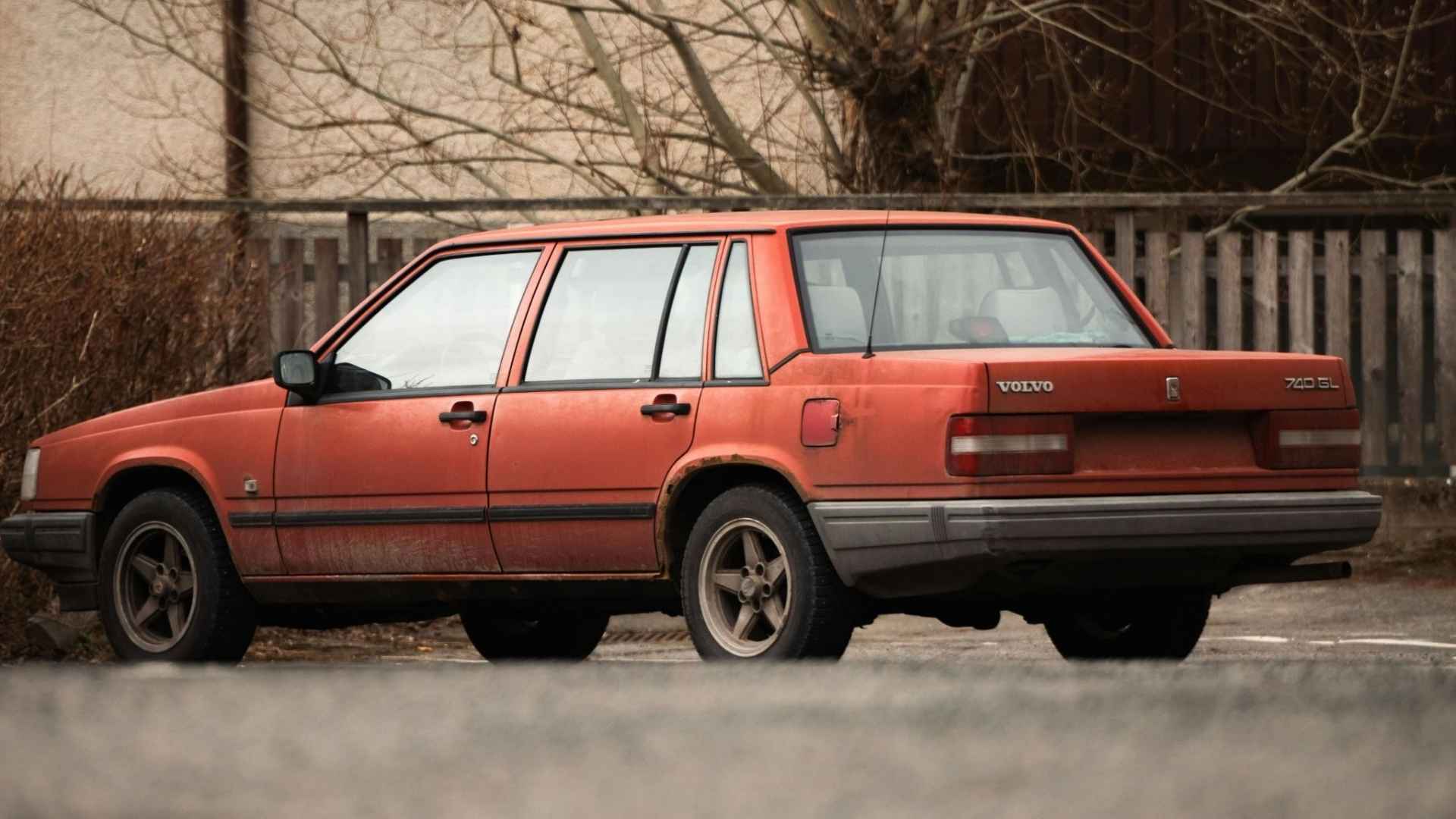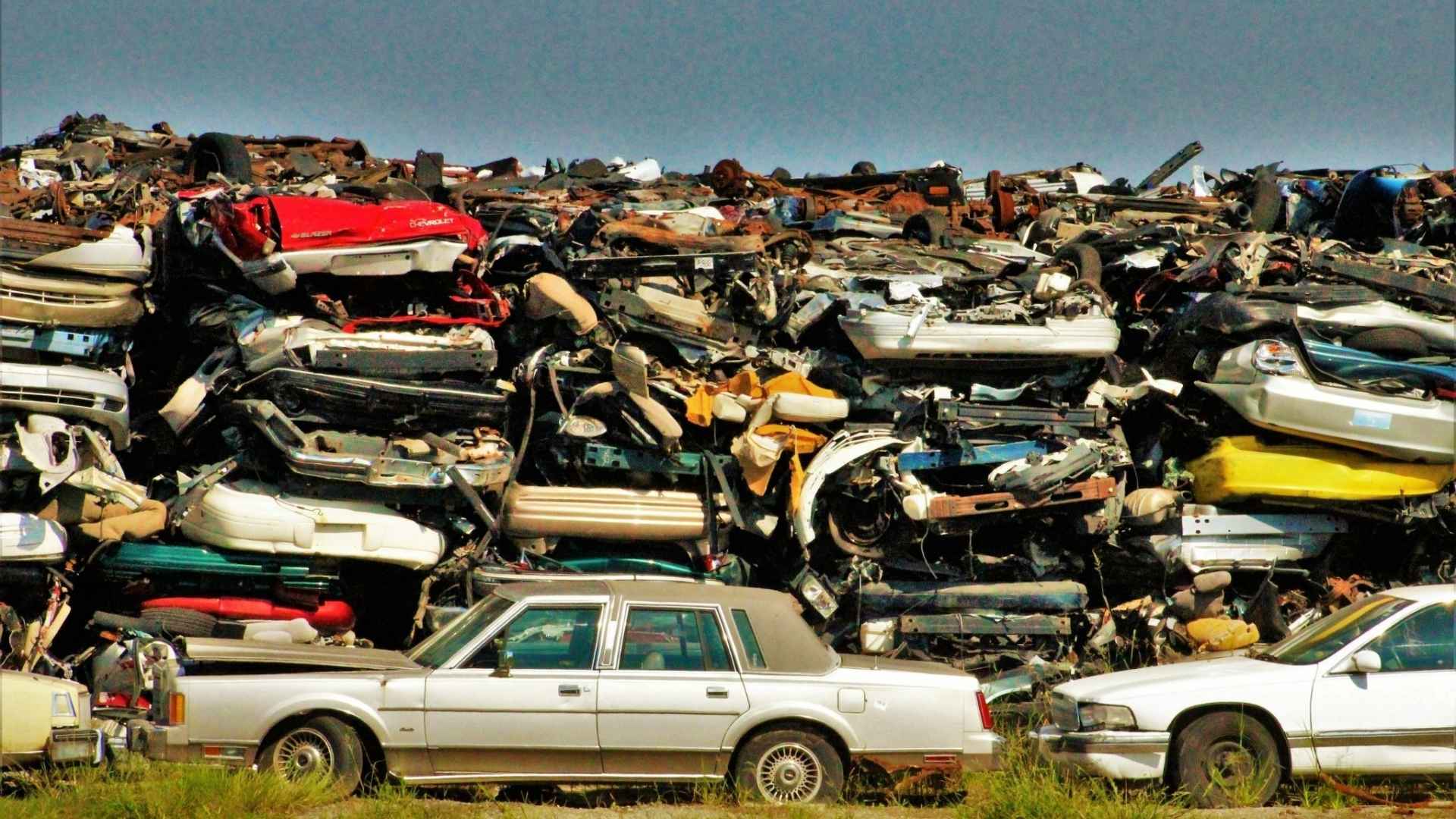

A car that no longer runs can still have value. But a junk car's value is not determined by its age, weight, or visible damage alone. It depends on what a buyer can reasonably recover from that specific vehicle and on the terms of the sale. Understanding those differences helps you describe your car accurately, evaluate quotes, and avoid confusing a scrap estimate with the amount you may actually receive.
What Does Junk Value Mean for a Car?
Junk-car value is the amount a buyer is prepared to offer for a vehicle in its current condition, taking into account the uses that remain possible for it. A vehicle may no longer be economical to repair for daily transportation but could still have reusable components, recyclable materials, or value to someone seeking a repair project.
It is not a guaranteed minimum price. Two buyers can assess the same car differently, and either buyer's offer may depend on an inspection, available paperwork, and collection arrangements.
A car described as "junk" also does not automatically qualify for every buyer's program. Severe fire or flood damage, missing components, an unresolved lien, or difficult access may change which options are available.
Junk-Car Value vs. Scrap-Metal Value vs. Resale Value
Scrap-metal value estimates what a vehicle's recoverable materials might be worth. A whole-vehicle junk-car offer is what a particular buyer is prepared to pay for that car, taking its condition, remaining components, recovery costs, and transaction terms into account. A repair-project buyer may value the possibility of restoring the car instead of dismantling it.
These are different ways to assess value, not guaranteed price levels. Adding up advertised prices for individual parts will not produce a dependable whole-car offer. For material-weight calculations and a worked example, use ByeCar's car scrap value guide. The sections below focus on why assessments of the complete vehicle differ.
What Factors Affect the Junk Value of a Car?
Make, model, year, and demand for parts
A vehicle's identity tells a buyer which engine, transmission, electronics, body panels, and other components it might contain. Parts demand differs among models and configurations. A widely used part may have an established replacement market, while an uncommon component might have fewer prospective buyers. Neither situation guarantees a better quote.
Trim, engine type, mileage, and past repairs can be relevant when they help identify components or assess their condition. A year and model alone cannot establish a reliable purchase amount.
Mechanical condition and missing components
There is an important difference between a car with an engine that will not start and a car with no engine installed. In the first case, some assemblies may still be present for assessment; in the second, they are absent. The same distinction applies to transmissions, wheels, batteries, electronic modules, and catalytic converters.
A working component does not automatically add its full used-parts retail price to an offer. Buyers may need to inspect, remove, test, store, and eventually sell it. If a part is missing, disclose that before requesting a quote. ByeCar's catalytic converter value study explains why the value of a converter as a component differs from its effect on a whole-car offer.
Collision, flood, fire, and structural damage
Damage changes what may be safely recovered. A collision might destroy front-end components while leaving other assemblies intact. Flood exposure can affect wiring, electronics, and safety systems in ways that are not immediately visible. Severe fire damage or corrosion can make recovery harder or eliminate parts that would otherwise be useful.
Describe both the known damage and any uncertainty. A vehicle's ability to start does not prove that its components are reusable or that it is safe to drive. A buyer may take a different view after seeing photos or inspecting the car.
Materials, local demand, and recovery costs
Steel, aluminum, copper, and other recyclable materials can contribute to a vehicle's value, but its curb weight is not the same as the amount of recoverable metal. Material grades, local processing options, and buying rates vary. A buyer assessing the complete vehicle also has to account for handling, processing, and the risk that some components will not sell.
This is why adding up online listings for an engine, wheels, and catalytic converter does not produce a defensible junk-car offer. Listings represent asking prices for individual items, not the net proceeds from processing an entire vehicle.
Location and collection access
The same car may attract different terms depending on where it is located and how it can be collected. Distance, available transport, restricted parking, blocked wheels, missing keys, or a vehicle stuck in a confined area can affect a buyer's costs or ability to arrange collection. Tell buyers about access restrictions early rather than assuming the original quote includes every retrieval situation.
Why Can Similar Junk Cars Receive Different Offers?
A recycler, a parts dismantler, and a buyer interested in a repair project may all look at the same vehicle but value different potential uses. Their available transport, processing costs, and demand for particular components can also differ. This does not mean one type of buyer always pays more.
These examples are hypothetical, not ByeCar transactions, actual quotes, or guaranteed price rankings.
| Vehicle situation | Detail affecting the assessment | What the seller should disclose |
|---|---|---|
| A sedan that will not start but still has its engine and transmission | Having components installed is not the same as knowing they work. | Whether the engine cranks, any known diagnosis, and whether the vehicle moves under its own power. |
| A similar sedan missing its converter and two wheels | Missing parts may affect recovery value; missing wheels can separately affect loading. | Which parts were removed, whether the car rolls, and where it is parked. |
| A collision-damaged SUV with apparently intact mechanical components | Visible condition does not establish whether parts were damaged internally. | The impact area, deployed airbags, fluid leaks, and what remains unknown. |
A preliminary assessment may rely on a description or photos, while a later inspection can reveal information that changes the buyer's judgment. Ask whether the proposed amount depends on any assumptions that have not yet been checked.
How to Compare Junk-Car Offers Without Surprises
Compare offers based on the same vehicle description and location. The first question is whether each amount is a preliminary estimate or an offer made under defined conditions. A number is not especially useful if the buyer has not considered a missing component, an inaccessible parking space, or incomplete ownership documents.
| What to clarify | Question to ask before agreeing |
|---|---|
| Vehicle identity | Is the quote based on the correct year, model, engine or trim, and condition? |
| Known problems | Have missing parts, flood or collision damage, and non-running status been included? |
| Possible adjustments | Is an inspection required? Which specific discrepancies could change the amount? |
| Collection conditions | Does the arrangement cover the car's actual location, access, and ability to roll or steer? Are there seller-paid charges? |
| Ownership | What documents are required, and what actions remain the seller's responsibility? |
| Amount and payment | What is the amount after any seller-paid costs, how will payment be made, and when will the terms be confirmed? |
Keep a record of the vehicle details supplied and any written terms. If an amount changes after an inspection or at collection, ask why and review the revised terms before deciding whether to proceed. Comparing net proceeds and conditions, not just headline figures, makes competing quotes easier to evaluate.
What Information Should You Prepare Before Requesting a Quote?
A more accurate description helps a buyer assess the right vehicle instead of making assumptions. Prepare the year, make, model, trim or engine type if known, approximate mileage, and the ZIP code where the car is located. Explain whether the engine starts, whether the vehicle moves under its own power, and whether it rolls and steers for loading. Mention flat tires, missing wheels, or blocked access, but do not test-drive an unsafe vehicle to obtain this information.
Note major defects, past flooding or fire exposure, collision damage, and parts that have been removed. Photos of the exterior, interior, damaged areas, and missing components can be useful if the buyer requests them. Tell the buyer whether you have the title, whether a lien remains, and whether the car is parked somewhere that could complicate collection.
Remove personal belongings before a confirmed handoff and identify any known fuel or fluid leaks. Do not drain vehicle fluids, handle refrigerants, dismantle airbags, or remove hazardous components as a routine selling step. The EPA's guidance for processing end-of-life vehicles explains why these materials require appropriate handling.
How Do Titles, Liens, and Insurance Claims Affect a Sale?
The vehicle's potential recovery value is separate from the seller's ability to transfer it legally. A correctly assigned title can simplify a sale. A lost title, unresolved ownership dispute, lien, or insurer-owned salvage may require additional steps. Do not assume a bill of sale replaces a title or that permission to transfer an untitled vehicle is the same in every state.
Rules vary by jurisdiction. For example, the California DMV generally requires a Notice of Transfer and Release of Liability within five calendar days of a covered transfer and delivery of possession; the notice itself does not complete the title transfer. The Texas DMV provides a different Vehicle Transfer Notification procedure, with a 30-day filing window relevant to specific protections against later parking and toll violations. These examples are not nationwide rules. Check the relevant motor-vehicle agencies for the registration and transfer circumstances, and keep your documents and confirmation records.
If a lender has a legal interest in the vehicle, ask the lienholder what release or authorized transfer process is required. Neither state-law exceptions nor general selling advice establish that ByeCar will pay off a loan, buy a vehicle without a title, or complete every seller obligation.
If an insurer has declared the vehicle a total loss, confirm who owns the salvage before offering it to another buyer. The National Association of Insurance Commissioners explains that an insurer may take title when settling a claim and may be entitled to the vehicle's salvage value; owners may sometimes negotiate to retain the vehicle. A settlement with owner-retained salvage may account for that salvage value. Do not assume you can receive an insurance settlement and independently sell the same vehicle without first checking the settlement, ownership, and title conditions.
Common Misconceptions About Junk-Car Value
"A non-running car is worthless." Not necessarily. It may still contain reusable components or recyclable materials. The amount depends on the specific vehicle and buyer.
"A car is worth the sum of its parts listings." Not usually. Individual asking prices do not account for testing, unsold inventory, removal work, or disposal expenses.
"The highest initial quote is always the best deal." Not necessarily. Compare the amount actually payable, conditions for adjustment, collection charges, documents, and payment arrangements before deciding.
Want an Assessment for Your Vehicle?
If you are considering selling rather than keeping the car, you can request a vehicle quote through ByeCar's junk-car service page. Share the car's known condition, missing parts, and collection circumstances. Submitting vehicle details is not a guaranteed purchase or payout. Confirm the offer, ownership requirements, collection arrangements, and payment terms before agreeing to transfer the vehicle.
Frequently Asked Questions About Junk-Car Value
Can two cars of the same year, make, and model have different junk values?
Yes. Mileage, damage, missing components, title status, location, and buyer requirements can differ even when the vehicles share a model year. A meaningful comparison needs more than the make and model.
Is junk-car value the same as scrap-metal value?
No. Scrap-metal value concerns recoverable materials. A whole-vehicle offer can also reflect potential reusable components, buyer costs, and collection terms. Neither figure is a guaranteed minimum payout.
Can a car with a blown engine still have value?
Yes, it may. The engine might be unusable while other components and materials remain recoverable. Whether the engine is still installed, what caused the failure, and what else is damaged can influence an assessment.
Does a missing catalytic converter make a car impossible to sell?
Not automatically. Some buyers may consider an incomplete vehicle, while others may have restrictions. Disclose the missing part and any related exhaust damage. For the condition-specific selling questions, see selling a car without a catalytic converter.
Can a vehicle with a salvage title have junk value?
Yes. A salvage title describes a title status; it does not eliminate all potential materials or parts value. Whether a specific buyer can complete the purchase depends on the applicable rules, documentation, and vehicle circumstances.
Is an online junk-car quote always the final payment amount?
No. Some quotes may be conditional on accurate vehicle details, inspection, documentation, or collection arrangements. Ask what may change the amount and how the final payment will be confirmed before you accept.
Before You Decide
A useful assessment starts with the complete vehicle, not only its weight or advertised part prices. Give buyers consistent, accurate information, ask which conditions could change an offer, and resolve any ownership questions before handoff. For related guidance, explore ByeCar's junk-car resources.