

 Over 25,000 cars purchased nationwide

How Selling a Junk Car in Boston Works
Request an evaluation for a junk, damaged, or non-running car in Boston by describing its condition and location. Accurate details and clear transaction terms matter more than guessing its value.
1. Share your vehicle details
Provide the year, make, model, ZIP code, and contact details. Explain whether the car starts, rolls, and steers. Photos or ownership details may be needed.
2. Review the evaluation
ByeCar can review the details to determine whether an offer is available. Confirm if further photos or an inspection are needed.
3. Confirm the documents and location
Identify the titled owner and any lien. Confirm collection availability, access requirements, and potential charges at the vehicle address.
4. Complete the agreed transaction
Before proceeding, confirm the final amount, payment and pickup terms, and required signatures. Keep sale records and complete applicable Massachusetts seller tasks.

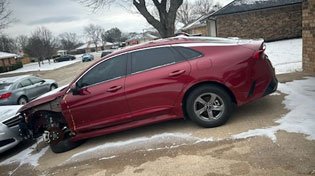
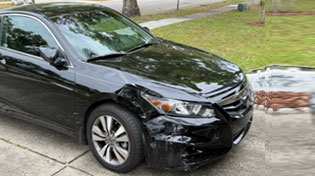
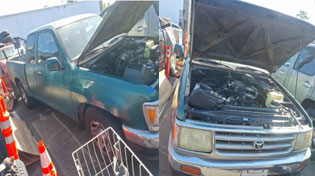


Junk, Damaged, and Non-Running Vehicles We Can Evaluate
A vehicle does not need to be roadworthy to request an evaluation. Disclose major faults and missing components, including:
- Engine or transmission failure, electrical problems, or a car that will not start.
- Collision damage, severe rust, or problems affecting the body or frame.
- Flood or fire damage, a salvage title, or an older vehicle no longer worth repairing.
- Missing wheels, battery, catalytic converter, engine, transmission, or other major parts.
Condition affects both evaluation and collection. Damaged steering, locked wheels, leaking fluids, or a missing drivetrain may limit collection options. Not every incomplete vehicle will qualify.
If mechanical failure is the main issue, see selling a broken car in Massachusetts. For extensive collision or other damage, see ByeCar's damaged-car service.
What Affects a Junk Car Offer in Boston?
No fixed amount applies to every Boston junk car. A possible offer depends on the particular vehicle and transaction.
The make, model, year, mileage, engine and transmission condition, missing parts, accident damage, and potential for reusable components can all matter. Title and lien status, the vehicle's exact location, and the equipment needed to move it may also affect the transaction.
A complete car with a failed engine differs from one stripped of major parts. Neither has a reliable fixed value without review.
When comparing proposals, ask whether the amount is conditional, whether an inspection can change it, and whether any collection or other charges apply. The final agreed terms matter more than a headline price claim.
Preparing for Junk Car Pickup in Boston
The exact location of a disabled vehicle matters. A car in an open driveway may be straightforward to access, while one in a low-clearance garage, narrow street, gated courtyard, or commercial parking facility may require different arrangements.
Tell the buyer whether the vehicle has keys, all four wheels, working steering and brakes, and whether it can roll. Disclose flat tires, leaking fluids, collision damage, or anything that could make loading unsafe. Do not attempt to move an unsafe car into traffic just to prepare for collection.
Check property access before arranging collection
If the car is at a repair shop, apartment building, private garage, or storage yard, confirm who may authorize its release. Ask about access hours, storage fees, and any restrictions affecting loading equipment. If the vehicle is already in a municipal or private tow lot, establish its release status first.
Boston parking rules can also affect where collection can take place. A resident parking permit does not override posted street-cleaning, temporary no-parking, or other restrictions. Provide the actual pickup address and ZIP code, then confirm availability, equipment, possible charges, and timing for that location rather than assuming citywide coverage.
Boston Parking, Street Cleaning, and Abandoned Vehicles
What the 72-hour rule means
The City of Boston's towing guidance says it can take possession of a vehicle left on a City street for more than 72 hours if a resident complains or the vehicle poses a safety hazard. A vehicle is not automatically considered abandoned merely because it remains parked for that period.
If the City places a green abandonment sticker on your vehicle, its guidance says to remove the car from the public way promptly and correct the problems identified. If the vehicle has already been towed, contact the Boston Tow Lot at 617-635-3900 to check its status and release requirements before arranging a private collection.
Check street-cleaning and temporary restrictions
Boston's street-cleaning schedule runs during the daytime from April through November in most neighborhoods. In the North End, South End, and Beacon Hill, daytime sweeping generally runs from March through December. Nighttime street sweeping operates year-round on designated roads.
Always follow the posted signs for your particular street. Street-cleaning restrictions, temporary no-parking notices, and snow-emergency rules may affect whether a vehicle can remain parked while sale arrangements are being discussed. Do not assume that a permit or a pending quote allows the car to remain in a restricted space.

Massachusetts Title and Junking Requirements
Title, ownership, and liens
For an ordinary vehicle transfer, Massachusetts generally requires a properly assigned certificate of title. The Massachusetts RMV title guidance identifies a limited exemption for passenger vehicles from model year 1980 or earlier that were purchased before November 26, 1990. Both conditions matter. An old model year alone does not make a vehicle title-exempt.
If that exemption applies, the previous registration and a bill of sale may be needed to document a transfer. For actual junking of an age-exempt vehicle, the RMV accepts the last registration as ownership evidence. These rules do not mean that registration is a substitute for a required title on a newer or otherwise non-exempt vehicle.
If a required title is lost or damaged, review the RMV replacement-title process. Resolve recorded liens with the lienholder and confirm which owners must sign before proceeding.
What happens when a vehicle is actually junked?
A sale to a vehicle buyer and a vehicle being formally junked are not necessarily the same legal event. Under the RMV junk-vehicle rules, the party taking possession for the purpose of junking or scrapping must surrender the title, salvage title, or accepted alternative ownership document to the RMV for cancellation within 10 days of receiving the vehicle.
The RMV requires its junking form or, for an eligible salvager or recycler, the prescribed stamp. A vehicle recorded as JUNK cannot be titled or registered again in Massachusetts.
Confirm which party is receiving the vehicle, which documents are required, and who is responsible for the applicable filing. Do not assume ByeCar performs every RMV action or can accept a vehicle without the required proof of ownership.
After the Sale: Registration, Plates, and Excise
Cancel or transfer the registration as appropriate
If you are not transferring your Massachusetts registration to another vehicle, use the RMV registration-cancellation process. Keep the cancellation receipt and share it with your insurer so the policy can be updated appropriately. Once the registration is canceled, the car cannot legally be driven on public roads under that registration.
Canceled Massachusetts plates do not need to be returned to the RMV. Destroy or recycle them as directed, and remove belongings before handover.
Check whether an excise-tax abatement applies
After selling or otherwise disposing of a vehicle, you may qualify for a motor vehicle excise abatement if the required ownership and registration conditions are met. Canceling registration alone does not qualify you.
Keep the bill of sale or other proof of disposal, along with your RMV cancellation receipt or evidence that you transferred the registration. If Boston assessed the excise, consult the City's application instructions and deadlines. An abatement must be requested; it is not automatic.
What to Confirm Before Accepting an Offer
Before committing to a transaction, confirm three things:
1. Ownership: Who is authorized to sign? Is the title available or legally exempt? Are any liens or other ownership restrictions unresolved?
2. Collection: Can the vehicle be reached safely at its current address? Does it roll and steer? Who will arrange transport, and are any towing, storage, or special-equipment charges involved?
3. Final terms: What is the agreed amount? Can inspection or a difference in condition change it? How and when will payment occur, and which documents will each party keep?
For statewide vehicle-selling requirements and other Massachusetts locations, see the Massachusetts junk-car service page.
Request a Quote for Your Boston Junk Car
Share the car's year, make, model, condition, ZIP code, and ownership details through the quote form, or contact ByeCar using the listed phone number. Mention any access restrictions or title problems at the outset. If an offer is available, review the complete payment and collection terms before deciding whether to proceed.
Frequently Asked Questions About Selling a Junk Car in Boston
Can I request an offer for a Boston car that does not run?
Yes. Disclose its mechanical problems, missing parts, and whether it rolls or steers. An offer and collection depend on the vehicle and location.
Can a car be collected from a narrow street, garage, or repair shop?
Possibly, depending on access, permission, vehicle condition, and equipment. Disclose clearance, gate, storage, and release restrictions.
What if my car has a Boston abandoned-vehicle notice?
A green sticker identifies a vehicle the City considers abandoned. Boston directs owners to remove the car from the public way and correct the problem promptly. If it has been towed, contact the Boston Tow Lot at 617-635-3900 about its status and release before arranging a private sale. See Boston's towing guidance.
Can I sell a Massachusetts car without its title?
Ordinary sales generally require a properly assigned title. Massachusetts has a limited exemption for passenger vehicles from model year 1980 or earlier purchased before November 26, 1990. A qualifying older vehicle still requires appropriate ownership evidence. If a required title is missing, use the RMV replacement-title process; do not assume that registration alone is sufficient.
Who submits the paperwork when a vehicle is junked?
When a vehicle is actually received for junking or scrapping, the receiving party must surrender accepted ownership evidence to the RMV within 10 days and submit the prescribed form or qualifying recycler stamp. Confirm who is receiving the vehicle and completing that filing. A sale to a buyer does not automatically mean the car is being formally junked.
What happens to my Massachusetts plates and registration after the sale?
Cancel or transfer registration as appropriate, keep the RMV receipt, notify your insurer, and destroy or recycle canceled plates. Apply separately for any eligible excise abatement.
When and how will I be paid, and is pickup free?
ByeCar's sitewide disclosure says payment is typically by check or wire transfer. Confirm payment method, timing, collection availability, and any fees. Do not assume instant payment or free towing.

