

 Over 25,000 cars purchased nationwide

A broken car in Massachusetts may still be worth evaluating before another major repair. To request an offer, start with the year, make, model, ZIP code, and contact information. Have the mileage, title status, and any diagnosis or repair estimate ready if available.
What Can Affect the Value of a Broken Car?
Age, mileage, overall condition, completeness, title status, usable components, and the severity of the problem can all matter. A failed transmission on an otherwise complete vehicle is different from collision damage with missing parts.
Describe what happens when you try to start or drive the car and share any shop findings rather than guessing at a diagnosis.

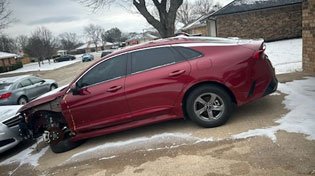
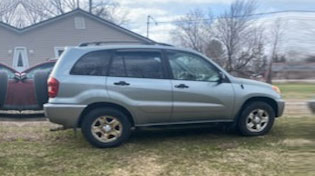
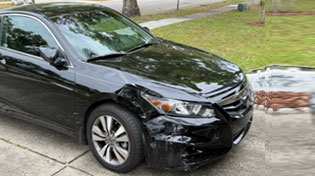
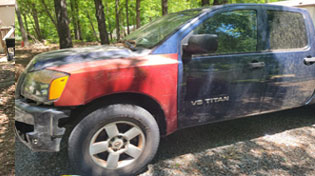
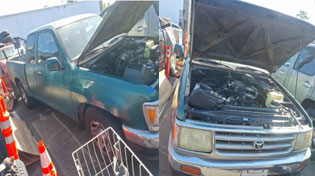


What Kinds of Broken and Non-Running Cars Can You Ask About?
Relevant situations include a car that will not start, serious engine or transmission problems, repeated mechanical failure, or accident damage that affects whether the vehicle can be driven safely. For more detail, see ByeCar's guides to non-running cars, blown engines, and broken transmissions.
Before selling, compare the likely repair expense and uncertainty with the vehicle's usefulness afterward. Be ready to explain whether the car rolls, steers, or brakes and whether access could affect pickup.

Massachusetts Title and Ownership Questions
Massachusetts generally requires motor vehicles to be titled, but its age exemption is narrow. The RMV says passenger vehicles from model year 1980 or earlier are exempt only when purchased before November 26, 1990. Check the current Massachusetts Vehicle Certificate of Title guidance instead of assuming an older car is automatically exempt.
If the title is lost, stolen, or damaged, use the RMV replacement-title process. A lost title is different from an active or unreleased lien, which may require separate release documentation.
Massachusetts registration and title guidance for individual vehicle sales also addresses applicable ownership documents, mileage information, signatures, and transfer details. For a vehicle that qualifies for the age-based title exemption, the previous registration and bill of sale can serve as ownership documentation. If the vehicle has a branded title, provide the exact status; Massachusetts distinguishes repairable salvage from parts-only vehicles.
Pickup for a Broken or Non-Running Car in Massachusetts
Before accepting an offer, confirm pickup availability for the ZIP code along with towing terms, timing, payment method, and access requirements. Mention a garage, repair shop, locked lot, missing wheels, or a vehicle that cannot roll, steer, or brake before pickup is scheduled.
Massachusetts Location Information
ByeCar currently has location pages for Boston, Brockton, Cambridge, Lowell, Lynn, New Bedford, Quincy, Springfield, and Worcester. If your broken car is elsewhere in Massachusetts, provide its ZIP code when requesting an offer and confirm pickup availability for that location.
Accurate condition details help with pickup planning.
Have the ownership documents that apply to your situation ready.
Review payment and pickup terms before releasing the vehicle.
Massachusetts law provides that a vehicle's registration expires when ownership is transferred. If you cancel the registration rather than transfer it to another eligible vehicle, keep the RMV cancellation receipt and destroy or recycle the plates; cancelled plates do not need to be returned. Transferring ownership and completing the applicable registration action may also support a motor-vehicle excise abatement. Cancelling the registration alone does not establish eligibility. See the RMV's registration-cancellation guidance and the state's Motor Vehicle Excise guide.
For broader condition information, see ByeCar's damaged-car guide. If the vehicle has reached true end-of-life or junk-car status, the separate Massachusetts junk-car page may be more relevant.
Ready to Request an Offer for Your Broken Car in Massachusetts?
Share the vehicle and location information requested by the form, then be ready to explain the condition and ownership status. Compare the offer and transaction terms with the cost of another major repair before deciding.
Frequently Asked Questions About Selling a Broken Car in Massachusetts
These questions cover common Massachusetts ownership and post-sale issues that can affect the next step.
What if I lost my Massachusetts title?
If the vehicle requires a title, use the Massachusetts RMV replacement-title process. A missing title does not automatically make the vehicle title-exempt or establish that a buyer can accept it without replacement documents.
What proof of ownership is used for a Massachusetts vehicle that is actually title-exempt?
RMV guidance allows the previous registration and bill of sale to serve as ownership documentation for vehicles that qualify for the age-based title exemption. Do not assume a vehicle qualifies based on age alone.
What if a lien still appears on the title?
Disclose it before accepting an offer. A lien may require separate release documentation, and applying for a replacement title does not by itself release the lien.
What should I do with my Massachusetts registration and plates after selling?
If you cancel the registration after ownership changes, keep the cancellation receipt and destroy or recycle the plates as directed by the RMV; they do not need to be returned.
Does cancelling my Massachusetts registration automatically qualify me for an excise abatement?
No. Cancellation by itself is not enough. When a vehicle is sold, eligibility generally requires the ownership transfer plus cancellation or transfer of the registration, along with any documentation required by the local assessor.
What does a Massachusetts parts-only title mean when selling a broken car?
A parts-only vehicle cannot be registered again in Massachusetts. Provide the exact title brand when requesting an offer because parts-only and repairable salvage vehicles have different legal statuses, and buyer acceptance still needs to be confirmed.