

 Over 25,000 cars purchased nationwide
Request an Offer for a Junk Car in Corona
If you have a junk, damaged, or non-running vehicle in Corona, start with its year, make, model, and ZIP code. Explain major damage, whether it starts, rolls, and steers, and where it is parked. These details help determine whether an offer and practical collection arrangements can be discussed.
Requesting an evaluation is not a commitment to sell. Before accepting a proposed amount, confirm the documents required, possible pickup costs, how payment would work, and any conditions that could change the offer.
Junk, Damaged, and Non-Running Vehicles
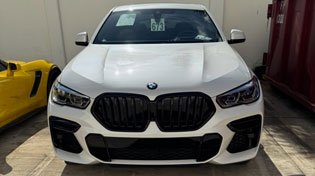
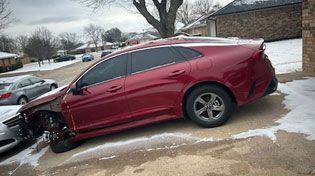
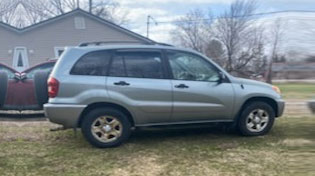
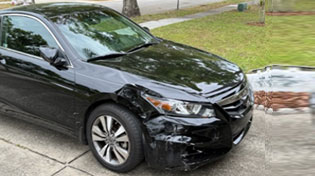
Cars, SUVs, and pickups with engine or transmission failure, collision damage, rust, water exposure, or missing components may be submitted for review. A vehicle that does not start but can roll is different to collect from one with missing wheels, damaged suspension, or locked brakes.
Report significant defects even when they are not obvious in photos. Missing catalytic converters, structural damage, and incomplete vehicles can affect evaluation and handling. Submission does not guarantee acceptance. For more detail, see ByeCar's damaged-car service and non-running vehicle guidance.
What Affects a Junk Car Offer in Corona?
The year, make, model, mileage, mechanical condition, usable components, and completeness of a car may influence an evaluation. Title issues and the cost or feasibility of collection can matter too. There is no single price that applies to every junk car in Corona.
For example, a sedan that will not start but still rolls and steers presents different transport needs from a pickup missing wheels. Compare a real offer with repair estimates and any continuing storage costs, not with an unrelated advertised payout.
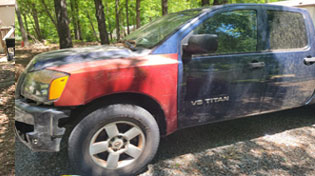
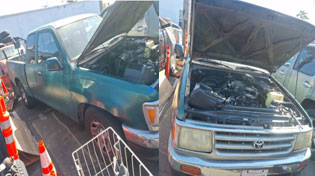

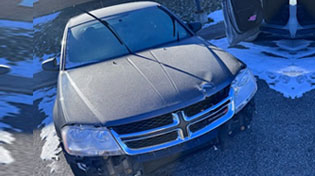
Corona Rules for Inoperative Vehicles
The City of Corona's Vehicle Abatement guidance advises that abandoned, wrecked, dismantled, or inoperative vehicles be stored within a completely enclosed building or behind a solid fence six feet high. The city's Municipal Code Chapter 8.04 treats certain vehicles as public nuisances, but Section 8.04.030 also sets out exceptions, including specified lawful business storage and vehicles not plainly visible from a highway. Other applicable property rules can still matter.
Corona can pursue abatement of vehicles that violate its nuisance rules. Its published process generally includes notice and an opportunity to request a hearing, subject to exceptions. Vehicles ultimately destroyed through abatement cannot be recovered. If you receive a notice, ask Corona Code Compliance about the applicable rule and deadline. Requesting a commercial offer does not stop enforcement.
For abandoned vehicles on public streets, the city directs residents to the Corona Police Department rather than the private-property Code Compliance process.
Corona's Municipal Vehicle Removal Option
Corona separately advertises a city vehicle-removal program through which Code Compliance can arrange free removal of certain unwanted cars and small trucks from private property. The city specifically invites inquiries from owners who have lost vehicle paperwork. Contact the city to confirm eligibility, authorization requirements, and what will happen to the vehicle.
This program is not a purchase offer. It provides a possible removal option without promising payment to the owner. If you want to recover money from the vehicle, compare any actual commercial offer with the municipal program before choosing a route.
California Title and Seller Documents
Title, Missing Documents, and Liens
For an ordinary sale, California DMV's title-transfer guidance calls for the appropriate owner and legal-owner signatures on the California Certificate of Title, along with any required odometer and lien documentation. If the California title is lost, stolen, or damaged, eligible owners may use Form REG 227. Where a legal owner or lienholder is recorded, REG 227 has additional signature and notarization requirements.
A California replacement form does not automatically replace a title issued by another state. Nor does a bill of sale alone clear a recorded lien. Disclose any unresolved ownership or lien problem before accepting an offer.
Notice of Transfer and Release of Liability
California requires a seller to notify DMV within five calendar days after a qualifying sale or transfer and delivery of the vehicle. File the Notice of Transfer and Release of Liability (NRL) using the buyer's identifying information, vehicle details, and date of transfer. Keep the submission confirmation.
The NRL is distinct from the buyer's title-transfer application. Filing it does not, by itself, remove your name from the vehicle record or complete ownership transfer. Confirm who will complete each part of the transaction.
License Plates
Do not assume every California license plate must be removed before a sale. Standard plates generally remain assigned to the vehicle in an ordinary transfer, while personalized and certain special plates can have different retention or reassignment rules. Junking or dismantler transactions may require separate plate handling. Check the DMV plate information and special-plate procedures for your situation.
When Is a Smog Certificate Required?
For an ordinary sale involving a vehicle subject to California's smog program, the seller generally provides a valid certification, with exceptions explained in the DMV smog-inspection guidance. A damaged vehicle is not automatically exempt because it is described as junk.
The DMV's individual vehicle-junking procedures exempt vehicles genuinely transferred for wrecking or dismantling. Those procedures also require appropriate ownership evidence and, when an owner dismantles a car, recording it as junk with DMV before dismantling. Confirm the transaction's actual purpose and who must file which documents.
Salvage and Nonrepairable Vehicles
California distinguishes vehicles with Salvage Certificates from those with Nonrepairable Vehicle Certificates. A salvage vehicle may qualify to return to lawful road use after meeting applicable requirements. Once a Nonrepairable Vehicle Certificate is issued, the vehicle cannot be titled or registered again for road use. See the DMV's salvage and nonrepairable guidance. Disclose the certificate you have rather than treating either classification as a standard title.
Preparing a Car for Pickup in Corona
Give the actual location where the car is parked and explain whether it can be reached safely. Mention missing keys, flat tires, blocked access, tight garages, gates, or wheels and steering that cannot function. A repair shop, tow yard, or storage facility may require its own release authorization and payment of outstanding charges. Do not assume the buyer can enter or settle those charges.
A vehicle on a public street may also raise a separate parking or enforcement issue. Confirm lawful access and the correct release procedure before collection is arranged.
Corona City or Unincorporated Riverside County?
A Corona mailing address does not always mean the property is within Corona city limits. Riverside County identifies El Cerrito, Home Gardens, and Temescal Valley as unincorporated communities. If you are responding to a vehicle-storage notice, contact the agency governing the actual property location. For an offer request, provide the full address and ZIP code so availability and access can be evaluated.
How an Offer Request Works
- Provide the basics. Use the existing form to share the vehicle's year, make, model, ZIP code, and your contact details.
- Explain the details. Clarify damage, missing parts, mobility, ownership records, and where the car is parked.
- Review any offer. If one is available, confirm the amount, documentation, inspection conditions, pickup charges, and payment terms. ByeCar's published footer describes check or wire transfer as typical, but the method and timing must be confirmed for your transaction.
- Agree on a handoff. If you proceed, confirm who must sign, who can release the vehicle, how it will be collected, and what proof of transfer and payment you will keep.
Condition: Describe damage, missing parts, and whether the car starts, rolls, and steers.
Ownership: Identify the title's issuing state, any lien, and any salvage or nonrepairable record.
Terms: Confirm access, charges, payment method, timing, and release responsibilities before handing over the car.

Ready to Request an Offer for Your Corona Vehicle?
Start with the car's basic details and describe its actual condition, paperwork, and parking location. These facts help determine what options can be discussed. For vehicles outside Corona, see ByeCar's California junk-car service page and confirm availability for the specific location.
Frequently Asked Questions About Selling a Junk Car in Corona
Can I Request an Offer for a Car That Does Not Run or Has Missing Parts?
Yes. Explain the missing components and whether it can roll or steer. An offer and collection are not guaranteed.
What if Corona Code Compliance Has Contacted Me About My Vehicle?
Read the notice and confirm the applicable rule and deadline with the city. Its nuisance-vehicle process may require storage changes or removal. Requesting an offer does not extend the deadline.
Is Corona's Free Vehicle Removal Program the Same as Selling My Car?
No. The city may arrange free removal for qualifying unwanted vehicles from private property, but it is not a promise to purchase the car. Ask the city about eligibility and authorization; compare that option with any actual buyer offer.
Do I Need a Smog Certificate to Sell a Junk Car in California?
An ordinary sale may require smog certification. A genuine transfer for wrecking or dismantling is exempt under DMV's junking procedures. Simply calling a damaged car junk does not make it exempt.
What if My California Title Is Lost or Has an Active Lien?
Eligible owners may use REG 227 for a lost California title. Liens can require legal-owner signatures, notarization, or a release. Confirm the acceptable documents rather than assuming registration or a bill of sale is enough.
Can Pickup Be Arranged From a Gated Property, Repair Shop, or Nearby Unincorporated Community?
It depends on location, access permission, vehicle mobility, possible facility charges, and available transport. Provide the actual address and restrictions before agreeing to collection.
Is Towing Always Free, and How and When Will I Be Paid?
Do not assume free pickup or a particular payment time. Confirm whether collection is offered, any charges, and the method and timing. ByeCar's footer describes check or wire transfer as typical, not necessarily physical cash.