

 Over 25,000 cars purchased nationwide

What Kinds of Junk Cars Can You Submit in Oceanside?
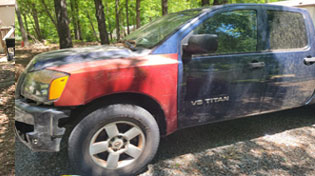
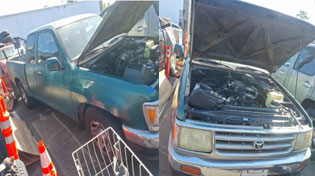
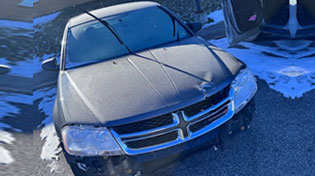
You can request an evaluation for a car that no longer runs, has major damage, or is no longer practical to repair. Examples include:
- Cars with engine, transmission, or serious electrical problems.
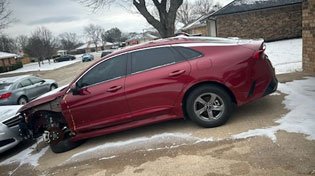
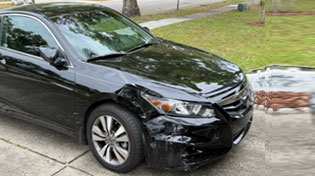
- Vehicles damaged in collisions, including those with major body or frame damage.
- Older, high-mileage cars that have become costly to maintain.
- Vehicles affected by water, fire, rust, or other substantial deterioration.
- Cars with missing parts, flat tires, or salvage or nonrepairable documents that require further review.
Submitting a vehicle does not guarantee an offer or acceptance in every condition. Describe whether it starts, rolls, steers, and brakes, along with any missing keys, wheels, battery, or catalytic converter. These details can affect both evaluation and collection. See ByeCar's non-running car page for more on that condition.
How Much Could Your Junk Car Be Worth?
There is no fixed junk-car price for Oceanside. An evaluation can depend on the year, make, model, mileage, mechanical condition, extent of damage, and whether usable components remain. Title status, location, and the difficulty of reaching the vehicle may also matter.
For example, a complete car that can still move under its own power may be evaluated differently from a similar model with a failed engine and missing wheels. An advertised amount or another seller's transaction is not an estimate for your vehicle.
Provide the actual condition and review the full terms of any offer before deciding to sell. For broader condition-specific information, see the damaged-car service page.

What Information Should You Have Ready for a Quote?
The existing form starts with the vehicle's make, model, year, ZIP code, and contact details. Be ready to supply additional information if requested:
- Operating condition: Does it start, move under its own power, roll, steer, and brake?
- Damage and missing parts: Describe accident, mechanical, water, or fire damage and identify missing keys, wheels, or major components.
- Ownership: Is the California title in your name? Is it missing, held by a lienholder, or marked salvage or nonrepairable?
- Location and access: Is the car on a street, in a driveway, in a garage, behind a gate, or at a storage facility? Who can authorize its release?
Photos, mileage, or the vehicle identification number (VIN) may be helpful if requested. Describe the car as it sits rather than arranging repairs solely to seek a quote.
How Does the Selling Process Work?
- Request an evaluation. Enter the basic vehicle details and Oceanside ZIP code in the existing form or use the site's contact options.
- Clarify the condition. Disclose major damage, missing components, title or lien issues, and collection restrictions. An offer, if available, depends on the review.
- Review the terms. Confirm the amount, possible adjustments, payment method and timing, documents, and whether pickup is available at the stated location.
- Complete the agreed handoff. Follow California's applicable title and seller-notification requirements, release the vehicle under the confirmed terms, and retain transaction records.
For the general company workflow, see ByeCar's process page. Confirm which arrangements apply to your particular vehicle.
California Title and Seller Responsibilities
Title assignment, missing titles, and liens
For an ordinary vehicle sale, California DMV's title-transfer guidance describes the properly assigned Certificate of Title and any applicable buyer, seller, and lienholder signatures. Check that the VIN and ownership information are accurate. Odometer disclosure and other documents may be required depending on the vehicle and transaction.
If the California title is lost, stolen, or damaged, the Application for Replacement or Transfer of Title (REG 227) may be applicable. A recorded lien can require a lienholder release, notarization, or a different replacement procedure. Do not assume ByeCar will pay off a loan or that a lost-title vehicle will be accepted.
File the five-day Notice of Transfer and Release of Liability
After a qualifying California vehicle transfer and delivery of possession, the seller must submit a Notice of Transfer and Release of Liability (NRL) to DMV within five calendar days. Have the new owner's name and address, the license plate number, the last five VIN digits, the odometer reading at the time of sale, and the sale date ready. Save the submission confirmation.
The NRL helps protect the seller regarding certain events after the sale, but it does not by itself complete the buyer's ownership transfer. Do not assume that a buyer's promise to handle paperwork replaces your notification responsibility.
Check the license plates and keep records
Under California DMV's license-plate guidance, ordinary plates generally remain with the vehicle. Personalized or certain special-interest plates may have separate retention or release requirements. Confirm which rule applies before removing plates or releasing the car.
Keep the buyer's identity and contact details, the agreed sale information, and copies or confirmations of relevant title and NRL documents. Transactions involving a licensed dismantler or a vehicle with branded documentation can have different requirements.
Oceanside Rules for Junked and Inoperable Vehicles
The City of Oceanside's Vehicle Abatement Program addresses abandoned, wrecked, dismantled, and inoperable vehicles or parts stored on private property. The city generally prohibits that storage unless the vehicle or parts are in a garage, behind a solid six-foot fence, or otherwise out of public view.
If your car is sitting in a visible yard or driveway and cannot run, review the property's situation and any notice from Code Enforcement. An offer request does not suspend a city notice, create permission to store the vehicle there, or guarantee collection before a deadline.
Public streets and private property involve different city processes
Oceanside directs private-property vehicle-storage concerns to Code Enforcement and public-street abandoned-vehicle reports to Parking Enforcement. The city's parking and abandoned-vehicle FAQ explains which division handles each location. If your vehicle is already subject to a notice or investigation, contact the responsible office about that particular situation.
Planning Junk Car Pickup in Oceanside
A vehicle parked on a public street
Under Oceanside Traffic Code sections 10.4 and 10.15, a vehicle left on a public street for 72 consecutive hours without being moved more than one-tenth of a mile may be subject to removal. This rule applies to ordinary passenger vehicles, not just oversized vehicles or trailers. Removal is not automatic at exactly 72 hours. Tell the buyer about posted parking restrictions and whether the vehicle can be moved legally.
Street sweeping and disabled vehicles
Oceanside enforces posted street-sweeping restrictions. The city's street-sweeping FAQ explains that an inoperable car is not automatically exempt from a citation. If a citation has already been issued, an administrative review may be available with supporting repair, tow, or parts records. Arrange collection with the posted restrictions in mind.
Driveways, garages, alleys, and gated properties
Share the exact address and describe narrow access, gates, garage height, blocked parking spaces, missing keys or wheels, and whether the car rolls and steers. Obtain permission from the property owner or manager where needed. A vehicle in a confined garage may require a different collection plan from one in an unobstructed driveway.
Before committing, confirm service availability, pickup scheduling, who must attend, access arrangements, and any transport costs. A mailing address in Oceanside does not establish that every vehicle can be collected under the same terms.

What if the Vehicle Has Been Towed or Impounded?
A vehicle already held by a tow company or public authority cannot automatically be released through an ordinary sale. Oceanside's vehicle-impound FAQ explains that the release procedure depends on why the car was impounded, and that identification, authorization, fees, or other conditions may apply.
Contact the agency or tow operator holding the vehicle to establish custody and release requirements. Arrange a private transfer only when you have authority to sell and release it. Requesting a quote does not cancel an impound, outstanding charges, or a legal hold.
Smog Checks, Salvage, and Nonrepairable Vehicles
California generally requires a valid Smog Check certification when a covered vehicle is sold, with exemptions depending on vehicle type, age, and the particular transaction. The California Bureau of Automotive Repair explains the change-of-ownership requirements and exemptions. An unwanted or non-running car is not automatically exempt simply because its owner calls it a junk car.
Requesting an evaluation is different from completing a transfer. If the car has failed emissions testing, disclose that fact and confirm what inspection or documentation rules apply to the actual proposed sale. Transfers involving licensed dismantlers or vehicles formally classified as nonrepairable can follow different procedures, but ByeCar's eligibility policy is unverified.
The California DMV's salvage and nonrepairable guidance distinguishes salvage from a Nonrepairable Vehicle Certificate. Once classified nonrepairable under that process, a vehicle cannot be titled or re-registered for normal road use. Tell the buyer exactly which documents you hold rather than treating every damaged vehicle as legally nonrepairable.
Payment and Vehicle Handoff: What Should You Confirm?
Before accepting an offer, confirm the amount, any conditions that might change it, how and when payment will be made, which documents must be signed, and whether collection costs or access restrictions affect the terms. Do not release the vehicle based on an assumption of immediate payment or free towing.
The phrase "cash for junk cars" does not guarantee physical cash at pickup. ByeCar's published footer says payments are typically made by check or wire transfer. Confirm the actual payment method and timing for your transaction.
Three practical checks can help prevent misunderstandings:
- Vehicle: Disclose its present condition and missing components.
- Documents: Confirm title, lien, plate, and five-day NRL responsibilities.
- Collection: Confirm lawful access, scheduling, transport responsibilities, and charges.
Other California Car-Selling Resources
For statewide service information, see selling a junk car in California. The national junk-car service hub covers other locations. Visit ByeCar's FAQ for general questions, or contact ByeCar if you need clarification before deciding to sell.
Oceanside Junk Car Selling FAQs
Can I request a quote if my car no longer runs?
Yes. You can submit a non-running vehicle for evaluation. Explain whether it rolls, steers, and brakes, and disclose missing parts. An offer or pickup is not guaranteed.
What if I lost my California title?
Check the California DMV title-transfer and REG 227 instructions. A lienholder may need to provide additional documents, and submitting a quote does not establish titleless-sale eligibility.
Do I need to file a Notice of Transfer and Release of Liability?
For a qualifying California transfer, submit the NRL within five calendar days and retain confirmation. Filing the notice is separate from completing the buyer's ownership transfer.
Can I sell a junk car without passing a Smog Check?
Not automatically. California's Smog Check rules generally apply to covered vehicle sales, subject to exemptions and transaction-specific procedures. Explain the car's status and verify the requirements before completing a sale.
What if Oceanside has issued a vehicle-storage or parking notice?
Follow the notice and contact the responsible city division. A quote request does not stop an enforcement process. For private-property storage, consult the Vehicle Abatement Program.
Can collection be arranged from a driveway, alley, or gated property?
That depends on the vehicle's mobility, access, property permission, and agreed collection arrangements. Describe gates, narrow spaces, blocked wheels, and missing keys, and confirm any costs before proceeding.
How are payment and pickup terms confirmed?
Review the actual offer and confirm the payment method and timing, pickup address, access requirements, and possible transport charges. Do not assume physical cash or a guaranteed collection date.
Request a Quote for Your Oceanside Junk Car
Use the existing quote form to submit the car's make, model, year, and Oceanside ZIP code. Provide accurate condition, ownership, and access details if requested. Review any offer and the documentation, payment, and collection terms before deciding whether to proceed. You can also contact ByeCar with questions.