

 Over 25,000 cars purchased nationwide

Request an Offer for Your San Francisco Vehicle
Have a junk, damaged, or non-running car you no longer want to keep in San Francisco? Start by entering its year, make, model, ZIP code, and your contact information in the quote form. You do not need to know its scrap value before making an inquiry.
When contacted, be ready to explain the mileage, condition, title status, and where the car is parked. The actual location matters if it is on a public street, in a garage, or in a restricted lot. Submitting details does not commit you to a sale. Review any proposed offer and the collection and payment terms before deciding.

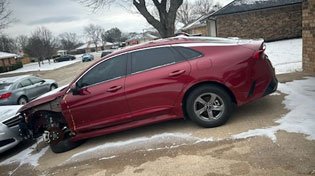
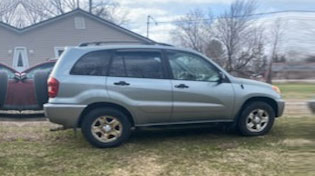
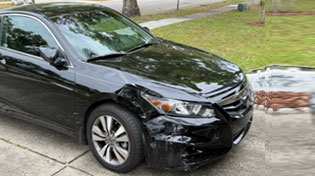
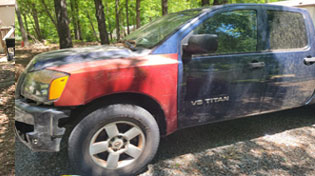

Which Vehicle Conditions Can Be Evaluated?
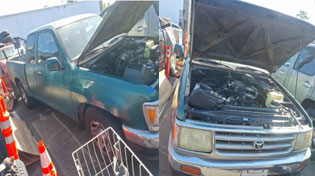
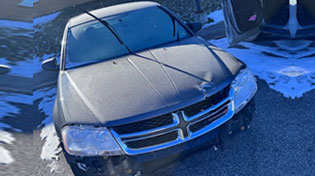
You can request evaluation of an older car with engine or transmission problems, a vehicle damaged in a collision, or one that has been sitting unused and will not start. High mileage, rust, body damage, and missing parts are also useful details to report.
Explain what you know without guessing at a diagnosis. For example, a car that does not start but still rolls and steers presents different collection needs from one with missing wheels or damaged suspension. Report known fire or water exposure, deployed airbags, major structural damage, or a salvage or nonrepairable ownership document.
Each vehicle and ownership situation must be reviewed individually. An inquiry does not guarantee acceptance. For more about specific damage, see ByeCar's damaged-car service.
What Affects a Junk-Car Offer?
Vehicle condition and completeness
An evaluation can depend on the car's year, make, model, mileage, mechanical condition, body damage, and missing components. A complete car needing an expensive repair is different from a stripped vehicle that cannot roll. There is no dependable single amount that applies to every junk car in San Francisco.
Ownership and recovery considerations
A title problem, recorded lien, or difficult vehicle location may affect whether and how a transaction can proceed. Give accurate details about keys, wheel and steering condition, and access restrictions before arrangements are discussed. Prices shown for unrelated vehicles or purchases in other states do not establish what your car will be worth.
California Title, Smog, and Release-of-Liability Requirements
Title transfer and the seller's notice
For an ordinary California vehicle sale, the California DMV's title-transfer guidance explains the signed Certificate of Title and any additional documents and lienholder signatures that may be needed. Check the names and lien information recorded on the title before agreeing to a sale.
California sellers generally must submit a Notice of Transfer and Release of Liability (NRL) within five calendar days of transferring a vehicle. Have the new owner's name and address, license plate number, last five digits of the VIN, and odometer reading available. Keep the NRL confirmation. Filing the notice does not itself transfer title or remove your name from the vehicle record; the buyer must complete the transfer requirements.
If you have personalized or special-interest plates that you want to retain, review the DMV's plate-retention instructions before handing over the car. Do not assume that every California plate must be removed in an ordinary sale.
Missing title, liens, and branded vehicles
If a California title is lost, stolen, or damaged, the DMV explains the Application for Replacement or Transfer of Title, REG 227. A recorded lien may require the lienholder's signature or release. REG 227 cannot automatically replace a title issued by another state; confirm the correct procedure for the vehicle's ownership record.
California distinguishes salvage and nonrepairable documents. The DMV's salvage and nonrepairable vehicle guidance explains that a vehicle issued a Non-Repairable Vehicle Certificate cannot be titled or re-registered for road use. Do not assume a registration card, bill of sale, or missing-title explanation alone establishes acceptable ownership. Confirm the applicable DMV requirements before transferring the vehicle.
When smog certification matters
For a covered vehicle sold in a transaction requiring a Smog Check, California generally makes the seller responsible for providing a passing inspection. The Bureau of Automotive Repair's Smog Check guidance explains the exceptions. For example, qualifying gasoline, hybrid, and alternative-fuel vehicles four model years and newer are exempt from a change-of-ownership Smog Check, although a transfer-related smog fee may apply. Electric vehicles are also exempt.
A car does not automatically qualify for an exemption merely because it is described as junk or sold as-is. If the vehicle cannot run or pass inspection, disclose that and confirm the lawful transfer requirements for the particular vehicle and buyer before agreeing to sell. Buyer assistance does not remove the seller's responsibilities.
Preparing a Vehicle for Collection in San Francisco
Street parking and vehicles that cannot move
Under the SFMTA parking guidance, a regular passenger vehicle generally may remain in one public-street space for up to 72 hours only where no stricter restriction applies. Street sweeping, meters, residential permit limits, and posted tow-away periods may impose shorter limits. Vehicles exceeding the 72-hour maximum may receive a marking notice and be towed if not moved by the stated time.
Do not treat 72 hours as a grace period for a disabled car. SFMTA says an obviously inoperable vehicle, one dangerously obstructing traffic or a driveway, or one with registration expired for more than six months may be cited or towed immediately. Check the actual signs and vehicle circumstances. A pending sale does not suspend parking rules.
Hills, driveways, garages, and restricted access
Tell the buyer whether the car is parked on a steep street, in a narrow driveway, inside a low-clearance garage, or behind a gate. Report whether it rolls, steers, brakes, and has keys. Confirm any permission needed from a landlord, garage operator, or property manager. These details help determine collection feasibility; they do not guarantee that a particular tow truck can reach the car.
The SFMTA driveway guidance says a car parked in a driveway must not extend onto the sidewalk. Do not move an unsafe vehicle into the street or obstruct a pedestrian route to make collection easier.
Three details to have ready:
- Vehicle access: The actual address, parking level, clearance, gate or key restrictions, and whether the car rolls and steers.
- Ownership: Title or other ownership documents, the names on them, and any remaining lien.
- Street or property rules: Posted parking limits, garage procedures, and any permission needed for collection.
How a ByeCar Offer Request Works
- Submit the basics. Enter the vehicle's year, make, model, ZIP code, and requested contact details.
- Discuss the car. Explain mileage, mechanical condition, missing parts, paperwork, and the exact parking location.
- Review the terms. If an offer is available, confirm the amount, payment method and timing, required documentation, collection availability, and any charges.
- Decide whether to proceed. If the vehicle qualifies and you accept the terms, follow the agreed ownership-transfer and collection arrangements.

Repair the Car, Sell It Privately, or Request an Offer?
Repair may be worthwhile when the vehicle would remain useful and the cost is reasonable compared with its expected value and reliability. A written estimate can help you decide, especially when mechanical and emissions problems overlap.
A private sale may be an option when you can accurately describe the vehicle, meet the applicable transfer requirements, and manage enquiries and handoff arrangements. Requesting an offer from a junk-car buyer may be more practical when substantial damage, storage constraints, or collection difficulties make other options less appealing.
Compare the likely net outcome rather than an advertised payout alone. Include repair expenses, documentation, access, and collection terms in your decision.
Questions About Selling a Junk Car in San Francisco
Can I request an offer for a car that does not start or has missing parts?
Yes. Describe the mechanical condition and any missing parts when discussing the vehicle. Whether it qualifies for purchase and collection depends on its details and location.
What if I lost my California title or still have a lien?
You can make an inquiry, but a sale may require replacement-title or lien-release documentation. The DMV explains the REG 227 process and title-transfer requirements. Do not assume a bill of sale alone resolves an ownership problem.
Do I need a smog certificate to sell a junk car in San Francisco?
Not always. California generally requires a Smog Check for covered change-of-ownership sales, but exemptions include qualifying newer gasoline or hybrid vehicles and electric vehicles. Calling a car junk does not automatically exempt it. Check the California Bureau of Automotive Repair guidance and confirm the transfer requirements before selling.
Can a non-running car remain parked on a San Francisco street while I arrange a sale?
Not necessarily. San Francisco's normal 72-hour limit applies only where no stricter rule is posted. SFMTA says an obviously disabled vehicle may be cited or towed immediately. Check the signs and SFMTA parking guidance; requesting an offer does not suspend enforcement.
What if the car is in a steep driveway or underground garage?
Explain the grade, clearance, access restrictions, and whether the car can roll and steer. Collection arrangements must be confirmed for that specific location, including any needed property permission.
Is pickup free, and when or how would I be paid?
Confirm whether collection is available, what charges may apply, and the payment method and timing before accepting an offer. The phrase "cash for junk cars" does not guarantee payment in physical cash or at a particular time.
Request an Offer for Your Vehicle
If you want to explore selling an unwanted car in San Francisco, use the form on this page to provide its basic details. Have the condition, ownership paperwork, and actual vehicle location ready for follow-up. Review any proposed terms before deciding whether to sell.
For other cities, see ByeCar's California service areas.

