

 Over 25,000 cars purchased nationwide
If your car no longer starts, needs repairs that may not be worth making, or has been sitting unused in San Jose, you can request an offer without repairing it first. Share what you know about its condition and where it is parked. The vehicle, ownership records, and pickup access all matter when determining whether a sale can be arranged.
What Determines a Junk Car Offer in San Jose?
No single price applies to every junk car. A vehicle with reusable components may be evaluated differently from one with extensive collision damage, a missing catalytic converter, or no working transmission. The following details help a buyer assess the vehicle and any collection requirements.
| Detail | What to disclose and why |
|---|---|
| Year, make, model, mileage | Identifies the vehicle and helps establish its condition and potential demand. |
| Running condition | Say whether it starts, drives, rolls, steers, and brakes. These are different questions. |
| Damage and missing parts | Describe collision or water damage and identify major components that are missing. |
| Ownership documents | Explain whether you have a title, a replacement-title issue, a recorded lien, or a branded document. |
| Pickup access | Provide the parking ZIP code and any loading or property restrictions. |
An online inquiry starts the evaluation. Any proposed amount should be reviewed with its conditions, including whether towing is included, before you agree to sell.


What Vehicles Can You Submit for an Offer?
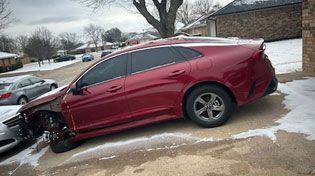
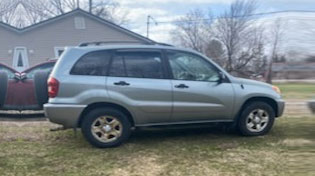
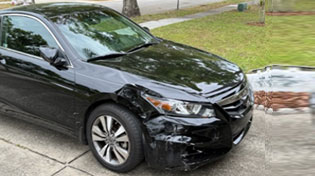
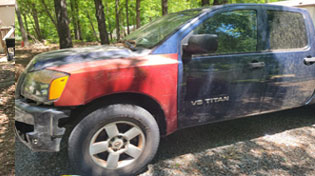
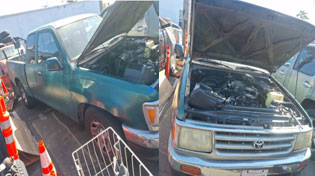
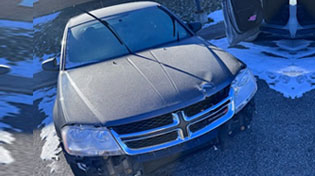
You can submit details for an older, high-mileage, accident-damaged, or non-running vehicle. Cars with engine or transmission problems, flood damage, or missing parts may also be evaluated. Submission is not a guarantee that a buyer will accept the car.
If a vehicle will not start, explain whether it can still be shifted into neutral and whether its wheels turn. If you do not know what caused the problem, describe the symptoms rather than diagnosing it yourself. For more detailed guidance, see selling a non-running car or selling a water-damaged car.
Junk Car Pickup in San Jose: Location and Access
Give the ZIP code where the car is actually parked, even if your mailing address is elsewhere. A San Jose address alone does not confirm pickup availability, timing, towing terms, or whether the available equipment can load that vehicle. The same applies to nearby cities such as Santa Clara, Sunnyvale, and Milpitas.
Garages, Gated Properties, and Repair Shops
A car in a downtown parking structure may have clearance limits; an apartment lot may require gate access or permission from management. A car at a repair shop or storage facility may require release authorization and payment of outstanding storage charges before it can leave. Confirm these arrangements with the property operator.
Tell the buyer if the vehicle is blocked, has flat or missing tires, will not roll or steer, or has no keys. These details can change the equipment and access needed for collection. Do not move an unsafe vehicle onto a public street solely to make pickup easier.
How to Request an Offer and Arrange Pickup
- Describe your vehicle. Start with the year, make, model, pickup ZIP code, and contact details. Provide mileage, damage, running condition, and title information when requested.
- Review the proposed offer. Ask whether further vehicle information is required and what could change the amount or eligibility.
- Confirm the transaction. Identify the buyer and agree on paperwork, towing charges if any, pickup arrangements, and payment method and timing.
- Prepare for collection. Remove personal belongings and ensure an authorized person can provide access and complete the required documents.
Submitting a form is not the same as accepting an offer or transferring ownership. Do not release the vehicle until you understand the agreed terms.

What California Paperwork Is Needed to Sell Your Car?
A junk car is still subject to California ownership rules. The correct documents depend on the buyer, the title record, and whether the vehicle is being transferred for use or specifically for dismantling.
California Title and Replacement Form REG 227
For an ordinary title transfer, the seller and any required lienholder sign the appropriate title documents. California DMV explains the process in its title-transfer guidance. If the paper title is lost, stolen, or damaged, the Application for Replacement or Transfer of Title (REG 227) is a relevant starting point. Do not assume a bill of sale alone replaces the required ownership evidence.
Liens and Unusual Ownership Records
If a lender or other legal owner is recorded, disclose that before agreeing to sell. Confirm payoff and lien-release requirements with the lienholder. DMV's REG 227 form cannot itself release an electronic lien. If you inherited the car, have an out-of-state title, or are not the person named on the ownership record, check the DMV procedure for that situation rather than using ordinary private-sale instructions.
Salvage, Nonrepairable, and Junk Records
A salvage record and a nonrepairable vehicle certificate do not mean the same thing. Under California DMV's nonrepairable-vehicle guidance, a vehicle issued a nonrepairable certificate cannot later be titled or registered for road use. The correct transfer procedure depends on DMV's record and how the buyer will handle the car. Identify the document you hold; do not simply classify every damaged car as legally 'junk.' California DMV's junk-vehicle procedures explain the separate requirements for vehicles transferred to be wrecked or dismantled.
Does a Junk Car Need a Smog Certificate in California?
For an ordinary vehicle sale, California generally requires the seller to give the buyer a valid smog certificate unless an exemption applies. A failed smog test, a non-running engine, or the seller's intention to get rid of a car does not automatically establish an exemption. DMV's smog inspection guidance explains the ordinary sale rules, including exceptions for certain vehicles.
Under California DMV's junk-vehicle procedures, vehicles transferred specifically to be wrecked or dismantled are exempt from the smog inspection requirement. That is a particular transaction category, not permission to skip a smog certificate for every damaged-car sale. Confirm the buyer's intended transfer process before relying on the exemption.
Before Pickup: A San Jose Seller Checklist
A few details can prevent a missed collection or a disagreement about the vehicle's condition.
- Verify the pickup address, gate or garage clearance, and any property-manager permission.
- Disclose missing keys, wheels, tires, or major components, and whether the car can roll, steer, and brake.
- Locate the title or ownership documents and any relevant lien-release paperwork.
- Remove belongings, parking permits, garage remotes, and personal information.
- Confirm who will sign the documents and whether a repair shop or storage lot must release the car.
- Confirm what should happen to the license plates. California DMV says standard plates generally stay with a vehicle in an ordinary sale, while certain special or personalized plates can be retained or reassigned. Confirm any different requirements for a vehicle being junked before pickup.
Payment and Transfer: What Happens at Handoff?
Confirm the Payment Arrangement
The phrase 'cash for junk cars' describes the service, not a guarantee of physical currency. ByeCar's published footer identifies check and wire transfer as typical methods. Confirm the payment method for your transaction, who will issue payment, when it is initiated, and when funds are expected to be available. Do not assume an initiated transfer is cleared funds.
File California's Notice of Transfer and Release of Liability
When you sell or transfer a vehicle and deliver possession to the new owner, California DMV requires a Notice of Transfer and Release of Liability (NRL) within five calendar days. You need the new owner's name and address, vehicle identifiers, mileage, and date of transfer. File the notice promptly and keep the confirmation.
An NRL does not complete the ownership transfer or replace any required junk-vehicle filing. Confirm which party will complete those documents. Someone else may submit the NRL for you, but DMV says you remain responsible if information is missing. Ask the buyer which additional DMV documents apply if the vehicle will be dismantled.
Confirm the buyer. Record the name of the person or business actually acquiring your vehicle.
Confirm pickup and payment. Agree on collection access, any towing charge, and when and how payment will be made.
Keep the records. Retain signed sale documents, payment evidence, and any applicable DMV submission confirmation.
Related California Selling Resources
For statewide buying information, visit cash for junk cars in California. If the vehicle needs extensive repairs, see the California broken-car selling page for a deeper discussion of its condition and sale preparation. Use the official DMV links above for the legal requirements relevant to your transaction.
Request an Offer for Your San Jose Vehicle
You do not need a complete mechanical diagnosis to make an inquiry. Provide an accurate description, the vehicle's location, and what you know about the ownership documents. If an offer is available, review its collection, transfer, and payment terms before deciding whether to proceed.
Frequently Asked Questions About Selling a Junk Car in San Jose
Can I request an offer for a car that will not start or has missing parts?
Yes, you can submit its details for evaluation. State which major parts are missing and whether the car can roll, steer, and brake. An offer or pickup is not guaranteed.
Can a car be collected from a parking garage or repair shop?
That depends on access and equipment requirements. Give the buyer any height limits, gate restrictions, keys or wheel problems, and shop-release conditions before confirming collection.
Can I sell my car without the California title?
A missing paper title usually requires the appropriate replacement or transfer procedure, which may involve DMV Form REG 227. A recorded lien or specialized junking transaction can change the documents required. Do not assume a bill of sale alone establishes a transferable ownership record.
Is a smog check required if the car is being junked?
An ordinary sale generally requires valid smog certification unless exempt. DMV identifies an exemption for vehicles transferred specifically to be wrecked or dismantled. Confirm which kind of transaction applies before assuming a non-running car is exempt.
Is towing included for every San Jose ZIP code?
Do not assume it is. Ask whether your exact location, vehicle condition, and loading requirements qualify, and confirm any charge or deduction in the agreed terms.
When and how will I be paid?
Confirm the available method before accepting an offer. ByeCar's published footer says check or wire transfer is typical, but the specific payment method, initiation time, and availability of funds must be agreed upon for your vehicle.
Do I need to file a Release of Liability after selling?
Yes. California DMV requires an NRL within five calendar days after a sale or transfer and delivery of possession. Keep the confirmation. An NRL does not itself complete a title transfer or substitute for required junk-vehicle filings.