

 Over 25,000 cars purchased nationwide

Before requesting an offer, identify where the car is located, what condition it is in, and whether you have the documents needed to transfer ownership. These details matter for a vehicle that still runs just as much as for one that is wrecked or cannot start. An offer, pickup arrangement, and payment terms should all be confirmed for the specific vehicle before a sale.
How to Request an Offer for a Junk Car in Florida
Start with the vehicle's make, model, year, and the ZIP code where it is parked. When the buyer follows up, explain its condition, including whether it starts, rolls, or steers, and whether major parts are missing. Also identify the title status and any lien.
Review the proposed amount and required documents before accepting. If pickup is offered, confirm the location, access requirements, any removal charges, and the payment method and timing. Complete the applicable ownership-transfer steps and keep a record of the transaction. For more general service information, see ByeCar's selling process.

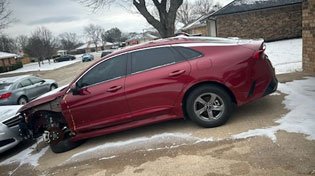
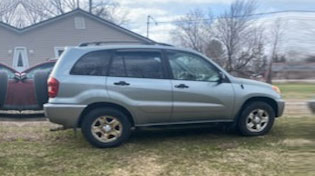
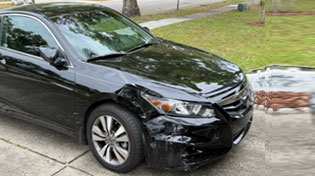
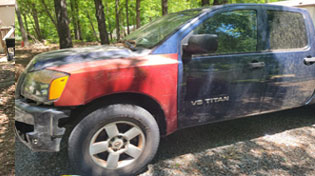
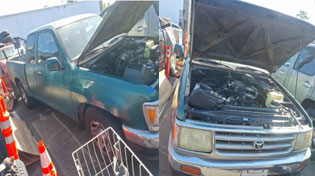

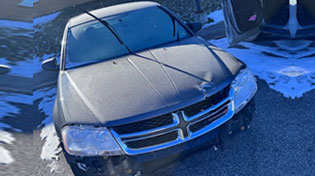
Which Types of Cars Can Be Evaluated?
You can request an evaluation for a car that no longer runs, has severe mechanical problems, has been in a collision, or has flood or other damage. Describe the condition as it is, not as it might be after repairs.
Mention missing keys, wheels, engine components, or other major parts. A salvage or rebuilt title should also be disclosed. These details can affect whether a purchase and pickup are possible. For more on particular problems, see the damaged-car guide, non-running cars, and water-damaged vehicles.
What Affects a Junk Car Offer in Florida?
A car's year or model does not establish a reliable payout on its own. The relevant information includes:
- Vehicle specifications: Make, model, year, mileage, and major equipment.
- Condition: Whether the engine runs, the vehicle can move, and the extent of collision, water, fire, or mechanical damage.
- Completeness: Missing wheels, catalytic converter, drivetrain parts, or other components.
- Location and access: Where the vehicle is parked and whether a towing or loading vehicle can reach it.
- Ownership records: Paper or electronic title status, recorded liens, and any salvage or rebuilt branding.
If the car could be repaired, compare a written repair estimate with the vehicle's condition and available sale options. Past purchase examples are not a price quote for your car.

Florida Title and Ownership Requirements
Florida's ownership rules still apply when a vehicle is damaged or no longer roadworthy. Confirm the record before releasing the car, especially if the title is electronic, a paper certificate is missing, or a lien is recorded.
Electronic Titles and Lost Paper Certificates
An electronic Florida title is a valid state ownership record, but it does not automatically mean a transfer can be completed without a paper certificate. FLHSMV explains that owners selling a vehicle may need to obtain a paper title, while qualifying transactions with a Florida dealership can follow an electronic-title process. The correct procedure depends on the buyer and transaction. Verify it before arranging a handoff. See FLHSMV's electronic title guidance.
If the title record shows a paper certificate that was lost, stolen, or damaged, FLHSMV provides Form HSMV 82101 for a duplicate-title application. A bill of sale should not be assumed to replace required ownership paperwork.
Liens and Salvage or Rebuilt Titles
Tell the buyer if a lien appears on the title record. A lien may need to be satisfied or handled through an authorized procedure before ownership can be transferred. Do not assume requesting an offer clears the lien. See Florida Statute 319.27.
Disclose the title's exact brand and any known flood, structural, or other major damage. Salvage, rebuilt, and derelict vehicles are not the same legal category. Review Florida Statute 319.14 and 319.30 for relevant distinctions.
Does Florida Allow a Derelict Vehicle to Be Transferred Without a Standard Title?
Florida has a limited process for qualifying derelict motor vehicles handled through licensed salvage motor vehicle dealers or registered secondary metals recyclers. Under Statute 319.30, the motor-vehicle definition generally requires a vehicle valued below $1,000, at least 10 model years old, with its primary value in dismantling or scrap, plus other statutory requirements.
This is not a minimum or maximum ByeCar offer, and it does not mean any old car can be sold without a title. The buyer's qualifying status, documentation, and applicable procedure must be established separately.
Notice of Sale and Florida License Plates
For an ordinary private vehicle transfer, Florida Statute 319.22 requires the seller to notify FLHSMV within 30 days after the sale or transfer. Form HSMV 82050 is the state's Notice of Sale and Bill of Sale form. The statute provides exceptions for transfers to or by licensed motor vehicle dealers and certain transfers to insurers. Confirm which rules apply to your buyer rather than assuming the buyer handles every seller obligation.
Remove the Florida license plate before handing over the vehicle. Under Statute 320.0609, the plate generally stays with the owner and must be transferred appropriately or returned. Retain your transaction records, and check registration and insurance requirements before canceling coverage. For more background, see How to Junk a Car in Florida.
Preparing a Junk Car for Pickup
Tell the buyer whether the vehicle is in a driveway, parking garage, repair shop, storage yard, or another location. Identify access restrictions, gates, narrow entrances, loose parts, missing keys or wheels, and whether the car rolls and steers. If someone else controls the property, arrange permission for the vehicle to be released.
Three Things to Confirm Before the Handoff
- Vehicle and access: The buyer has the accurate condition and location details, including any loading restrictions.
- Documents: Both parties understand the applicable title, lien, identification, plate, and notice requirements.
- Transaction terms: The offer amount, pickup arrangements, charges if any, payment method, and timing are agreed before releasing the vehicle.
See the junk car pickup and removal information for general service details. Do not assume removal is available or free until the terms for your vehicle are confirmed.
Florida Service Areas
Use the ZIP code where the vehicle is parked to request a location-specific review. ByeCar also has local information for Miami, Orlando, Tampa, and Jacksonville. The existing Florida city directory provides additional navigation. A listed city does not guarantee pickup for every address or vehicle.
Request an Offer for Your Junk Car in Florida
Submit the vehicle details and ZIP code to begin. Give an accurate description during follow-up, and confirm documentation, pickup costs if applicable, payment method, and timing before agreeing to the sale.
Frequently Asked Questions About Selling a Junk Car in Florida
Do I need a paper title if Florida shows an electronic title?
Not always, but do not assume an electronic record is enough for your transaction. FLHSMV distinguishes regular vehicle sales from eligible dealership transfers. Confirm the required transfer method before pickup.
Can a bill of sale replace a lost Florida title?
Do not assume it can. Check whether the state record is electronic or paper. If the paper certificate is missing, the FLHSMV duplicate-title process may apply. Special derelict-vehicle rules are limited to qualifying transactions.
Can I request an offer while there is a lien on the car?
You may describe the vehicle and lien when requesting an evaluation. An offer does not release the lien. Confirm how it must be resolved before a lawful transfer.
What if the car has a salvage or rebuilt title?
Disclose the title's exact brand and the vehicle's known damage. Eligibility and documentation depend on the title record, condition, and intended purchase process.
Who files the Florida Notice of Sale?
For an ordinary private transfer, the seller generally must notify FLHSMV within 30 days. The statute includes exceptions for certain dealer and insurance transactions, so confirm the buyer's status and the applicable paperwork.
Can pickup be arranged from a repair shop or storage yard?
It may be possible, depending on the vehicle, location, and access. Disclose any storage charges, restrictions, release requirements, or keys held by the facility before arranging pickup.
Will towing be free, and when will I be paid?
Confirm both terms for your specific transaction. Ask whether pickup carries any charge, what payment method will be used, and when the payment will be provided or available. Do not rely on general advertising language alone.