

 Over 25,000 cars purchased nationwide

How Selling a Junk Car in Cape Coral Works
Request an evaluation for a junk, damaged, or non-running car in Cape Coral by describing its condition and location. A quote request is not a commitment to sell or a guarantee of purchase.
1. Share the vehicle details
Provide the year, make, model, ZIP code, and contact information. Describe damage, missing parts, and whether the car starts, rolls, and steers. Photos may help.
2. Review the evaluation
ByeCar can assess whether an offer is available. Ask if photos, ownership documents, or an inspection are needed to confirm the amount.
3. Confirm documents and collection arrangements
Explain the title and lien status and vehicle location. Confirm collection availability, access or equipment needs, possible charges, and scheduling.
4. Complete the agreed transaction
If you proceed, confirm the amount, payment method and timing, signatures, and handover requirements. Keep records and complete applicable Florida seller obligations.

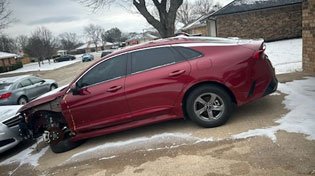
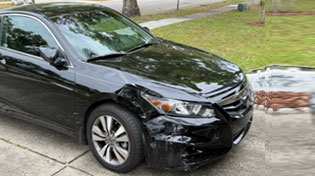
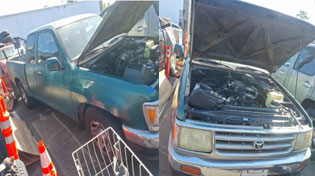

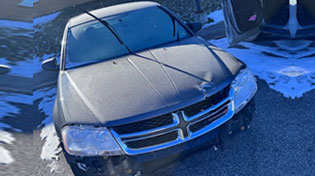
Junk, Damaged, and Non-Running Vehicles We Can Evaluate
A car does not need to be roadworthy to request an evaluation, but acceptance is not guaranteed. Disclose conditions such as:
- Engine or transmission failure, electrical faults, or a vehicle that will not start.
- Collision damage, frame problems, severe corrosion, or missing body components.
- Water intrusion, flood or fire exposure, or problems with electrical systems.
- Missing wheels, keys, battery, catalytic converter, engine, or other major parts.
A car with working wheels and steering may require different equipment from one with locked brakes or structural damage. Disclose fluid leaks, unsafe loading conditions, and any branded title.
If mechanical failure is the main concern, review selling a broken car in Florida. For significant collision or physical damage, see ByeCar's damaged-car service.
What Affects a Junk Car Offer in Cape Coral?
No single scrap rate or advertised payout reliably determines what a particular Cape Coral vehicle is worth. An evaluation may consider its year, make, model, mileage, mechanical condition, body damage, usable components, and whether important parts are missing.
Documentation and collection also matter. A complete car with a failed engine differs from one missing its wheels and drivetrain. An accessible driveway differs from a gated or low-clearance location.
If an offer is made, ask whether it is conditional on an inspection, whether a difference in the described condition could change the amount, and whether collection or storage charges apply. Compare the final terms, not an unsupported highest-price claim.
Preparing for Junk Car Pickup in Cape Coral
Provide the actual address and ZIP code. Explain whether the car is in a driveway, garage, gated community, repair shop, or storage yard. Property rules, clearance, or blocked approaches may restrict collection.
Tell the buyer whether the vehicle starts, rolls, steers, has all its wheels, and has usable keys. Mention flat tires, locked brakes, leaking fluids, flood damage, or loose structural components. Do not drive or push an unsafe vehicle onto a public road to make it easier to collect.
Check permission and release conditions
For vehicles at repair shops, apartment properties, or storage facilities, identify who can authorize access and release. Outstanding repair or storage charges and restricted opening hours can affect the arrangements. If a vehicle is already impounded or subject to a City notice, establish its status before discussing private pickup.
Cape Coral's parking and vehicle-storage rules also matter while you wait for a potential sale. Confirm collection availability, equipment, possible charges, and scheduling for the specific address rather than assuming the same terms apply across Lee County.
Cape Coral Abandoned-Vehicle and Parking Rules
What the City's 2026 ordinance covers
Cape Coral Ordinance 6-26, adopted in February 2026, moved the City's abandoned-vehicle provisions into Section 12-127.19. It covers certain vehicles that are not currently registered or licensed for lawful operation, are wrecked or inoperative, are partly dismantled, or meet the ordinance's other abandonment criteria.
The ordinance prohibits covered abandoned vehicles from being parked or stored on property in Cape Coral, including driveways, carports, and unimproved lots. Vehicles kept in garages on improved property have an express exception. A covered vehicle left in a driveway does not become exempt simply because the property owner agrees to keep it there.
What happens after written notice
For prohibited storage locations, Section 12-127.19 provides five days from the date of written notice to remove a covered vehicle before it is deemed a nuisance under that provision. This is not a universal five-day deadline whenever a vehicle stops running, and the ordinance does not require automatic towing on day five.
A notice of violation under Section 12-127.18 has a separate enforcement and appeal process. The ordinance provides 10 days after service of that notice to request an administrative hearing before the special magistrate. Do not confuse the hearing-request deadline with the five-day removal period. Read the actual notice and contact Cape Coral Code Compliance about compliance or appeals. Cape Coral's common code violations guidance also identifies restrictions on residential parking on prohibited pervious surfaces and on vehicle storage on vacant lots. Rules outside Cape Coral city limits may differ.

Florida Title, Electronic Ownership, and Lien Requirements
Confirm what ownership record you have
For an ordinary sale, Florida generally requires properly assigned title documentation and applicable odometer information. Titles may be paper or electronic, so not having a paper certificate does not necessarily mean the title is missing. For a private sale in which an existing electronic title will remain electronic, FLHSMV provides a reassignment procedure involving the seller and buyer at a tax collector's office or license plate agency. Other transactions may require different steps, so confirm the applicable procedure before handover.
Check the actual title record and the people authorized to sign before agreeing to transfer the car. Under Florida Statute 319.22, ownership assignment and seller-notification requirements are separate matters.
Lost paper titles and recorded liens
If a required paper title was lost, stolen, or damaged, FLHSMV Form HSMV 82101 provides a duplicate-title process, including a duplicate-with-transfer option for qualifying circumstances. Do not confuse that process with transferring an existing electronic title.
Disclose any recorded lien, even if the underlying loan was paid. Confirm whether the lien has been released and what documentation is required. A buyer's willingness to evaluate a car does not remove Florida ownership or lien requirements.
Florida Notice of Sale, Plates, and Seller Responsibilities
Check whether the 30-day notice applies
Under Florida Statute 319.22, sellers in covered vehicle transfers must notify FLHSMV within 30 days. The Notice of Sale or Bill of Sale, Form HSMV 82050, provides a way to report the transaction and retain a useful record. Statutory exceptions include certain transfers to or by licensed motor vehicle dealers and transfers to insurers. Confirm the rule for your actual transaction rather than assuming every junk-car sale is exempt.
A Notice of Sale records the seller's report but is not itself the purchaser's completed title transfer. Keep the buyer's name, date, VIN, and a copy of the relevant transaction documents.
Remove your Florida plate and coordinate insurance
Florida license plates belong to the registrant, not the vehicle. Remove yours before handover and follow FLHSMV plate and registration guidance to determine whether to transfer or surrender it. For disposal of a vehicle with a current plate and decal, FLHSMV describes plate surrender or filing Form HSMV 82050 with a tax collector or license plate agent as relevant ways to avoid financial-responsibility problems. If you plan to cancel insurance while a valid plate remains registered, FLHSMV instructs you to surrender the plate first. Confirm the correct steps for your situation and keep the records.
Salvage, Flood-Damaged, and Derelict Vehicles
Flood exposure, severe collision damage, and a salvage or rebuilt brand are different facts. Disclose water intrusion, corrosion, damaged electronics, missing components, and the exact title brand without assuming they all mean the car has been legally classified for destruction.
Florida Statute 319.30 distinguishes salvage, certificates of destruction, and a restricted derelict-vehicle procedure. For motor vehicles, a qualifying derelict motor vehicle generally must be at least 10 model years old, valued under $1,000, and primarily valuable for dismantling or scrap. The procedure involves a licensed salvage motor vehicle dealer or registered secondary metals recycler and specific identification, documentation, lien, holding, and reporting requirements. It does not allow every vehicle to be sold without a title or establish that ByeCar qualifies to receive the vehicle under this procedure.
If the vehicle has a destruction-related document or uncertain ownership status, confirm the permitted transaction and receiving party before arranging a handover.
What to Confirm Before Accepting an Offer
Before deciding to sell, make three checks:
1. Ownership: Confirm the titled owners, paper or electronic title status, lien releases, and the documents required for your particular transfer.
2. Collection: Explain whether the car rolls and steers, who can authorize its release, how it can be accessed, and whether towing, storage, or special equipment may cost extra.
3. Final terms: Confirm the amount, inspection conditions, payment method and timing, collection arrangements, and records each party will receive.
For broader statewide guidance and Florida service locations, visit the Florida junk-car service page.
Request a Quote for Your Cape Coral Junk Car
Submit the car's year, make, model, ZIP code, condition, and contact details through the quote form. Mention title or lien problems and pickup restrictions early. If an offer is available, review the complete terms before deciding whether to proceed.
Frequently Asked Questions About Selling a Junk Car in Cape Coral
Can I request an offer for a non-running or incomplete car in Cape Coral?
Yes. Disclose mechanical problems, missing parts, title status, and whether it rolls or steers. An offer or pickup is not guaranteed.
Can I keep a non-running vehicle in my Cape Coral driveway while arranging a sale?
Not necessarily. Ordinance 6-26 restricts covered abandoned vehicles in driveways and carports, but excepts vehicles in garages on improved property. Check whether your vehicle qualifies.
What should I do if I receive an abandoned-vehicle notice?
Contact Cape Coral Code Compliance promptly and read the notice. Ordinance 6-26 allows five days from written removal notice in covered cases before the vehicle is deemed a nuisance. A separate violation notice may allow only 10 days after service to request an administrative hearing. Requesting a quote does not suspend either deadline.
What if my Florida vehicle title is electronic or missing?
An electronic title is not lost. Confirm the electronic transfer procedure; for a missing paper certificate, see FLHSMV Form HSMV 82101. Address recorded liens before transfer.
Can I request an evaluation for a salvage or flood-damaged vehicle?
Yes. Disclose the damage and title brand. Eligibility depends on the vehicle and documents. Florida's salvage and derelict rules do not create blanket no-title eligibility.
Do I need to file a Notice of Sale and remove my plates?
For covered sales, notify FLHSMV within 30 days; dealer and insurer exceptions apply. Remove your plate and check transfer or surrender requirements. If you will cancel insurance on a vehicle with a valid registered plate, resolve plate surrender first. See Statute 319.22 and FLHSMV plate guidance.
How are payment, collection charges, and pickup arrangements confirmed?
ByeCar discloses typical payment by check or wire. Confirm payment timing, pickup availability, access, and charges. Do not assume immediate payment or free towing.

