

 Over 25,000 cars purchased nationwide

If you have a junk, damaged, or non-running car in Port St. Lucie, Florida, you can submit its details to request an offer from ByeCar. Start with the vehicle's year, make, model, and ZIP code. Whether an offer or collection is available depends on the car, its ownership documents, and its location. Review the terms before agreeing to sell.
What to Have Ready for a Port St. Lucie Junk Car Offer
The initial form asks for your vehicle's year, make, model, ZIP code, and contact information. Be ready to clarify other details if requested:
- Condition: Does it start, drive, roll, steer, and brake? Describe engine, transmission, collision, or structural damage.
- Missing parts: Mention missing keys, wheels, battery, catalytic converter, or other major components.
- Water or other damage: Disclose known flooding, water intrusion, fire damage, or corrosion without assuming a cause you cannot confirm.
- Ownership: Identify the titled owners, electronic or paper title status, liens, and any salvage-related brand.
- Location and access: Explain whether it is in a garage, driveway, repair shop, gated lot, or another restricted area.
Accurate details help prevent differences between the car submitted for evaluation and the vehicle available for collection. If you are unsure about something, say so rather than guessing.
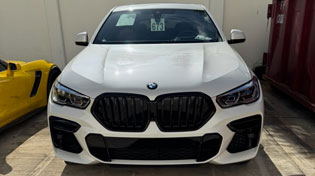
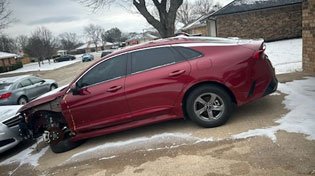
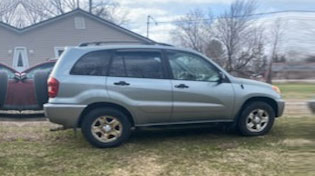
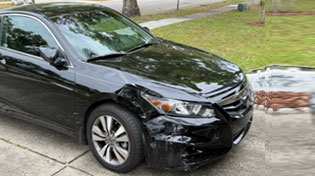
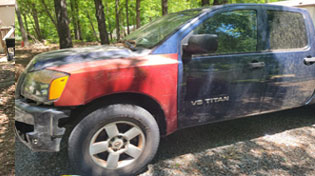
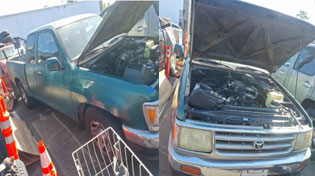

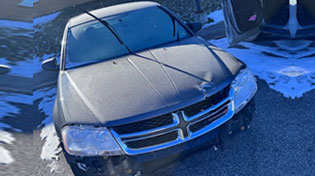
Junk, Damaged, and Non-Running Vehicles
You can request an evaluation for a car with a failed engine or transmission, accident damage, missing parts, serious corrosion, or known water or fire damage. A vehicle that will not start may still be considered. Its ability to roll, steer, and be accessed is important to disclose, especially if special equipment might be needed to move it.
Submitting the vehicle does not guarantee a purchase. Acceptance may depend on the vehicle's actual condition, ownership documents, and collection arrangements. Do not repair or move the car solely on the assumption that an offer will be made.
How the Offer and Collection Process Works
- Submit the vehicle details. Use the existing form to share the year, make, model, ZIP code, and contact information.
- Provide more information if requested. Describe damage, missing parts, mileage, title status, and where the car is parked. Review any offer and its conditions.
- Confirm the transaction. Establish the ownership documents required, whether collection can be arranged, any fees, and the proposed payment method and timing.
- Complete an agreed sale. Follow the applicable title-transfer steps, remove belongings and license plates, and retain the transaction records.
An inquiry does not establish an instant offer, a guaranteed purchase, a fixed collection date, or payment at pickup.
What Affects a Junk Car Offer?
A car's age is only one factor in evaluating it. The relevant details also include its defects and the practical steps needed to complete a lawful transaction.
| Factor | Why it matters |
|---|---|
| Year, make, model, and mileage | Identify the vehicle and help assess its possible uses. |
| Mechanical, body, and structural condition | Major problems can limit repair or parts possibilities. |
| Missing components and ability to move | A car that cannot roll or steer may require different collection arrangements. |
| Title, liens, and ownership | The documents determine whether a lawful transfer can proceed. |
| ZIP code and collection access | Availability and movement arrangements depend on the actual location. |
No statewide or Port St. Lucie payout amount is guaranteed. Confirm the proposed amount, any applicable charges, and payment terms before accepting.

Florida Title and Ownership Requirements
Electronic Titles and Missing Paper Titles
A Florida title may exist electronically even when the owner does not have a printed certificate. FLHSMV's electronic-title guidance explains that title records can remain in its database until paper documentation is requested. Owners without an outstanding lien can review the available paper-title options through FLHSMV or a county tax collector.
If an issued paper title was lost, stolen, or damaged, FLHSMV's duplicate-title guidance explains the replacement process using Form HSMV 82101. Do not treat an electronic record, a lost paper title, and a missing ownership record as the same problem. Confirm the appropriate transfer procedure before releasing the vehicle.
Liens, Salvage, and Destruction Documents
For an ordinary transfer, Florida Statute 319.22 sets out title-assignment requirements. Ownership listed with "and" generally requires both co-owners to endorse the title; ownership listed with "or" has different rules. Provide the correct buyer information and any applicable odometer disclosure.
Disclose an outstanding loan or recorded lien before proceeding. Florida Statute 319.27 addresses lien records, and a release or other authorized documentation may be necessary. Do not assume ByeCar will pay off a lender or secure a release.
Florida distinguishes salvage, rebuilt, and certificate-of-destruction situations. Statute 319.14 addresses required rebuilt and other title branding, while Statute 319.30 governs salvage, dismantling, and destruction transactions. Disclose the actual document and brand; do not assume every status follows an ordinary title transfer or is accepted for purchase.
Florida's Limited Derelict-Vehicle Procedure
Florida Statute 319.30 provides a separate process for certain derelict motor vehicles, including qualifying vehicles at least 10 model years old, valued under $1,000, and primarily valuable for dismantling or scrap. A licensed salvage motor vehicle dealer or registered secondary metals recycler must follow the applicable identity, documentation, lien-check, reporting, and handling requirements.
The $1,000 threshold is a statutory classification, not an estimate or ByeCar offer. If the normal title, salvage title, or certificate of destruction is unavailable, the statute requires a derelict motor vehicle certificate application for a qualifying transfer. The applicable licensed salvage dealer or registered recycler must document the seller's identity and comply with reporting, lien-review, and required vehicle-holding safeguards. Mere possession by a towing company, repair shop, or landlord does not establish authority to use this process. Nothing here confirms ByeCar's qualification or willingness to accept a vehicle without standard title documents.
Florida Seller Responsibilities After a Sale
Before releasing the car, complete the appropriate transfer documents and remove its Florida license plate. Under Florida Statute 320.0609, the plate remains with the registered owner and must be removed for transfer to an eligible replacement vehicle or returned. If you plan to surrender the plate, do so before canceling the vehicle's insurance. FLHSMV warns that canceling coverage while the plate and registration remain active may lead to a suspension. Confirm the applicable plate, registration, and insurance steps before completing the transaction.
For a covered transfer, Florida Statute 319.22 generally requires a seller's notice within 30 days; the provision excludes certain dealer and insurance transactions. Form HSMV 82050 is the Notice of Sale and/or Bill of Sale. Keep your title-transfer, sale-notice, and payment records. Submitting a notice does not itself replace the buyer's title-transfer obligations.
Port St. Lucie Rules for Inoperative Vehicles
Enclosed Storage and Residential Property
The City of Port St. Lucie's Code Compliance guidance says that vehicles must be road-ready, including current tags or registration, to be considered operative. Under Section 41.08(E), an inoperative vehicle may not be parked, kept, or stored on premises unless it is in an enclosed structure.
A damaged or non-running car should not automatically be moved outdoors while awaiting collection. Check the actual vehicle status and the rules applicable to its property before changing where it is stored.
Front Yards, Swales, and Shared Access
The same city parking guidance restricts parking on the broad front-lawn area, public rights-of-way, and unimproved property under Section 72.01(H). Separate swale-parking provisions, Sections 72.01(G) and 72.02(B), address permission for a neighboring swale, the direction of traffic, and a 12-inch distance from pavement.
Those general parking rules do not override the restrictions on inoperative-vehicle storage or authorize a buyer to collect a car from property without permission. Confirm a lawful, accessible pickup location instead of moving the vehicle into a prohibited area.
Preparing a Junk Car for Collection
Tell ByeCar whether the vehicle can roll, steer, and brake, and whether it has keys and wheels. Describe a narrow garage entrance, locked gate, obstructed driveway, or parking area that may require the property owner's approval. If the car is at a repair shop or storage facility, clarify who may release it and whether unpaid storage or other restrictions must be resolved.
Three Things to Confirm Before Collection
- Documents: Are the named owners, title or approved transfer records, and any lien release ready?
- Access: Can the car be reached and moved lawfully, with permission from whoever controls the property?
- Terms: Have you confirmed the amount, potential collection charges, payment method, and timing?
Do not assume a vehicle will be collected from every ZIP code or that towing will be free. Arrangements must be confirmed for the actual car and address.
Repairing Versus Selling an Unwanted Car
Compare a written repair estimate with what the vehicle may be worth after repairs. Consider likely additional work, the time needed to sell privately, and the uncertainty of restoring a heavily damaged or non-running car. Repair may make sense if the result is dependable; requesting an as-is offer provides an alternative when the costs no longer work for you.
Port St. Lucie and Florida Service Information
For statewide buying information and links to other Florida cities, visit the Florida junk-car buying page. The national junk-car service hub provides broader location navigation. Confirm availability for the vehicle's actual location.
Request an Offer for Your Port St. Lucie Vehicle
Enter your car's year, make, model, and ZIP code through the form on this page. Be ready to share its condition, title status, and access details if requested. Review any proposed price, required documents, collection arrangements, and payment terms before accepting.
Frequently Asked Questions About Junk Cars in Port St. Lucie
Can I request an offer for a non-running car in Port St. Lucie?
Yes. Submit its details for evaluation and explain whether it rolls, steers, and has major missing parts. A request does not guarantee purchase or collection.
What information should I provide for a junk-car offer?
Start with the year, make, model, ZIP code, and your contact details. Be prepared to describe damage, mileage, missing components, title status, and pickup access if more information is needed.
Do I need a paper title if Florida has an electronic title?
You do not need a paper title simply to request an offer. Florida maintains electronic title records, but completing a sale may require converting a lien-free electronic title to paper; licensed Florida dealership transactions can follow different procedures. Follow FLHSMV's electronic-title guidance and confirm which transfer documents apply to the actual purchaser before releasing the vehicle.
What if the title is lost, the vehicle has a lien, or it has salvage documents?
A lost paper title may require Form HSMV 82101. A lien may require release documentation, while salvage or destruction documents have separate rules. Disclose the status early; do not assume ByeCar can accept alternative paperwork or resolve a loan.
What should I do with my Florida license plate and Notice of Sale?
Remove the license plate before handing over the vehicle and follow Florida's transfer or surrender process. For a covered sale, submit Form HSMV 82050 within 30 days. Certain dealer and insurer transactions are excepted, so check the rule that applies.
Can a car be collected from a garage, repair shop, or restricted parking area?
Possibly, depending on mobility, access, property permission, and available collection arrangements. Explain gates, blocked wheels, shop-release requirements, or storage charges. Do not move an inoperative vehicle to a prohibited front-yard or swale location just to arrange pickup.
Are towing charges, pickup timing, or payment methods guaranteed?
No. Confirm collection availability, any applicable fees, scheduling, and the agreed payment method and timing for your vehicle. ByeCar's published disclosure says payments are typically by check or wire transfer; the service name does not promise physical cash or free towing.