

 Over 25,000 cars purchased nationwide

An unwanted car in Lakeland does not have to be roadworthy for you to ask about selling it. Start with its year, make, model, and the ZIP code where it is parked. Be ready to describe its condition and title status. You can then review any proposed offer and collection terms before deciding whether to proceed.
What Affects a Junk Car Offer in Lakeland?
A vehicle's age alone does not determine its value. Two cars of the same model and year may receive different offers if one runs, one has collision or water damage, or one is missing essential components. A buyer may consider usable parts, repair or resale potential, scrap value, documentation, and the costs involved in collecting the vehicle.
| Factor | Details worth disclosing |
|---|---|
| Vehicle information | Year, make, model, mileage, and whether the VIN and keys are available. |
| Mechanical and body condition | Whether it starts, drives, rolls, steers, or has major damage. |
| Water, fire, or collision history | Known damage to the engine, interior, electrical systems, body, or frame. |
| Missing parts | Wheels, battery, catalytic converter, engine, transmission, or other significant components. |
| Ownership and location | Paper or electronic title, liens or title brands, and where the car can be collected. |
If you are weighing repairs against selling, compare the total repair cost with the car's likely value after repair. A repair bill does not necessarily increase the eventual selling price by the same amount. Vehicle examples from other places are not dependable estimates for your car in Lakeland.

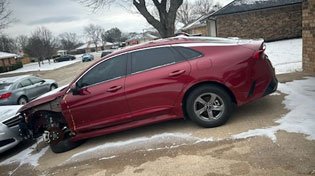
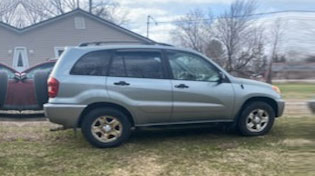
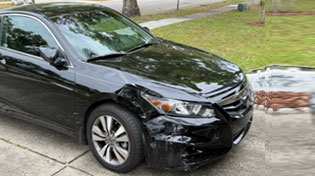
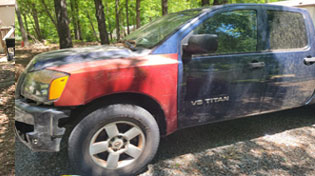
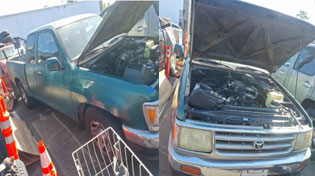

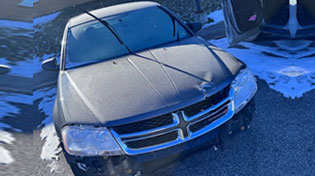
What Vehicles Can You Request an Offer For?
You can submit details for many common problem-vehicle situations. The important first step is describing the car accurately, not assuming every condition or ownership issue will be accepted.
- Non-running cars: Vehicles with engine, transmission, starting, or other mechanical problems.
- Accident-damaged or totaled cars: Vehicles with body, frame, or safety-system damage, including those with insurance-related title changes.
- Water- or storm-damaged cars: Vehicles with actual water intrusion, electrical problems, interior damage, or a flood-related title brand. Do not assume a car is flood damaged merely because it was parked in Florida during a storm.
- High-mileage or long-stored cars: Vehicles that are worn out, unused, or have not moved in an extended period.
- Vehicles with missing parts: Cars without wheels, a battery, a catalytic converter, or other major components.
- Salvage- or rebuilt-title vehicles: Cars with a title designation that must be reviewed as part of eligibility.
These examples are reasons to request an evaluation, not a guarantee of purchase. For deeper condition-specific guidance, see the damaged-car buying page.
Where Can Junk Car Pickup Be Arranged in Lakeland?
Provide the ZIP code where the vehicle is actually located, not just your home or mailing address. For a car in Lakeland or elsewhere in Polk County, collection eligibility needs to be confirmed for the specific address. A location within city limits does not automatically establish that pickup is available.
Explain whether the vehicle sits in a driveway, apartment parking area, repair facility, storage yard, garage, or behind a locked gate. If it will not roll or steer, has flat or missing tires, or cannot be reached by a normal tow truck, say so before any collection appointment is discussed. Those details can affect equipment needs and whether the vehicle can be removed safely.
For a car held by a repair shop or storage facility, find out who is authorized to release it and whether unpaid repair, towing, or storage charges must be resolved. Ask who will arrange collection, whether access restrictions affect the proposed offer, and whether any towing or other fees apply. Confirm timing rather than relying on a general same-day or free-pickup promise.

What Paperwork Do You Need to Sell a Car in Polk County?
For an ordinary Florida vehicle sale, the seller generally must properly assign the title and complete the required buyer, sale, and applicable odometer information. The Polk County Tax Collector explains the documents and identification used for a title transfer.
Florida's title-transfer law also distinguishes joint ownership. If two owners are listed with "and," both generally must sign to transfer the title. If they are listed with "or," either co-owner may endorse the title under the statute. Check the actual ownership record before completing the transaction.
Confirm that the seller has the legal authority to transfer the car. Disclose recorded liens, inherited ownership, and out-of-state titles before accepting an offer. These situations may require additional documents, and a buyer's willingness to consider the car does not replace Florida's legal requirements.
What if Your Florida Title Is Electronic, Lost, or Branded?
An electronic Florida title is an ownership record held by the state. It does not mean the title is missing. The Polk County Tax Collector explains how an owner can request a paper title through Florida's MyDMV Portal or an authorized tag agency or service center. Confirm what is required for your particular transfer before requesting one.
If a paper title has been lost or destroyed, Florida provides Form HSMV 82101 for eligible duplicate-title applications. Ask the Tax Collector which application procedure applies, particularly if the duplicate and ownership transfer need to be completed together. A registration card or ordinary bill of sale does not automatically replace the required title.
A salvage title, certificate of destruction, and ordinary certificate of title have different legal purposes. Disclose the exact document type and any recorded lien. Do not assume the vehicle can be sold using the same procedure as a clean-title car.
Florida also has a limited derelict motor vehicle procedure under section 319.30. For an ordinary motor vehicle, the definition includes a value below $1,000, an age of at least 10 model years, and a primary value in dismantling or scrap. The alternative documentation process is restricted to qualifying transactions involving authorized salvage dealers or registered secondary metals recyclers.
Those legal conditions do not establish that ByeCar can accept your vehicle without a title. The $1,000 figure is part of the statutory definition, not a purchase-price guarantee or estimate. Confirm the actual purchaser's eligibility and required documents before arranging collection.
What Should You Do After Selling the Vehicle?
For most nonexempt Florida motor vehicle sales, the seller must notify the Florida Department of Highway Safety and Motor Vehicles within 30 days after the transfer. Florida Statute 319.22 identifies exceptions for transfers to or by licensed motor vehicle dealers and certain transactions involving insurers that take possession under an insurance policy.
Florida uses Form HSMV 82050, Notice of Sale, for applicable transactions. Be prepared to provide the vehicle identification number and the required buyer details. Confirm whether an exception applies to the actual purchaser rather than assuming a junk-car transaction is automatically exempt. The state's selling-a-vehicle guidance provides additional instructions.
Remove your Florida license plate before the vehicle is collected. Under section 320.0609, the plate generally must be returned or lawfully transferred to a replacement vehicle. A plate cannot simply be attached to another vehicle without completing the required transfer procedure.
If you plan to cancel the insurance associated with a current Florida plate, resolve the plate surrender or authorized transfer first. Check with the Tax Collector or FLHSMV about the appropriate sequence to avoid registration or financial-responsibility problems.
Keep copies of the completed title assignment, bill of sale or transaction records, buyer information, Notice of Sale confirmation when applicable, and plate surrender or transfer documentation. These records may help resolve later questions about ownership or registration.
How Do the Offer, Pickup, and Payment Work?
1. Request an evaluation. Submit the vehicle's make, model, year, ZIP code, and contact information through the existing form. This begins the inquiry; it does not guarantee an immediate final purchase price.
2. Describe the car and review the proposed terms. Share mileage, damage, missing parts, title status, and the precise pickup location. Ask which details have been verified and what could change the proposed amount.
3. Confirm the collection and payment arrangement. Before accepting, establish whether pickup is available, which party arranges it, any charges or access requirements, and how and when payment would be issued. The marketing phrase "cash for junk cars" does not by itself promise physical currency or on-the-spot payment.
4. Complete an authorized handoff. Have the required ownership documents ready, identify the party collecting the car, and verify the agreed transfer and payment process. Florida seller responsibilities may still apply even when a buyer provides paperwork assistance.
Before the Car Leaves Your Property
Remove personal belongings and retrieve your license plate. Check that the VIN, keys, wheels, and access conditions match what you told the buyer. If components have been removed since the offer was discussed, disclose the change before pickup. Keep copies of signed paperwork and confirm that anyone releasing the car has legal authority to do so.
- Vehicle details: Know the year, model, mileage, running condition, missing components, and any water or collision damage.
- Ownership documents: Check the title format, co-owner signatures, recorded liens, identification, and applicable transfer or notice requirements.
- Collection readiness: Confirm the address, access permissions, keys, mobility of the car, pickup timing, and all payment and towing terms.
Other Florida Locations and Selling Options
For statewide service information, see cash for junk cars in Florida. If your vehicle is located in another Florida metro area rather than Lakeland, use the corresponding Tampa or Orlando page. Use the actual vehicle location when requesting an offer.
Ready to Request an Offer for Your Lakeland Car?
Start with the existing quote form and provide accurate vehicle and location details. You can ask about documentation, eligibility, pickup access, and payment before accepting any proposed transaction. There is no need to promise repairs or describe a non-running car as drivable.
Lakeland Junk Car Selling FAQs
These answers cover common selling situations. Florida law and official agency instructions control legal title and registration requirements; individual buyers set their own acceptance and collection policies.
What if my Florida car title is electronic or missing?
An electronic title is maintained in Florida's records and is not automatically a lost title. You can request a paper title through the appropriate state or Polk County process if one is needed for the transaction. For a lost or destroyed paper title, Florida uses Form HSMV 82101 for eligible duplicate-title applications. Check the procedure before agreeing to transfer the vehicle. A bill of sale does not automatically replace a required title.
Can I request an offer for a non-running or water-damaged car?
Yes, you can submit details for review. Explain whether the car starts, rolls, or steers and describe actual water intrusion, electrical issues, or other damage. Eligibility and the proposed amount depend on the vehicle, documents, and collection location.
Can a vehicle with a salvage title or certificate of destruction be considered?
You can ask about the vehicle, but these documents have different legal consequences. Disclose the exact designation and do not assume it can be transferred like a clean title. Acceptance must be confirmed for the specific transaction.
What if the car is at a repair shop or behind a locked gate?
Give the actual address, the person authorized to release it, access restrictions, and any storage or repair charges. Collection may depend on permissions, equipment, and service availability. Confirm arrangements before scheduling.
Is towing free, and how and when will I be paid?
Confirm both questions for your particular offer. Ask whether collection is available and whether towing, storage, or unusual access creates fees. Also confirm the payment method, the date payment will be issued, and when funds should become available. Neither free towing nor instant cash payment should be assumed.
Do I need to file a Florida Notice of Sale and remove my license plate?
For most nonexempt Florida vehicle sales, the seller must notify the state within 30 days, generally using Form HSMV 82050. Florida law provides exceptions for certain licensed-dealer and insurer transactions, so confirm which applies. Remove your plate before the car leaves and either return it or complete an authorized transfer. Resolve the plate and registration requirements before canceling related insurance. See Florida's transfer law for the notification rules.

