

 Over 25,000 cars purchased nationwide

Selling a Junk Car in Palm Bay
A car that will not start, has serious damage, or is no longer practical to repair may still be worth submitting for a purchase offer. ByeCar's quote form lets Palm Bay owners begin with the vehicle's year, make, model, and ZIP code. Be ready to explain its actual condition, ownership documents, and where it is parked before an offer or collection arrangements are confirmed.
If the car is roadworthy and needs only modest repairs, compare a conventional used-car sale before deciding. If it cannot be driven or the work needed is more than you want to invest, a junk-car offer gives you another option to evaluate. You can review the proposed amount and transaction terms before deciding whether to proceed.

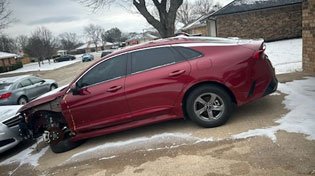
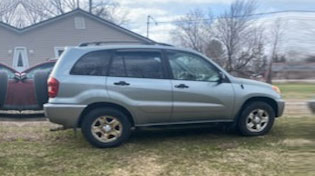
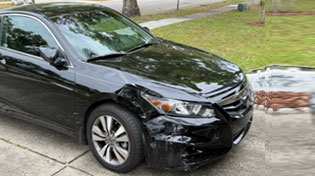
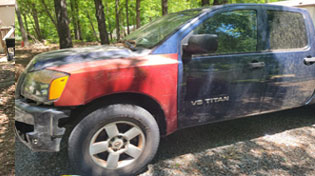
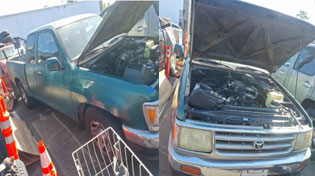

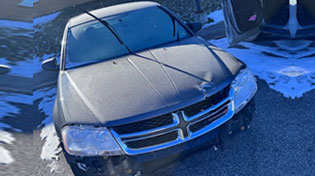
What Types of Vehicles Can Be Evaluated?
Cars with major mechanical problems
You can request an evaluation for a vehicle with a failed engine, transmission trouble, repeated overheating, or electrical problems that prevent it from starting. Explain whether it starts, drives, rolls, steers, brakes, and shifts into neutral. A car that cannot roll may need different collection equipment from one that can be loaded normally. For more detail, see selling a non-running car.
Accident-damaged, incomplete, and water-damaged vehicles
Describe collision or structural damage, missing wheels or keys, removed components, or a salvage or rebuilt title. If the vehicle has been exposed to water, explain what happened and whether the interior, electronics, or engine were affected. Do not try to start or drive a potentially unsafe flood-damaged car just to test it for a quote. See the water-damaged car guide for more condition-specific information. Evaluation and pickup eligibility depend on the individual vehicle.
What Affects a Junk Car Offer in Palm Bay?
There is no reliable citywide price for every junk car. The same make and model can have different value depending on its condition, remaining components, ownership status, and the work required to collect it. Accurate details are more useful than choosing a general label such as "old" or "broken."
| What to share | Why it matters |
|---|---|
| Year, make, model, and approximate mileage | Identifies the vehicle and its specifications. |
| Starting and driving condition | Shows whether it is usable or needs special loading. |
| Damage, title brands, and missing parts | Helps describe what remains and what cannot be reused. |
| Paper or electronic title and any lien | Establishes which ownership-transfer steps may be necessary. |
| Exact ZIP code and parking arrangement | Helps assess collection access and logistics. |
| Keys, wheels, steering, and brakes | Helps determine whether the vehicle can be moved safely. |
A request is not a guaranteed price. If you discover additional damage or a document problem, disclose it before accepting an offer or booking collection. If the car still has meaningful resale value as a functioning vehicle, it is reasonable to compare alternatives.
How the Selling Process Works
Start by submitting the basic vehicle details. Further questions may cover damage, title status, keys, mileage, and the pickup location. Review any offer before agreeing to sell. Confirm the buyer's identity, ownership documents, agreed amount, pickup arrangements, possible charges, and payment method and timing. The first form submission is a request, not a promise of immediate payment or a confirmed collection appointment.
Preparing a Junk Car for Pickup in Palm Bay
Collection arrangements depend on the vehicle and where it is parked. Describe the actual location, not just the neighborhood. A driveway, apartment complex, garage, public street, and secured storage facility can present different access requirements. Confirm whether the agreed collection service includes loading and any applicable costs for your particular vehicle.
Non-running cars and difficult access
Tell the buyer about missing keys or wheels, flat tires, seized brakes, locked steering, low-clearance garages, gated areas, narrow driveways, or a car blocked by other vehicles. Mention standing water or other hazards when relevant. Do not move an unsafe or heavily damaged car solely to make collection easier. Ask what access and equipment will be necessary.
Repair shops, storage yards, and other controlled properties
If the car is at a mechanic, body shop, storage lot, or impound facility, check who is authorized to release it. Ask whether storage, towing, or repair charges remain due and obtain any required release permission. A separate business's outstanding charges are not automatically part of a junk-car buyer's offer. Agree on a lawful, accessible collection location before scheduling.

Florida Title and Ownership Requirements
Before arranging the handoff, check whether the vehicle has a Florida paper title, an electronic title, an outstanding lien, or a salvage or rebuilt designation. These are different situations. The correct documents depend partly on who actually buys the vehicle and the type of transaction.
Paper titles and electronic Florida titles
For a paper-title transfer, confirm that the VIN matches the vehicle and complete the buyer's name, sale price, signatures, and any required odometer entry. Florida's title-transfer law distinguishes co-owners whose names are joined by "and" from those joined by "or," so check who must sign. The Brevard County Tax Collector explains standard assignments. An electronic Florida title is a valid ownership record, not a missing title. A licensed dealer may have electronic-transfer options that differ from a private sale; another transaction may require a paper title or agency assistance. Verify the actual buyer and transfer method before collection. See FLHSMV's electronic-title guidance.
Lost paper titles and existing liens
If a paper Florida certificate has been lost or damaged, the state provides a duplicate-title process using Form HSMV 82101. Ask about the application and applicable owner or lienholder signatures before planning the sale. A bill of sale alone does not automatically replace a required certificate. An outstanding loan or recorded lien can also prevent an ordinary private transfer until the lender's interest has been properly resolved. The Brevard County title and duplicate-title instructions are a useful starting point.
Salvage, rebuilt, and qualifying derelict vehicles
Disclose salvage, rebuilt, flood, or other title brands and any insurer total-loss history you know. Florida's Section 319.14 addresses disclosures for certain branded vehicles, while Section 319.30 covers salvage, destruction, and derelict-vehicle rules. Its special derelict process applies only under specified conditions, including a motor vehicle at least 10 model years old, valued at less than $1,000, and intended for an eligible licensed salvage dealer or registered metals recycler. That is a statutory classification threshold, not a ByeCar purchase offer. The required application and ownership checks still matter. Do not assume your vehicle or its buyer qualifies for this alternative.
Seller notice and license plates
Under Florida Statute 319.22, an owner or co-owner who sells and delivers a motor vehicle generally must notify FLHSMV within 30 days. The statute excepts certain transfers to or by licensed motor vehicle dealers and transfers to qualifying insurers. Confirm the buyer of record and whether Form HSMV 82050 or another applicable procedure is required. Separately, Florida Statute 320.0609 requires the owner to remove the registration plate when disposing of the vehicle and return it or transfer it to an eligible replacement vehicle. Review the Brevard County plate instructions before canceling insurance tied to an active registration.
What to Prepare Before the Vehicle Is Collected
Three checks can prevent avoidable confusion at the handoff:
- Ownership: Find the paper title or verify the electronic record, identify every titled owner, and disclose any lender, title brand, or document problem. Have photo identification and the required signatures available.
- Vehicle and location: Remove belongings and personal records, locate available keys, describe missing parts and damage, and arrange permission for access to the parked vehicle.
- Agreed terms: Record the purchaser's name, vehicle VIN, purchase amount, collection details, fees if any, payment arrangements, and copies of signed transaction documents. Check which seller notices and plate steps apply afterward.
Do not sign an incomplete title assignment or hand over the vehicle based solely on a verbal promise about payment or paperwork.
Palm Bay and Brevard County Service Information
Whether the vehicle is in Port Malabar, Lockmar Estates, Riviera, or another part of Palm Bay, provide its exact ZIP code and parking details to confirm whether collection can be arranged. Neighborhood names alone do not guarantee coverage or timing. For service requests elsewhere in the state, see the Florida junk-car buying page.
For title, plate, or registration questions, the Brevard County Tax Collector's Palm Bay branch is at 450 Cogan Drive SE, Palm Bay, FL 32909. It is a government motorist-services office, not a ByeCar location. Check the county's official office details before visiting.
Frequently Asked Questions About Selling a Junk Car in Palm Bay
Can I request an offer if the car will not start or move?
Yes. Submit the vehicle details for evaluation, even if it does not run. Say whether it rolls and steers and whether the keys or wheels are missing. Acceptance and the necessary collection arrangements still depend on the individual vehicle.
Can the car be collected from an apartment lot, repair shop, or storage yard?
Possibly. Explain the location and access restrictions before scheduling. A shop or storage facility may require permission to release the car, and outstanding third-party fees may need to be settled independently. Ask who will collect it and what access they require.
Can I sell a car that has an electronic Florida title?
A Florida electronic title is a valid ownership record. The required transfer method depends on the buyer and the transaction; a licensed dealer may use procedures different from a private buyer. Confirm whether electronic reassignment, a printed certificate, or an agency visit is necessary before agreeing to pickup.
What if I lost my paper Florida title?
Florida provides a duplicate-title application using Form HSMV 82101. Verify the title record and any lien first, then follow the applicable Brevard County duplicate-title guidance. A missing certificate does not guarantee that a buyer can legally complete the transaction without it.
Can I sell a car with a lien or salvage title?
Disclose the lien or title brand when requesting an offer. A lender's interest may need to be satisfied or released, and salvage or rebuilt status may call for different documents. Ask what the proposed buyer can accept before confirming the sale.
Is pickup included, and when would I be paid?
Confirm both points for your specific transaction. Give the ZIP code, vehicle condition, and access information, then ask whether collection is included and whether any charges apply. Agree on the payment method, amount, issuance timing, and availability of funds before releasing the vehicle.
Are removing my plate and reporting the sale the same step?
No. Florida Statute 320.0609 addresses removal and return or transfer of the plate. Section 319.22 separately governs seller notice, generally within 30 days for qualifying sales, with specified dealer and insurer exceptions. Confirm the buyer of record and use the Brevard County Tax Collector's guidance for plate handling.
Request an Offer for Your Palm Bay Junk Car
Use the quote form on this page to share your vehicle's basic details. When asked, include major damage, title or lien issues, missing parts, and collection restrictions. Review the confirmed offer, payment arrangements, documents, and pickup terms before deciding whether to sell.