

 Over 25,000 cars purchased nationwide

Sell Your Junk Car in Tampa
If you have a junk, damaged, or non-running car in Tampa, you can submit it to ByeCar for evaluation. A car does not need to be drivable to request a review, but whether it can be purchased depends on its condition, ownership documents, and location.
Start with the year, make, model, ZIP code, and contact details requested in the form. Be ready to explain whether the vehicle starts, rolls, and steers; describe significant damage, missing parts, and the title status. Accurate information helps the evaluation and any later discussion about collection.
How the ByeCar Offer Process Works
- Submit the vehicle details. Complete the existing inquiry form. Additional photos or condition information may be requested.
- Review the evaluation. Any proposed offer depends on the vehicle and the information provided. An inspection or clarification may be needed.
- Confirm the transaction terms. Discuss title requirements, the offered amount, possible pickup arrangements or costs, and the payment method and timing.
- Complete an agreed sale. Follow the applicable Florida ownership-transfer procedure. Confirm the handoff before releasing the car or signed title documents.

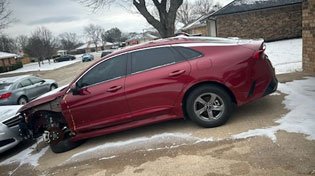
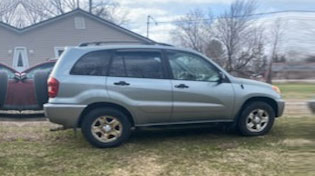
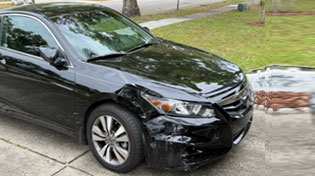
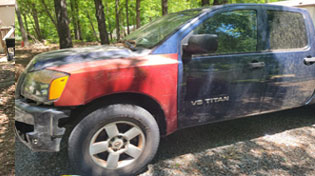
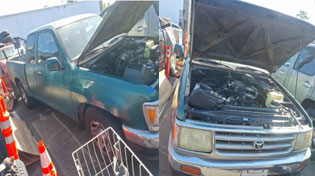

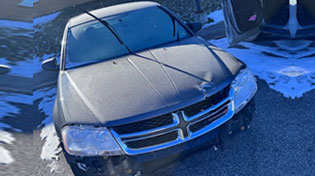
Junk, Damaged, and Non-Running Cars in Tampa
You can request an evaluation for a car with engine or transmission failure, collision damage, water exposure, severe corrosion, or other problems that make it costly or impractical to keep. A vehicle may also have missing wheels, a catalytic converter, or other major components. These examples do not guarantee that a purchase will be possible.
Explain the actual condition rather than describing every unwanted vehicle as the same kind of junk car. A car that starts but cannot drive may present different loading requirements from one with locked wheels or a missing engine. For more specific guidance, see selling a non-running car and selling a damaged car.
What Affects a Junk Car Offer in Tampa?
The vehicle's value cannot be determined from its age or ZIP code alone. Relevant factors include:
- Vehicle details: Year, make, model, mileage, and configuration.
- Condition: Whether it starts or moves, and the extent of mechanical, collision, structural, or water damage.
- Missing components: Major parts such as the engine, transmission, wheels, or catalytic converter.
- Ownership documents: A transferable title, recorded liens, and any salvage-related designation.
- Location and access: Where the vehicle is stored and whether suitable equipment can reach it.
A price offered for a different car does not establish what yours is worth. If you are deciding between repairing and selling, compare realistic repair costs and risks with the terms of an actual offer.

Florida Title Requirements for Tampa Sellers
Florida's ownership-transfer rules apply even when a vehicle is damaged or no longer roadworthy. Those legal requirements are separate from ByeCar's decision about whether particular documents or vehicles qualify for purchase.
Paper and Electronic Florida Titles
For a standard paper-title sale, complete the assignment with the actual purchaser's information, the required signatures, sale details, and odometer disclosure when applicable. Do not leave the buyer's name blank. The Hillsborough County Tax Collector's title-transfer guidance explains the information needed for a Florida title transfer, and Florida Statutes section 319.22 governs title assignment.
An electronic Florida title is an official ownership record, not a lost title. Depending on the buyer and transaction, you may need to request a paper title or follow another approved transfer procedure. The Hillsborough County title services explain options for printing electronic titles. Confirm the correct process before signing or handing over the vehicle.
Missing Titles and Outstanding Liens
If a paper Florida title has been lost or destroyed, the owner or eligible lienholder can pursue a duplicate through the applicable state process. The Hillsborough County duplicate-title instructions explain who can apply and what documents may be needed. An active recorded lien must also be addressed through the appropriate release process. A bill of sale alone does not automatically replace a transferable title, and submitting a form to ByeCar does not guarantee no-title acceptance or lien payoff.
Notice of Sale and License Plates
Under Florida Statutes section 319.22, a seller who transfers a motor vehicle to an ordinary purchaser must generally notify FLHSMV within 30 days. That notice requirement does not apply to a transfer to or by a licensed motor vehicle dealer, or to an insurer taking possession of the vehicle or its title under an insurance policy. The official Form HSMV 82050 can serve as a Notice of Sale when applicable. Confirm the actual purchaser's legal identity and which reporting procedure applies to your transaction.
Florida license plates normally stay with the seller rather than the sold vehicle. Remove the plate before handoff. If you sell the vehicle and are not transferring the plate to a replacement vehicle, Hillsborough County instructs you to surrender the plate. Address that requirement before canceling insurance to avoid a possible driver license suspension. See the Hillsborough County license-plate guidance. Keep copies of your sale and title documents.
Salvage Records and Local Title Assistance
Disclose a salvage designation, insurance total-loss history, or certificate of destruction. Florida law distinguishes salvage-related titles, certificates of destruction, and special derelict-vehicle procedures for qualifying parties. These are not general exceptions allowing an ordinary seller to transfer any car without ownership evidence. See Florida Statutes section 319.30.
The Hillsborough County Tax Collector processes vehicle-title transactions, including transfers and duplicates. Its Downtown Tampa office is at 601 East Kennedy Boulevard, County Center, 14th Floor, Tampa, FL 33602. This is a government office, not a ByeCar location. Check its official office information before visiting.
Flood-Damaged Vehicles in Tampa
If a car was exposed to stormwater or flooding, report the actual water exposure rather than assuming that every vehicle in a flood-prone area was damaged. Helpful details include the approximate water level, whether the water entered the cabin, whether the car was started afterward, visible electrical problems, and any insurance or title designation.
Flood damage may not be visible at first. NHTSA's flood-damaged vehicle guidance recommends careful assessment before trying to start a flooded vehicle. For a hybrid or electric vehicle with possible battery damage, avoid touching high-voltage components or attempting to charge or operate it; seek qualified safety guidance. NHTSA also warns against parking a flood-damaged vehicle with a lithium-ion battery in a garage or close to buildings or other vehicles. For selling considerations, see vehicles with water damage.
Tampa and Hillsborough Vehicle-Storage Questions
Property rules depend on whether the vehicle is within Tampa city limits or in unincorporated Hillsborough County. The City of Tampa Neighborhood Enhancement Division investigates suspected city code violations, including abandoned or inoperative vehicles. In unincorporated areas, Hillsborough County's property-maintenance code separately addresses nuisance conditions involving inoperable vehicles.
A Tampa mailing address alone does not determine the enforcement authority. If you received a notice about a vehicle, read the specific requirements and deadlines and contact the responsible agency. Requesting an offer does not suspend a code-enforcement obligation or establish that collection can happen before a deadline.
Preparing a Non-Running Vehicle for Pickup
Before making arrangements, explain whether the car is in a driveway, apartment garage, gated community, repair shop, storage lot, or another restricted location. Report missing wheels, flat tires, locked steering, blocked access, or a vehicle that cannot roll. Property permission, clearance for loading equipment, or specialized recovery arrangements may be needed. Do not move an unsafe vehicle into a public road to make collection easier.
Three Checks Before the Vehicle Leaves
- Documents: Confirm the actual purchaser, title and lien requirements, sale records, and license-plate handling.
- Access: Share the exact pickup address, whether the car can roll and steer, and any gate, parking, or loading restrictions.
- Terms: Confirm the final amount, any pickup charges, who will collect the car, and the agreed payment method and timing.
Tampa and Nearby Florida Service Areas
This page is for vehicle inquiries in Tampa, including locations such as Seminole Heights, Ybor City, and other city neighborhoods. Provide the actual ZIP code and pickup address so availability can be reviewed. A Tampa inquiry page does not guarantee access to every parking facility or property.
For vehicles elsewhere in the region, use the dedicated Brandon, Riverview, or St. Petersburg pages, or browse the Florida service directory. For locations in other states, see the national junk-car service page.
Request an Offer for Your Tampa Car
Submit the vehicle details using the existing offer form. If you need to explain unusual title documents, flood exposure, or difficult property access, you can also contact ByeCar. Review the proposed offer and all pickup and payment terms before deciding to sell.
Frequently Asked Questions About Selling a Junk Car in Tampa
Can I request an offer for a car that does not start?
Yes. A non-running vehicle can be submitted for evaluation. Tell ByeCar whether it rolls or steers, whether major parts are missing, and where it is parked. Submission does not guarantee purchase or collection.
What if my Florida title is electronic or missing?
An electronic title is an existing ownership record; a lost paper title may require a duplicate. The correct steps depend on the title and purchaser. Check with FLHSMV or the Hillsborough County Tax Collector and confirm what the buyer requires.
Do I need to file a Notice of Sale in Florida?
Generally, a seller must notify FLHSMV within 30 days for a covered vehicle sale. The rule does not apply to transfers to or by licensed motor vehicle dealers or to an insurer taking possession under an insurance policy. Confirm the actual purchaser's status before determining which procedure applies. Form HSMV 82050 is available for applicable notices.
Can a flood-damaged or salvage-title car be evaluated?
You can submit details about actual water exposure, damage, and title branding. Those facts affect evaluation and possible safe collection. An inquiry does not establish purchase eligibility or an exception to Florida's title rules.
What should I disclose before pickup at my property?
Provide the exact location and describe gates, garages, parking restrictions, blocked access, and whether the vehicle can roll and steer. Disclose missing wheels or other damage affecting loading. Pickup arrangements and availability must be confirmed.
When and how will payment and pickup be confirmed?
Before accepting an offer, confirm whether pickup is available, any collection charge, the payment amount, method, and timing. The phrase "cash for junk cars" does not guarantee physical cash or payment when the car is collected.