

 Over 25,000 cars purchased nationwide

If a major mechanical problem has left your Virginia vehicle difficult or impractical to drive, selling it as-is may be an alternative to more repairs. Before requesting an offer, gather the year, make, model, mileage, known symptoms, whether it starts or drives, title or lien status, ZIP code, and pickup-access details.
What Affects the Value of a Broken Car in Virginia?
Value can depend on what failed, whether the vehicle starts or moves under its own power, whether major components are present, and its overall condition. Year, make, model, mileage, ownership status, and location also matter.
If you have a diagnosis or repair estimate, include it. Otherwise, describe the symptoms you have observed rather than guessing.
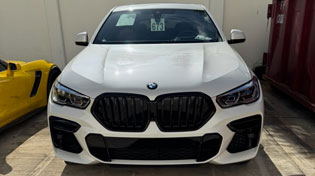
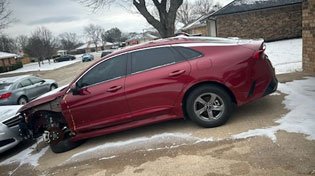
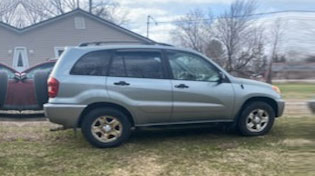
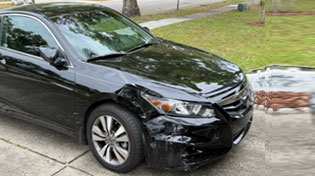
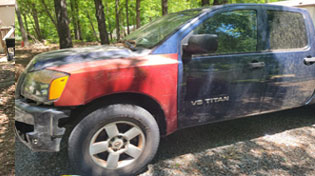
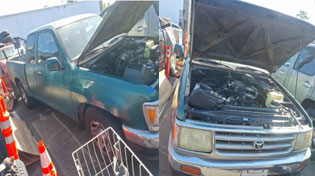

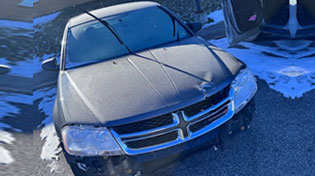
Broken and Non-Running Cars You Can Submit for an Offer
You can request an offer for a vehicle with serious engine or transmission trouble, major electrical or mechanical failure, or a condition that prevents it from starting or driving normally. For condition-specific information, see ByeCar’s blown-engine guide, broken-transmission guide, and non-running-car guide.
If the problem has been diagnosed, compare the repair estimate with how useful the vehicle would be afterward. If the diagnosis is uncertain, consider additional work plus diagnostic, towing, or storage costs. Selling as-is is one option when you do not want to keep investing in an uncertain repair.
Describe known problems and access limitations accurately. Payment terms are confirmed with the offer. ByeCar states that payments are typically made by check or wire transfer.

What Documents Do You Need to Sell a Broken Car in Virginia?
For a privately sold Virginia-titled vehicle, DMV says all owners listed on the title sign Section A. The seller also enters the buyer’s name and address, actual odometer reading, date of sale, and sale price. Review Virginia DMV’s vehicle-selling guidance before completing the transfer.
A missing paper certificate does not automatically mean the title is lost. Virginia DMV may hold an eligible title electronically, and owners can request a printed title. Virginia’s online electronic-transfer program has additional eligibility requirements, so do not assume it applies to every transaction. If a title is genuinely lost, stolen, or mutilated, use Virginia DMV’s replacement-title process.
An active lien is separate from a lost title. Make sure it has been properly released before ownership is transferred. Virginia DMV explains the applicable procedures in its lien guidance.
Before the vehicle changes hands, remove the Virginia plates. If you are not transferring them, DMV says to turn them in or inactivate them before notifying your insurer. Virginia also requires the seller to notify DMV after the vehicle is sold, traded, donated, or disposed of.
Preparing a Broken Car for Pickup
Provide the exact vehicle location and anything that could affect access. Explain whether it is at a residence, repair shop, storage facility, garage, or controlled-access property and whether it rolls, steers, brakes, has keys, or is missing major components. Pickup availability and timing should be confirmed for the specific vehicle and location.
Virginia Pickup and Service-Area Information
This page covers Virginia statewide. Provide the vehicle’s ZIP code and access details so pickup availability and logistics can be confirmed.
Share the mechanical problem and whether the vehicle starts or can be moved.
Have the applicable ownership documents, lien information, and keys ready.
Confirm the offer, payment method, pickup location, and timing before handing over the vehicle.
For related junk-car location information, ByeCar has live pages for Alexandria, Arlington, Chesapeake, Hampton, Newport News, Norfolk, Richmond, and Virginia Beach. These are junk-car pages, not broken-car silo children. Dedicated broken-car city pages should replace this navigation as they are published and verified.
If physical accident, fire, flood, hail, or structural damage is the main issue, see ByeCar’s damaged-car service. If the vehicle is genuinely end-of-life rather than simply mechanically broken, see the Virginia junk-car service.
Request an Offer for Your Broken Car in Virginia
If repairing the vehicle no longer makes sense, submit its details, known problems, ownership status, and location to request an offer. Accurate information helps clarify the next step without assumptions about price, paperwork, or pickup.
Frequently Asked Questions About Selling a Broken Car in Virginia
These answers cover common Virginia title, handoff, and emissions questions.
Can I request an offer if my car does not run?
Yes. Describe what happens when you try to start it, whether it rolls, steers, or brakes, and any diagnosis you have.
What if Virginia DMV holds my title electronically?
A valid electronic title is not a lost title. Owners can request a printed title. Virginia’s online electronic-transfer program has separate eligibility requirements, so confirm whether it applies to the transaction.
What if I genuinely lost my Virginia title?
Virginia DMV offers a replacement-title process for an owner or co-owner whose title was lost, stolen, or mutilated when no other title information needs to change.
What if there is still a lien on the vehicle?
Resolve the lien before ownership transfers. The release process depends partly on whether the lender participates in Virginia DMV’s electronic lien program.
Can a registration or bill of sale replace my Virginia title?
For a normal Virginia vehicle transfer, do not assume a registration, insurance card, or bill of sale replaces the title. If the title is genuinely lost, use the applicable DMV replacement-title process. Separate vehicle-removal or scrap procedures are not a universal no-title selling rule.
Does a broken car need a Virginia emissions inspection before it is sold?
Virginia’s emissions program applies to certain vehicles in specified Northern Virginia jurisdictions and is tied to registration or renewal. Do not assume a broken vehicle is automatically exempt; check Virginia DEQ requirements for the vehicle and location.

