

 Over 25,000 cars purchased nationwide

If you have a junk, damaged, or non-running car in Chesapeake, Virginia, you can submit its details to request an offer from ByeCar. Start with the vehicle's year, make, model, and ZIP code. An inquiry does not guarantee a purchase, a particular price, or collection at the vehicle's address. Review the proposed terms before deciding whether to sell.
What to Have Ready for a Chesapeake Junk Car Offer
The initial form requests your car's year, make, model, ZIP code, and contact details. Additional information may be needed to evaluate the vehicle:
- Condition: Does the car start or drive? Can it roll, steer, and brake? Explain major engine, transmission, body, or collision damage.
- Missing parts: Mention missing keys, wheels, battery, catalytic converter, or other important components.
- Ownership: Check the title, all named owners, any outstanding lien, and any salvage or nonrepairable status.
- Location: Specify a driveway, garage, apartment lot, repair shop, storage facility, or public street.
- Access: Describe gates, blocked wheels, tight parking, or property-manager permission needed to release the car.
Share the mileage or photos if requested. If something is uncertain, say so rather than guessing.
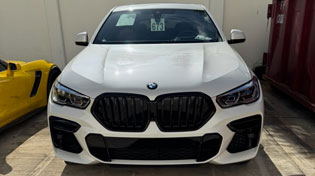
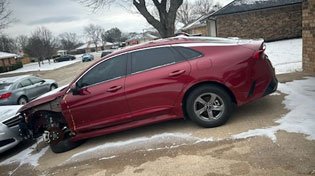
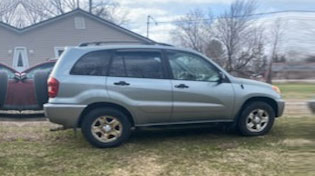
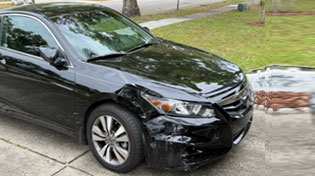
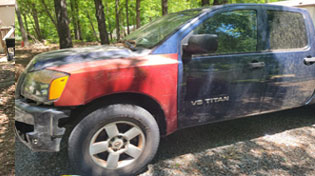
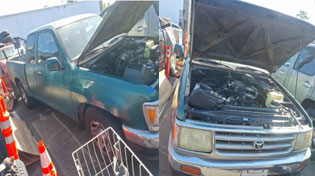

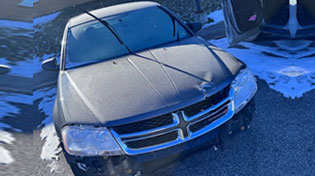
Junk, Damaged, and Non-Running Cars in Chesapeake
Vehicles with engine or transmission failure, major collision damage, hail or water damage, fire damage, structural problems, or missing components can be submitted for evaluation. A car that cannot start may still be considered. Its actual condition matters, including whether it has all four wheels, can steer, or needs special equipment to move.
Submitting a request is not a guarantee that ByeCar will purchase the vehicle. Ownership documents, condition, and collection access can affect whether an offer or pickup arrangement is available.
How the Offer and Collection Process Works
- Start the request. Enter the vehicle's basic details and Chesapeake-area ZIP code using the existing form.
- Explain its condition. Provide mileage, damage, missing parts, title status, and access details if requested. Review any offer and the assumptions behind it.
- Confirm the arrangements. Before accepting, establish which ownership documents are needed, whether collection is available at the address, possible charges, and the agreed payment method and timing.
- Complete the transaction. Follow the applicable title-transfer steps, remove personal belongings and plates, and keep the sale and payment records.
The request process does not promise an instant quote, a fixed collection date, or payment at the time of pickup.
What Affects a Junk Car Offer?
Two cars of the same year and model can be evaluated differently. These details help explain why there is no dependable set price for a junk car in Chesapeake:
| Factor | Why it matters |
|---|---|
| Year, make, model, and mileage | Help identify the vehicle and its possible repair, parts, or other uses. |
| Mechanical, body, and structural condition | Major damage may limit available uses or require additional work. |
| Missing components and mobility | A car without wheels or steering may require different movement arrangements. |
| Title, liens, and ownership | Documentation affects whether a lawful transfer can be completed. |
| Vehicle location and accessibility | Access may affect collection availability and terms. |
Compare the offer with any collection costs, documentation requirements, and payment arrangements. An advertised price for another vehicle is not a valuation for yours.

Virginia Title and Ownership Requirements
Signing Over a Virginia Title
For a typical Virginia-titled vehicle sale, Virginia DMV's buying and selling guidance instructs every owner listed on the title to print and sign as a seller. Complete the buyer's name and address, actual odometer reading, sale date, and sale price in the title assignment. Do not guess at the mileage or leave required transfer fields blank.
If a co-owner, title discrepancy, or lien makes the assignment unclear, resolve the paperwork before handing over the vehicle.
Missing, Electronic, and Lienholder-Controlled Titles
A missing paper certificate can mean different things. If the title was lost, mutilated, or illegible, Virginia DMV explains replacement titles, including applications using Form VSA 66 or VSA 67 as appropriate. If a lien remains unsatisfied, a replacement title is sent to the lienholder of record rather than the owner.
An electronic title is not a missing title. Virginia allows eligible owners to request paper documentation, but online eTitle Transfer is limited to qualifying individual buyers and sellers, not businesses. Do not assume a registration card, ID, or online transfer is sufficient for a ByeCar transaction.
Virginia also has a separate procedure for certain licensed auto recyclers that allows qualifying older vehicles to be demolished or dismantled without the recycler possessing the usual title certificate, subject to DMV reporting and ownership/lien database checks. See Virginia Code § 46.2-1608.2. This is not a general replacement for an owner's title documents and does not establish that ByeCar accepts untitled vehicles.
Salvage, Rebuilt, and Nonrepairable Vehicles
Virginia distinguishes an active salvage certificate, a rebuilt salvage vehicle, and a nonrepairable certificate. Under Virginia DMV's salvage guidance, a vehicle with an active salvage certificate cannot be registered or operated on Virginia highways. A rebuilt vehicle has separate DMV examination requirements, and its rebuilt status must be disclosed to the buyer in writing on the prescribed form when sold.
For a nonrepairable vehicle, DMV states that its certificate cannot be used as a transferable title. A bill of sale is required, and the vehicle cannot be titled, registered, or legally driven again; it may only be used for parts. Virginia Code § 46.2-1602 restricts sales of nonrepairable vehicles to Virginia-licensed auto recyclers or vehicle removal operators, or businesses comparably regulated under another state's law. Confirm the intended purchaser's eligibility and ByeCar's acceptance of the documents before arranging a sale.
Virginia Seller Checklist After an Agreed Sale
Virginia DMV instructs sellers to remove license plates before the buyer takes possession and to notify DMV when a vehicle is sold, traded, donated, or disposed of. If you are not transferring the plates, surrender or inactivate them before canceling liability insurance. Then notify your insurance company of the sale. Canceling insurance while registration remains active can create an uninsured-registration problem.
Keep copies of the completed ownership documents, the agreed payment terms, and any receipt. DMV's online sale-reporting service explains how to update the vehicle record.
Chesapeake Vehicle Storage and Collection Access
Explain whether the vehicle rolls and steers and if a collection vehicle can reach it. Gates, garages, blocked spaces, and missing wheels may affect access. For apartment lots, repair shops, or storage facilities, identify who can authorize release and resolve any storage restrictions.
Inoperable Vehicles on Residential Property
The City of Chesapeake's guidance explains that an inoperable vehicle on residential property generally must be kept in a fully enclosed structure or adequately shielded from ground-level view outside the property. The city's definition includes vehicles that are not operating, vehicles disassembled of essential parts for at least 60 days, and vehicles displaying neither valid plates nor a valid inspection decal.
A fitted vehicle cover may qualify as screening, but an unfitted tarp does not. Only one such screened vehicle may be kept outdoors on residential property. These rules do not guarantee municipal removal or ByeCar collection.
Public Streets, Abandoned Vehicles, and Restricted Areas
Under Chesapeake's abandoned-vehicle ordinance and Virginia's abandoned-vehicle definition, a vehicle can qualify as abandoned when it is left unattended on public property for more than 48 hours in violation of a law or ordinance, or remains on private property for more than 48 hours without the property owner's consent. Vehicles left unattended on the shoulder of a primary highway are addressed separately.
These definitions do not create a universal 48-hour deadline for removing every non-running car. Municipal enforcement is also separate from a private vehicle sale. Before arranging collection from a public street, apartment lot, repair shop, or storage facility, confirm lawful access, property-owner permission where needed, and any parking or loading restrictions.
Before collection, confirm three things:
- Documents: Are all owners, the correct title or other required records, and any lien release addressed?
- Access: Can the vehicle be reached and moved with authorization from the responsible property owner?
- Terms: Have you reviewed the offer, possible pickup fees, timing, and payment arrangements?
Safety and Emissions Inspection Considerations
Chesapeake is not among the Northern Virginia jurisdictions covered by the state's emissions-inspection program. That is different from Virginia's annual safety-inspection rules for vehicles operated on public highways. A failed safety inspection or a vehicle that cannot be driven does not, by itself, confirm its eligibility for sale or a special title procedure.
Describe any inspection-related defect in the vehicle request. Check the requirements for the actual ownership and registration circumstances rather than assuming every junk-car transaction follows the same rules.
Repairing Versus Selling an Unwanted Car
Compare a written repair estimate with the vehicle's likely value and reliability after repairs. Include additional work that may soon be needed, such as tires, brakes, or unresolved electrical problems. Repair may be sensible if the car will remain useful. Selling as-is may be worth considering when repair costs and uncertainty are too high. A quote request provides another option, not a commitment.
Chesapeake and Virginia Service Information
For statewide service information and links to other Virginia cities, visit the Virginia junk-car buying page. The national junk-car service hub provides broader location navigation. Availability at any specific Chesapeake address must still be confirmed.
Request an Offer for Your Chesapeake Vehicle
Submit the year, make, model, and ZIP code through the form on this page. Provide condition, ownership, and location details when requested. If an offer is available, review the amount, paperwork, collection conditions, possible charges, and payment terms before agreeing to sell.
Frequently Asked Questions About Junk Cars in Chesapeake
Can I request an offer if my Chesapeake car does not run?
Yes. Submit its details for evaluation, including whether it rolls or steers and any missing parts. Purchase and collection are not guaranteed.
What paperwork is needed to sell a junk car in Virginia?
Ordinary sales generally require a completed title assignment signed by all owners, with buyer details, actual mileage, sale date, and price. Liens may require extra documents. See Virginia DMV.
What if the paper title is missing or the vehicle has a lien?
Check if the title is electronic, lost, or held by a lender. Virginia DMV offers replacement titles, but unresolved liens can restrict delivery. Registration and ID alone are not guaranteed substitutes.
Can a salvage or nonrepairable vehicle be sold?
Possibly, depending on its legal status, documents, and purchaser. An active salvage certificate prevents highway operation and registration. A nonrepairable certificate cannot transfer ownership as a title, so a bill of sale is required. Virginia law limits purchasers of nonrepairable vehicles to qualifying licensed auto recyclers or vehicle removal operators, including comparably regulated out-of-state businesses. Confirm ByeCar's eligibility and acceptance before proceeding. See Virginia DMV's nonrepairable guidance.
Can a vehicle be collected from an apartment lot, repair shop, or public street?
It depends on access, permission, mobility, and collection availability. Mention gates, storage fees, blocked spaces, and third-party release authorization. Confirm the plan before selling.
Does my junk car need an emissions or safety inspection in Chesapeake?
Chesapeake is outside Virginia's emissions-testing jurisdictions. Road-use safety inspections are separate. Requirements depend on the vehicle and transaction, so do not assume a blanket junk-car exemption.
Are towing fees, pickup timing, and payment methods guaranteed?
No. Confirm collection availability, possible fees, timing, and payment terms for your vehicle. ByeCar's published disclosure says payment is typically by check or wire, not necessarily physical cash at pickup.

