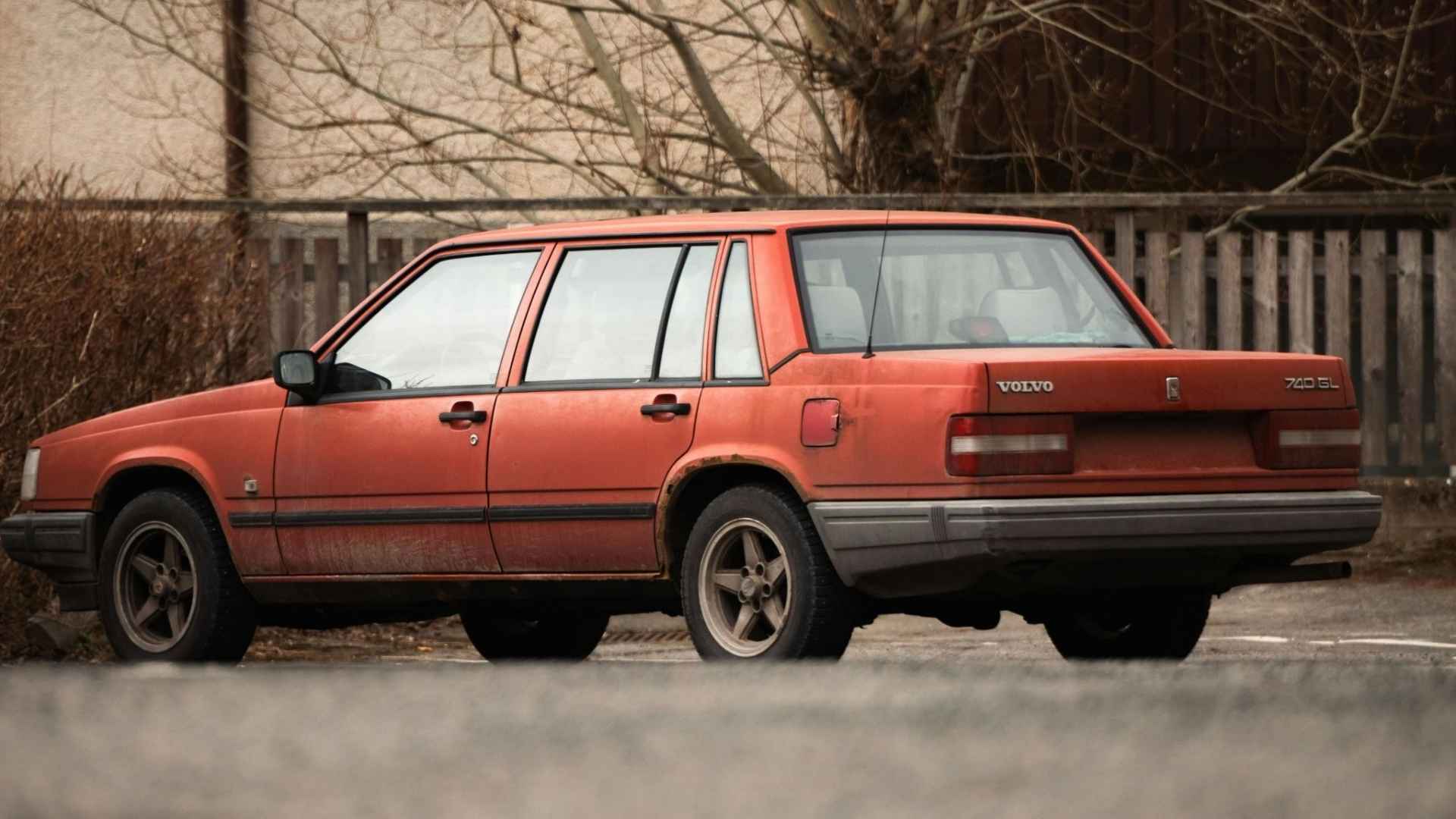

A non-running car can sometimes be sold in Los Angeles even when the original title is missing. The important question is whether you have the legal authority and documents required to transfer it. If your California title was simply lost, Form REG 227 may provide a way forward. If the car still has a lien, was never transferred into your name, or belonged to someone who died, the steps are different.
You do not have to make the car run before checking its paperwork. Start by identifying the ownership problem, then decide whether to replace or transfer the title, sell the vehicle for dismantling, or ask a buyer to review your documents. California's title transfer guidance explains the state's basic requirements.
A Missing Title Is Not the Same as Missing Ownership
In California, a Certificate of Title records vehicle ownership and is normally used to transfer a car to someone else. Losing the paper certificate does not necessarily mean losing your right to sell. But having possession of a car, a set of keys, or an old registration card does not automatically establish that you can transfer ownership.
A non-running vehicle follows ownership rules just as a running vehicle does. A buyer needs a valid way to acquire it, whether the car is going back on the road or being taken apart for parts. A bill of sale can document the transaction or help establish a chain of ownership, but it is not a universal replacement for the required title documents.
Before advertising the vehicle or arranging collection, compare the name and lienholder information on your available paperwork with the DMV record. If something does not match, resolve the discrepancy rather than assuming a scrap sale bypasses it.
Why Is the Title Missing? Start With Your Situation
The correct next step depends on why you cannot produce the original title.
| Your situation | Where to start |
|---|---|
| You are the registered owner, but the California title was lost, stolen, or damaged | Review the DMV's Application for Replacement or Transfer of Title, REG 227. |
| A bank or lender has an interest in the car | Confirm the lien status and obtain the required lienholder participation or release. |
| You bought the car but never transferred it into your name | Gather the previous transfer documents and ask DMV what establishes the full chain of ownership. |
| The car belonged to a deceased owner | Determine whether a qualifying inheritance transfer or estate representative's authority applies. |
| The car was last titled in another state | Contact the last titling state; a California REG 227 generally cannot replace its title. |
| You cannot establish who owns the car or have an ownership dispute | Resolve ownership before attempting to sell or dismantle it. |
This is a starting point, not a promise that any particular buyer can accept the vehicle. California DMV's title transfer overview lists the possible documents and explains when special procedures are needed.
How California Form REG 227 Works for a Lost Title
Form REG 227 is called the Application for Replacement or Transfer of Title. It addresses missing California titles and can, when properly completed and endorsed, be used in qualifying transfers. That means an eligible transaction does not always require waiting for a separately mailed replacement certificate before the transfer paperwork can be processed.
A practical sequence is:
- Check where the car was titled. REG 227 applies to the relevant California title record, not a title issued by another state.
- Identify the registered and legal owners. Review whether the DMV record names a co-owner or lienholder whose signature or release is required.
- Complete the appropriate parts of REG 227. A replacement-only request and a request used as part of a transfer do not have identical signing requirements. The seller and buyer may need to endorse the transfer portions.
- Confirm supporting requirements. These can include a transfer fee, odometer disclosure on the required form for an applicable vehicle, and additional signatures or documentation.
- Submit the documents through a DMV-approved route. Keep copies and proof of submission for your records.
One important exception involves newer vehicles with a lien. California DMV states that the California Certificate of Title is the only document that can release a lien on a vehicle two model years old or newer. REG 227 cannot substitute for that specific lien release. If a legal owner or lienholder is recorded, confirm its required signatures and release procedure before attempting the transfer. Review the DMV's replacement-title procedures and title transfer instructions before signing.
What If the Ownership Record Is Complicated?
You still owe money on the car
A missing physical title and an unpaid loan are different problems. A lender may be recorded as the legal owner, sometimes through California's electronic lien and title system. Ask the lender how its interest will be satisfied or released and what transfer documentation it will provide. Do not assume that a registration card or a buyer's willingness to collect the car clears the lien. The DMV electronic lien program explains why a paper title may not be available while the loan is recorded.
You purchased it but never put it in your name
Find the documents from the previous owner, including the signed title or other valid evidence of transfer and any bills of sale connecting the recorded owner to you. DMV may require the ownership chain to be completed before a further transfer can be recorded. If a signature or document is missing, contact DMV instead of writing in information for another person or selling the car as though the issue does not exist.
You inherited it
California provides special procedures for certain vehicles owned by someone who has died. A qualifying heir may be able to use Form REG 5, an Affidavit for Transfer Without Probate, along with other required evidence. Other estates may require an executor, administrator, or court documentation. Eligibility depends on the facts of the estate; inheriting the keys alone does not establish transfer authority. See the DMV's inheritance and title transfer guidance.
The vehicle was titled in another state
Start with the issuing state. In particular, a California registration marked “Nontransferable/No California Title Issued” cannot be fixed by simply substituting REG 227. DMV says the title must generally come from the state where the vehicle was last titled, and special evidence may be needed if that state cannot issue one. Confirm the documentation path before accepting an offer.
Can a Licensed Dismantler Take a Car Without Its Original Title?
A licensed dismantler may be an option if the car is being sold for parts or permanent dismantling. However, a lost certificate is not permission to hand over a vehicle without establishing ownership.
California DMV's dismantler requirements for California-titled vehicles allow an appropriately completed REG 227 when the original California title is lost. A licensed dismantler has reporting responsibilities involving REG 42 and must submit the required ownership evidence. Bills of sale may also be necessary to establish the chain of ownership. DMV's procedure additionally addresses the vehicle's license plates or the dismantler's notice of plate destruction. Ask the dismantler how these documents will be handled rather than assuming a missing title eliminates the paperwork.
Before arranging a dismantling sale, ask the business what ownership documents it requires for your exact situation. Also ask whether the vehicle will be dismantled or resold, since that distinction can affect applicable paperwork and smog requirements. For a broader explanation of state disposal procedures, see how to junk a car in California.
Does a Non-Running Car Need a Smog Certificate Before Sale?
Not being able to start the engine does not, by itself, create a general exemption from California's vehicle-transfer requirements. If the car will be transferred for ordinary road use, determine whether a smog certification is required for that particular transaction. A car that cannot be tested may need a different selling plan.
California DMV specifically states that vehicles transferred for the purpose of being wrecked or dismantled are exempt from the smog inspection requirement. The exemption concerns the purpose of that transfer; it does not mean every vehicle described as “junk” or “non-running” can be sold for regular use without meeting applicable emissions requirements. See the DMV's individual junking procedure.
Also, “non-running,” “planned nonoperation,” “salvage,” and “junk” describe different conditions or records. A car can fail to start without having been formally recorded as junk. Check the actual vehicle record and the intended transaction rather than choosing a category based on its condition alone.
Documents to Prepare Before Contacting a Buyer
You may not need every item below, but gathering what you have makes it easier to identify gaps before pickup is discussed:
- Your government-issued identification and the name shown on the vehicle's ownership record.
- Registration card, California title if located, or paperwork connected with a REG 227 request.
- Vehicle identification number (VIN), license plate, make, model, and model year.
- Any bill of sale or previous transfer paperwork showing how you acquired the car.
- Lien release or lender contact details if a lender is recorded.
- Estate or inheritance documents, if applicable.
- Current odometer reading if available, plus information about any mileage discrepancy.
- A clear description of why the car will not run and whether it has keys, wheels, and accessible loading space.
Ask the buyer and DMV which documents are required for the actual transfer. A registration card or bill of sale may help support your explanation, but neither should be treated as automatically sufficient. California DMV lists additional documents, including REG 262 for applicable odometer disclosures, in its title transfer forms and guidance.
After the vehicle changes hands: file your release of liability
California requires a seller to submit a Notice of Transfer and Release of Liability (NRL) within five calendar days after the qualifying transfer. You will need the new owner's identifying information and vehicle details. Keep the confirmation of your filing.
Filing the NRL does not itself transfer ownership or place the vehicle into junk status. The receiving buyer or licensed dismantler must complete whichever transfer or dismantling documentation applies to the transaction. California DMV says someone else may file the NRL for you, but you remain responsible for ensuring the information is complete. Use the official DMV NRL instructions, save the filing confirmation, and retain your sale and transfer records.
Los Angeles Parking and Pickup Considerations
For a disabled car in Los Angeles, ownership paperwork is only part of the preparation. The car's location and ability to move matter too. A buyer or transporter needs to know whether it is in a private driveway, a secured apartment garage, a storage lot, or on a public street. Share any gate restrictions, height limits, missing wheels, flat tires, blocked steering, or inaccessible keys before discussing pickup.
If the vehicle is on planned nonoperation (PNO) status, California DMV says it generally must not be driven, towed, stored, or parked on public roads during the registration year. DMV explains that a one-day vehicle moving permit may be available for certain moves, including a move for permanent wrecking or dismantling. Check the PNO and moving-permit instructions before moving the vehicle; do not assume private property access authorizes use of public streets.
Street storage deserves special attention in the City of Los Angeles. LADOT describes enforcement and reporting procedures for abandoned and inoperable vehicles, including vehicles that obstruct access or create safety concerns. Its August 2026 announcement describes a Council District 9 initiative as well as citywide reporting options. Other municipalities and unincorporated areas of Los Angeles County may have different procedures. If the car is parked on a public street, check the rules for its actual location before arranging collection.
Do not promise a buyer that a standard tow truck can reach the car. Ask for an assessment of access, any required moving permission, transport arrangements, and associated costs before committing to a sale.
What Affects the Value of a Non-Running Car With Missing Paperwork?
A vehicle that will not start may still have value, but no single payout applies to every car. The make, model, model year, mileage, overall condition, and demand for usable components all influence an evaluation. A failed engine is different from a car with a minor starting issue; accident damage, missing parts, and corrosion can change the outlook as well.
Paperwork affects the transaction too. If ownership cannot yet be transferred, a buyer may need to wait, request additional documents, or decline the vehicle. Pickup access and necessary equipment may also affect the terms. None of those factors establishes a fixed discount or a guaranteed offer.
You can compare an actual buyer evaluation with the cost and effort of repairing the vehicle. For a closer look at the condition side of the decision, see ByeCar's non-running car service page.
Where Can You Sell the Vehicle?
A private buyer may be interested in repairing or restoring a disabled car, but the buyer still needs the proper ownership transfer and may be unwilling to proceed with unresolved title issues. An ordinary resale may also involve applicable smog requirements.
A licensed dismantler can be an appropriate destination when the vehicle is to be dismantled, subject to ownership evidence, acceptance criteria, and the dismantler's reporting duties. Confirm what documents it requires before moving the car.
A professional vehicle buyer may review a non-running car and explain which information it needs to assess an offer. Acceptance is a business decision and cannot override DMV transfer requirements. Ask about payment method, fees, collection arrangements, and what happens if the paperwork cannot be completed.
If the vehicle has a straightforward lost-title problem, resolving that paperwork first may give you more realistic options than searching only for a buyer willing to take a “no-title car.”
Can ByeCar Review Your Non-Running Car in Los Angeles?
ByeCar advertises evaluations of non-running and damaged vehicles. If you are considering selling a junk car in Los Angeles, you can submit your vehicle details and explain the missing-title situation before discussing an offer or collection.
Describe who is listed as the owner, whether there is a recorded lien, which documents you possess, and whether the car can roll or be accessed safely. ByeCar can review the information, but submitting a request does not guarantee that the vehicle or its paperwork will qualify for purchase. You remain responsible for required seller steps, including the NRL.
ByeCar's published payment disclosure says payments are typically made by check or wire transfer, even though "cash for junk cars" is used as a service term. Before accepting a proposal, confirm the payment method and timing, ownership documents, transport arrangements, and any costs that apply to your vehicle. You can contact ByeCar to discuss your situation.
Frequently Asked Questions
Is a California registration card enough to sell a non-running car without the title?
Not automatically. Registration can help identify the vehicle and registered owner, but the required title-transfer or dismantling documentation still applies. If the California title was lost, check whether REG 227 is the proper solution.
Do I always have to wait for a replacement title in the mail?
Not necessarily. California DMV accepts a properly endorsed REG 227 for certain transfers involving missing California titles. Eligibility, signatures, lienholder requirements, and other documents depend on the situation. See the DMV's replacement title procedure.
Does REG 227 need to be notarized?
DMV says a recorded legal owner or lienholder's release signature requires notarization under the applicable procedure. When there is no legal owner or lienholder listed, that notarization requirement generally does not apply to the registered owner's signature alone. Check your vehicle's record and the form instructions.
Can I use REG 227 if the car was titled outside California?
A California REG 227 is not a general replacement for another state's title. Contact the last titling state and ask California DMV which documentation it will accept if the out-of-state title cannot be obtained.
Does planned nonoperation mean my vehicle is legally classified as junk?
No. PNO concerns vehicle operation and registration. Junk status involves a separate DMV record and procedure. A non-running car can be on PNO without being declared junk.
Can someone else file the release of liability for me?
Yes, but DMV says you remain responsible if the information is missing or incomplete. Filing it yourself and saving the confirmation is a reliable way to keep a record. The NRL does not replace the buyer's title transfer.
What if the car has no keys or cannot roll?
Disclose that before requesting collection. Missing keys, locked steering, flat tires, and blocked access may change equipment needs or prevent a particular buyer from arranging pickup. Confirm feasibility and costs rather than assuming removal is included.
Official Resources
For the definitive requirements that apply to your vehicle, consult California DMV's title transfer overview, replacement-title procedure, dismantler guidance, and NRL instructions. The DMV decides what it will accept for a particular transfer.