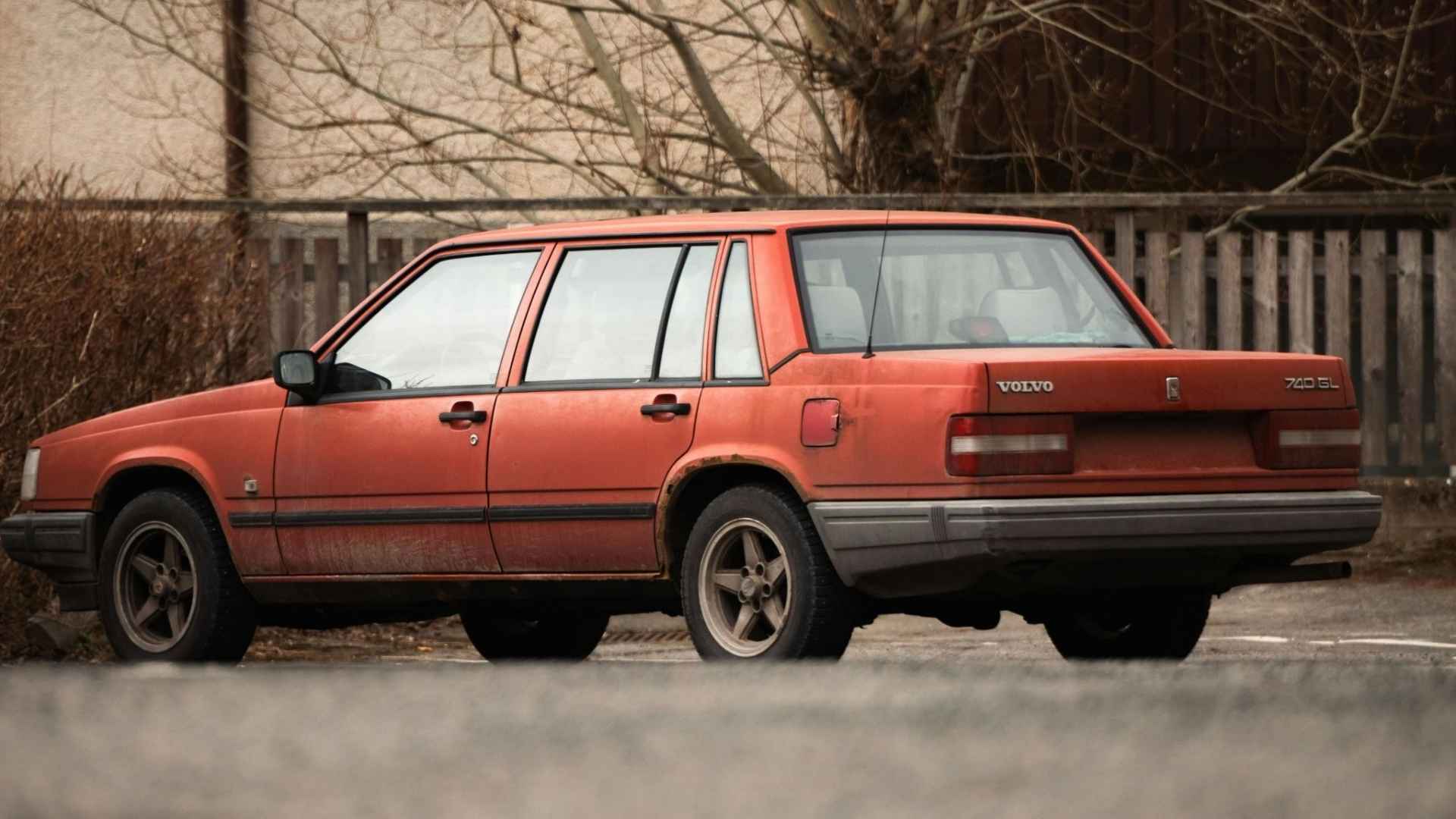

Lost your car's pink slip? You may still be able to sell it in San Diego. The next step depends on who owns the vehicle, which state issued its title, and whether a lender is involved.
For a California-titled vehicle, the usual starting point is the Application for Replacement or Transfer of Title (REG 227). Some qualifying transactions allow the transfer to proceed using this form without first waiting for a separate replacement certificate. Others require additional ownership documents or lien releases.
Missing the paper title is not the same as lacking legal ownership. A registration card or bill of sale may help document a transaction, but neither automatically authorizes someone to transfer a vehicle.
Can You Legally Sell a Car Without a Title in California?
Yes, in certain circumstances. California requires appropriate ownership documentation when a vehicle changes hands. If the California Certificate of Title is lost, stolen, or damaged, REG 227 provides a recognized replacement or transfer procedure.
For a qualifying transfer, the registered owner and buyer may be able to complete the required sections of REG 227. Other requirements can still apply, including lienholder releases, odometer disclosures, applicable smog certification, and fees.
Official reference: California DMV title transfers and changes.
Which Documents Do You Need When the Title Is Missing?
Start with why the title is missing. These situations call for different documentation, so use the matching route rather than assuming one form works for every seller.
You are the registered owner
Check your registration record and any lienholder. Review REG 227 for a replacement or qualifying direct transfer.
A lender holds an interest
Contact the lender about the balance, title status, and lawful payoff or release process.
No title in your possession
Check the listed owner and whether the record says that no California title was issued.
Another state issued it
Begin with that state's replacement-title procedure and check California registration restrictions.
Ownership comes from an estate
Check the applicable succession or estate-transfer process and required supporting records.
Vehicle is headed for parts or scrap
Confirm ownership evidence and the specific buyer or dismantler requirements; condition alone is not an exception.
Registration is not the same as a title
A registration card records information about a vehicle and its registration. It does not necessarily establish everything required for a title transfer. Review the registered-owner names, any legal owner, and whether the record is marked nontransferable.
California may require the last-issued title and other documents before a nontransferable registration can be converted. See the DMV's nontransferable registration guidance.
How to Replace or Transfer a Lost California Car Title
If the vehicle was titled in California and you're authorized to sell it, work through these checks before giving the vehicle to a buyer.
Check the current ownership record
Confirm the VIN, registered owners, and any legal owner or lienholder. Compare the VIN on the vehicle with available records. If two owners are listed, the required signatures may depend on how their names appear.
Complete the applicable REG 227 sections
The required signatures depend on the ownership record. California DMV specifies that when a legal owner is recorded for a vehicle two model years old or newer, that legal owner must request the replacement title; ordinary lien releases are not accepted instead. Other qualifying situations may require releases and notarization.
Check the official REG 227 instructions for the precise circumstances.
Gather any additional transfer documents
- Required registered-owner and lienholder signatures
- Odometer disclosure using the applicable title section or REG 262, when required
- A bill of sale when required or useful for documenting the transaction
- Applicable smog certification or exemption, plus transfer fees
For an ordinary private-party purchase, the buyer generally has 10 days to apply for the transfer. See the DMV private-party purchase guidance.
Decide whether to replace first or transfer directly
REG 227 may support a direct transfer when the transaction qualifies and the paperwork is complete. Otherwise, a replacement title may be necessary. A particular buyer may also require the replacement certificate before agreeing to buy.
Can a Bill of Sale Replace a Missing Car Title?
Not automatically. California's bill of sale (REG 135) documents transaction details, while the Statement of Facts (REG 256) supplies information for specified DMV procedures. Neither form is a universal replacement for valid title-transfer documentation.
When you are the owner of record
If you simply lost your California pink slip, REG 227 is generally the correct place to begin instead of relying solely on a handwritten receipt.
When ownership history is incomplete
If a previous buyer never completed a transfer, DMV may require proof of the ownership chain and the applicable signatures or releases.
Possession is not proof of selling authority. Having the keys and the vehicle does not necessarily authorize you to sell a car registered to someone else. Resolve the ownership record first.
What if the Car Has an Active Lien?
Contact the lender before arranging a sale. Ask for the payoff amount, whether it holds an electronic or paper title, and how its interest can be released as part of the transaction.
A sale may be possible through a properly documented payoff arrangement, but signing a bill of sale does not eliminate a lien. Depending on the ownership record, DMV may require specific legal-owner signatures, releases, or notarization.
Can You Sell a Junk Car Without a Title in San Diego?
Possibly, but a car's poor condition does not automatically remove ownership-document requirements. A non-running car may still have an ordinary California title and registered owner, so REG 227 may remain the appropriate route when the pink slip is lost.
Non-running vehicle
A vehicle with engine problems or accident damage may still be repaired, sold, and potentially registered, depending on its condition and legal status.
Formally nonrepairable vehicle
California has a separate Nonrepairable Vehicle Certificate process with specific eligibility and ownership-document requirements. It is not just another name for an old or broken car.
California's nonrepairable process uses REG 488C and appropriate ownership evidence. Where a California title is missing, DMV instructions may require a notarized REG 227. After issuance, a Nonrepairable Vehicle Certificate carries restrictions that prevent the vehicle from being titled or registered for ordinary road use.
Do not seek nonrepairable status merely because the vehicle will not start. Confirm the eligibility criteria and consequences first using DMV salvage and nonrepairable vehicle guidance.
Does a junk car need a smog check?
That depends on the transfer and the vehicle classification. Ordinary California sales may require a smog certification unless an exemption applies; authorized dismantling or nonrepairable transactions can follow different rules. An expired registration or failed engine does not automatically establish an exemption.
What if the Vehicle Has an Out-of-State Title?
Begin with the agency that last issued the title. California's REG 227 does not, by itself, replace a title issued in another state. California may also issue a nontransferable registration when it has not received the evidence required to issue a California title.
Converting that record may require the last-issued title, additional California documents, or another authorized ownership process. If the issuing state cannot provide a replacement, ask California DMV about alternatives; a motor vehicle ownership surety bond may be relevant in qualifying circumstances.
Do not rely on a California registration card alone when the record is marked nontransferable. See DMV's conversion instructions.
What to Prepare Before Selling Your Car in San Diego
Once you know which ownership process applies, prepare both the vehicle information and the paperwork a prospective buyer may request.
Vehicle details
- Year, make, model, and approximate mileage
- VIN checked against available records
- Whether the car starts, runs, and moves
- Damage, missing parts, or major mechanical faults
- Location and any access restrictions
Ownership details
- Name on registration or ownership records
- Available registration and title documents
- Reason the title is unavailable
- Any loan or lienholder details
- Additional registered owners and required signatures
Where to start the paperwork locally
San Diego follows California's statewide title-transfer rules. Depending on the transaction, some steps may be available online or by mail while others may require original signatures or an office visit. Confirm those requirements through the official California DMV site before traveling or arranging pickup.
Before handing over the vehicle
Document the buyer's name and address, transaction date, agreed terms, paperwork exchanged, and payment confirmation. Remove belongings and sensitive documents. Check applicable plate requirements; do not assume every California plate must be surrendered. For dismantling, confirm the business identity and which entity will acquire the car.
File a California Release of Liability After the Sale
California generally requires the seller to submit a Notice of Transfer and Release of Liability (NRL) within five calendar days after selling or transferring the vehicle.
Keep your confirmation. The NRL helps report that the vehicle changed hands, but it does not complete the buyer's title transfer or automatically remove the seller from DMV ownership records. The buyer still has applicable transfer responsibilities.
The notice generally requires vehicle details, the transaction date, and the buyer's name and address. File it using the official DMV Release of Liability page.
Have a Car to Sell in San Diego?
ByeCar provides a way to submit details about an older, damaged, or non-running vehicle for consideration. If the title is missing, explain whether you are the registered owner, whether a lienholder is listed, and which documents you have.
Submitting information does not guarantee an offer or mean that a transfer can proceed without the documents California requires. Confirm documentation, pickup arrangements, and payment terms before accepting an offer.
Review eligibility and transaction details with the buyer.
Frequently Asked Questions
Can I sell my car using REG 227 without waiting for a replacement pink slip?
In some qualifying California transactions, REG 227 can support a transfer when the original title is missing. The signatures and process depend on the ownership record, lienholder, and vehicle model year. An out-of-state title may require action through the issuing state.
Is a registration card enough to sell a car in California?
Not in every case. Registration may identify the owner and vehicle, but DMV may still require REG 227, the last-issued title, lien releases, or other supporting documents.
Can I sell a vehicle if the loan has not been paid off?
A sale may be possible through a properly arranged payoff and title-release process. The lender's legal interest must be addressed, and the required documentation completed.
Can I sell a junk car for parts without the original title?
Possibly, but the ownership and dismantling requirements must still be satisfied. Being sold for parts does not automatically exempt the vehicle from title-related rules.
What if the car is registered in California but has an out-of-state title?
Contact the state that last issued the title. California's REG 227 generally does not replace another state's title, and a nontransferable California registration may need to be resolved before transfer.
Does filing the Release of Liability complete ownership transfer?
No. The NRL is the seller's report that the car changed hands. The buyer separately must complete the applicable ownership-transfer requirements.
For unusual ownership situations, follow the California DMV's instructions for your exact vehicle record before handing over the car.