
Know the rules before you hand over the keys.
Junking a car in Wisconsin involves more than arranging a tow. You need to confirm ownership, determine whether the vehicle should be permanently junked, choose an appropriate buyer or recycling facility, and handle the required DMV paperwork.
Wisconsin has specific rules for lost titles, permanent junk designation, registration plates, and notification deadlines. The right process depends on the type of transaction.
How to Junk a Car in Wisconsin: Step by Step
Start with the ownership records and the vehicle's intended future use. The seven steps below cover the main decisions before and after disposal.
-
Confirm ownership and check for liens
Locate the vehicle title, registration and vehicle identification number (VIN). For an ordinary sale, Wisconsin generally requires the vehicle to be titled in the seller's name. Where multiple owners are listed, signing requirements depend on the wording between their names.
If there is outstanding financing or a recorded lien, contact the lender. Junking a vehicle does not automatically eliminate the lender's rights. See WisDOT's vehicle-selling requirements.
-
Decide whether the vehicle should be permanently junked
A damaged or non-running vehicle is not automatically legally junked. If you sell a vehicle as junk and do not want it operated again, WisDOT instructs sellers to write "Junk" across an existing title before delivering it to the buyer or salvage dealer.
Once officially junked, a vehicle cannot be retitled or registered again, even after repairs. Investigate its title status before making this permanent decision.
-
Choose a buyer or recycling facility
Contact a suitable buyer, salvage yard or auto recycler. Describe the vehicle's year, make, model, location, condition, title status and any major missing components.
- Confirm whether the facility accepts the vehicle and available documentation.
- Ask whether pickup is offered and whether it carries a charge.
- Clarify the offer amount, payment method and timing.
- Ask what paperwork the facility prepares and what remains your responsibility.
-
Complete the correct ownership paperwork
For an ordinary sale, Wisconsin generally requires a properly assigned title with applicable signatures, buyer information, selling price and disclosures. Model year 2011 and newer vehicles generally require an odometer disclosure.
Permanent junk disposal has separate procedures. A lost-title exception may apply, and certain transactions involving licensed salvage dealers use Wisconsin Form MV2459.
-
Remove or handle registration plates
Wisconsin's ordinary-sale plate rules have exceptions for certain vehicle types. Permanent junking is separately covered by Wisconsin Statutes §342.34.
Confirm whether the plates must be retained for eligible reuse or destroyed. Do not assume the rules for an ordinary vehicle sale automatically apply to permanent junk disposal.
-
Keep proof of the transaction
Retain a record of the VIN, transfer date, receiving individual or business, and any payment. Although a bill of sale is not universally required for an ordinary Wisconsin vehicle sale, a written record can help establish when and to whom the vehicle was transferred.
-
Complete applicable DMV notifications
Wisconsin has separate requirements for permanently junked or destroyed vehicles and qualifying sales between individuals. A 10-day junking requirement and a separate 30-day private-sale notification may be relevant.
Determine which obligations apply, who will submit the records and which confirmations you should retain. A pickup receipt alone does not prove that DMV obligations are complete.
Important: Permanently junking a vehicle is not the same as selling a repairable car for continued use. Confirm its title status before choosing permanent disposal.

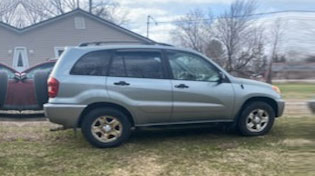
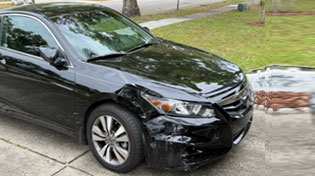
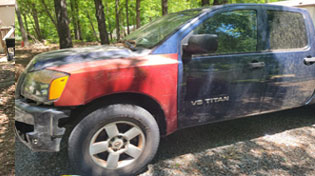
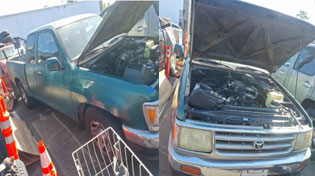

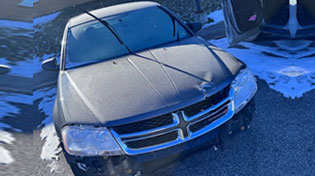
What Counts as a Junk Car in Wisconsin?
A vehicle may be old, rusty, damaged or unable to run without automatically being classified as permanently junked. Wisconsin distinguishes physical condition from the legal status recorded for the vehicle.
A car with a failed transmission might still be repairable. A qualifying salvage vehicle may be inspected and eventually registered. A permanently junked vehicle cannot be retitled or licensed.
| Vehicle status | Wisconsin treatment | Future registration |
|---|---|---|
| Damaged or non-running | Mechanical condition alone does not establish permanent junk status. | May remain eligible, depending on title status and roadworthiness. |
| Salvage | Specific statutory criteria, including qualifying damage and age, or qualifying out-of-state salvage status. | Requires the applicable salvage inspection before registration. |
| Rebuilt salvage | A previously salvaged vehicle that passed Wisconsin's required inspection. | May qualify for registration. |
| Permanently junked | Vehicle officially treated as junk. | Cannot be titled or registered again. |
Wisconsin's salvage rules include defined damage thresholds, age criteria and recognition of qualifying salvage brands from other jurisdictions. A damaged or insurance-totaled vehicle is not automatically permanently junked.
Before permanently disposing of a potentially repairable vehicle, review Wisconsin DMV's title-brand guidance.
Can You Junk a Car Without a Title in Wisconsin?
Wisconsin DMV rule: When an original vehicle title is lost, a replacement is not required solely to junk the vehicle. This is not a general exemption for selling any vehicle without a title.
The missing-title exception applies to permanent junk disposal. For an ordinary sale where the vehicle will continue to be titled and used, a properly assigned title is generally necessary.
A buyer or recycler may still require evidence of ownership, an acceptable junk-vehicle document and confirmation that the vehicle has no outstanding liens.
When Wisconsin Form MV2459 applies
WisDOT provides Form MV2459 — Junked Vehicle Bill of Sale for specified transactions, including transfers from a registered owner to a licensed salvage dealer, between licensed salvage dealers, and certain insurance-company transfers where the title has already been surrendered.
The form records the vehicle and transaction parties. The seller must affirm the right to sell, declare no outstanding liens and indicate whether the title was lost or destroyed or marked junked and surrendered.
Not a universal no-title sale: MV2459 is not a replacement for ordinary title-transfer requirements, and it does not guarantee that every buyer can accept every vehicle without a title.
What to do if your title is missing
- Locate your VIN, registration and available ownership records.
- Check for outstanding financing or liens.
- Confirm that the vehicle is intended for permanent junk disposal.
- Ask the receiving facility which documentation it can legally accept.
- Determine whether Form MV2459 applies.
- Confirm who will handle relevant notification and vehicle-record steps.
- Retain copies of the signed documents.
For official instructions, consult WisDOT's vehicle-selling requirements and Form MV2459.
What Happens When a Vehicle Is Permanently Junked?
Permanent junking is a legal decision, not simply a description of a vehicle's mechanical condition. WisDOT explains that once a vehicle is officially junked, it cannot be titled or licensed again, even if it is restored.
This differs from a salvage vehicle that may be eligible for inspection, retitling and registration under the applicable Wisconsin rules. If your vehicle could be repaired or sold as a project, verify its legal status before choosing permanent disposal.
Wisconsin Title, Lien and License Plate Requirements
Title and signatures
For ordinary sales, joint ownership affects signing requirements. If names on the title are joined by "and," all named owners generally sign. Where "or" joins the names, the applicable rule allows a listed owner to sign.
Complete the appropriate buyer, sale price and disclosure information. Do not sign for another owner without legal authority.
Outstanding loans and liens
Contact the lender before disposing of a financed vehicle. A recorded lien may require release documents, and Form MV2459 requires a declaration that no liens are outstanding.
Wisconsin's lost-title exception does not cancel the rights of a lender.
Registration plates
Ordinary sale rules have exceptions for certain trucks, farm vehicles, mopeds and trailers. Permanent junking has separate rules under Wisconsin Statutes §342.34.
Remove plates and follow the applicable rules concerning retention, eligible reuse or destruction.
Ownership and transfer records
Keep the vehicle's VIN, transfer date, receiving party and supporting records. A receipt or bill of sale can help establish what happened.
Do not assume that a signed receipt automatically completes every Wisconsin DMV obligation.
WisDOT generally tells owners not to return ordinary unused plates to DMV. However, permanent-junking plate treatment depends on the statutory vehicle category. Review WisDOT's selling guidance and §342.34.
Do You Need to Notify Wisconsin DMV?
Wisconsin has different notification rules for permanently junked or destroyed vehicles and qualifying private sales. The deadlines are not interchangeable.
Permanent junking or destruction
Under Wisconsin Statutes §342.34, a person owning or possessing a junk vehicle generally must notify WisDOT within 10 days after determining that the vehicle is junk.
The statute also addresses vehicles already junked or destroyed, including title-certificate and plate handling requirements.
Read Wisconsin Statutes §342.34Qualifying private vehicle sales
When an individual sells a motor vehicle to another individual, Wisconsin generally requires seller notification within 30 days, including certain junk transfers by bill of sale.
The report includes the VIN, buyer identity, sale price and transfer date.
WisDOT seller-notification instructionsWhere the junking provisions apply, they also address returning an existing title certificate and removing plates according to vehicle category. If your original title is lost, WisDOT says you do not need a replacement solely to junk the vehicle, but other applicable obligations still need to be addressed.
Don't confuse the two deadlines. A 30-day private-sale notification does not replace an applicable 10-day junking requirement. Confirm with WisDOT or the receiving licensed salvage dealer which steps apply and retain any filing confirmations.
Ways to Get Rid of a Junk Car in Wisconsin
Not every unwanted vehicle belongs at a scrap yard. Compare the available options based on repair potential, title status, transportation needs and whether you want to receive payment.
| Disposal option | When it may fit | What to confirm |
|---|---|---|
| Salvage yard or recycler | Non-running or severely damaged vehicles intended for parts or scrap. | Acceptance, ownership documents, transportation and payment. |
| Junk car buying service | Owners who want to request an offer and explore pickup arrangements. | Offer terms, eligibility, pickup conditions and charges. |
| Private sale | Repairable vehicles or legitimate project cars. | Condition disclosure, title transfer and seller notice. |
| Vehicle donation | Owners seeking a charitable disposal option. | Recipient eligibility, paperwork and applicable tax rules. |
| Direct recycling | Vehicles with limited practical repair value. | Facility requirements, transport and transfer documentation. |
Selling to a salvage yard or recycler
A salvage yard may evaluate usable components and recyclable materials. A relatively complete vehicle can be assessed differently from one missing major parts. Ask whether towing is available and whether any charges affect the quoted amount.
Requesting an offer from a vehicle buyer
A buying service may be useful if you want to compare an offer without arranging a private sale. Provide accurate details and confirm the terms. You can explore ByeCar's Wisconsin buying options if you would like to request a quote. Submission does not guarantee acceptance.
Private sale, donation or recycling
A private sale can make sense for a repairable vehicle, but it requires honest condition disclosure and the appropriate transfer procedure. Donation may suit an owner who prefers a charitable option; any tax treatment depends on the applicable IRS rules and circumstances.
Recycling facilities may recover usable parts and materials while managing automotive fluids and other components through their processes. Confirm which documents and vehicle conditions the facility accepts.
What to Do Before Your Junk Car Is Picked Up
Before collection, review the following practical details. They can help prevent paperwork issues and surprises after the vehicle leaves.
Check the trunk, glove box, center console, seat pockets and under the seats.
Disclose locked gates, narrow spaces, missing wheels or steering and rolling problems.
Confirm the amount, payment arrangements, any transport charges and required records.
Follow the applicable Wisconsin rules for ordinary transfers or permanent junking.
Keep the VIN, make, model, transfer date and receiving party's identifying information.
Obtain any needed permission when the car is stored on property you do not control.
Disclose missing components such as a catalytic converter, engine or wheels. Do not remove VIN markings or discard documentation needed for the transfer.
After Your Junk Car Is Removed
Keep the transaction receipt and any copies of the title assignment, bill of sale or junk-disposal documentation. Your records should identify the VIN, transfer date and receiving party.
Confirm that any applicable DMV notification has been completed. Depending on the transaction, Wisconsin's 10-day junking requirements and a separate 30-day private-sale notification may be relevant.
Retain confirmations where available. Towing, payment or a pickup receipt does not automatically complete every DMV requirement. Review remaining insurance, financing, registration and plate-transfer matters separately.
Want to Explore Selling Your Junk Car?
If you would rather compare a vehicle offer with arranging disposal independently, you can request a quote through ByeCar's Wisconsin service page.
Provide the vehicle's year, make, model, location, ownership status, condition and significant missing parts.
Request a Vehicle Quote →Before accepting an offer, confirm payment, documents, collection arrangements and any charges. Not every vehicle or ownership situation will necessarily qualify.
Frequently Asked Questions
Answers to common Wisconsin junk-car paperwork, ownership and removal questions.
Can I junk a car without a title in Wisconsin?
WisDOT says a replacement title is not required solely to junk a vehicle when the original was lost. The receiving buyer or licensed salvage dealer must still follow applicable ownership and documentation rules. Wisconsin Form MV2459 applies to specified junk-vehicle transfers.
Can I register a vehicle after it has been permanently junked?
No. A vehicle officially designated as junk in Wisconsin cannot be retitled or registered again, even after repairs.
What happens to my license plates when I junk a car?
Wisconsin's permanent-junking law requires registration plates to be removed and provides rules for retaining or destroying them according to the vehicle category. These are not identical to the plate rules for ordinary sales.
Do I need to notify Wisconsin DMV after junking a vehicle?
Wisconsin Statutes §342.34 includes a 10-day notification requirement for qualifying junked or destroyed vehicles. A separate 30-day seller notification applies to qualifying sales between individuals. The relevant obligations depend on the transaction.
Can I junk a car if I still owe money on it?
Contact the lender before transferring the vehicle. A recorded lien or outstanding financing can restrict a transaction. Wisconsin Form MV2459 requires the seller to declare that no liens are outstanding.
Is a salvage-title vehicle automatically junk?
No. Wisconsin distinguishes salvage vehicles from permanently junked vehicles. Some salvage vehicles may qualify for registration after the required inspection. Permanently junked vehicles cannot.
How much can I get for a junk car in Wisconsin?
There is no fixed payout for every vehicle. Offers depend on the vehicle's characteristics, condition, missing components, location and buyer requirements. Confirm pickup costs and payment terms before agreeing.
Can a buyer remove a vehicle that does not start?
Some buyers and recyclers accept non-running vehicles. Collection depends on the provider's capabilities, vehicle condition and accessibility. Disclose missing wheels, steering problems and difficult access before arranging pickup.
Official Wisconsin Resources
For current legal requirements, use the Wisconsin Department of Transportation and Wisconsin Legislature resources: