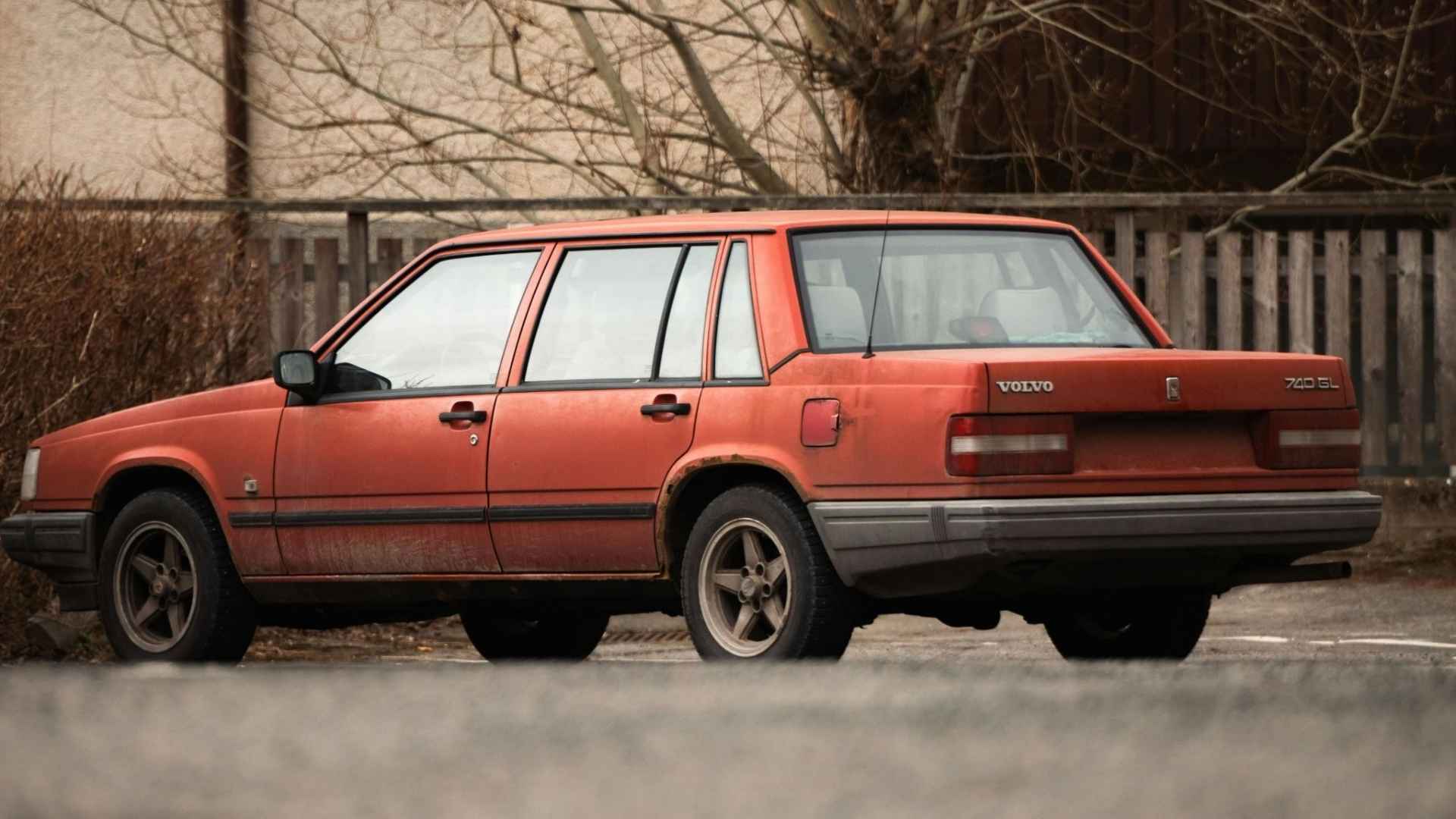
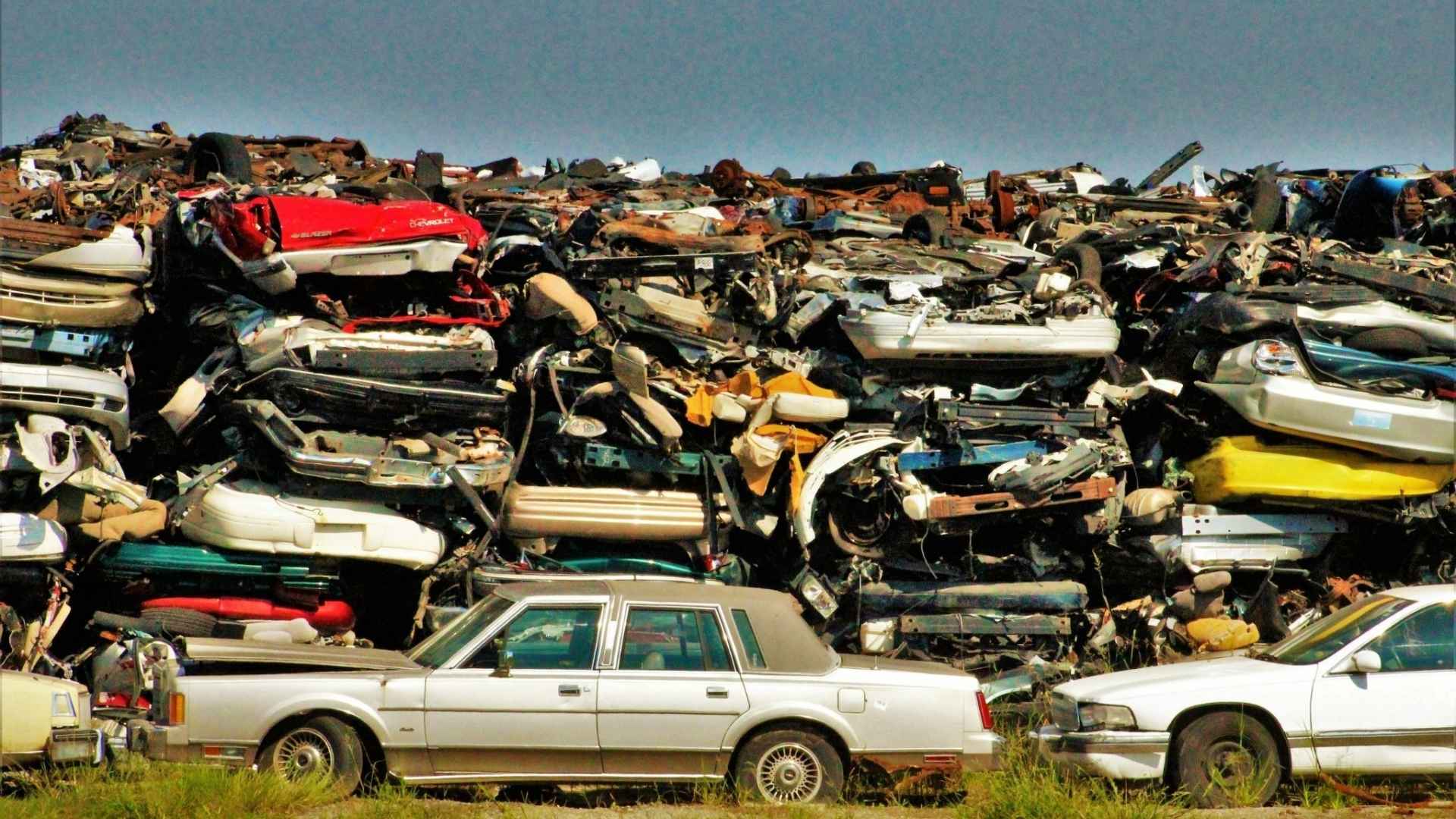
A wrecked, aging, or non-running car may still be sold for parts or recycled, but getting rid of it in South Carolina starts with the ownership paperwork. Most ordinary vehicle transfers use a properly assigned title. A limited exception allows certain older, completely inoperable vehicles to go directly to a demolisher or secondary metals recycler without one. The right approach depends on who owns the car, its title status, and where it is going.
How to Junk a Car in South Carolina: The Short Version
- Confirm ownership. Find the title, check the names and any lien, and locate the vehicle identification number (VIN).
- Choose a disposal route. Compare an authorized recycler, salvage yard, vehicle buyer, private buyer, or donation program based on the car's condition.
- Check the required paperwork. Use the normal title-transfer process or verify that a specific statutory disposal exception applies.
- Agree on the transaction. Confirm the offer or terms, any transport charges, the payment method, and who will collect the vehicle.
- Document the handoff. Complete the required assignment or authorized recycler documents and keep the buyer's details and a dated record.
- Finish the applicable seller obligations. If the vehicle was registered and licensed, notify SCDMV promptly after the ownership transfer, complete the required license-plate and registration steps, and coordinate insurance cancellation. Keep your records and check whether you qualify for a vehicle property-tax refund or credit.
If the car is not yours, has a disputed title, or was abandoned by someone else, do not assume you can dispose of it simply because it is on your property.
What Counts as a Junk Car in South Carolina?
People often call a vehicle a "junk car" when it cannot run, has significant collision or flood damage, is missing major parts, or would cost more to repair than it is worth. That description alone does not determine which title or disposal rules apply.
South Carolina distinguishes Salvage, Salvage Rebuilt, and Junk title brands. A salvage-branded vehicle may qualify for rebuilding through the proper process. A vehicle branded Junk is intended for parts or scrap, not road use. Before agreeing to a sale, identify the actual brand printed on the title rather than assuming every damaged car has a junk title. See SCDMV's title-brand explanations.
For more on repair-related selling choices, see options for selling a damaged car.
Four Ways to Sell or Dispose of an Unwanted Car
| Option | When it may make sense | What to check |
|---|---|---|
| Demolisher, salvage yard, or metals recycler | The vehicle is severely damaged or valuable mainly for parts and recyclable materials | Whether the business can legally accept the vehicle and what ownership documents it requires |
| Vehicle buying service | You want a buyer to evaluate the complete vehicle rather than arrange a private listing | Vehicle eligibility, title requirements, offer conditions, transport, and payment arrangements |
| Private buyer | The car may be repairable or desirable for parts | Accurate condition disclosure, ownership transfer, and safe payment |
| Charitable donation | You prefer donating over selling | Whether the organization accepts the condition and provides proper transfer and tax documentation |
A vehicle with reusable components may be valued differently from one destined solely for metal recycling. Weight, demand for parts, condition, location, and the cost of collection can all matter. Read how car scrap value is estimated before comparing offers. Do not assume a particular payout or that collection is free.
Do You Need a Title to Junk a Car in South Carolina?
Usually, yes. For an ordinary sale, you should expect to provide a valid title and correctly assign it to the buyer. Under S.C. Code §56-5-5670(B), disposal to a demolisher or secondary metals recycler generally requires a valid title in the disposing person's or entity's name, unless a statutory alternative applies.
The limited no-title exception for qualifying recyclers
S.C. Code §56-5-5670(E) allows disposal directly to a demolisher or secondary metals recycler without a title certificate, magistrate's order, or sheriff's disposal authority certificate only when all relevant conditions are met:
- The vehicle was abandoned on the person's or entity's property or into their possession, or the person or entity owns it and the title is faulty, lost, or destroyed.
- It is lawfully in that person's or entity's possession.
- It is 12 model years old or older.
- It has no valid registration plate affixed.
- It has no engine or is otherwise totally inoperable.
The person disposing of the vehicle must sign the required affidavit. The recycler must retain it, perform the required stolen-vehicle verification with SCDMV, and comply with its own recordkeeping and reporting obligations. This is not a general permission to sell every titleless vehicle, and it does not establish that any particular vehicle buying service can accept one.
Other legal procedures may apply to auctioned or abandoned vehicles. If ownership is disputed or the vehicle fails the conditions above, ask SCDMV or the appropriate local authority about the correct route rather than signing an inaccurate affidavit.
What If You Lost the Title?
If you are the registered owner and the title is missing, replacing it is generally the clearest route to a normal sale. SCDMV permits online duplicate-title applications and provides mail and in-person options using Title Application (Form 400), applicable identification, and the required fee. If a lien is recorded, SCDMV says the duplicate title is sent to the lienholder.
Review SCDMV's replacement-title instructions before applying. Check that the vehicle identification number and owner information are correct. A bill of sale, an old registration card, or a photograph of the title should not be assumed to replace a legally required title.
Step by Step: Complete the Vehicle Handoff
1. Verify who can sign. Match the title to the vehicle and the person transferring it. If multiple owners are listed with "and," SCDMV requires both to participate in title-related transactions; an "or" ownership relationship is treated differently. Check any lien before proceeding. SCDMV explains joint title ownership.
2. Describe the vehicle accurately. Give potential buyers the year, make, model, VIN, approximate mileage, operating condition, major damage, missing components, and title status. Tell them if it cannot roll, steer, or be reached by an ordinary tow truck.
3. Review the transaction terms. Compare what you will receive after any transport or processing charges. Confirm how the buyer will pay, whether the offer can change after inspection, and what documentation is expected.
4. Complete the proper transfer. For an ordinary titled sale, follow the title-assignment instructions, including seller and buyer details, signatures, sale date, selling price, and odometer information as applicable. SCDMV explains the requirements on its Buying or Selling a Car page. The qualifying recycler-affidavit route is different and must not be treated as a normal title assignment.
5. Keep a record. Retain a copy or photograph of completed documents where appropriate, plus the buyer's name, date, VIN, agreed amount, and a receipt or other transaction confirmation. These records help if a question comes up after the car leaves.
6. Notify SCDMV when required. Under S.C. Code §56-3-1260, the owner of a registered and licensed vehicle must immediately notify SCDMV in writing when ownership transfers. The notice includes the new owner's name and address and the transfer date. SCDMV directs sellers to use Form 416, Notice of Vehicle Sold. A special no-title recycler transaction has its own statutory documentation requirements, so confirm which seller notices also apply rather than treating Form 416 as a substitute for the required affidavit or title.
South Carolina DMV Forms: Which One Does What?
The correct document depends on whether you are transferring an ordinary titled vehicle, notifying SCDMV of a sale, surrendering a license plate, or using a statutory recycler procedure.
| Document | Purpose | Important distinction |
|---|---|---|
| Form 400, Title Application | Used for title transactions, including duplicate-title applications | It does not notify SCDMV that you sold a vehicle |
| Form 416, Notice of Vehicle Sold | Provides SCDMV with notice of a vehicle sale | It does not itself transfer title or release a lien |
| Form 452, License Plate Turn In | Used when surrendering a plate as instructed by SCDMV | Plate surrender is separate from signing over a title |
| Statutory recycler affidavit | Confirms that a vehicle meets the conditions of §56-5-5670(E) | This is limited to qualifying direct disposal to a demolisher or secondary metals recycler |
| Form 5051, plate-turn-in record | Documents plate surrender/cancellation for purposes that may include a vehicle property-tax refund request | It is not a title application or a sale notice; ask the county auditor what cancellation evidence it accepts |
Use SCDMV's buying and selling guidance and license plate return instructions for the current procedures. For refund documentation, contact the county auditor responsible for the vehicle's property taxes.
What Happens to Your License Plates and Insurance?
For a registered and licensed vehicle, S.C. Code §56-3-1260 requires the previous owner to notify SCDMV in writing immediately after transferring ownership. The license plate remains with the previous owner, who must apply to transfer it to another eligible vehicle or return it to SCDMV within 30 days of the transfer. The statute also specifies that the registration card must be returned concurrently.
When you sell a vehicle and surrender an active South Carolina plate, SCDMV instructs you to submit Form 416, Notice of Vehicle Sold, and Form 452, License Plate Turn In, return the plate, and cancel the vehicle's South Carolina liability insurance. Expired plates are treated differently under SCDMV's current guidance and do not need to be surrendered through the ordinary expired-plate process.
Do not leave your license plate on a vehicle you have sold. Follow the required registration and plate procedures before canceling coverage that may still be needed for an active registration. Review SCDMV's license plate return instructions for the correct procedure in your situation.
These instructions concern ordinary registered-vehicle sales. If the vehicle is unregistered or is being disposed of under a special recycler exception, confirm which notices and plate requirements apply to that transaction.
Special Situations: Liens, Estates, and VIN Problems
Outstanding loan or lien. Contact the lender or lienholder about payoff, release, and who holds the title before agreeing to a transfer. Do not assume a junk-car buyer can remove the lien for you.
Multiple owners. Confirm whether the title uses "and" or "or" and obtain the required signatures. Do not sign on behalf of someone else without proper authority.
Inherited vehicle. The right person to sign may be determined by the estate's personal representative, a probate order, or the title's existing ownership arrangement. Read SCDMV's Inheriting a Vehicle guidance before a sale.
Missing or altered VIN. Do not attempt to replace, modify, or remove identifying numbers yourself. Seek SCDMV or law-enforcement guidance on the proper identification and ownership process.
Vehicle abandoned on your property. Possession alone does not automatically give you unrestricted authority to sell it. South Carolina has specific abandoned-vehicle and recycler procedures; clarify which applies before arranging removal.
Prepare the Car for Pickup or Delivery
Before the vehicle leaves, remove personal belongings, parking passes, electronic toll devices, and any documents containing sensitive information. Confirm how keys, any remaining accessories, and the vehicle's license plate will be handled. Photograph the condition and the VIN for your records.
Describe practical access limitations: flat tires, missing wheels, locked steering, an inaccessible driveway, low clearance, or a vehicle stuck on soft ground. These details can change the equipment or arrangements needed for collection. Do not try to drive an unsafe vehicle to a recycler.
Choose a reputable receiving business that can explain how it handles fluids, batteries, tires, and other materials. Do not drain automotive fluids or dismantle potentially hazardous components yourself just to prepare for pickup.
After the Car Is Gone: Records and Possible Tax Credit
Keep your sale or disposal documents, including the receiving business's information, the date of transfer, the VIN, and any title assignment or qualifying recycler affidavit. Confirm that the applicable sale notification has been submitted and that license plate, registration, and insurance obligations have been addressed.
You may qualify for a proportional refund or credit of South Carolina vehicle property taxes already paid. Under S.C. Code §12-37-2725, the process applies in qualifying circumstances involving the transfer of title to a licensed vehicle and cancellation of its license plate and registration. The amount is based on complete months remaining in the applicable tax year.
The statute references Form 5051, associated with plate cancellation, and a written request to the county auditor. Depending on the county's procedures, you may need the plate-turn-in record or accepted electronic confirmation, plus evidence of the sale or transfer. Contact your county auditor for the required documents, filing instructions, and applicable deadlines.
A refund is not automatic, and transferring a license plate to another vehicle is different from canceling it for this purpose.
How to Compare Junk-Car Offers
The best choice is not always the highest number quoted on the phone. Before accepting, ask whether the buyer is valuing the vehicle for resale, parts, or scrap; whether transport or paperwork charges apply; how the condition will be verified; what might change the quoted amount; and when and how payment will be made.
Also confirm that the buyer can accept your actual title status and provide appropriate transaction documentation. Be cautious of anyone who tells you to sign a blank title, leave your active plate on the car, or ignore an unresolved ownership dispute.
Considering Selling the Vehicle Through ByeCar?
If you would rather explore a vehicle sale than contact a recycler directly, you can review ByeCar's South Carolina junk-car buying page or how its process works. Provide accurate vehicle and ownership information so eligibility, any offer, documentation, collection arrangements, and payment terms can be discussed before you decide. South Carolina's seller obligations still apply.



Frequently Asked Questions
Can you junk a car in South Carolina without a title?
Sometimes, but only through a qualifying legal route. Section 56-5-5670(E) allows certain vehicles at least 12 model years old that have no engine or are totally inoperable to be disposed of directly to an authorized recycler without a title when the other statutory conditions and affidavit requirements are met. Otherwise, ask SCDMV about replacing the title or the proper alternative procedure.
Is Form 416 the same as signing over the title?
No. Form 416 tells SCDMV that a vehicle was sold. It does not transfer ownership by itself, replace the signed title, or release a lien.
Should I leave my South Carolina plate on a junk car?
No. In an ordinary registered-vehicle sale, the plate remains with the previous owner. South Carolina law requires the prior owner to transfer or return the plate within 30 days, while SCDMV requires prompt sale notification. Follow the agency's active-plate and insurance instructions. Expired plates have different surrender requirements.
Can I get rid of a vehicle that will not start?
A non-running vehicle can potentially be sold for parts or recycling, but the buyer or recycler must be able to accept it and the transfer must be lawful. Tell the receiving business whether the vehicle can roll, steer, or be reached by a tow truck.
What if the car still has a loan or the owner has died?
Do not sign over the car until the person with authority to transfer it and the lien status are resolved. Contact the lienholder or consult SCDMV's estate-title instructions, as appropriate.
Does junking a vehicle qualify me for a property-tax refund?
Possibly, but not automatically. A proportional refund or credit may be available after a qualifying title transfer and license-plate/registration cancellation. Ask your county auditor whether it requires Form 5051, another accepted cancellation record, and proof of the vehicle transfer. The calculation concerns complete months remaining in the applicable tax year.
Official South Carolina Resources
For current forms and procedures, consult SCDMV's buying and selling guide, title replacement instructions, and license plate guidance. The statutory recycler exception appears in S.C. Code §56-5-5670. Rules can change, and unusual ownership situations may require direct agency guidance.