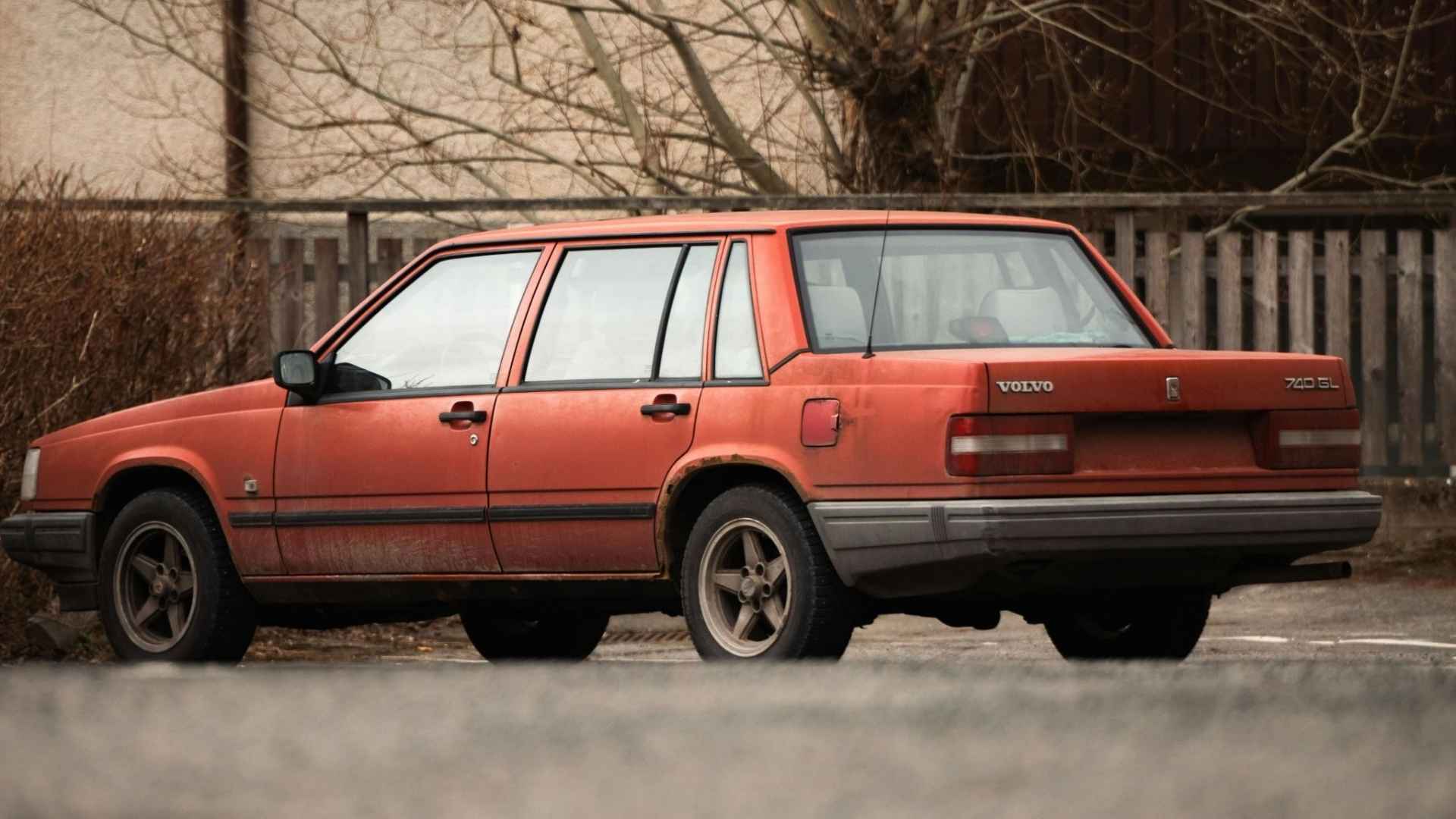

An unwanted vehicle does not automatically need a salvage title or special dismantling paperwork in Oregon. The procedure depends on what you intend to do with the car and whether it has an ordinary title, a lien, a totaled designation, or another ownership restriction.
Quick answer: To junk a car in Oregon, confirm your ownership documents, choose a disposal method, complete the appropriate transfer paperwork, and notify Oregon DMV within 10 days if you sell, donate, or gift the vehicle. If you plan to dismantle it yourself or it has been declared totaled, additional requirements may apply.
Start by identifying which situation describes your vehicle.
| Your situation | What to check first | Applicable process |
|---|---|---|
| Unwanted or non-running car | Title, ownership, outstanding lien | Ordinary sale or transfer |
| Car declared totaled | Title status and total-loss documentation | Oregon totaled/salvage procedures |
| Vehicle with an out-of-state junk designation | Issuing state's ownership documents | Oregon restrictions on retitling |
| Vehicle you intend to dismantle yourself | Whether Form 735-6017 applies | Personal dismantling procedure |
| Vehicle being transferred to a certified dismantler | Ownership documents and recipient requirements | Transfer plus applicable dismantler reporting |
The sections below explain each route using Oregon DMV's official vehicle guidance.
How to Junk a Car in Oregon: Step by Step
For a typical unwanted vehicle being sold or transferred, these six steps provide a practical starting point. Personal dismantling and totaled-vehicle transactions may require a different sequence.
Step 1: Check Ownership and Vehicle Status
Locate the certificate of title, identify everyone whose name appears on it, and check whether a lender has a recorded security interest. Confirm the VIN and look for salvage, totaled, or other title brands.
A non-running car with an ordinary title is different from a vehicle legally declared a total loss. If you are uncertain about its status, check Oregon DMV's title-brand information before arranging a transfer.
Step 2: Choose How to Dispose of the Vehicle
Your options may include selling to a vehicle buyer, transferring it to an automotive dismantler, listing it privately, donating it, or dismantling it yourself.
Ask whether the receiving business accepts the vehicle in its present condition. A missing engine, severe accident damage, absent wheels, or incomplete ownership documents can affect eligibility and transportation.
If you plan to dismantle the car yourself, review the separate Oregon procedure before starting work.
Step 3: Prepare the Required Documents
For an ordinary transfer, Oregon DMV instructs sellers to sign and date the title or an acceptable bill of sale. The vehicle's age and other circumstances determine whether odometer disclosure or additional documentation is required.
If there is a loan or lien, resolve the lender's interest before proceeding. Do not assume a missing title can always be replaced by a handwritten bill of sale.
Review Oregon DMV's seller instructions.
Step 4: Compare Offers and Disposal Arrangements
If you are selling rather than dismantling the car, describe its year, make, model, mileage, mechanical condition, missing components, and ownership status.
Confirm whether the buyer will arrange transportation, whether charges apply, which documents will be needed, and when and how payment would occur. Compare the actual transaction terms rather than choosing solely by an advertised price.
Step 5: Complete the Transfer
Sign the appropriate ownership documents and provide any required mileage disclosure. Record the recipient's name and address, the VIN, date of transfer, and agreed terms.
Keep a copy of the completed sale documents. If the vehicle is totaled or subject to a special title designation, check the additional instructions before transferring it.
Step 6: Notify Oregon DMV
After selling, donating, or gifting the vehicle, Oregon requires the seller to notify DMV within 10 days. You can report the transaction through DMV2U or use the applicable paper notice.
This notification does not itself transfer the title. Oregon DMV explains that the previous owner remains listed on its records until the buyer completes the title transfer.
Is Your Vehicle Junk, Salvage, or Totaled?
“Junk car” is commonly used to describe a vehicle that no longer runs, is uneconomical to repair, or is being disposed of. It does not automatically establish the vehicle's legal title classification.
Oregon distinguishes several situations:
| Classification | What it means | What the owner should verify |
|---|---|---|
| Unwanted or non-running vehicle | A car that is no longer useful or roadworthy | Whether ordinary transfer rules still apply |
| Legally totaled vehicle | A vehicle meeting Oregon's total-loss definition | Title surrender, salvage documentation, and intended disposition |
| Salvage-titled vehicle | A vehicle issued a salvage title under applicable rules | Current ownership document and transfer requirements |
| Out-of-state junk/nonrepairable vehicle | A vehicle another state designated as unsuitable for regular retitling | Whether the issuing state can remove that designation |
| Vehicle being dismantled | A vehicle undergoing qualifying destruction or disassembly | Whether the work is performed by a certified dismantler or another qualifying person |
When Is a Vehicle Legally Totaled in Oregon?
Oregon's legal definition of a totaled vehicle includes several distinct situations:
- Insurance total loss: An insurer obligated to cover a loss declares the vehicle totaled, or takes possession of or title to the vehicle.
- Certain uninsured stolen vehicles: A stolen vehicle that has not been recovered within 30 days of the theft can be considered totaled when an insurer does not cover the loss.
- Certain uninsured vehicle damage: A vehicle suffers damage not covered by an insurer, and the estimated repair cost is at least 80% of its retail market value before the damage.
The 80% rule applies to the specified uninsured-damage situation. It is not a universal definition of a junk car, and an owner does not automatically create a totaled designation by deciding a repair is too expensive.
For vehicles totaled because of damage, Oregon generally requires the owner to surrender the certificate of title within 30 days after the vehicle became totaled. A salvage title may be required depending on the circumstances and intended disposition.
If a totaled vehicle is being sold, Oregon's handbook specifies the ownership documents that must accompany the transaction. Where the original title has already been surrendered and no salvage title was issued, the seller must provide a bill of sale containing the particular totaled-vehicle statements required by DMV. An ordinary bill of sale without those statements should not be assumed sufficient.
Review Oregon DMV's Title and Registration Handbook, Chapter J before transferring a legally totaled vehicle.
What if Another State Already Classified the Car as Junk?
Oregon DMV generally cannot issue a title for a vehicle another state designated as junk, nonrepairable, crushed, scrap, or a comparable classification.
If the issuing state can legally remove the designation, the owner must address that status through that state. Otherwise, the vehicle cannot receive an Oregon title.
Do not confuse this rule with an ordinary, high-mileage Oregon-titled car that its owner informally calls junk. See Oregon DMV's junk-vehicle and title-brand rules.
What Paperwork Do You Need to Junk a Car in Oregon?
The documents depend on whether you are completing an ordinary sale, transferring a totaled vehicle, or dismantling it yourself.
For a typical sale, prepare:
- Certificate of title: Check the listed owners and any title brand or security interest.
- Bill of sale, if applicable: Oregon provides Vehicle Bill of Sale, Form 735-501. An acceptable bill of sale may document a release of ownership interest in some transactions.
- Lien release: Obtain the documentation required to release a lender's interest when applicable.
- Odometer disclosure: Required for certain vehicles based on model year, age, and exemptions.
- Vehicle information: Record the VIN, license plate number, year, make, and other identifying details.
- Buyer or recipient information: Obtain accurate name and address details needed for the DMV notification.
A bill of sale, a title assignment, and a DMV notice of sale serve different purposes. Do not assume one document replaces every other requirement.
Oregon's Odometer Disclosure Rule
Oregon generally requires an odometer disclosure when a vehicle is model year 2011 or newer and less than 20 years old, unless an exemption applies. Model-year 2010 and older vehicles are exempt from this requirement.
For qualifying transactions, both seller and buyer sign the disclosure on the back of the title or an approved secure odometer-disclosure form.
Other exemptions include certain vehicles not manufactured with odometers, vehicles above the specified gross vehicle weight rating, and qualifying transfers where an owner remains on the title.
If a required odometer display is broken or unreadable, follow DMV's special disclosure instructions rather than guessing a mileage figure.
Read Oregon DMV's odometer disclosure requirements and exemptions.
What if You Lost the Title?
First check whether Oregon's odometer-disclosure rule applies. For a model-year 2011 or newer vehicle that is under 20 years old and requires disclosure, Oregon DMV instructs the seller to obtain a replacement title before selling if the original is lost or destroyed.
For vehicles outside that category, other ownership-release documents may be relevant, but they are not automatically sufficient for every transaction. The required evidence depends on ownership history, the existing title, any recorded lien, and the type of transfer.
Contact Oregon DMV if the ownership chain is incomplete. Do not assume Form 735-6017, a handwritten bill of sale, or an agreement with a dismantler can bypass proof-of-ownership requirements.
What if the Car Still Has a Loan or Lien?
Oregon DMV instructs owners to pay off an outstanding loan before selling, donating, or gifting a vehicle. The lienholder must release its interest using the appropriate documentation.
Contact the lender to confirm the payoff and title-release process. Finding a willing buyer does not cancel the lender's rights, and you should not assume a buyer will handle the payoff.
See Oregon DMV's ownership and lien instructions.
Selling Your Car vs. Dismantling It Yourself
One of the most important Oregon distinctions is between transferring a complete vehicle to someone else and personally performing work that legally qualifies as dismantling.
Transferring a Vehicle to a Buyer or Certified Dismantler
If you sell the vehicle to a buyer or deliver it to a certified dismantler, follow the applicable ownership-transfer procedure and retain evidence of who received it.
A certified Oregon dismantler has its own reporting obligations, including the Vehicle Dismantler's Notice, Form 735-270, where required.
The seller should still verify applicable notification obligations. Hiring or selling to a licensed business does not automatically complete every responsibility assigned to the vehicle owner.
Dismantling the Vehicle Yourself
Oregon has a specific notice procedure for people or businesses undertaking qualifying wrecking, disassembly, or dismantling when they are not required to hold a dismantler certificate.
Examples of qualifying activity can include destroying the frame or unibody, crushing or shredding the vehicle, or separating major components in circumstances covered by the applicable definitions.
Merely selling a broken car does not automatically require a personal dismantling notice.
If you intend to perform the work yourself, review Chapter J of Oregon DMV's handbook and determine whether Form 735-6017 applies before beginning.
Oregon Form 735-6017: Notice and Deadlines
Oregon's Notice of Vehicle to Be Dismantled / Proof of Compliance, Form 735-6017, applies to qualifying wrecking, dismantling, or disassembly by a vehicle owner who is not required to hold an Oregon dismantler's certificate.
The form is not a general junk-car selling document. It must not be used merely because a vehicle is old, damaged, or unable to run. Certified dismantlers follow a different reporting process using Form 735-270.
For qualifying activity, the procedure has two stages:
- Before work begins: Submit the original white copy of Form 735-6017 to the DMV Salvage Desk at least seven days before starting the qualifying work.
- After the work is completed: Within 30 days after dismantling, submit the vehicle's registration card, license plates, and title or other primary ownership document, together with the applicable additional documents.
The second-stage documents depend on salvage-title requirements. If a salvage title is required, submit the applicable salvage-title application and fee. If the vehicle is not subject to salvage-title requirements, submit the pink and yellow copies of Form 735-6017 with the required ownership documents.
Before filing: Oregon's DMV handbook describes an original multipart form, while a PDF of Form 735-6017 is also publicly accessible. Do not assume that printing the online PDF produces the required original white, pink, and yellow copies. Contact DMV to obtain the currently accepted form packet or confirm the permitted submission method.
The form also specifies that the person using it must own the vehicle. If ownership documents are missing, contact DMV before attempting this procedure.
See Oregon DMV's Chapter J: Damaged/Totaled Vehicles for the applicable definitions, salvage-title requirements, and filing instructions.
How to Notify Oregon DMV After Selling
For an ordinary sale, donation, or gift, Oregon requires the seller to notify DMV within 10 days of transferring the vehicle.
You can report the transaction using either of these official methods:
- Online: Submit the vehicle-sale notification through Oregon DMV2U.
- By mail: Complete Notice of Sale or Transfer of a Vehicle, Form 735-6890, and mail it to Oregon DMV, 1905 Lana Avenue NE, Salem, OR 97314.
Include accurate vehicle details, the transaction date, and the buyer's or recipient's name and address. Retain a copy of the submitted form or online confirmation.
Important: Form 735-6890 is not a bill of sale or an ownership-release document. It notifies DMV that a transfer was reported. It does not independently change the registered owner on DMV records.
Completing the required transfer paperwork and submitting the seller notification are separate responsibilities. Oregon DMV explains that the seller remains listed as the owner until the buyer obtains a title.
What the Sale Notice Does and Does Not Do
The notice records that you reported the transfer. It does not function as a bill of sale or independently transfer title ownership.
Oregon DMV specifically warns that the seller continues to appear as the owner on DMV records until the buyer completes the title transfer.
That is why you should complete the required transfer documents and seller notification rather than relying on either step alone.
What Happens to the License Plates?
Oregon DMV permits sellers to remove license plates before an ordinary vehicle sale. This is an option rather than a universal instruction to surrender plates for every transaction.
If you personally dismantle a vehicle under Form 735-6017, the post-dismantling filing has separate requirements involving its plates and registration documents.
Check which process applies instead of treating ordinary sales and personal dismantling alike.
Your Options for Getting Rid of a Junk Car
The right disposal route depends on whether you want to maximize the potential sale proceeds, minimize the work involved, preserve reusable parts, or dispose of the vehicle permanently.
1. Sell to a Junk-Car Buyer
A direct vehicle buyer may be an option for an unwanted or non-running car. Provide accurate information about its condition, ownership, and accessibility.
Compare any offer with the associated documentation, transportation arrangements, possible charges, and payment terms. A requested offer is not a guaranteed purchase.
2. Transfer the Vehicle to an Automotive Dismantler
A dismantler may be appropriate when the car has little practical repair value but still contains usable components or recyclable material.
Ask whether the facility accepts your vehicle's condition and title status, how transportation is arranged, and what transfer documentation you will receive.
For businesses handling dismantled vehicles, Oregon DEQ publishes environmental compliance guidance.
3. Arrange a Private Sale
If the vehicle has repair, restoration, or parts value, a private buyer may be interested.
Explain its mechanical and title status accurately. A private sale still requires applicable ownership documents, any mandatory odometer disclosure, and Oregon's seller notification.
4. Donate the Vehicle
Some charitable organizations accept vehicles for their own use or subsequent sale. Ask whether the organization qualifies, whether it accepts a non-running car, and whether it provides the documentation you need.
A donation does not automatically produce a tax deduction. Federal treatment depends on the donor's circumstances, the recipient organization, the vehicle's use or sale, and substantiating documents. Consult the IRS guidance for vehicle contributions before estimating a tax benefit.
Oregon's applicable ownership-transfer and seller-notification requirements still apply.
5. Dismantle the Vehicle Personally
Personal dismantling can involve substantial work, specialized handling, and legal obligations. Before beginning, determine whether the activity falls within Oregon's dismantling definitions and whether Form 735-6017 applies.
A professional receiving facility may be the more practical choice if you cannot safely manage the components or waste materials.
Recycling and Environmental Safety
End-of-life vehicles contain recoverable metals and parts, but may also contain fuel, oil, coolant, refrigerants, batteries, and other materials requiring appropriate handling.
Oregon DEQ's guidance for auto dismantlers describes environmental controls and obligations applicable to dismantling businesses. It should not be interpreted as imposing every business permit requirement on an individual selling a vehicle.
If you are unsure how to handle hazardous materials, use a qualified facility rather than draining, burning, dumping, or dismantling components without suitable equipment and knowledge.
How Much Is a Junk Car Worth in Oregon?
There is no fixed statewide payment amount for a junk car. What a buyer is willing to offer depends on the individual vehicle and the transaction.
| Valuation factor | Why it matters |
|---|---|
| Year, make, and model | Some vehicles and components have stronger resale or reuse demand |
| Mechanical condition | Major failures can affect repair or resale potential |
| Body and structural damage | Collision, fire, water damage, or corrosion may change usable parts and value |
| Missing components | Removed engines, transmissions, catalytic converters, wheels, and other parts can affect an evaluation |
| Mileage and completeness | Relevant when the buyer considers parts or resale potential |
| Ownership documents | Unresolved liens and title issues can complicate or prevent a transaction |
| Location and access | Transport distance, loading equipment, and storage restrictions may affect the terms |
A scrap-metal price alone cannot tell you what a particular vehicle will sell for. A complete car may have value beyond its recyclable metal, while transportation and handling can offset part of that value.
Compare actual offers and terms instead of assuming that a car of a certain age or condition is guaranteed to produce a particular payout.
Prepare Your Car for Pickup or Disposal
Before handing a vehicle to a buyer, dismantler, or donation recipient, take these practical steps:
- Remove personal belongings from the cabin, trunk, glove compartment, and storage areas.
- Take out garage-door openers, parking passes, and personal documents.
- Locate the keys or disclose if they are missing.
- Confirm the VIN and have the relevant ownership documents available.
- Record the recipient's name, address, transaction date, and agreed terms.
- Describe whether the car starts, rolls, steers, or has missing wheels and components.
- Discuss storage-lot, repair-shop, gate, or other access restrictions.
- Confirm transportation arrangements, charges, and payment terms where applicable.
- Keep copies of transfer documents and your Oregon DMV seller-notification confirmation.
If the vehicle is stored on another person's property, obtain the required access or release permission before arranging collection.
If you remove parts or discover additional damage after agreeing to an offer, inform the receiving party before the vehicle is collected.
Want to Sell Your Unwanted Car Instead?
If you would rather explore a sale than dismantle the vehicle yourself, ByeCar's Oregon vehicle-buying page provides a way to request an offer.
Share the vehicle's year, make, model, location, and condition. Before accepting any offer, confirm whether the vehicle qualifies, which ownership documents are needed, whether transportation is available, and the applicable charges and payment arrangements.
An inquiry does not guarantee a purchase, particular payment amount, or pickup date. Oregon's seller-notification requirement remains your responsibility when applicable.
Request an Oregon Vehicle Offer
Frequently Asked Questions About Junking a Car in Oregon
Can I junk a car in Oregon without a title?
It depends on the vehicle and transaction. For qualifying vehicles that require odometer disclosure, Oregon DMV instructs sellers to obtain a replacement title if the original is lost. Other circumstances can involve different ownership documents, but a bill of sale is not a universal substitute for a title.
Do I have to notify Oregon DMV when I sell a junk car?
Yes, Oregon generally requires notification within 10 days after a sale, donation, or gift. You can use DMV2U or the official notice-of-sale form. Keep confirmation and remember that the notice does not itself transfer the title.
Do I need Form 735-6017 to sell a junk car?
Not for an ordinary sale simply because the vehicle is old or non-running. Form 735-6017 applies to qualifying wrecking, dismantling, or disassembly by persons who are not required to hold a dismantler certificate. Certified dismantlers have separate reporting requirements.
Can I sell a totaled car in Oregon?
Potentially, but you must follow the applicable totaled-vehicle and salvage-document procedures. In some circumstances the buyer must receive a salvage title; where a title was surrendered and no salvage title issued, Oregon requires particular statements in a bill of sale. Consult DMV Handbook Chapter J for your situation.
Can I keep my license plates when junking a car?
Oregon permits sellers to remove their license plates before an ordinary vehicle sale. Personal dismantling under Form 735-6017 has different plate-submission requirements. Check your specific disposal route.
What if my junk car still has an unpaid loan?
Contact the lienholder to resolve the loan and obtain the required release documents before transferring the vehicle. A buyer's willingness to purchase does not remove the lien.
Does a junk car have to run to be sold?
Not necessarily. A buyer or dismantler may consider a non-running car depending on its condition, documents, completeness, and location. Explain whether it can roll, steer, and be safely accessed for transportation.
Is selling an unwanted car the same as declaring it salvage?
No. An owner calling a car “junk” does not create a legal totaled or salvage classification. Those designations depend on the vehicle's history and Oregon's applicable rules.
For further official guidance, consult Oregon DMV's buying and selling instructions, odometer rules, title-brand information, and damaged/totaled vehicle handbook.