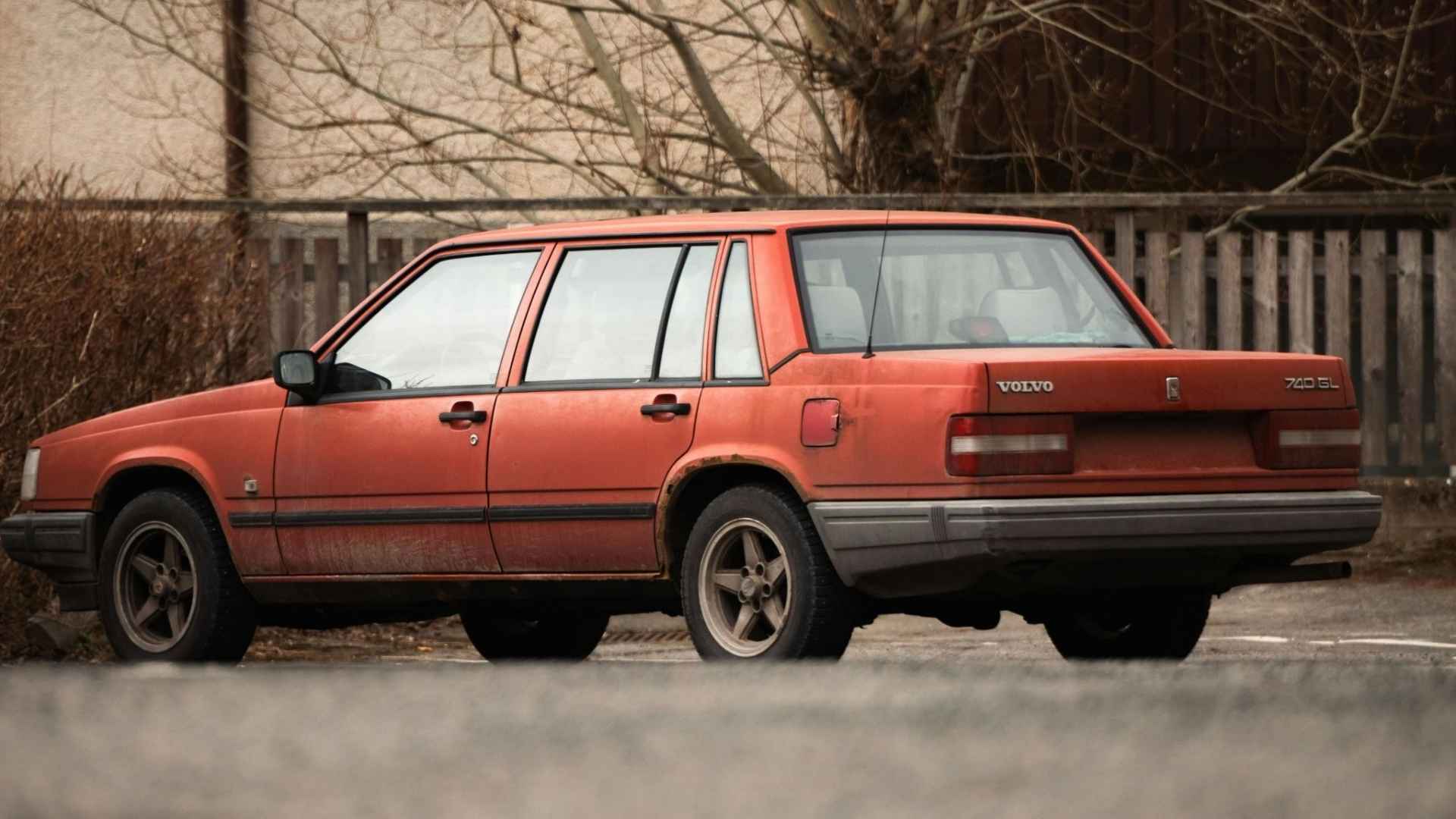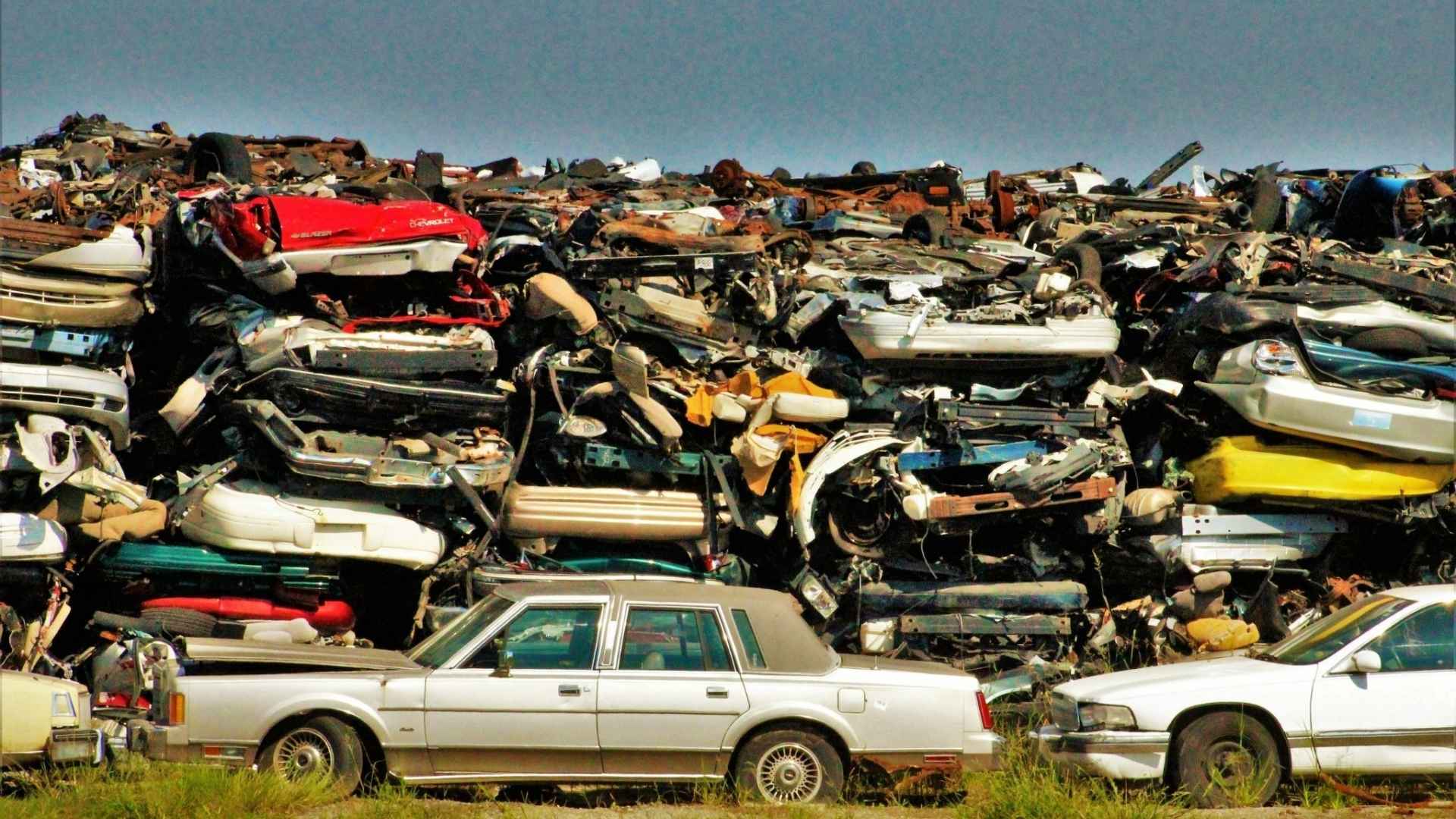

An unwanted car can sometimes be sold for reuse, parts, or recycling instead of being left in storage or taken away at your expense. But a successful car disposal for cash transaction depends on more than the amount someone quotes. Ownership documents, vehicle condition, collection costs, and how payment is confirmed all matter.
This guide explains how to choose a disposal method, compare the amount you would actually receive, prepare the car, and complete the handoff. The phrase "for cash" describes the goal of receiving payment, not a promise that every vehicle will be purchased or that the buyer will pay in physical currency.
Can You Get Paid to Dispose of an Unwanted Car?
Possibly. A vehicle that no longer runs may still interest a buyer because it has reusable components, recyclable metal, or repair potential. A complete car that cannot start presents a different opportunity from one missing its engine, wheels, or other major components. Likewise, a vehicle with a legal ownership problem may not be transferable until that problem is resolved.
There is no universal minimum payout. Buyers have different uses for vehicles and different transport or processing costs. A vehicle might receive an offer, be accepted only under certain conditions, or have no positive purchase offer once collection costs are considered.
Before assuming the car is worth only scrap, find out what it contains, what paperwork you have, and whether it can be moved. For a deeper explanation of how those factors affect the amount, see ByeCar's guide to the junk value of cars.
Choose the Right Disposal Option
The right route depends on whether the vehicle has repair potential, how much work you want to manage, and whether it can legally be transferred. No single type of buyer is always the fastest or highest-paying choice.
| Disposal route | When it may make sense | What to confirm |
|---|---|---|
| Private as-is sale | The car may appeal to someone planning to repair or reuse it. | Ownership transfer, buyer identity, payment safety, and whether the buyer will transport it. |
| Automotive recycler or salvage yard | The car is damaged, incomplete, or likely to be dismantled for parts and materials. | Whether it accepts the title status, which entity receives the vehicle, and the net amount after any charges. |
| Vehicle-buying service | You would rather submit the details for an evaluation than manage a private listing. | Vehicle eligibility, inspection conditions, collection arrangements, payment method, and any costs. |
| Charity or donation program | Receiving payment is not your priority and a qualified organization accepts the vehicle. | Acceptance, transport, ownership paperwork, and any tax documentation. |
A donation is not a cash sale, and it does not automatically create a tax deduction. The IRS guidance on vehicle donations explains documentation and deduction limits.
If you mainly need help finding a suitable destination, read where to sell a junk car. The remaining steps here focus on completing a disposal transaction once you start comparing options.
Step 1. Record Your Vehicle's Condition
Accurate details make offers easier to compare and reduce the risk of discovering a problem at collection. Gather the year, make, model, VIN, approximate mileage, location, and any known title brand, such as salvage or scrap.
Describe the vehicle as it is now, not as it looked when last driven. Useful details include:
- Whether the engine starts and whether the car moves under its own power.
- Whether it rolls and steers, and whether all wheels and tires are present.
- Major collision, flood, fire, mechanical, or structural damage.
- Missing parts such as the engine, transmission, catalytic converter, or battery.
- Leaks, deployed airbags, broken glass, or other safety concerns.
- Where it is parked and any obstacles to loading it.
Take clear photos of the exterior, damage, and missing components when practical. Do not start or drive an unsafe vehicle just to answer a buyer's question. If repair versus sale is still undecided, ByeCar's guide to selling an unusable car discusses that separate decision.
Step 2. Check Your Title and Ownership Documents
A proposed offer does not establish your legal right to sell the vehicle. Check the ownership record before committing to a buyer, especially if the car has been parked for years or has passed through several owners.
| Your situation | What to verify |
|---|---|
| Title available in your name | Confirm the VIN, listed owners, title brand, and applicable assignment requirements. |
| Title missing | Ask your state's motor vehicle agency about replacement or a narrowly applicable alternative procedure. |
| Lien still recorded | Contact the lienholder about release or authorized transfer before making commitments. |
| Multiple owners or an estate | Establish who has authority to sign and which supporting documents are needed. |
| Vehicle declared a total loss | Confirm whether the insurer or owner currently holds title and the right to the vehicle. |
Title rules, odometer disclosures, license plate treatment, and seller notices vary by state and transaction type. A bill of sale is not a universal substitute for a title, and a recycler's special documentation rules do not automatically apply to private transactions.
Do not sign an incomplete title or assume a buying service can remove a lien, replace missing ownership evidence, or perform every seller obligation. If you are unsure, start with the motor vehicle agency that issued the title and check whether additional requirements apply in the state where the transfer occurs. Confirm separately which ownership documents the receiving buyer requires. Do not assume that a form accepted by one state or one recycler is sufficient for every transaction.
Step 3. Request and Compare Written Offers
Provide the same accurate description and location to each prospective buyer. Ask whether the quoted amount is an estimate or a defined offer, and whether inspection, title status, missing parts, or collection conditions could change it.
The useful comparison is net proceeds: agreed vehicle payment minus any seller-paid charges. A larger headline number is not necessarily the better transaction if its final terms are incomplete.
| Compare | Ask the buyer |
|---|---|
| Amount | What will I actually receive after any applicable fees? |
| Vehicle assumptions | Does the quote account for non-running condition, missing parts, and known damage? |
| Possible adjustments | Is an inspection required, and what specific findings could change the amount? |
| Transport | Who arranges loading or delivery, and are there towing or special-access charges? |
| Documents | Which ownership documents are required before the handoff? |
| Payment | What method is proposed, and when and how will it be confirmed? |
| Validity | How long do the quoted terms remain available? |
Get the relevant terms in writing and retain the vehicle description you supplied. If the assessment changes, request an explanation and decide whether the revised terms still work for you. You do not need to assume that a quoted amount includes collection or guarantees a completed purchase.
For the distinction between a vehicle offer, reusable parts, and materials-based estimates, see how car scrap value is calculated.
Step 4. Confirm Pickup or Delivery
A car that does not run may need transport, but neither pickup availability nor its price can be assumed. Ask whether the buyer will arrange collection or expects you to deliver the vehicle. Confirm the location, agreed appointment, person authorized to release the car, and any charges.
Tell the buyer if the car has no keys, locked steering, flat or missing tires, seized wheels, fluid leaks, or damage that may complicate loading. A vehicle blocked behind a gate, inside a tight garage, on soft ground, or at a repair shop can require a different arrangement from one parked on an accessible driveway.
If the car is in a storage yard, ask about accumulated charges and release rules. If it belongs to an estate or is on someone else's property, confirm access and authority before scheduling transport. Do not move an unsafe car or arrange unauthorized removal to satisfy a proposed collection date.
Step 5. Prepare the Car for Transfer
Once the buyer, documents, and handoff plan are confirmed, prepare the vehicle without dismantling anything that could introduce a safety or environmental hazard.
Check the cabin, trunk, under the seats, glove compartment, and storage pockets for belongings. Remove toll transponders, parking passes, garage remotes, and personal records. If the car stores personal information in a paired phone or infotainment system, follow the manufacturer's instructions for removing that information when safe and accessible.
Have the keys, title or other approved documents, identification when required, and written terms ready. Check your state's rules before removing plates, surrendering registration items, or signing transfer documents. Make copies of the completed transfer records for your own files.
If someone else will meet the collector, ask in advance what authorization is legally required and what the buyer will accept. Do not presume another person can sign the title for you simply because they have the keys.
Step 6. Verify Payment and Hand Over the Vehicle
Confirm the actual agreed amount, payment method, recipient name on the paperwork, and any remaining conditions before releasing the car. "Cash for cars" is common service terminology; it does not mean that every buyer pays in banknotes or pays at the moment the tow truck arrives.
Be especially cautious when selling to someone you have only met online. The Federal Trade Commission warns about fake checks sent to car sellers. One common warning sign is a buyer who sends more than the agreed price and asks you to return the difference. Funds appearing in a bank balance do not prove that a deposited check is genuine.
The FTC also warns about fake payment notifications and refund requests. Check your payment account directly instead of trusting a screenshot, email, or message provided by the buyer. If payment is by check, ask your bank what verification is possible. An available balance, or even a check described as cleared, does not necessarily mean the check is genuine. Do not return a claimed overpayment or share verification codes. Resolve any uncertainty about the agreed payment arrangement before releasing the vehicle.
Complete the applicable title and sale paperwork through the proper process, keep a receipt identifying the vehicle and transaction, and coordinate release with the agreed payment arrangement. If the amount or terms change unexpectedly, clarify them before deciding to proceed.
Step 7. Complete Your Post-Sale Responsibilities
The car leaving your property does not necessarily complete every administrative step. Depending on your state and the type of transfer, you may need to file a seller notice or release, handle license plates, update registration records, or obtain proof of recycling or disposal.
Keep copies of the completed title assignment, bill of sale or receipt, buyer's identifying information, payment record, and collection documentation. Note the date of the transfer and save any confirmation that an agency accepted a required notice.
Contact your insurance provider once the sale and release are properly completed and ask when coverage should end. Verify any registration or plate requirements with your state agency before assuming an insurance cancellation resolves them. If the title record still shows you as the owner, follow the state's process for addressing that situation.
Do not rely on a buyer's general promise to "handle the paperwork" as a substitute for the actions the law assigns to you.
What Happens When a Car Is Recycled?
An end-of-life vehicle may be dismantled so usable components can be recovered and materials can be recycled. It can also contain fuel, used oil, coolant, refrigerants, tires, airbags, and batteries requiring controlled handling. These are reasons to choose a suitable receiving operation, not to drain or remove hazardous components yourself as a routine preparation step.
The U.S. Environmental Protection Agency discusses the handling of fluids, batteries, fuel, refrigerants, and other materials in its end-of-life vehicle processing guidance. The EPA's used-oil recycling guidance also explains why used lubricants require appropriate management. These resources describe environmental handling practices, not a certification of any particular vehicle buyer. Ask where the car will go and whether the recipient can accept its condition and title status.
Considering a Vehicle Evaluation Through ByeCar?
If you would rather submit your vehicle details for consideration than manage a private listing, you can request an evaluation through ByeCar's junk-car service.
Describe the car's condition, title status, missing parts, location, and collection access accurately. Before deciding to sell, confirm eligibility, the proposed amount, any charges or inspection conditions, payment arrangements, and who will handle transportation. An inquiry is not a guaranteed offer or purchase.



Frequently Asked Questions About Car Disposal for Cash
Can a car that has not run for years still be sold?
Possibly. Remaining components or recyclable materials may interest a buyer, but years in storage can affect condition, documentation, and collection. Disclose how long it has been parked, whether the wheels turn, and any known deterioration. An offer is not guaranteed.
Can I get paid for a car if I cannot find its title?
That depends on the ownership circumstances, state law, and the receiving buyer's requirements. A title replacement may be necessary. Do not assume that a bill of sale, old registration, or a buyer's willingness to discuss the vehicle authorizes a title-free transfer.
Does a higher quoted price always mean I will receive more?
No. Ask each buyer for the amount after any seller-paid transport, storage, loading, or other agreed charges. Compare inspection conditions and payment terms along with the stated amount.
What if the car is missing wheels or cannot be loaded normally?
Explain exactly what is missing or immobilized and where the vehicle is located. Collection may require different equipment or may not be available under the proposed terms. Confirm the actual loading plan and any cost before accepting.
Should I remove valuable parts before disposing of the whole car?
Not automatically. Removing components can change a buyer's offer and make collection more difficult. Some parts involve safety, environmental, or legal restrictions. Discuss the vehicle as a whole with prospective buyers before deciding to remove anything.
Must I be present when the car is collected?
Not necessarily in every transaction, but the seller or another properly authorized person must complete the applicable ownership and release requirements. Ask the buyer whether an alternate handoff is accepted, and verify any legal authorization required before making arrangements.
What proof should I keep after the vehicle leaves?
Retain the completed ownership-transfer documents, buyer information, agreed terms, payment evidence, and any removal or disposal receipt. Keep confirmations of required state notices and follow your jurisdiction's record-retention guidance. These documents can help if questions arise after the handoff.