

 Over 25,000 cars purchased nationwide

If you have a junk, damaged, or non-running car in Seattle, you can request an evaluation without first estimating its value or arranging a tow. Start with the vehicle's year, make, model, ZIP code, and contact details. Be ready to explain its condition, ownership documents, and exact location if more information is requested. An inquiry does not guarantee an offer or collection.
What Affects a Junk Car Offer in Seattle?
An evaluation may consider the year, make, model, mileage, mechanical problems, collision damage, title status, and major components that remain with the car. Whether it starts, rolls, steers, or brakes can also affect the collection arrangements needed.
A vehicle with a failed engine but intact wheels presents a different loading situation from one with missing wheels or damaged suspension. Describe known defects, missing keys or parts, and any previous total-loss designation. Photos or the vehicle identification number (VIN) may help if requested during follow-up.
Your actual location matters, too. A car in an accessible driveway may require different planning from one in an underground garage or a restricted curb space. Review any available offer and its inspection, documentation, collection, and payment conditions before deciding whether to sell.

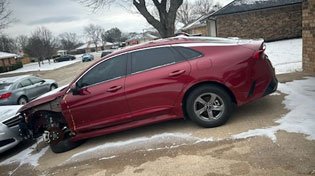
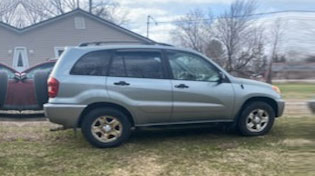
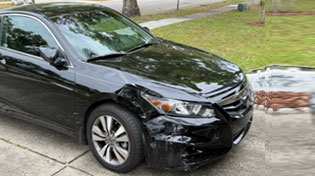
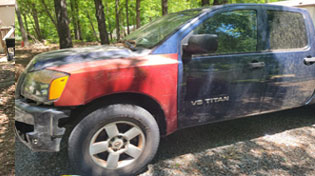
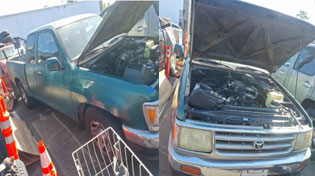

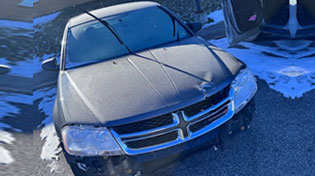
Junk, Damaged, and Non-Running Cars
You can submit a vehicle with engine or transmission failure, accident damage, flood or fire exposure, missing components, or other serious problems. An older vehicle that still runs can also be submitted for consideration. Its condition does not by itself guarantee a purchase or a specific amount.
Disclose significant damage and whether the car can be moved safely. If an insurer has declared it a total loss, say so rather than describing it only as a non-running car. Washington's title and salvage requirements may affect which documents are needed for a transaction.
Seattle Street Parking and the 72-Hour Rule
How long can a vehicle stay on the same city block?
Seattle's 72-hour on-street parking ordinance prohibits leaving a vehicle on the same block of a city street for more than 72 consecutive hours, even where no 72-hour sign is posted. Public streets are not intended for long-term vehicle storage.
This limit is not permission to leave a disabled or illegally parked car for three days. Other restrictions may apply. Arrange lawful collection or storage instead of driving an unsafe vehicle just to restart the clock.
Can posted restrictions require earlier removal?
Yes. Seattle says temporary parking restrictions can be posted with a minimum of 24 hours' notice for purposes such as utility work, cleaning, or events. An affected vehicle may be cited or towed if it remains after the restriction begins. See the city's parking ordinance guidance.
Check the signs where the car is actually parked, including any meter, load zone, restricted parking, or temporary no-parking notice. Do not assume a planned buyer collection overrides those restrictions or that a towing appointment prevents enforcement.
Keeping a Non-Working Car on Private Property in Seattle
What do Seattle's junk-storage rules say?
Seattle's Department of Construction and Inspections explains that junk, including inoperable vehicles and car parts, generally cannot be stored outdoors on private property or adjacent rights-of-way such as planting strips. Its guidance instructs property owners to store non-working vehicles in a garage or off-site.
Private-property storage rules differ from street-parking rules. A driveway or yard is not automatically a permitted long-term location, and an offer request does not suspend enforcement.
What if the car cannot fit in a garage?
Confirm an appropriate off-site storage or removal arrangement, taking account of the vehicle's mobility and who controls the property. Do not move the vehicle into an alley, planting strip, or public parking space on the assumption that those areas are unrestricted alternatives.
For rented or shared parking, confirm permission and access with the property manager.
Preparing a Vehicle for Collection in Seattle
What if the vehicle is at the curb or near a loading zone?
Seattle's load-zone guidance distinguishes passenger loading, truck-only zones, and commercial-vehicle loading areas. These are not general spaces for leaving a disabled car or guaranteeing a recovery truck can stop.
Seattle's Temporary No Parking Zone guidance describes curb reservations for approved activities, not storage spaces for an unwanted personal vehicle. Occupying a reserved zone requires the applicable authorization, and Restricted Area Permits are limited to eligible trucks or service vans. Passenger vehicles are not eligible for those permits.
Whether collection requires a temporary curb reservation, permit, or another arrangement depends on the location and activity. Confirm the loading plan with the collection provider and Seattle SDOT before scheduling. Do not assume that a reserved space is available for a junk car or any particular tow truck.
Which access and mobility details should I provide?
Tell the buyer whether the car is on a street, driveway, apartment lot, repair-shop property, or inside a garage. Mention gated entries, steep or narrow approaches, low ceilings, restricted hours, and permission needed from an owner or manager.
Report flat tires, stuck brakes, missing keys or wheels, and significant damage. Confirm whether collection is possible, what equipment or charges apply, and any preparation required.

Washington Titles, Liens, and Salvage Documents
What if I have a title or have lost it?
A vehicle sale requires the applicable ownership documents and release of interest. The Washington DOL explains the steps. A bill of sale alone does not replace a required title or release.
If your title is missing, review DOL's replacement-title procedure and Affidavit of Loss/Release of Interest guidance. Requesting a replacement title and releasing ownership interest for a sale are different uses of the affidavit.
When the affidavit is used to release interest in a vehicle being sold, DOL requires both a completed affidavit and a completed Vehicle Title Application. All applicable registered and legal owners must sign the release, with notarization or certification by a vehicle licensing agent as required. If a lien remains, the lienholder may need to apply for the replacement title. Do not assume a buyer can accept the vehicle without the required documents.
What if a lender is listed as legal owner?
A lender may remain listed as the legal owner while a loan is outstanding. Washington DOL's lienholder guidance explains the applicable release documentation. When a lien remains on a lost title, the lienholder generally must apply for the replacement.
Disclose the lien and contact the lender about any balance or release. Do not assume ByeCar provides payoff services.
Does a declared total loss require different paperwork?
Yes, potentially. The DOL's salvaged-vehicle guidance describes separate reporting and title-surrender steps for vehicles declared a total loss. For applicable cases, the registered or legal owner must surrender the title within 15 days of destruction; an insurer has a separate 15-day period after claim settlement.
A declared salvage vehicle cannot legally be driven or parked on public roads until a new title is issued. Ordinary mechanical failure does not automatically create that status. Disclose the designation and verify required documents.
Washington Seller Responsibilities After the Sale
What should I do with the license plates?
Washington DOL instructs sellers to remove the license plates when the vehicle is sold. Do not leave your plates for the buyer to use. Follow DOL instructions for retaining, transferring, or disposing of them as applicable to your situation.
Keep the transfer paperwork and buyer details needed for your Report of Sale.
When must I file a Vehicle Report of Sale?
Under WAC 308-56A-525, a seller's Vehicle Report of Sale generally must be received by Washington DOL within five days after the sale or other qualifying transfer, excluding Saturdays, Sundays, and state and federal holidays. The regulation provides limited exceptions for certain registered-dealer transfers and vehicles disposed of by licensed wreckers.
An eligible registered Washington dealer may file on the seller's behalf, but confirm that the report was submitted and received. Keep the filing confirmation when available. The buyer's ordinary 15-day title-transfer deadline is a separate requirement, and a bill of sale does not replace the seller's report.
How the Offer and Sale Process Works
- Request an evaluation. Enter the vehicle's year, make, model, ZIP code, and your contact information using the existing form.
- Describe its condition and documents. Follow-up questions may cover damage, missing parts, mileage, photos, title or lien status, and where the vehicle is parked.
- Review any available offer. Confirm the proposed amount, possible inspection, required paperwork, collection availability, transportation charges, and payment arrangements.
- Complete an agreed transaction. Follow the applicable title and release requirements, arrange any agreed collection, remove plates, and complete the seller's Report of Sale when required.
Submitting the form does not automatically transfer ownership, schedule collection, or guarantee a purchase.
Confirm Collection and Payment Terms
Before accepting an offer, check whether collection is available at the exact Seattle address, what loading arrangements are needed, and whether any fees or inspection conditions could affect the amount. Confirm what identification and ownership documents must be provided.
ByeCar's published payment disclosure says that the phrase "cash for junk cars" does not necessarily mean physical cash and that payment is typically by check or wire transfer. Confirm the actual method and timing before signing or releasing the vehicle. Do not assume immediate payment, free towing, or a guaranteed pickup time.
Condition: State whether the vehicle starts, rolls, steers, and brakes, and disclose major missing parts.
Access: Describe posted restrictions, gates, garage clearance, and required property permission.
Documents: Check title or release paperwork, liens, license plates, and your Report of Sale responsibilities.
Seattle and Other Washington Service Areas
This page is for vehicles located in Seattle. Provide the vehicle's actual address and ZIP code, not only the owner's mailing address. Seattle's street and private-property rules do not automatically govern locations in Bellevue, Renton, Tacoma, or other municipalities.
For other Washington locations and statewide information, visit the Washington junk-car service page. Availability and collection terms must be confirmed for the specific vehicle and address.
Request an Offer for Your Seattle Vehicle
Use the existing offer form to provide your vehicle's year, make, model, ZIP code, and contact information. If requested, explain its condition, title status, and loading access. Review any available offer and confirm documents, collection arrangements, and payment terms before deciding whether to proceed.
Frequently Asked Questions About Selling a Junk Car in Seattle
Can I request an offer for a car that no longer runs?
Yes. Describe the damage and whether it moves. Purchase and collection are not guaranteed.
Does Seattle's 72-hour rule mean I can leave a disabled car on the street for three days?
No. The 72-hour rule limits same-block parking but does not override shorter posted restrictions or other vehicle requirements. Arrange a lawful alternative if the car cannot be moved safely.
Can I keep a non-working car outside on my Seattle property?
Seattle's junk-storage guidance advises storing non-working vehicles in a garage or off-site. A driveway or yard does not automatically qualify as lawful long-term storage.
Can a car be collected from a garage, apartment lot, or restricted curb space?
It depends on access, permission, parking restrictions, and the agreed terms. Describe the location and loading constraints.
What if my Washington vehicle title is missing?
Review DOL's lost-title instructions. A replacement or qualifying Affidavit of Loss/Release of Interest process may apply; acceptance without proper documents is not guaranteed.
Can I submit a vehicle with a lien or salvage designation?
Yes, for evaluation. Disclose the lien or total-loss status. The required lien releases or salvage documents may affect whether a transaction can be completed.
What happens to my plates and Report of Sale?
Remove the plates at sale. A Vehicle Report of Sale is generally due within five days, excluding weekends and state and federal holidays. Confirm any qualifying dealer filing and keep proof when available.
Are collection and payment free or immediate?
Not automatically. Confirm any transportation charges, collection availability, payment method, and timing before agreeing to sell.

