

 Over 25,000 cars purchased nationwide

Junk and Unwanted Vehicles We Can Evaluate in Renton
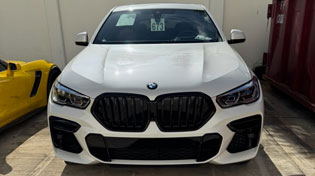
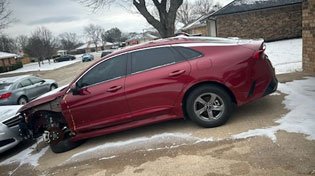
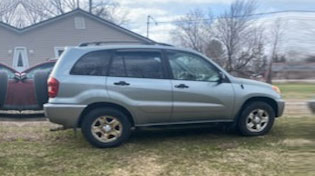
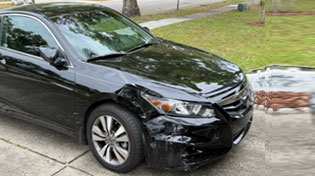
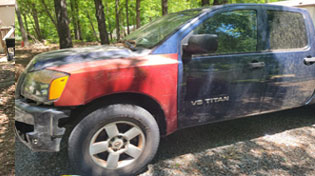
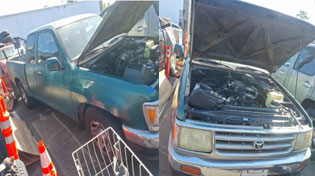
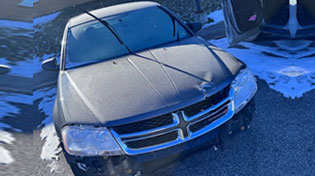
A vehicle does not have to be drivable to be worth asking about. If your car has a failed engine, collision damage, high mileage, or repairs that no longer make financial sense, you can submit its details for evaluation. ByeCar considers requests involving unwanted passenger cars, SUVs, pickups, and vans, including vehicles with significant mechanical or body damage.
Useful details include whether the vehicle starts, whether it can roll and steer, and whether major parts such as the engine, transmission, wheels, or catalytic converter are missing. Disclose flood or fire damage, a salvage history, and any ownership issues as well. These facts may affect eligibility, an offer, or collection arrangements.
Not sure whether to repair or sell? Compare the written repair estimate with the vehicle's likely value after repairs, and consider how long you intend to keep it. You do not need to repair a car just to request a quote.

How to Request an Offer for Your Car
The starting point is information, not a commitment to sell.
- Describe the vehicle. Enter the make, model, year, and Renton-area ZIP code. Be prepared to describe its mileage, damage, missing parts, and whether it runs. Photos can help clarify its condition when requested.
- Review the evaluation. ByeCar reviews the available details and can discuss an offer or request more information. The amount and whether an offer is available depend on the vehicle.
- Clarify ownership. Before proceeding, identify who is listed on the title, whether the document is available, and whether a lien or salvage designation applies.
- Confirm the transaction. If you decide to move forward, establish the agreed amount, payment method, paperwork, and any pickup arrangements before the vehicle changes hands.
Submitting a request does not commit you to selling the vehicle.
What Affects a Junk Car's Offer?
There is no reliable fixed payment for every junk car in Renton. An evaluation may account for several different facts about the specific vehicle:
- Make, model, year, and mileage: These help identify the vehicle and its potential resale or parts demand.
- Condition and completeness: A car that runs, rolls, and has its major components may be assessed differently from one with severe damage or missing parts.
- Ownership status: A clear title, a lien, or a salvage designation can change the documents needed to complete a transaction.
- Location and access: A vehicle parked in an open driveway presents different collection considerations from one in a low-clearance garage or restricted lot.
The best way to receive a relevant evaluation is to describe the vehicle accurately. Avoid using an advertised dollar figure for another car as a prediction of your own offer.
Preparing for Vehicle Pickup in Renton
Before arranging collection, explain exactly where the vehicle is parked and whether it can be moved. A car in an open driveway may present different access requirements from one inside a downtown parking garage, behind an apartment gate, or in a restricted lot.
If the vehicle is non-running, describe whether it can roll and steer, whether the keys are available, and whether all four wheels are attached. A car with locked wheels, severe collision damage, or missing components may need special collection arrangements.
Three details to share before collection is arranged
- Vehicle mobility: Does the car start, roll, or steer? Can it be shifted into neutral, and are the keys available?
- Physical access: Is the vehicle in a garage, gated lot, steep driveway, narrow parking space, or another location with restricted access?
- Property permission: Are you authorized to release the vehicle from its current location? Does a property manager or another person need to provide access?
If a car is parked in a shared garage or apartment complex, check any clearance or property-access restrictions before arranging collection. For a vehicle on a public street, make sure it can legally remain there while the transaction is being discussed.
Do not attempt to drive an unsafe or inoperable vehicle to make collection easier.
Before agreeing to a sale, confirm who will coordinate transport, whether any collection charges apply, and what access conditions must be met. Do not assume that a pickup time or removal cost has been guaranteed until the arrangements are confirmed.

Washington Ownership and Paperwork Requirements
Selling a junk or non-running vehicle does not remove Washington's ownership-transfer requirements. Before completing a sale, confirm that the correct owner can release their interest and that the required documents are available.
Title, registered owners, and missing documents
Under Washington's vehicle-transfer law, RCW 46.12.650, a seller must properly release their ownership interest and provide the title or other accepted evidence of ownership. An odometer disclosure may also be required, depending on the vehicle and applicable exemptions.
If your Washington title is lost, the Department of Licensing provides an Affidavit of Loss/Release of Interest procedure. The appropriate forms and signatures depend on the ownership situation. A missing title does not automatically mean the vehicle can be sold without additional documentation.
All registered and legal owners whose signatures are required must properly release their interests. If a lender or lienholder is listed, confirm what release documents are necessary before completing the transaction.
Vehicles declared salvaged or destroyed
Additional requirements may apply to vehicles declared a total loss or destroyed. Washington DOL explains title-surrender procedures and the documents that may be needed when ownership changes after a title has been canceled, including a Notice of Cancellation and a notarized bill of sale in applicable situations.
Review the Washington DOL salvaged-vehicle guidance before attempting to transfer or drive a vehicle in this category. Do not assume that normal clean-title procedures apply.
Plates and the Vehicle Report of Sale
When selling or otherwise transferring a Washington-registered vehicle, remove the license plates and complete the applicable ownership-release documents. Keep copies of the transaction records and any required disclosures.
Washington requires the seller to file a Vehicle Report of Sale within five business days, excluding weekends and state holidays. This responsibility also applies when a vehicle is transferred to a wrecking yard or otherwise disposed of.
A qualifying Washington dealer may file on the seller's behalf, but the seller remains responsible for confirming submission. A Report of Sale does not, by itself, complete the transfer of title.
See the Washington DOL vehicle-sale instructions for filing details and current requirements.
Renton Rules for Non-Running and Stored Vehicles
Vehicle-storage rules in Renton depend on where the vehicle is parked and which government has jurisdiction.
The City of Renton's Code Compliance guidance references RMC 4-4-085, which restricts disabled or unlicensed vehicles on residential property unless they are stored away from public view. The city also requires vehicles to be parked in a driveway or on an approved impervious surface.
Renton generally seeks voluntary compliance first. Its published process includes a warning after a violation is verified and possible further enforcement or fines if the issue is not corrected. Owning a non-running car does not automatically mean that a fine has already been issued.
Vehicles parked on public streets
According to Renton Parking Enforcement, a vehicle parked on public property for more than 72 hours is considered abandoned. When authorities are notified, the vehicle may be tagged and can become subject to removal under the applicable enforcement process.
Do not assume that arranging a sale allows the vehicle to remain indefinitely on a public street.
Addresses outside Renton city limits
Some nearby communities have Renton-area addresses without being inside the city. Fairwood, for example, remains part of unincorporated King County.
If your vehicle is outside Renton's municipal boundaries, check the rules for the actual property location rather than automatically applying Renton city requirements. King County's Fairwood information provides the jurisdictional background.
Confirming Pickup and Payment Arrangements
Before accepting an offer, make sure you understand the full transaction. Ask for the amount that will be paid, any deductions or collection charges, the agreed payment method, when payment is due, and what must happen before the vehicle and signed documents are released.
Although the phrase "cash for junk cars" is commonly used for this service, ByeCar's published site disclosure says it does not necessarily mean physical cash and that payments are typically made by check or wire transfer. Confirm the method applicable to your sale instead of relying on general wording elsewhere on the site.
A useful final check is: offer terms confirmed, vehicle access confirmed, and ownership documents ready. If any of those details are unresolved, ask for clarification before scheduling a handoff.
For service information beyond Renton, see ByeCar's Washington junk-car page.
Frequently Asked Questions About Selling a Junk Car in Renton
Can I request a quote if my car does not run?
Yes. Explain why it does not start and whether it can roll, steer, and be accessed for collection. A request can be evaluated, but neither an offer nor pickup is guaranteed for every vehicle.
Can I sell a junk car in Washington if I lost the title?
A missing title does not automatically make a vehicle eligible for sale without ownership documents. Washington DOL provides procedures for replacing a lost title or releasing an ownership interest through an approved affidavit. The correct documents and signatures depend on the vehicle's ownership status. Check the DOL Affidavit of Loss/Release of Interest guidance before proceeding.
Can a car be collected from a garage or restricted parking lot?
That depends on access, permission, vehicle condition, and available collection arrangements. Share any height limits, gates, towing restrictions, and mobility problems before a pickup is discussed.
How and when will I be paid?
ByeCar's published disclosure says payments are typically by check or wire transfer. Confirm the actual method, amount, and timing for your proposed transaction before signing documents or releasing the vehicle.
Do I need an emissions test to sell a junk car in Renton?
No current Washington emissions-test certificate is required for this purpose. The state's emission check program ended January 1, 2020. Other ownership and title requirements still apply.
What happens to my plates and Report of Sale?
Remove your Washington license plates when transferring the vehicle and complete the required ownership-release documents. File a Vehicle Report of Sale within five business days, excluding weekends and state holidays. If a qualifying dealer files for you, confirm that the report was submitted. Keep your transaction records and filing confirmation. See Washington's vehicle-sale requirements.
Do Renton's vehicle-storage rules apply to an address in Fairwood?
Not automatically. Fairwood is an unincorporated King County area, so confirm which government has jurisdiction over the specific property. Use the relevant local rules rather than assuming a Renton mailing address means Renton city enforcement.
Request a Quote for Your Junk Car in Renton
If you are considering selling your unwanted vehicle, start with its year, make, model, ZIP code, and a clear description of its condition. Mention missing parts, title or lien issues, and any limitations on access. You can contact ByeCar to request a quote and review the proposed terms before deciding whether to proceed.

