

 Over 25,000 cars purchased nationwide

Selling a Junk Car in Erie, PA
Have an older, damaged, or non-running car at an Erie address? Submit its make, model, year, ZIP code, and your contact information to request an offer review. When contacted, explain its condition, ownership documents, and exact parking location.
Requesting an offer does not commit you to sell or guarantee a purchase. Before deciding, confirm the proposed amount, required paperwork, collection availability, any charges, and the payment arrangements for your particular vehicle.
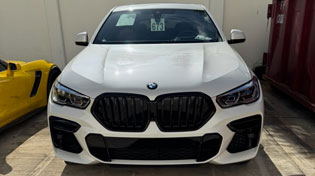
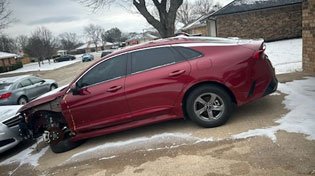
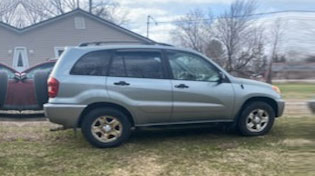
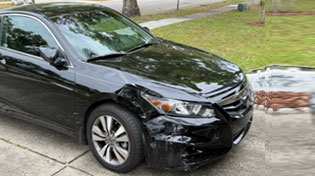
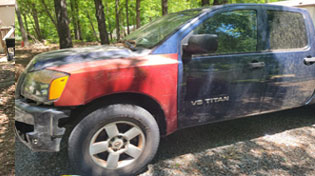
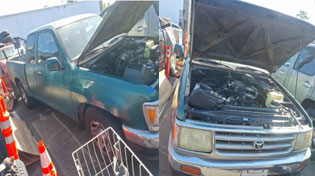

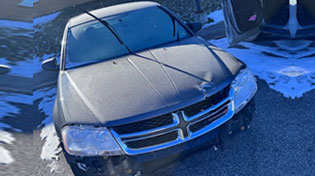
What Types of Vehicles Can Be Considered?
You can request an evaluation for a sedan, SUV, pickup, or van with problems such as:
- An engine or transmission that no longer works.
- Collision, flood, or significant body damage.
- Rust or corrosion affecting major components or the frame.
- A vehicle that will not start or has been parked unused.
- Missing parts or a salvage history that needs to be disclosed.
Severe structural rust, missing wheels, fire damage, or unusual ownership records may require closer review. A vehicle is not guaranteed to qualify because it falls into one of these categories. For general condition-related guidance, see selling a damaged car.
What Affects an Offer for a Junk Car in Erie?
There is no standard amount that applies to every Erie junk car. Make, model, age, mileage, mechanical condition, corrosion, accident damage, and remaining components can affect an evaluation. A complete car with a failed engine presents a different situation from one already dismantled for parts. Its location and whether it can be moved may also affect collection arrangements.
Details to Have Ready
Explain whether the car starts, rolls, steers, and brakes, and whether its wheels and keys are present. Disclose underbody or frame rust, missing components, leaking fluids, collision or water damage, and title or lien issues. Describe where it is parked and whether access is restricted. Photos may help if requested, especially when the damage or access conditions are unusual.
Preparing a Vehicle for Collection in Erie
The exact parking position matters more than a nearby landmark. Explain how a vehicle could be reached and whether it can be moved without being driven. Collection must be confirmed for the specific address, vehicle condition, and available access.
Driveways, Streets, and Shared Parking
Say whether the car is in a driveway, garage, on a street, or in a shared residential lot. Report narrow entrances, blocked approaches, steep grades, or other vehicles in the way. Get permission from a landlord or parking operator when necessary. Do not move an unsafe vehicle onto a public street just to make a handoff easier.
Snow, Ice, and Commercial-Property Access
If snowbanks, ice, or plowed snow restrict the route to the car, explain that before making arrangements. Do not assume a vehicle buried in snow or unable to roll can be collected without special preparation. At a gated business property, identify the authorized entrance, clearance, access hours, and who can admit collection personnel. Discuss equipment needs and any additional charges before accepting an offer.

City of Erie Rules for Inoperable Vehicles
The City of Erie's Quality of Life Ordinance, QOL-21, prohibits keeping more than one inoperable or unlicensed motor vehicle on a premises. It also restricts vehicles that are a nuisance, in major disassembly or disrepair, or being stripped or dismantled. Vehicles on private property must generally be parked on a driveway or parking lot unless an authorized business use applies. The city's property-maintenance standard, Section 302.8, has related restrictions.
The one-vehicle limit is not blanket permission to leave a disabled vehicle wherever convenient. If you receive a code-enforcement notice, follow its instructions and deadlines. Asking for an offer does not suspend a local requirement. These are municipal property rules, not ByeCar purchasing policies.
City of Erie or Another Erie County Municipality?
An Erie mailing address does not necessarily place a car inside city limits. Millcreek, Lawrence Park, Fairview, and Summit are separate townships. Erie County's municipal planning list identifies these jurisdictions individually. Their vehicle-storage and parking rules may differ from the city's. Check the municipality governing the actual parking address before assuming QOL-21 applies.
Pennsylvania Title and Ownership Checklist
An Ordinary Pennsylvania Title Transfer
For a standard titled sale, PennDOT directs the seller to sign and handprint their name on the ownership document, with the Pennsylvania title signature notarized or verified as required. PennDOT recommends that the buyer and seller meet at a notary, tag service, or motor vehicle dealer to complete the transfer correctly. Record the applicable odometer reading and sale information. Authorized agents provide Form MV-4ST for relevant title and registration transactions.
Missing Titles, Liens, and Salvage Status
If the Pennsylvania title is lost and a lien has been satisfied, an eligible owner can apply for a duplicate using Form MV-38O. An outstanding or electronically recorded lien may require the lienholder's involvement. A registration card or ordinary bill of sale does not automatically replace a title.
Pennsylvania uses different procedures depending on who receives the vehicle. Under 75 Pa.C.S. Section 1162, transfers to qualifying vehicle salvage dealers have specific title-assignment rules. A separate provision addresses certain salvage vehicles with faulty, lost, or destroyed titles transferred to a salvor or public salvage program. Section 1163 governs transfers to scrap metal processors, including a narrow procedure for certain salvage vehicles with faulty, lost, or destroyed titles. These provisions do not establish that ByeCar qualifies for an exception or will accept an untitled car. Disclose salvage or nonrepairable status and confirm the required documents before agreeing to sell.
What to Do With Pennsylvania Plates
After a standard ownership transfer, the seller must remove the registration plate. If the plate will not be transferred to another eligible vehicle, PennDOT directs the seller to return it to the Return Tag Unit. Keep the transaction documents and a record of the buyer's details. Confirm the required documents before signing or handing over the vehicle.
How the Offer Request and Vehicle Handoff Work
- Submit the basics. Enter the vehicle's make, model, year, ZIP code, and contact information in the existing form.
- Discuss the condition. Explain damage, missing parts, whether the car can move, its title status, and access to its location when contacted.
- Review the terms. If an offer is available, confirm the amount, inspection or document conditions, any collection charges, and the proposed payment and handoff arrangements.
- Complete the agreed transaction. If you choose to proceed, follow the confirmed title-transfer, payment, and collection arrangements. Submitting an inquiry does not guarantee a pickup date.
Three Checks Before Accepting an Offer
Amount and Vehicle Condition
Ask whether the proposed amount depends on checking the car or verifying its parts and documents. Disclose major rust and known damage beforehand.
Collection Access and Costs
Confirm that collection is feasible at the exact address, including any snow or access restrictions, and whether removal or special equipment involves charges.
Ownership Documents and Payment
Confirm who must sign the transfer documents, whether a notary or authorized agent is required, and how and when payment would be made. Remove the plate as PennDOT directs.
Frequently Asked Questions About Selling a Junk Car in Erie
Can I request an offer for a car that will not start or roll?
Yes. Explain the mobility problem, including whether the wheels, brakes, steering, and keys are available. Purchase eligibility and collection must be evaluated for the individual vehicle.
What if my Erie car has severe rust or missing components?
Disclose the affected areas, particularly frame or underbody corrosion and any missing wheels or drivetrain parts. Those details can affect evaluation and collection, and no specific vehicle condition guarantees a purchase.
Can I keep an inoperable car on my property in Erie?
The city's QOL-21 rule limits the number of inoperable or unlicensed vehicles and addresses disassembly, nuisance conditions, and parking locations. Check the ordinance and any notice for your circumstances rather than assuming one disabled vehicle is always permitted.
Do the same rules apply in Millcreek or Lawrence Park?
Not automatically. They are separate Erie County townships. Check the municipality governing the actual vehicle address and its applicable property or parking rules.
Can I sell a Pennsylvania junk car if I lost the title?
Do not assume a bill of sale is sufficient. An eligible owner may need PennDOT's duplicate-title process. Limited salvage and scrap procedures exist, but ByeCar's eligibility to use them has not been verified.
Is vehicle collection free, and when would I be paid?
Neither free collection nor a particular payment method or time is guaranteed by an inquiry. Confirm any removal charges, the accepted payment arrangements, and the handoff conditions before agreeing to sell.
What happens to my Pennsylvania license plate after selling?
Remove it after the standard title transfer. If you will not transfer the plate to another eligible vehicle, follow PennDOT's return instructions and keep your sale records.
Request an Offer for Your Erie Vehicle
If an unwanted, damaged, or non-running car is parked in Erie, use the offer form on this page or contact ByeCar. Provide accurate condition, document, and location details when contacted. Decide whether to sell only after the proposed amount, transfer requirements, collection arrangements, and payment terms are clear.
Other Pennsylvania Service Areas
For statewide service information and the location directory, visit Pennsylvania junk-car buying. Vehicles in surrounding municipalities should be described by their actual location rather than assumed to be inside the City of Erie.