

 Over 25,000 cars purchased nationwide

Selling a Junk Car in Allentown
An unwanted vehicle can still have value even if it is no longer practical to drive. If your car has serious mechanical problems, accident damage, extensive rust, or has been sitting unused, you can request an evaluation rather than trying to estimate its value from an advertised price.
Before deciding whether to sell, compare the cost of repairs with what the vehicle might be worth in its present condition. Also consider whether it can be driven safely, where it is stored, and whether you have the documents needed to transfer ownership. ByeCar can review an inquiry, but submitting a form does not guarantee an offer, a purchase, or collection at a particular address.
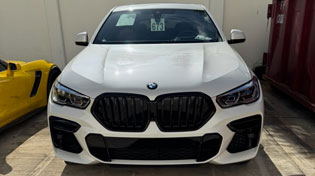
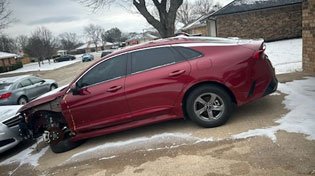
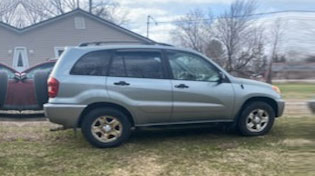
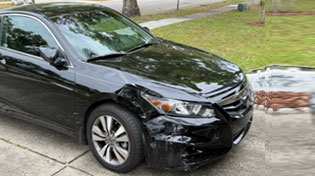
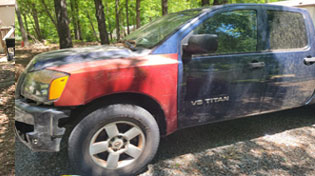
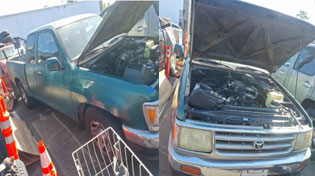

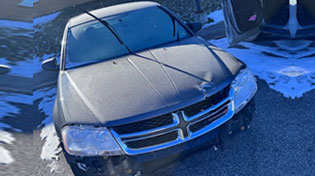
Junk, Damaged, and Non-Running Vehicles We Can Evaluate
You can request consideration for cars with different types of damage or mechanical problems. Examples include:
- Mechanical failure: An engine that will not start, a failed transmission, overheating, or other major faults.
- Collision or body damage: Bent panels, damaged doors, broken lights, or more extensive structural concerns.
- Age and deterioration: High mileage, corrosion, long-term storage, or worn components.
- Incomplete vehicles: Missing wheels, batteries, catalytic converters, or other parts that may change the vehicle's value and collection needs.
- Salvage history or weather damage: A vehicle with a salvage document, flooding, or other reported damage that needs individual review.
Describe what you know rather than guessing at a diagnosis. A car that does not run but has all its wheels and keys may be easier to collect than a vehicle with locked steering or missing suspension components. Acceptance depends on the complete circumstances, including ownership and access.
What Affects a Junk Car Offer in Allentown?
There is no reliable single price for every junk car of a particular age. An offer may reflect whether the vehicle can be repaired, reused for parts, or recovered for materials, along with the work needed to collect it.
| Factor | Why it matters |
|---|---|
| Year, make, model, and mileage | Help identify the vehicle and assess potential demand for usable components. |
| Mechanical and body condition | Running ability, collision damage, corrosion, and structural problems can change its remaining value. |
| Missing or reusable parts | Major components, wheels, and other equipment can affect both evaluation and loading. |
| Title and ownership status | The correct document and any recorded lien can determine whether a lawful transfer is possible. |
| Location and collection access | A driveway, narrow alley, garage, or storage lot may require different arrangements. |
A scrap-metal estimate is not the same as a firm vehicle offer. For more detail about weight, parts, and other valuation considerations, see ByeCar's guide to car scrap value. Review any proposed amount alongside the collection, paperwork, and payment terms before deciding.
How to Request an Offer and Arrange a Sale
1. Submit the basic vehicle details
Use the existing quote form to provide the make, model, year, ZIP code, and contact information. Be prepared to describe the mileage, damage, running condition, available keys, and where the car is parked.
2. Review the evaluation
Further details or photographs may be needed. If an offer is available, ask whether it is subject to an inspection, documentation review, or particular collection conditions. You can decide whether the terms work for you.
3. Confirm Ownership and Collection Arrangements
Before agreeing to a handover, identify the applicable Pennsylvania ownership-transfer procedure and confirm whether collection is available at the vehicle's location. Explain any access restrictions, missing components, or storage conditions. Ask whether transportation or other charges apply and how payment will be arranged.
4. Complete the Agreed Transaction
Before releasing the vehicle, confirm the payment method, amount, timing, and any conditions of the agreement. Follow the applicable ownership-transfer procedure, provide the necessary documents, and keep records of the completed transaction. Do not assume that payment or pickup will happen immediately.
Pennsylvania Title and Ownership Requirements
Standard Pennsylvania Title Transfers
For an ordinary transfer of a Pennsylvania-titled vehicle, PennDOT instructs the seller to sign and handprint their name on the ownership document. The seller's signature on a Pennsylvania title must be notarized or verified. Applicable mileage information and proper identification are also required.
Completing the transaction through an authorized PennDOT agent, notary, or motor vehicle dealer helps ensure that the correct documents are used. After the title transfer, the seller must remove the registration plate and either transfer or return it in accordance with PennDOT's instructions.
Certain transfers directly to qualifying salvage dealers or scrap metal processors have different statutory requirements, including specific notarization exemptions. Confirm the procedure that applies to the actual vehicle and recipient.
Review PennDOT's official vehicle-selling guidance.
Lost Titles, Liens, and Salvage Documents
If you own the vehicle, have lost its Pennsylvania title, and the lien has been satisfied, PennDOT directs you to Form MV-38O to request a duplicate. An outstanding lien, out-of-state title, estate ownership, or existing salvage certificate may require a different procedure.
A car that no longer runs does not automatically have salvage status. The applicable ownership document and the intended recipient determine which transfer requirements must be satisfied.
Pennsylvania law provides limited procedures for qualifying salvage-vehicle transfers involving a salvor, salvage dealer, or scrap metal processor. These provisions do not authorize every buyer to accept every vehicle without a title.
See PennDOT's duplicate-title instructions and the relevant statutory provisions in 75 Pa.C.S. § 1162 and § 1163.
For additional explanation, read ByeCar's Pennsylvania junk-car documentation guide. Confirm whether the required documents are acceptable for your particular transaction before arranging collection.
Preparing for Junk Car Pickup in Allentown
Where is the vehicle parked?
A vehicle on your driveway is a different collection situation from one on a public street, inside a locked garage, or at a repair shop. Give the actual location and describe any narrow entrance, steep grade, gate, blocked approach, or restriction on tow-truck access. If someone else controls the property, confirm that you can authorize access and release the car.
Local Parking Rules Are Separate From a Voluntary Sale
The Allentown Parking Authority explains that vehicles left on public streets for more than 72 hours may be considered abandoned under applicable rules. Such vehicles can face parking enforcement, immobilization, or impoundment.
Selling a vehicle you own from an accessible private location is different from recovering an impounded vehicle or removing an unauthorized vehicle belonging to someone else. If the car has been booted or impounded, contact the responsible authority to establish the required release procedure before arranging collection.
Allentown's zoning code also restricts junk-vehicle storage in required off-street parking spaces under § 660-83(C)(3). This is not a blanket prohibition against every non-running vehicle in every driveway. Whether the rule applies depends on the vehicle's classification and the property's circumstances.
For questions about a particular parking location or zoning requirement, consult the appropriate city authority.
Check Loading Access and Weather Conditions
Tell the buyer if the car does not roll or steer, has no keys, has missing wheels, or is blocked by another vehicle. These details can affect the equipment required and whether collection can be arranged.
Allentown has a network of residential streets and alleys. A car parked behind a house or inside a rear garage may require access through an alley, narrow entrance, or shared driveway. Explain those restrictions before a collection arrangement is confirmed.
During winter weather, vehicles parked on designated snow-emergency routes may be subject to additional restrictions. Check the city's Snow Operations information for applicable instructions. Do not assume that a proposed pickup can proceed from a restricted street or blocked alley.
Access: Identify who can unlock gates or garages and authorize the vehicle's release.
Mobility: Disclose flat tires, blocked wheels, locked steering, or missing components before collection is discussed.
Terms: Confirm the actual address, any charges, the proposed pickup arrangement, and payment details before agreeing to the sale.
What to Have Ready Before Contacting ByeCar
You do not need to know every mechanical defect. Gather the information you can verify:
- Year, make, model, ZIP code, and approximate mileage.
- VIN if available, plus the title or other applicable ownership document.
- Any known lien, salvage designation, or missing-title issue.
- Whether the car starts, rolls, steers, and has its keys and wheels.
- Major visible damage, missing parts, and photographs if requested.
- Where the car is stored, who controls access, and any parking or loading restrictions.
Before handover, remove personal belongings and record the agreed amount and transaction terms. If your vehicle is outside Allentown, see the Pennsylvania junk-car service page and submit its actual ZIP code. For other states, use the national service-area directory.
Frequently Asked Questions About Selling a Junk Car in Allentown
Can I request an offer for a car that does not start?
Yes, you can submit a non-running vehicle for evaluation. Explain whether it rolls and steers, whether the keys are available, and if any major parts are missing. An inquiry does not guarantee that the vehicle will qualify or that collection can be arranged.
What if I cannot find my Pennsylvania title?
If you own the car and the lien requirements have been satisfied, PennDOT may allow you to request a duplicate using Form MV-38O. Some salvage transactions have separate rules, but a missing title or a bill of sale alone does not automatically establish eligibility to sell. Resolve the applicable documentation before arranging handover.
Can a vehicle be collected from a garage or repair shop?
It depends on access, permission, and the vehicle's condition. Tell ByeCar about gates, loading space, non-rolling wheels, and any shop or storage fees. Confirm with the property operator that the vehicle can be released, then discuss the proposed collection terms.
Can I sell a booted or impounded car in Allentown?
Do not arrange a private pickup until the responsible authority has confirmed the car can be lawfully released. Contact the Allentown Parking Authority or other custodian to establish the status, any charges, and the requirements for release. Ownership and release documents still matter.
Is junk car pickup in Allentown always free or available immediately?
Do not assume either. Availability, scheduling, and any transportation charges need to be confirmed for the particular address and vehicle. Ask for those terms before accepting an offer.
How and When Would I Receive Payment?
ByeCar's website states that payments are typically made by check or wire transfer. Before completing a sale, confirm the method available for your transaction, the agreed amount, when payment will be made, and any conditions affecting the handover. Do not assume that physical cash, Venmo, or payment at pickup will be available.
Request an Offer for Your Allentown Vehicle
If your car is no longer practical to keep or repair, start by submitting its basic details through the offer form. Describe its condition and location accurately, and confirm ownership documents, collection costs, and payment arrangements before deciding whether to proceed. You can also contact ByeCar if you have questions about your inquiry.