

 Over 25,000 cars purchased nationwide

What to Have Ready for a Norfolk Junk Car Quote
If you want to sell a junk car in Norfolk, start with its year, make, model, ZIP code, and your contact details. Be ready to share a few more facts so the vehicle and possible collection arrangements can be evaluated accurately:
- Condition: Approximate mileage, whether it starts, runs, rolls, and steers, and any collision, mechanical, fire, or flood damage.
- Missing components: Whether the engine, transmission, catalytic converter, wheels, keys, or other major parts are missing.
- Ownership: Whether you have a regular Virginia title, an electronic title, salvage or nonrepairable paperwork, a missing title, or an outstanding lien.
- Location: Where the car is parked, whether access is permitted, and whether a garage, gate, storage operator, or other obstacle could complicate removal.
Describe what you know without guessing at repairs or vehicle value. A request for an evaluation is not a commitment to sell or a guarantee that a purchase can be arranged.


Junk, Damaged, and Non-Running Cars That Can Be Evaluated
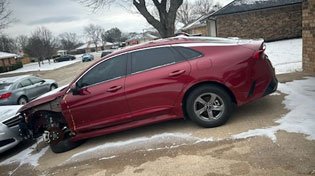
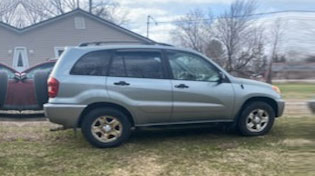
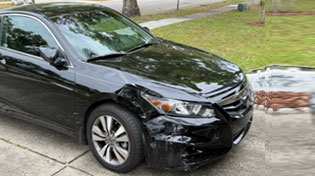
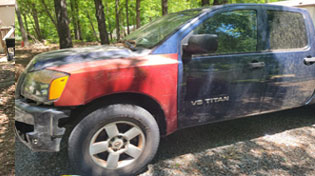
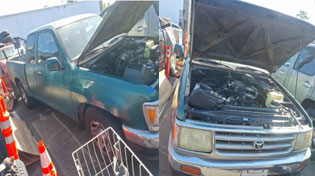
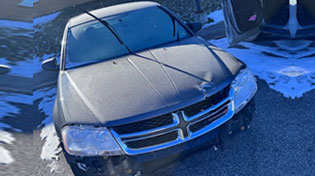
ByeCar accepts inquiries about unwanted vehicles, including cars with engine or transmission failure, collision damage, extensive rust, high mileage, or missing major components. A vehicle that has been parked for months or will not start can also be submitted for review.
Tell us if the car has been exposed to floodwater, declared a total loss, damaged by fire, or issued salvage or nonrepairable paperwork. A car with an ordinary title does not become legally classified as salvage simply because it is old or no longer runs.
Vehicle condition, ownership status, location, and collection requirements can affect whether a purchase is possible. There is no promise that every car will qualify. For information about particular problems, see ByeCar's damaged-car service.
What Affects an Offer for a Junk Car in Norfolk?
There is no standard payment amount for every junk car. The make, model, year, mileage, overall condition, and usable components can influence an evaluation. A complete car that rolls and steers may be assessed differently from a similar vehicle that is missing wheels or a drivetrain.
Paperwork and access also matter. A recorded lien, incomplete ownership documents, storage fees, or a vehicle that cannot be safely reached can affect the steps required for a transaction. Another seller's payout or a generic scrap-metal price is not a reliable estimate for your particular vehicle.
If the car needs an expensive repair, compare a written repair estimate with its likely value after repair, continued storage costs, and any proposed purchase terms. You can request an evaluation before deciding whether to repair or sell.
Preparing a Vehicle for Pickup in Norfolk
Norfolk's combination of homes, commercial properties, parking facilities, and flood-prone streets makes the vehicle's exact location more useful than a general neighborhood name. The ability to access and load the car needs to be confirmed separately from its purchase eligibility.
Driveways, garages, and restricted properties
Explain whether the car is in a driveway, an apartment or office garage, a gated parking lot, a repair shop, or a storage facility. Mention low clearances, tight turns, blocked access, missing wheels or keys, and whether the car can roll or steer. If the property owner or storage operator must authorize release, arrange that permission and disclose any fees before agreeing on collection. Do not assume access to a military installation or other secured property can be arranged.
Flood exposure and temporary road restrictions
Norfolk's Parking Strategy for Flooding Events applies only when the city's Office of Emergency Management activates it for significant tidal flooding. Designated lots and garages are temporary parking options, not permanent vehicle-storage or guaranteed collection sites. The city warns that vehicles left beyond the authorized period may be cited or towed at the owner's expense. If the car is parked there or near a flooded street, confirm safe, authorized access and any release requirements before discussing collection.
If water entered the vehicle, disclose the exposure even if it appears undamaged. NHTSA advises that flood damage may be hidden and that flooded hybrid or electric vehicles can involve high-voltage hazards. Do not attempt to start, charge, or move a potentially unsafe vehicle merely to prepare it for sale; obtain appropriate safety assistance.
Before accepting an offer, confirm whether collection is available at the actual address, what equipment or access may be needed, and whether any towing, storage, or release charges apply.

Virginia Title and Ownership Requirements
The applicable documents depend on the vehicle's legal title status, not just whether people call it a junk car. Virginia DMV rules are separate from the requirements of any individual buyer. Do not assume a bill of sale can replace a regular title, or that ByeCar can resolve an outstanding lien.
Ordinary Virginia title transfers
For a routine Virginia-titled sale, Virginia DMV instructs sellers to complete Section A of the title, including the signatures of all listed owners, the buyer's name and address, the actual odometer reading, sale date, and sale price. Do not estimate the odometer reading or sign an incomplete title. Different documents may apply to vehicles already classified as salvage or nonrepairable.
Missing titles, electronic titles, and liens
An eligible owner with a lost, damaged, or illegible title can review DMV's replacement-title procedure, including Form VSA 67 where applicable. If a lien remains recorded, the lienholder may control the title or need to release its interest before a transfer proceeds.
Virginia's online electronic-title transfer has specific eligibility rules and is not available when the buyer or seller is a business. If your title is electronic, confirm the appropriate transfer procedure instead of assuming the person-to-person online service applies.
Salvage and nonrepairable paperwork
Virginia's salvage guidance describes when Form VSA 56 and a salvage certificate apply. An active salvage certificate does not permit ordinary road registration or operation. It is not a universal form required for every old or non-running vehicle.
For a vehicle formally declared nonrepairable, DMV's separate rules use Form VSA 57. A nonrepairable certificate cannot serve as a transferable title; DMV specifies a bill of sale for ownership transfer, and the vehicle may only be used for parts. Virginia Code §46.2-1602 restricts sales of nonrepairable vehicles to businesses licensed as auto recyclers or vehicle removal operators in Virginia, or similarly regulated businesses in another state. Being a junk-car buyer does not by itself establish this eligibility. For a fuller procedural explanation, see ByeCar's Virginia junk-car guide.
How the ByeCar Offer Process Works
- Submit your vehicle details. Use the quote form to identify the car and its Norfolk location.
- Describe its current condition and paperwork. Share relevant damage, missing parts, title status, liens, and access restrictions. More information may be requested.
- Review any proposed offer. If an offer is available, confirm its conditions, payment arrangements, required ownership documents, and whether pickup can be arranged at your address.
- Complete the agreed transaction. Follow the applicable transfer procedure, confirm the agreed handover and payment terms, and retain your records.
Submitting the form does not guarantee an offer, an accepted transaction, a collection date, or a particular payment time.
What Norfolk Sellers Should Do After the Sale
For a standard vehicle sale, the seller has responsibilities that are not automatically completed when the vehicle leaves the property. Norfolk is an independent Virginia city, and the city maintains its own vehicle personal-property-tax records. Follow the applicable Virginia DMV seller instructions and Norfolk's local notification process:
- Keep transfer records. Complete the applicable ownership documents and retain available records of the transaction and sale date.
- Remove your license plates. DMV says to remove them before the buyer takes possession. Transfer the plates if eligible, or take the appropriate surrender or inactivation step before notifying your insurer of the sale.
- Tell DMV and your insurer. Report the vehicle as sold or disposed of to Virginia DMV, and notify your insurance company in accordance with DMV's guidance.
- Update Norfolk's tax record. The City of Norfolk's personal-property-tax FAQ instructs owners to notify DMV first, then the Commissioner of the Revenue, including the date the vehicle was sold or disposed of.
These steps concern the seller's DMV and city records. Do not assume a buyer's offer includes completing them on your behalf.
Confirm the Terms Before Selling
Offer: Ask whether the proposed amount depends on the car's actual condition, an inspection, or the documentation matching your description.
Pickup: Confirm availability at the precise Norfolk address, any access or loading requirements, and all potential towing, storage, or property-release charges.
Payment and handover: Confirm the payment method, timing, required signatures, and when possession will transfer. Keep records of the final agreed terms.
Virginia Service Areas and Related Guidance
If the car is outside Norfolk, provide its actual location rather than a nearby city name. Use the Virginia junk-car service page for other Virginia locations and the national service-area directory for broader navigation. For detailed documentation steps, use the linked Virginia guide above.
Request an Evaluation for Your Norfolk Vehicle
Have the vehicle's condition, location, and ownership details ready, then request a quote. Review any proposed terms before deciding whether to proceed. For questions about submitting the request, contact ByeCar.
Frequently Asked Questions About Selling a Junk Car in Norfolk
Can I request an offer for a non-running or flood-damaged car?
Yes, you can submit its details for evaluation. Describe whether it rolls and steers, any missing parts, and the extent of known water damage. Flood-exposed electric or hybrid vehicles may require specialized safety precautions. Submission does not guarantee a purchase.
What if I cannot find my Virginia title or still have a lien?
A lost or damaged title may qualify for replacement through Virginia DMV. An unresolved lien may require lender action first. Do not assume a bill of sale alone is sufficient for a routine titled vehicle or that ByeCar can settle the loan.
Can a vehicle with salvage or nonrepairable paperwork be evaluated?
You can disclose its status when requesting an evaluation. Virginia treats regular, salvage, and nonrepairable documents differently. A nonrepairable certificate is not a transferable title, and DMV requires a bill of sale for that status. Virginia law restricts purchasers of nonrepairable vehicles to licensed auto recyclers or vehicle removal operators, or similarly regulated out-of-state businesses. Buyer eligibility must be confirmed before a transfer.
Can pickup be arranged from a gated garage or flood-affected location?
That requires confirmation. Provide the exact location, property-access requirements, vehicle mobility, and any temporary closure or storage restrictions. Do not assume collection is available until safe, authorized access and terms are established.
Is junk-car towing free in Norfolk?
Do not assume every vehicle or address qualifies for free collection. If pickup is offered, confirm whether towing, storage, release, or special-loading charges apply before agreeing to sell.
When and how would payment be made?
Confirm the payment method and timing for any actual offer before transferring ownership or releasing the car. ByeCar's sitewide disclosure says payment is typically by check or wire transfer; the specific transaction terms still need confirmation. No payment deadline is guaranteed here.
Do I need to notify Norfolk after selling or disposing of a vehicle?
Yes. Norfolk directs residents to report the sale or disposal to Virginia DMV first, then notify the city's Commissioner of the Revenue of the change and sale or disposal date so the personal-property-tax record can be updated.

