
The right way to retire an unwanted car starts with the right paperwork.
Junking a car in Illinois involves more than arranging a tow. You need to verify ownership, check for liens, understand the receiving business's requirements, and keep records of the transfer.
Illinois also distinguishes ordinary vehicle sales from transactions involving salvage vehicles and vehicles permanently processed as junk. This guide explains the practical steps and where the legal procedures differ.
How to Junk a Car in Illinois: Step by Step
Follow these six steps to prepare the vehicle, select a recipient, and complete the appropriate transaction. The exact paperwork depends on the vehicle's ownership and legal status.
Check ownership
Locate your Illinois Certificate of Title or another applicable ownership document. Confirm the named owner and whether a lender has a recorded lien.
If the vehicle has salvage documentation or was declared a total loss, identify the documents issued. A non-running vehicle is not automatically classified as legally junked.
Choose a disposal route
Consider a junk car buyer, automotive recycler, scrap processor, private buyer, or eligible donation organization.
Compare documentation, vehicle eligibility, collection requirements, and the amount you may receive after any charges.
Describe the vehicle
Provide its year, make, model, location, and condition. Disclose missing components, major damage, lost keys, and whether it can roll and steer.
Ask which documents are required, whether towing costs apply, and how and when payment will be made.
Complete the paperwork
An ordinary sale generally involves properly assigning the title. Permanently junking a vehicle may involve other Illinois statutory procedures.
Confirm which documents you must sign, what the receiving business must submit, and which records you should retain.
Prepare for collection
Remove personal belongings, registration and insurance cards, toll transponders, and your license plates before handoff.
Explain access issues, flat tires, missing wheels, or other loading difficulties to the pickup provider.
Document the transfer
Keep the recipient's details, transfer date, VIN, transaction paperwork, and payment records.
Complete any applicable seller reporting and contact your insurer once ownership has been properly transferred.
A vehicle sold under an ordinary title-transfer procedure is not necessarily processed in the same way as a permanently junked vehicle. Illinois Vehicle Code Section 3-117.1 and Section 3-117.2 contain different requirements for qualifying transactions.


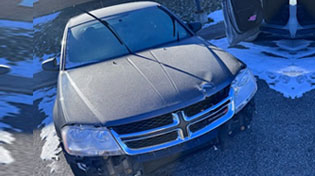
What Documents Do You Need to Junk a Car in Illinois?
Your paperwork depends on the vehicle's ownership status and how the recipient will process it. Start by identifying which situation applies.
Title in your name
Confirm the listed owners, VIN, and any lien. For an ordinary sale, the title generally must be assigned correctly to the purchaser.
Missing title
Review the Secretary of State's duplicate-title process. Do not assume a registration card or bill of sale replaces a title.
Vehicle with a lien
Contact the lender about payoff, release, or authorization requirements before transferring the vehicle.
Salvage or junk documents
Check which certificate has been issued. Salvage documentation and a junking certificate have different legal consequences.
Inherited vehicle
Establish the signing party's legal authority to transfer the car. Additional estate or ownership documentation may be necessary.
Recycler transaction
Confirm the documents accepted by the licensed business and whether a junking certificate or junk vehicle notification applies.
Official resource: Illinois Secretary of State title and registration forms.
Junking Certificate vs. Junk Vehicle Notification
Illinois has separate legal procedures for vehicles permanently processed as junk. The applicable process depends on the documents involved and whether the recipient qualifies as a licensed scrap processor or automotive parts recycler.
Junking certificate
Illinois generally requires a person possessing a junk vehicle to arrange for the applicable documentation and junking-certificate application within 15 days, subject to exceptions.
- Special ownership and lien rules may apply.
- The 15-day rule is not a guaranteed issuance time.
- An ordinary title cannot subsequently be issued after a junking certificate is issued under this provision.
Junk Vehicle Notification
A qualifying licensed scrap processor or automotive parts recycler acquiring specified properly assigned ownership documents must submit those documents and a Junk Vehicle Notification within 15 days.
- Applies to qualifying licensed-recipient transactions.
- No separate junking certificate is required in those specified circumstances.
- The recipient's specialized exception does not automatically apply to every private seller.
A salvage vehicle is not automatically a junk vehicle. Some salvage vehicles may qualify for a regulated rebuilding process, while junking certificates and junk vehicle notifications can prevent future issuance of ordinary titles. A failed emissions test, mechanical failure, or expensive repair does not by itself establish a vehicle's legal junk status.
Can You Junk a Car in Illinois Without a Title?
If your title has been lost, determine whether you need a duplicate or whether a specific statutory junking procedure applies to the transaction.
An ordinary private sale generally requires a properly assigned title. Narrow exceptions available in certain licensed-business transactions do not mean every vehicle can be sold without proof of ownership.
How to request a duplicate Illinois title
For an original certificate that was lost, stolen, or mutilated, the Secretary of State provides a duplicate-title process.
-
Complete Form VSD 190.
Use the Application for Vehicle Transaction(s) and choose the duplicate-title option.
-
Provide the vehicle and owner details.
Include the VIN, relevant signatures, and applicable odometer information.
-
Address any lien.
Include required lienholder information or release documentation.
-
Submit the application and fee.
The published duplicate-title fee is $50. Check the current state instructions before submitting.
Illinois does not issue a duplicate title within 15 days of issuing an original title or within 30 days of issuing a previous duplicate.
Sometimes, but only when the applicable statutory requirements are met. Tell the recipient exactly which documents you have, and confirm whether a duplicate title or another legally permitted document is necessary before arranging pickup. If you are not the titled owner, establish your legal authority to transfer the vehicle.
What If the Car Has an Active Lien?
A lien represents another party's recorded interest in the vehicle, commonly a lender. Junking the car does not automatically eliminate the debt or the lienholder's rights.
Contact the lender for payoff or release instructions. If the debt has been satisfied, obtain the applicable lien-release documentation. Do not assume that the car can be transferred or its title surrendered without resolving the recorded interest.
Ways to Dispose of a Junk Car in Illinois
The right option depends on whether the vehicle has repair potential, reusable parts, or primarily scrap value. Each choice has different practical and documentation considerations.
Junk car buyer
Useful if you prefer requesting an offer instead of advertising privately. Confirm vehicle eligibility, ownership documents, payment terms, towing costs, and collection arrangements.
Automotive parts recycler
May be appropriate for vehicles with reusable components. Confirm the business can accept the vehicle and explain its documentation procedure.
Scrap processor
Relevant when recoverable materials are the primary consideration. Ask about acceptance requirements, certificates, processing, and fees.
Private sale for repair or parts
May suit vehicles with repair potential or desirable components. Be accurate about condition, title status, and transport needs.
Vehicle donation
An eligible organization may accept an unwanted vehicle. Confirm ownership transfer, pickup arrangements, and tax documentation. A donation does not automatically qualify for a particular deduction. Consult IRS charitable contribution guidance.
What Affects the Value of a Junk Car in Illinois?
A buyer's offer can depend on more than the vehicle's age or weight. These factors may influence the amount offered and whether the transaction is practical.
Offers vary by buyer and vehicle. For a more detailed explanation, read ByeCar's car scrap value guide.
What to Do Before Your Junk Car Is Picked Up
Use this checklist before delivering the vehicle or releasing it to a pickup provider.
- Remove personal belongings. Check under seats, the glove compartment, trunk, storage areas, and center console. Take out toll transponders, garage remotes, and personal documents.
- Remove your Illinois license plates. Illinois instructs sellers to remove plates before delivery. The plates belong to the registered owner, not the buyer. Follow the applicable rules if you want to transfer them to another vehicle.
- Confirm access for collection. Explain whether the car is in a garage, gated lot, narrow driveway, or obstructed area. Disclose missing keys, flat tires, locked wheels, or other loading problems.
- Avoid unnecessary dismantling. Do not drain fuel or handle refrigerant, batteries, or other hazardous materials without proper knowledge, equipment, and authorization. Ask the recipient about any required preparation.
- Document the handoff. Record the recipient, transfer date, VIN, payment arrangement, and relevant receipt or ownership documentation.
Official guidance: Buying or Selling a Vehicle in Illinois.
What Happens After You Junk a Car in Illinois?
Complete applicable seller reporting
For ordinary Illinois vehicle sales, state guidance instructs sellers to complete the Notice of Sale attached to the title. The Seller's Report of Sale (VSD 703) is also available.
A sale report does not itself transfer ownership and does not replace specialized junking documents.
Contact your insurer
After ownership has been properly transferred, discuss policy cancellation or changes with your insurer. Do not end necessary coverage while the vehicle remains your responsibility.
Keep a transaction record
Retain copies of relevant paperwork, the recipient's details, transfer date, VIN, receipts, and applicable payment confirmations.
Confirm any specialized procedure
If the vehicle was processed under a junking certificate or licensed-recycler notification, confirm the applicable transaction requirements rather than substituting an ordinary seller report.
How to Choose a Junk Car Buyer in Illinois
Ask questions that clarify the transaction before releasing the vehicle or signing ownership documents.
Ownership
Which documents will be required? Who completes any specialized junking paperwork?
Vehicle acceptance
Can the business accept the car in its current condition and location?
Charges and payment
Are there towing, inspection, or processing charges? How and when is payment made?
Offer terms and receipts
Can the offer change after inspection? Will you receive a transaction record?
If the recipient cannot clearly explain how ownership will be transferred, resolve that issue before the vehicle changes hands.
Get an Offer for Your Junk Car in Illinois
If you prefer to explore selling rather than arranging recycling independently, ByeCar provides a way to submit your vehicle details for an offer request.
Describe its condition, available ownership documents, and pickup location. Review the offer, pickup eligibility, payment arrangements, and any charges before agreeing to sell.
Explore Illinois Junk Car Selling →Frequently Asked Questions
These answers address common legal and practical questions about retiring an unwanted vehicle in Illinois.
Do I need a title to junk a car in Illinois?
An ordinary private vehicle sale generally requires a properly assigned title. Illinois also has specialized procedures for qualifying junk and salvage transactions. If your title is missing, determine whether a duplicate or other legally applicable document is needed.
Can I junk a car with an active lien?
You must address the lienholder's interest under the applicable ownership and transfer requirements. Contact the lender for payoff or release instructions. Scrapping the car does not automatically cancel the debt.
Does Illinois require a junking certificate for every scrap vehicle?
Not necessarily. Section 3-117.1 provides a general junking-certificate process. Section 3-117.2 establishes a separate Junk Vehicle Notification procedure for qualifying licensed scrap processors and automotive parts recyclers. The applicable process depends on the transaction.
How long does an Illinois junking certificate take?
Illinois law generally provides a 15-day requirement for arranging certain junking-certificate applications, subject to exceptions. This is not a guaranteed state processing time. Confirm the applicable procedure with the Secretary of State or the receiving licensed business.
Can I drive a salvage or junk vehicle to a recycler?
Illinois generally prohibits operating legally classified salvage or junk vehicles on public roads, subject to specified exceptions involving certain salvage vehicles. Arrange permitted transportation if the vehicle does not qualify for an exception.
What should I confirm before the buyer collects my car?
Confirm ownership documents, collection arrangements, any fees, payment terms, and who will handle the applicable transfer or junking documents. Remove your plates and keep your transaction records.