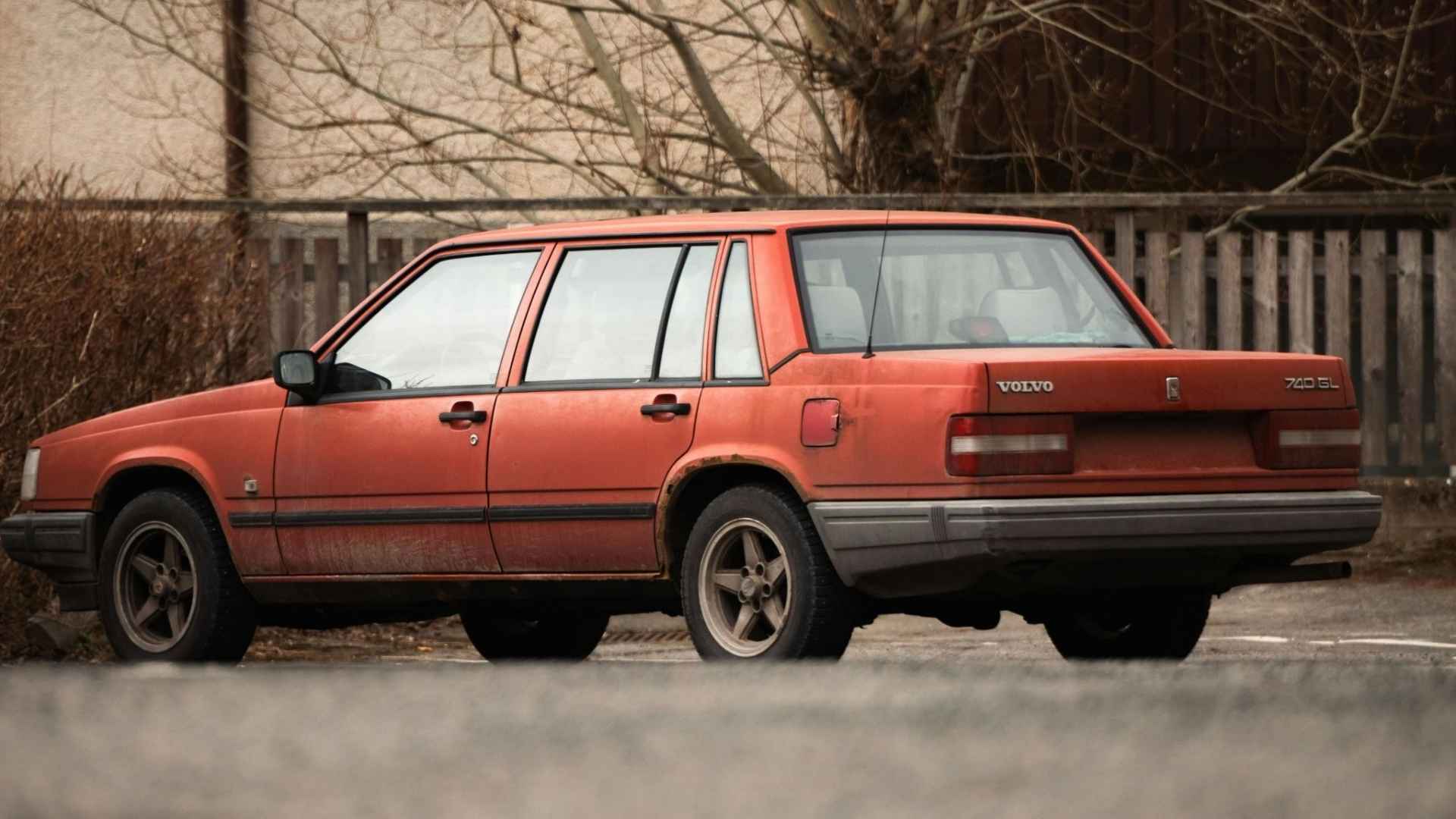
A car that no longer runs is not automatically a legally nonrepairable vehicle. In Texas, the correct way to junk or dispose of a car depends on its ownership documents, title status, condition, and the type of business receiving it.
For most owners, the process begins with checking the title and any liens, choosing an appropriate buyer or recycler, completing the transfer paperwork, and notifying the Texas Department of Motor Vehicles (TxDMV). Vehicles destined for dismantling may involve additional procedures handled by the receiving business.
Texas also introduced a limited no-title procedure for qualifying older vehicles purchased by licensed used auto parts recyclers in January 2026. That exception does not replace the normal ownership requirements for every junk-car sale.
How to Junk a Car in Texas: Six Main Steps
The steps below cover an ordinary owner-initiated sale or disposal. Some procedures differ for salvage vehicles, nonrepairable vehicles, and transactions with licensed recyclers.
- Verify ownership and title status. Locate the Texas title or other legally acceptable ownership evidence. Check for recorded liens and existing salvage or nonrepairable branding.
- Choose an appropriate buyer or recycler. Confirm the business accepts the vehicle's condition and documentation. Compare any transportation charges and other transaction terms.
- Prepare the vehicle. Gather keys and documents, remove personal belongings, photograph its condition, and disclose anything that affects safe access or transportation.
- Complete the appropriate ownership transfer. Follow the normal title-assignment procedure or the specific process applicable to a qualifying recycler transaction.
- Address license plates and registration. Review the rules for your transaction, including the differences between private sales and licensed-dealer purchases.
- Notify TxDMV and keep records. Submit an applicable Vehicle Transfer Notification promptly, retain transaction documentation, and follow up on insurance and other vehicle-related accounts.
The TxDMV guide to buying or selling a vehicle is the starting point for ordinary transfer requirements. The sections below explain where junking a vehicle can differ from a normal used-car sale.
What Does "Junk Car" Mean Under Texas Law?
People commonly call a vehicle a junk car when repairs are no longer worthwhile, it cannot be driven, or it is being sold primarily for parts or scrap.
Texas law uses more specific classifications. These distinctions matter because they affect how a vehicle can be sold, transferred, dismantled, or returned to road use.
| Classification | What it means | Why it matters |
|---|---|---|
| Unwanted or non-running vehicle | A car described as junk in everyday language, regardless of its official title classification | It may still have an ordinary transferable title and repair or resale potential |
| Salvage motor vehicle | A vehicle with qualifying damage or missing major components where the repair cost exceeds its pre-damage actual cash value | It may be rebuilt and retitled under applicable requirements |
| Nonrepairable motor vehicle | A vehicle whose only value is as a source of parts or scrap | It cannot be rebuilt for ordinary road use under Texas nonrepairable-title rules |
| Junked vehicle under public-nuisance law | A vehicle meeting particular conditions involving damage, abandonment, inoperability, and license-plate status | Local enforcement and removal procedures may apply |
Under Texas Transportation Code Section 683.071, a "junked vehicle" has a specific meaning for public-nuisance enforcement. The law covers certain self-propelled vehicles that are wrecked, dismantled, partially dismantled, discarded, or have remained inoperable for more than 72 consecutive hours on public property or more than 30 consecutive days on private property. The statutory provisions also restrict their application to motor vehicles displaying expired plates or no license plates.
These rules concern nuisance identification and abatement. They do not automatically authorize a person to transfer or dispose of a vehicle without proper ownership documentation.
Likewise, a vehicle does not automatically become nonrepairable simply because it has a failed engine, expired registration, or serious collision damage. The actual title classification matters.
TxDMV explains the distinctions in its salvage dealer and vehicle-title guidance.
Step 1: Confirm Ownership, Title, and Liens
Before contacting a recycler or arranging towing, determine who is legally recorded as the vehicle owner and what ownership document exists.
Check the vehicle identification number (VIN) against the available title and vehicle records. Review whether the document is an ordinary title, a salvage title, or a nonrepairable title. Also determine whether a lender or another lienholder still has an interest in the vehicle.
For an ordinary sale, TxDMV advises the seller to provide a properly signed title, including the date of sale and applicable odometer information, along with a signed Application for Texas Title and/or Registration (Form 130-U).
The precise paperwork can differ when a vehicle is transferred for permanent dismantling or already has a salvage or nonrepairable title.
What If Your Texas Vehicle Title Is Lost?
If your ordinary Texas title was lost or destroyed, you can generally apply for a Certified Copy of Title using Form VTR-34.
According to TxDMV's Certified Copy of Title instructions:
- All recorded owners must sign the certified-copy application.
- The application requires appropriate identification and the applicable agency fee.
- A recorded lien may require the lienholder to apply or provide an original release of lien.
- TxDMV has a 30-day waiting period after the most recently issued title before a certified copy can be requested.
- Applications may be submitted by mail or in person according to TxDMV's instructions.
A certified copy replaces the lost title document through the state's prescribed process. A handwritten bill of sale is not automatically an acceptable substitute for a missing vehicle title.
If the missing document is a Texas Salvage Vehicle Title or Nonrepairable Vehicle Title, TxDMV provides a different application: Form VTR-34-S, Application for a Certified Copy of a Texas Nonrepairable or Salvage Vehicle Title. This form has separate submission and documentation instructions. Use the form appropriate to the vehicle's actual title classification rather than assuming ordinary Form VTR-34 applies to every lost title.
What If There Is Still a Lien?
A vehicle can have a recorded lien even after the underlying debt has been paid.
TxDMV explains that an original lien release may still be necessary when its records have not been updated. If the debt remains outstanding, determine what the lender requires before completing the transfer.
Do not assume that a junkyard, recycler, or vehicle buyer can automatically clear a lien, pay the balance, or accept the vehicle without the required lender involvement.
Resolve the issue before signing ownership documents or scheduling a final handoff.
Can You Junk a Car Without a Title in Texas?
In an ordinary Texas vehicle sale, the seller generally needs the proper title or other legally acceptable ownership documentation.
A missing title should first prompt you to check the recorded ownership and whether a Certified Copy of Title is available.
However, Texas now has a narrowly defined exception for certain vehicles acquired by licensed used auto parts recyclers.
The January 2026 Licensed-Recycler Exception
Effective January 1, 2026, Texas permits a qualifying licensed Used Automotive Parts Recycler (UAPR) to acquire certain vehicles without a title for dismantling or scrap under Transportation Code Section 501.098 and the applicable TxDMV rules.
Both of these vehicle criteria must be satisfied:
- The vehicle must be at least 13 years old.
- The vehicle must not have been registered for at least seven years.
The vehicle must also be acquired solely for parts, dismantling, or scrap. The receiving business must qualify as a licensed UAPR, and additional reporting, ownership-verification, lien, and dismantling restrictions apply.
An eligible licensed UAPR must submit Form VTR-341-2, Used Automotive Parts Recycler's Report for Vehicles Purchased Without Title, to a TxDMV Regional Service Center within 24 hours after purchasing the qualifying vehicle. The report must be submitted before dismantling. Electronic submission requires the recycler to complete the initial in-person verification and approval process established by TxDMV. This is a business-side reporting responsibility, not a form that an ordinary individual seller files.
When a vehicle has a recorded lien six years old or less, additional protections apply. TxDMV requires a release of lien or, when a release cannot be obtained, the prescribed county tax assessor-collector notification process and applicable waiting requirements. An old vehicle is not automatically free of lien restrictions. Review the TxDMV UAPR requirements before treating the no-title pathway as available.
Once processed under this pathway, the vehicle is treated as nonrepairable and cannot be rebuilt, returned to operation, or retitled.
The official TxDMV guidance for Used Auto Parts Recyclers explains the requirements.
What this means for an owner: An older car without a title might qualify for this specific transaction, but age alone is insufficient. A vehicle that is 13 years old but was registered recently does not meet the seven-year criterion.
You must also confirm that the particular recycler is eligible and willing to use the procedure. This law does not establish that ByeCar, every salvage yard, or every junk-car buyer can accept a titleless vehicle.
If the conditions do not apply, obtaining proper ownership evidence is generally the appropriate starting point.
Salvage, Nonrepairable, and Permanently Scrapped Vehicles
A severely damaged vehicle does not always have to be destroyed. Texas distinguishes between salvage vehicles that may qualify for rebuilding and nonrepairable vehicles intended only for parts or scrap.
Salvage Vehicles
A salvage motor vehicle has qualifying damage or is missing a major component, with repair costs exceeding its pre-damage actual cash value under the applicable Texas definition.
A salvage vehicle may be repaired and, after satisfying the necessary legal and inspection requirements, titled as a rebuilt salvage vehicle.
It cannot simply be driven on public roads while it retains a salvage-only status.
Nonrepairable Vehicles
A nonrepairable vehicle has no lawful rebuilding pathway under the applicable Texas nonrepairable-title rules. Its value is limited to parts or scrap, and it cannot be registered for ordinary road use.
For a car already branded nonrepairable, focus on a purchaser or recycler that can lawfully accept the vehicle and its specific ownership documents.
The TxDMV salvage and nonrepairable vehicle guidance explains these restrictions.
Practical distinction: A repairable salvage car could have a different audience from a nonrepairable vehicle destined for dismantling. Confirm the title brand before selling or agreeing to a permanent destruction process.
Step 2: Choose an Appropriate Buyer or Recycler
Once you know your ownership and title situation, compare the available disposal methods.
A local auto recycler or junkyard may accept an old or damaged vehicle for usable parts or scrap. A specialized vehicle buyer may evaluate an unwanted vehicle for purchase without requiring a conventional private listing.
A private buyer may also be an option if the vehicle has repair or project potential and can be transferred lawfully. Permanently nonrepairable vehicles and vehicles with restricted documents require greater care in choosing the recipient.
Before choosing a business, confirm:
- Whether it accepts the exact vehicle and title classification.
- Whether it has any required license for the type of transaction.
- Which ownership documents and identification it needs.
- Whether collection or towing is offered, and what charges apply.
- How the offer is determined and whether it remains subject to inspection.
- Which payment method and handoff arrangements will apply.
A business that purchases ordinary used vehicles is not automatically authorized to carry out every salvage, dismantling, or no-title recycler procedure.
If your main concern is comparing online buyers, marketplaces, and other selling channels, see our separate guide to ways to sell a junk car online in Texas.
Step 3: Prepare the Vehicle for Sale or Collection
A little preparation can prevent confusion when the vehicle is transferred, especially if it does not run.
Before the agreed handoff:
- Record the VIN and vehicle details. Keep the year, make, model, title information, and photographs with your transaction records.
- Remove personal belongings. Check the cabin, trunk, glove compartment, and storage areas for valuables, documents, and personal information.
- Gather the available keys and documents. Tell the buyer what you have and what is missing.
- Disclose the actual condition. Mention major mechanical failures, collision damage, flooding, missing parts, flat tires, and whether the vehicle rolls or steers.
- Confirm the vehicle's location. Describe locked gates, storage-yard restrictions, narrow access, blocked driveways, or anything else that could affect collection.
- Agree on transaction details. Confirm the purchase amount, transportation costs, documentation, payment arrangements, and what will happen at handoff.
If the car is at a tow yard or storage facility, determine whether you have authority to release it and whether charges must be resolved first.
Do not assume a buyer can recover a vehicle from every property or safely collect one with missing wheels or other access complications.
Step 4: Complete the Appropriate Ownership Transfer
For a normal Texas vehicle sale, TxDMV instructs sellers to provide a properly assigned title and a signed Application for Texas Title and/or Registration (Form 130-U), with the sale details completed as applicable.
The buyer ordinarily must apply for the title in their name within 30 days. This is different from the seller's separate Vehicle Transfer Notification.
Do not sign an otherwise blank title and leave the purchaser's information unresolved. Make sure the actual receiving party is correctly identified and keep a record of the transaction.
The TxDMV buying and selling instructions explain the usual sale process.
Recycler-Specific Paperwork Is Not Always Seller Paperwork
A car acquired for dismantling may involve documents that a licensed business submits to TxDMV.
For example, Form VTR-340, Surrendered Ownership Evidence for Vehicles to Be Dismantled, Scrapped, or Destroyed, is used by qualifying dealers and recyclers to surrender ownership documents under the applicable procedure.
The separate Form VTR-341-2 applies to licensed UAPRs using the limited 2026 no-title pathway.
These are business-side reporting and surrender procedures, not forms every individual owner must independently submit. Form VTR-340 includes a certification that applicable plates and registration stickers have been removed, the ownership evidence is being surrendered, and the listed vehicles cannot be repaired, rebuilt, reconstructed, made operable, or retitled after processing under that permanent dismantling procedure.
Before agreeing to have a vehicle permanently dismantled, make sure you understand its intended disposition, particularly if it has potential rebuilding value. The receiving business should explain which procedure applies and what documents it requires from you. Where ordinary title assignment is necessary, that seller responsibility remains separate from the business's later reporting or destruction obligations.
See TxDMV Form VTR-340 for the ownership-evidence surrender process.
Step 5: Handle Texas License Plates and Registration Stickers
Texas plate handling depends on whether the vehicle is sold privately, sold or traded to a licensed dealer, or permanently dismantled.
Ordinary Private Vehicle Sales
TxDMV states that a private seller has the option to remove the license plates and registration sticker.
If plates are removed, the seller may be able to keep them for an approved transfer to another eligible vehicle. A registration sticker does not transfer with retained plates.
Plates that are not being retained or transferred should be properly defaced before disposal to help prevent fraudulent use.
If the vehicle will be driven rather than transported, the buyer must also have an appropriate lawful registration or transportation arrangement.
Licensed Dealers and Recycling Transactions
Texas changed its dealer plate procedures beginning July 1, 2025, under House Bill 718. Later legislation also addressed how dealers handle plates arriving on trade-in or purchased vehicles.
When a consumer sells or trades a vehicle with assigned general-issue plates to a licensed motor vehicle dealer, the dealer must remove those plates. Under the current dealer rules, eligible general-issue plates may be reassigned to another vehicle in the appropriate class within 10 days. Plates not reassigned within that period must be destroyed. Customers with specialty or personalized plates retain those plates and may transfer them to another qualifying vehicle. See the TxDMV House Bill 718 implementation guidance and its explanation of Senate Bill 1902.
For permanent dismantling, the relevant business-side surrender documentation also requires certification concerning removal of unexpired plates and registration stickers.
Review the TxDMV House Bill 718 guidance and its current instructions for the transaction type.
Before handoff: Ask how the plates and registration sticker will be handled. Do not assume a private-sale rule applies unchanged to a licensed dealer or dismantler.
Step 6: Submit the Texas Vehicle Transfer Notification
After a qualifying vehicle sale or transfer, TxDMV advises the seller to submit a Vehicle Transfer Notification (VTN) within 30 days.
You can submit the notification through the state's online system or use Form VTR-346.
The notification records the reported transfer with TxDMV. Filing within the prescribed period can provide important protection relating to later parking tickets and toll violations associated with the buyer's use of the vehicle.
However, the notification has a specific limitation:
Form VTR-346 does not itself transfer ownership or issue a new title in the buyer's name.
The actual title process remains separate. The buyer or receiving business must complete the applicable ownership and title steps.
When preparing a notification, keep the vehicle's VIN, transfer date, purchaser's identifying information, and other required details available.
Do not assume a late filing has the same liability protections as a timely filing. If you submit a notification after 30 days, TxDMV can still record it, but the protections may be limited.
You can begin with the TxDMV Vehicle Transfer Notification instructions.
What to Do After the Vehicle Leaves Your Possession
Once the transaction has actually been completed, retain a record of what happened.
Keep copies or confirmations of:
- Signed ownership and transaction documents.
- The name and contact information of the person or business receiving the vehicle.
- The vehicle's VIN and the transfer date.
- Payment documentation, where applicable.
- Any towing, collection, or release receipt.
- Your Vehicle Transfer Notification confirmation, if submitted.
Check with your insurance provider about ending or adjusting coverage after the transfer. Make sure the timing is appropriate for the completed transaction and any remaining contractual obligations.
If the vehicle was associated with toll accounts, parking permits, or other recurring services, update those records as needed.
For a transaction involving a lender, ensure any agreed lien-release responsibilities have been addressed.
Taking these steps helps preserve the information you may need if the vehicle remains associated with your name in an administrative record after the sale.
What If the Vehicle Was Abandoned on Your Property?
A car left on your land is different from a vehicle you own and want to junk.
You should not assume that possession of the property gives you the right to sell the abandoned vehicle or sign its title.
Texas has procedures for certain abandoned vehicles, including applications for a Certificate of Authority permitting disposal to a motor vehicle demolisher.
Depending on the circumstances, TxDMV must notify recorded owners and lienholders and allow the applicable opportunity to reclaim the vehicle before authorizing destruction.
The relevant procedures may also involve local law enforcement, towing, or vehicle-storage rules.
Consult TxDMV's abandoned-vehicle guidance rather than attempting an ordinary sale of a vehicle you do not legally own.
When a ByeCar Offer May Be Useful
If your unwanted vehicle has the required ownership documents and you want to compare a direct purchase offer with a local recycler or another selling option, ByeCar provides an online vehicle-information request through its Texas junk-car buying page.
Provide accurate details about the vehicle's condition, location, missing components, and title or lien status.
A request does not guarantee that the vehicle qualifies for purchase. The limited Texas no-title recycler exception should not be assumed to apply to ByeCar.
Before accepting any offer, confirm the required paperwork, payment method, pickup availability, transportation costs, and other applicable conditions. ByeCar's published payment information describes check or wire transfer as its typical methods.
Frequently Asked Questions About Junking a Car in Texas
Can I Junk a Car in Texas Without a Title?
Usually, you need the proper title or another legally accepted ownership procedure.
Since January 2026, a licensed UAPR may purchase certain vehicles without a title if they are at least 13 years old, have not been registered for at least seven years, and satisfy the remaining legal conditions. This is a restricted dismantling pathway, not a general exemption for all sellers or buyers.
How Do I Replace a Lost Texas Car Title?
For an ordinary Texas title, apply for a Certified Copy of Title through TxDMV using Form VTR-34. Recorded owners must sign the application, and identification, fees, and recorded-lien requirements apply.
For a lost Texas Salvage Vehicle Title or Nonrepairable Vehicle Title, use the separate Form VTR-34-S. Confirm your title classification before applying because the forms and submission procedures differ.
Can I Junk a Vehicle With an Outstanding Lien?
The lien must be lawfully addressed as part of the applicable transaction. A lienholder may need to release its interest or participate in the required documentation.
Do not assume that a car being sold for scrap eliminates the lender's rights or allows the vehicle to be transferred without resolving the lien issue.
Who Files Forms VTR-340 and VTR-341-2?
These are specialized business-side forms used in qualifying recycler or dealer transactions.
VTR-340 concerns surrendering ownership evidence for dismantling, scrapping, or destruction. VTR-341-2 is used by licensed UAPRs purchasing qualifying vehicles without a title. An ordinary seller should not treat them as substitutes for their own title and transfer obligations.
Do I Have to Remove My License Plates Before Junking a Car?
The answer depends on the transaction.
For an ordinary private sale, TxDMV describes removal of the license plates and registration sticker as an option. Licensed-dealer transactions and permanent dismantling have their own handling requirements. Confirm what applies before releasing the vehicle.
Is Form VTR-346 the Same as Transferring the Title?
No. Form VTR-346 notifies TxDMV that a transfer has been reported. It does not itself put the title into the new owner's name.
TxDMV advises filing within 30 days to help obtain the applicable seller protections. Complete the proper title-assignment process separately.
Can I Junk a Salvage or Nonrepairable Vehicle?
A salvage or nonrepairable vehicle may be transferred through an appropriate lawful transaction, but its title brand affects how it can be sold and used.
A salvage vehicle may have a rebuilding pathway under state requirements. A nonrepairable vehicle is restricted to parts or scrap and cannot be returned to ordinary road use under its nonrepairable status.
Does My Junk Car Have to Run Before a Buyer Can Collect It?
Not necessarily. Some purchasers and recyclers may arrange transportation for non-running vehicles.
However, eligibility, access, equipment, scheduling, and towing charges depend on the business and the particular vehicle. Explain whether it rolls, steers, has missing wheels, or is difficult to reach before arranging collection.
Before You Let the Car Go
The most important step in junking a car in Texas is establishing the correct ownership and transfer procedure before the vehicle changes hands.
Confirm the title or applicable exception, choose an eligible recipient, document the transaction, address plate handling, and complete the appropriate notice and follow-up steps.
If you also want to compare a direct purchase option, you can request a vehicle offer through ByeCar's Texas page after reviewing your documentation and the terms of the proposed transaction.