

 Over 25,000 cars purchased nationwide

Selling a Junk Car in New Hampshire
Selling a junk car in New Hampshire starts with accurate vehicle information. If it is non-running, wrecked, totaled, mechanically damaged, or missing major components, explain that when you request an evaluation. You can begin with the make, model, year, and ZIP code where the car is located, then discuss its condition and ownership documents during follow-up.
A quote request does not guarantee a purchase or a particular amount. Before agreeing to sell, review the proposed offer, any document requirements, collection arrangements, and payment terms. Those details matter whether the car is still drivable or has been parked for months.
How Your Vehicle Is Evaluated
The vehicle's year, make, model, mileage, condition, completeness, location, and ownership status can affect its evaluation. Describe its condition as it sits today. A car that starts but cannot be driven safely is different from one that cannot roll or steer, and missing wheels or major components may change what collection requires.
Have the vehicle identification number (VIN), mileage if known, and photographs ready if requested. A purchase price for another vehicle, even one of the same make or model, cannot establish what your car will be offered. The proposed amount depends on its individual evaluation.

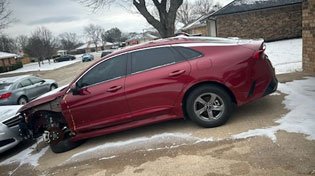
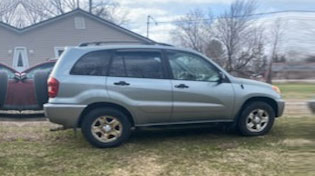
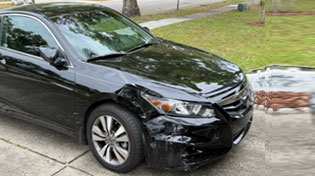
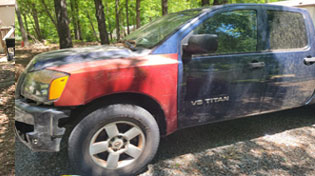
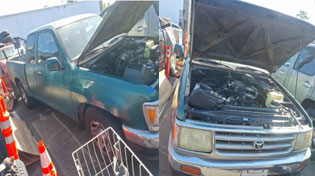


Junk, Damaged, and Non-Running Vehicles That Can Be Evaluated
ByeCar's published service information includes inquiries about old, unwanted, damaged, salvage, and non-running vehicles. Examples of conditions worth disclosing include:
- Engine or transmission failure, even if the car still starts.
- Collision damage, a totaled-vehicle designation, or structural damage.
- Rust, worn suspension, or problems that make the vehicle unsafe to drive.
- Water, fire, or hail damage.
- Missing keys, wheels, catalytic converters, or other major components.
These are reasons to ask for an evaluation, not a promise that every vehicle will be purchased. Report the actual condition and title designation. For more detail on specific defects, see Sell a Damaged Car or Sell My Broken Car in New Hampshire.
Requesting and Reviewing an Offer
1. Send the basic information. Use the existing quote form to provide your vehicle's make, model, year, actual ZIP code, and contact details. The initial form does not ask for every possible problem.
2. Explain condition and ownership. Be ready to describe damage, missing components, mileage, title or lien issues, and whether the car can roll, steer, and brake. An additional review or inspection may be needed.
3. Discuss the proposed terms. Confirm the amount, required transfer documents, whether collection is available at your location, any transportation charge, and the payment method and timing. Do not assume pickup or payment will happen immediately.
4. Decide whether to proceed. Complete the applicable ownership-transfer steps and release the car only under agreed collection and payment arrangements. Keep a record of the transaction.

New Hampshire Title Requirements for a Junk Car Sale
Title-Exempt Vehicles and Voluntary Titles
Under New Hampshire RSA 261:3, ordinary motor vehicles whose manufacturer's model year is before 2000 generally do not require a certificate of title. The exemption has exceptions, including heavy trucks and truck-tractors with a gross vehicle weight over 18,000 pounds. It is based on model year, not the date the vehicle was built or a rolling age threshold.
For a qualifying non-titled vehicle, the seller ordinarily uses Form TDMV-22A, Report of Sale or Transfer of a Non-Titled Motor Vehicle, or a qualifying equivalent containing the required information under Saf-C 1904.05. The form records seller and buyer information, vehicle identification, and mileage. Title-exempt does not mean that ownership or authority to sell can be skipped.
Since August 18, 2026, New Hampshire also allows owners of otherwise title-exempt vehicles to apply for a voluntary title. RSA 261:3 lists eligible supporting evidence, including certain New Hampshire registrations, a valid out-of-state title, or a current New Hampshire VIN verification form. A voluntary title is an option, not a new universal requirement for exempt vehicles.
Vehicles That Require a Title and Missing Certificates
For a vehicle that requires a title, RSA 261:14 generally requires the owner to complete the title assignment when transferring the vehicle. Check that the named owners and any security interests are addressed before agreeing to a sale.
If a required certificate is lost, stolen, destroyed, mutilated, illegible, or was never received, review the New Hampshire TDMV-18 duplicate-title application and Saf-C 1925.01. The first lienholder generally applies if one is recorded; otherwise, the owner or an eligible licensed dealer may apply. Joint ownership involves additional signature requirements. TDMV-22A for a non-titled vehicle is not a substitute for a legally required title.
Liens, Salvage Status, and Seller Obligations
Outstanding Liens and Ownership Records
If a lender has a security interest, disclose it before accepting an offer. RSA 261:27 explains the release process after a secured debt is satisfied. Ask the lender what documentation is needed and who must complete it. An evaluation does not establish that ByeCar will pay off a loan or accept an unresolved lien.
Salvage or Rebuilt Vehicles
Disclose whether the vehicle has a salvage or rebuilt designation. Under RSA 261:22, IV-a, a seller of a vehicle required to carry a salvage or rebuilt title or registration must provide the applicable written disclosure of its salvage status and the reasons for that designation. A vehicle being rebuilt for road use follows a separate state inspection and retitling process; that process is not a requirement to rebuild every salvage vehicle before selling it for disposition. A salvage title may establish ownership, but it does not guarantee a purchase offer.
After Ownership Transfers
Under RSA 261:66, registration expires when ownership transfers. Retain the expired registration certificate if seeking a registration transfer credit. Before releasing the car, confirm how its license plates should be handled with your town or city clerk or the New Hampshire DMV; plate transfers have their own rules. Keep your sale record and do not assume the buyer can drive under your expired registration.
Preparing a Vehicle for Collection in New Hampshire
The practical questions are whether the vehicle can move and whether collection equipment can reach it. Tell ByeCar if it is in a garage, at a repair shop, behind a gate, in a managed storage area, or on a driveway with limited turning space. Mention snow, ice, soft ground, parked vehicles, or other obstacles when relevant. Do not move an unsafe vehicle onto a public road to make collection easier.
Three details to check before discussing collection:
- Condition: Can the vehicle roll, steer, and brake? Are all wheels and keys present?
- Access: Are there gates, clearances, other vehicles, or property permissions affecting access?
- Ownership: Are the required title or non-titled transfer records available, and is any lien or salvage status disclosed?
Remove personal belongings once a transaction is agreed. Confirm pickup availability, any charges, the collector's identity, and the timing before releasing the car. No particular New Hampshire collection schedule is guaranteed by this page.
New Hampshire Locations and Service Inquiries
For city-specific information, visit the Manchester junk-car service page. If the vehicle is elsewhere in New Hampshire, enter its actual ZIP code and explain the location during follow-up so availability and arrangements can be reviewed. The existence of a statewide page does not guarantee collection from every address.
For other states, use the national service-area directory.
Request a Quote for Your New Hampshire Vehicle
Start with your vehicle's make, model, year, and ZIP code. Have its condition, title status, and collection-access information ready to discuss. Use the existing quote form or contact ByeCar with questions. Confirm the final offer, documents, pickup arrangements, and payment terms before deciding whether to sell.
Frequently Asked Questions About Selling a Junk Car in New Hampshire
Which New Hampshire vehicles are generally title-exempt?
Ordinary motor vehicles with a manufacturer's model year before 2000 are generally exempt, with exceptions including certain heavy trucks and truck-tractors over 18,000 pounds gross vehicle weight. Check RSA 261:3 for your vehicle's classification.
Can I request a voluntary title for a title-exempt vehicle?
Yes. New Hampshire has allowed qualifying owners to request a voluntary title since August 18, 2026. The option does not make a title mandatory for every otherwise exempt vehicle. The statute identifies acceptable supporting evidence.
What if my vehicle requires a title but I cannot find it?
Check the TDMV-18 duplicate-title process. The eligible owner or lienholder must follow the applicable requirements. Form TDMV-22A does not replace a legally required certificate of title.
Can a car with an active lien be evaluated?
You can disclose the lien and request a review, but a lender's release or other documentation may be necessary before a transfer. Do not assume an offer includes payoff of the loan.
Do I need to disclose a salvage or rebuilt designation?
Yes. In qualifying sales of vehicles with salvage or rebuilt designations, RSA 261:22, IV-a requires written disclosure of salvage status and the reason for the designation. A vehicle rebuilt for road use follows separate title and inspection requirements.
What if my non-running vehicle is difficult to reach?
Tell ByeCar whether it can roll or steer, what parts are missing, where it is parked, and whether gates, weather, obstacles, or permissions affect access. Availability and collection equipment needs must be confirmed for the specific location.
How are payment and pickup charges determined?
Confirm the agreed amount, payment method and timing, pickup availability, and any transport charge before accepting. ByeCar's published footer says payments are typically by check or wire transfer; that does not guarantee the method or timing for an individual transaction.

