

 Over 25,000 cars purchased nationwide

When a no-start, engine, transmission, or electrical problem makes another repair hard to justify, you can request an offer for the car as it sits. Start with the year, make, model, ZIP code, and contact details, then share mileage, known problems, title status, location, and whether it starts, drives, rolls, or steers.
What Matters When a Broken Car Is Evaluated
Running condition is only one factor. The year, model, mileage, overall condition, type of failure, missing components, ownership documents, and location can also matter. Share a mechanic's diagnosis or repair estimate if you have one.

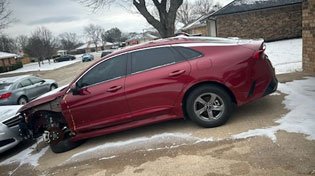
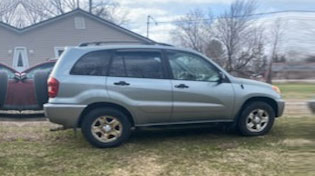
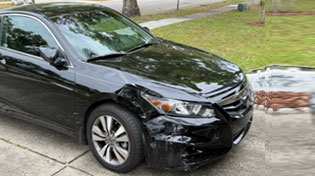
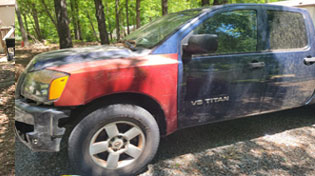


Mechanical Problems to Describe Before You Sell
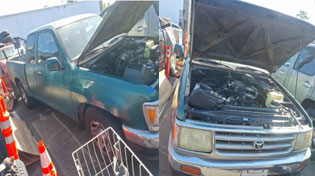
Relevant conditions include a no-start engine, transmission failure, overheating, electrical faults, repeated stalling, or mechanical damage after a collision. ByeCar has separate guides for non-running cars, blown engines, and broken transmissions, so this page stays focused on New Hampshire selling preparation.
When deciding between repair and sale, compare the current repair cost with the vehicle you would have afterward and the possibility of additional work. If the cause is unknown, describe the symptoms rather than guessing at a diagnosis.
Before releasing the vehicle, confirm the final offer, pickup arrangements, payment method, and timing. ByeCar's sitewide notice says payments are typically made by check or wire transfer, so confirm what applies to your transaction.

New Hampshire Title and Ownership Documents
New Hampshire generally exempts motor vehicles with a manufacturer's model year before 2000 from the certificate-of-title requirement, except heavy trucks and truck-tractors over 18,000 pounds. When a title is required, the owner must complete the title assignment at delivery. Review New Hampshire RSA 261:3 and RSA 261:14 for the current rules.
If a required title is lost, stolen, damaged, or destroyed, New Hampshire provides a duplicate-title process. That differs from a legally title-exempt vehicle. DMV Form TDMV 22A covers the sale or transfer of a non-titled motor vehicle; it does not replace a required missing title. Since August 18, 2026, New Hampshire also allows an owner to apply voluntarily for a title for an otherwise title-exempt vehicle when the required supporting documents are available.
A lien is separate. If a recorded lien has been satisfied, make sure you have proper lien-release documentation. If it remains active, disclose it and confirm payoff or transfer requirements with the lienholder. New Hampshire's title handbook explains the state's lien-release requirements.
Preparing a Broken Car for Pickup in New Hampshire
Provide the exact pickup address and explain anything affecting access. Mention a repair shop, storage facility, gated property, parking garage, missing keys or wheels, and whether the car rolls or steers so pickup requirements can be assessed before scheduling.
New Hampshire Service-Area Information
Provide the exact ZIP code and pickup address so availability and access requirements can be confirmed for your vehicle.
✓ Share whether the vehicle starts, moves, rolls, and steers.
✓ Keep title, lien, and ownership information available.
✓ Confirm access, pickup arrangements, payment method, and timing before release.
Ready to Compare an Offer With Another Repair?
If another major repair no longer fits your plans, request an offer using an accurate description of the vehicle, documents, and location. Review the offer and pickup details, then decide whether selling or repairing makes more sense for you.
Frequently Asked Questions About Selling a Broken Car in New Hampshire
Can I sell a broken car in New Hampshire if it does not run?
You can request an offer for a non-running vehicle. Provide the known condition, title status, location, and basic vehicle details so it can be evaluated as it sits.
Does my car need a title to be sold in New Hampshire?
New Hampshire generally exempts motor vehicles with a manufacturer's model year before 2000 from title requirements, except certain heavy trucks and truck-tractors. Non-exempt vehicles generally require proper title transfer.
What if my vehicle is model year 1999 or older and has no title?
A title-exempt vehicle differs from one with a lost required title. New Hampshire DMV provides Form TDMV 22A for transfer of a non-titled vehicle. Since August 18, 2026, an owner may also request a voluntary title for an otherwise exempt vehicle when the documentation requirements are met.
What if a required New Hampshire title is lost?
If a required title is lost, stolen, damaged, or destroyed, New Hampshire provides a duplicate-title process. A non-titled-vehicle form does not replace a required title.
What if there is still a lien on the vehicle?
Disclose the lien before transfer. If the debt is satisfied, make sure the lien release is documented. If it remains active, confirm payoff or transfer requirements with the lienholder.
What if my New Hampshire vehicle has a salvage or rebuilt title?
A branded title is different from a missing title. Tell ByeCar which title document and brand you have, and confirm the documentation required before pickup.