

 Over 25,000 cars purchased nationwide

Selling an unwanted vehicle in Virginia starts with a few practical details: what the car is, what condition it is in, who owns it, and where it can be collected. You can request an offer even if your car is not running or has substantial damage. Provide accurate information from the beginning so the vehicle, documentation, and pickup requirements can be reviewed before you agree to sell.
Sell Your Junk, Damaged, or Non-Running Car in Virginia
A car does not have to be roadworthy to be submitted for evaluation. ByeCar reviews inquiries involving older vehicles, high-mileage cars, wrecked vehicles, major mechanical failures, and missing components. Whether a particular vehicle can be purchased depends on its condition, ownership records, location, and collection requirements.
For example, a car with a blown engine raises different questions from one with flood damage or a missing catalytic converter. If the car does not start, say whether it can still roll and steer. If an insurance company declared it a total loss, mention that too. A complete description helps avoid surprises later.
For more information about specific problems, explore damaged-car selling options and guidance for non-running cars.
How Much Is a Junk Car Worth in Virginia?
There is no reliable statewide price for every junk car. Two vehicles with the same model year can receive different offers when one starts and drives and the other has a failed transmission, serious collision damage, or missing parts. An accurate evaluation needs more than the words “junk car.”
| Factor | Details worth sharing |
|---|---|
| Vehicle identity | Year, make, model, trim, and mileage if known. |
| Current condition | Whether the engine starts, the car drives, and the vehicle rolls and steers. |
| Damage and missing parts | Collision, water or fire damage; missing wheels, engine, transmission, or catalytic converter. |
| Ownership documents | Paper or electronic title, recorded lien, salvage certificate, or other title issue. |
| Vehicle location | Virginia ZIP code, where the car is parked, and whether collection equipment can reach it. |
You do not need to repair the car just to ask what it might be worth. However, avoid spending money on repairs specifically to improve an offer until you have compared that expense with the value of the vehicle in its present condition.
What Do Past Purchase Examples Tell You?
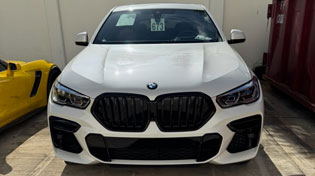
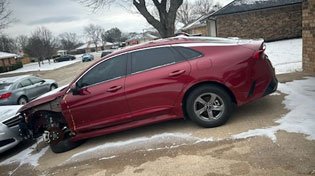
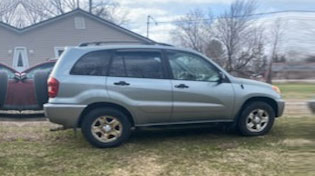
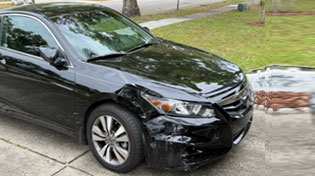
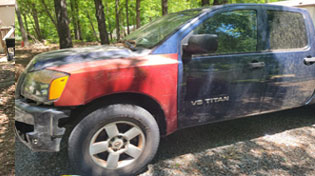
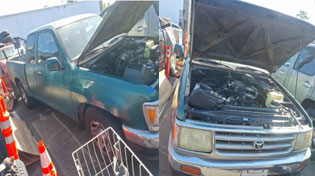
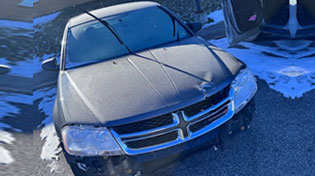
The purchase examples displayed on ByeCar's website include vehicles from different states and of different ages and conditions. Some are not junk cars. They should not be treated as a Virginia price guide, a typical payout, or a prediction for your vehicle. Request an evaluation based on your car's actual details.

How Selling Your Junk Car to ByeCar Works
1. Share the vehicle details. Provide the year, make, model, ZIP code, and an accurate description of the condition. Explain any missing components or title problems.
2. Review the proposed offer. Ask whether more information is needed and confirm what documentation is required. You can decide whether the proposed terms work for you.
3. Confirm collection arrangements. Before scheduling, explain if the car cannot roll or steer, is behind a gate, or sits where a tow vehicle may have trouble reaching it. Confirm whether pickup is available and what, if anything, it will cost.
4. Complete the agreed sale. Check the buyer's details and the ownership paperwork. Agree on the payment method and timing before releasing the vehicle.
Submitting a form is a request for an evaluation, not confirmation that the vehicle has been accepted or that a final purchase price has been agreed. Review the actual terms before arranging collection.

Virginia Title and Ownership Requirements
Virginia uses different ownership documents depending on a vehicle's legal status. A lost paper title, electronic title, recorded lien, salvage certificate, and nonrepairable certificate are not interchangeable. Before agreeing to sell, identify which one applies. The Virginia DMV selling guide explains ordinary title transfers.
Selling a Vehicle With a Standard Virginia Title
For a typical Virginia-titled sale, all owners named on the title sign the seller's assignment. Enter the buyer's name and address, actual odometer reading where required, sale date, and sale price. Do not leave the buyer section blank or guess the mileage. Under NHTSA's federal odometer rules, model-year 2011 and newer vehicles generally require disclosure during their first 20 years, while older model years follow the previous exemptions.
If the Title Is Missing, Restricted, or Branded
| Document status | What Virginia sellers should check |
|---|---|
| Lost or damaged title | Ask DMV about a replacement title. Outstanding liens can affect who receives it. |
| Electronic title | Check who holds the record. Virginia's online person-to-person electronic transfer requires qualifying Virginia-resident individuals on both sides; business buyers are excluded from that online program. Ask how the intended transfer will be documented. |
| Outstanding lien | Contact the lender about the balance and release process. A replacement title does not cancel a debt. See DMV lien guidance. |
| Salvage certificate | An active salvage certificate bars highway operation and registration. Check the DMV salvage rules. |
| Rebuilt vehicle | Virginia requires written disclosure of rebuilt status on the prescribed form when selling. See Virginia Code section 46.2-1602. |
| Nonrepairable certificate | This is not a transferable title; DMV specifies a bill of sale. The car may only be used for parts. Virginia generally prohibits a sale to anyone other than a licensed auto recycler or vehicle removal operator, or a similarly regulated out-of-state business. See DMV nonrepairable guidance and Virginia Code section 46.2-1602. |
These rules describe Virginia law, not a promise that ByeCar accepts every title status. For unusual paperwork, identify the proposed legal buyer and confirm its eligibility before transferring the vehicle. For a fuller explanation, see How to Junk a Car in Virginia.
Preparing Your Junk Car for Pickup in Virginia
Before you arrange collection, look at the car as a tow operator would. Does it have four wheels? Can it roll freely? Is the steering locked? Is it on a driveway, inside a garage, behind a gate, or in a place with limited access? These details can change the equipment or arrangements needed to collect it.
Remove personal items, toll transponders, parking passes, and documents you want to keep. Locate the keys and ownership paperwork if available, and make sure the pickup location is one where you are authorized to release the vehicle. If it is unsafe or impossible to move the car yourself, explain the problem rather than attempting to reposition it.
Three details to mention when requesting an offer:
- Condition: Whether the car starts, runs, rolls, steers, or has missing major parts.
- Access: Gates, tight garages, blocked driveways, steep surfaces, or other obstacles.
- Ownership: Missing paperwork, multiple owners, liens, or a branded certificate.
Confirm pickup availability, the full cost to you, any access requirements, and the payment arrangements for your vehicle and ZIP code before you agree to sell.
What to Do Before and After Selling Your Car
Virginia sellers retain important responsibilities even when a buyer helps organize the transaction. The Virginia DMV seller checklist explains the required order of title, plate, sale-notification, and insurance steps.
- Check the ownership record. Confirm that the title or other applicable document is correct and that all required owners are available to sign.
- Complete the transfer correctly. Record the correct buyer information, sale date, price, and required mileage disclosure. Keep a copy of the transaction paperwork or receipt.
- Remove the license plates. Virginia DMV advises doing this before the buyer takes possession. Transfer, surrender, or inactivate the plates as applicable.
- Notify Virginia DMV of the sale. Use the official Report a Vehicle Sold or Traded service, or another DMV-approved notification method.
- Notify your insurer at the appropriate time. Take care of DMV plate and registration steps before canceling required coverage. DMV warns that canceling too early can create an uninsured-registration issue.
Do not assume that arranging pickup automatically completes these seller obligations. Check the current DMV instructions for your specific circumstances.
Virginia Cities and Service Coverage
Find city-specific information for Alexandria, Arlington, Richmond, Norfolk, Chesapeake, Hampton, Newport News, and Virginia Beach.
These links help you navigate to a relevant local page; they do not indicate separate ByeCar offices in those cities. If your vehicle is in another Virginia community, include its ZIP code when requesting an offer. Pickup availability and transaction arrangements need to be confirmed for that location. You can also browse service areas outside Virginia.
Frequently Asked Questions About Selling a Junk Car in Virginia
Can I request an offer for a non-running car or one with missing parts?
Yes. Provide its year, make, model, ZIP code, and a clear description of any damage or missing components. An inquiry can be reviewed without guaranteeing a purchase or collection.
Can I sell my car if the paper title is missing?
First check whether the title is lost, electronic, or held by a lienholder. Virginia has different procedures for each. Do not assume a bill of sale alone replaces the usual title requirements, or that the state's online electronic-transfer process is open to business buyers.
Can any junk-car buyer purchase a Virginia nonrepairable vehicle?
No. Virginia restricts these sales to eligible licensed or similarly regulated vehicle businesses. DMV also requires a bill of sale rather than treating the nonrepairable certificate as a transferable title. Ask about the legal buyer's eligibility before proceeding.
Does requesting an offer guarantee a price or pickup?
No. Submitting vehicle details starts an evaluation. Confirm whether the amount is preliminary, what information could affect it, and whether collection is available at your location before agreeing to sell.
Is pickup free, and how will I be paid?
Do not assume either term from the phrase "cash for junk cars." Confirm any collection charge, the payment method, and when payment will be made. ByeCar's current footer says payment is typically by check or wire transfer, not necessarily physical cash.
What must I do after the vehicle leaves?
Remove your plates before the buyer takes possession. Take the applicable plate or registration action, notify Virginia DMV of the sale, and contact your insurer in the sequence DMV recommends. Keep the available transfer record. See the DMV seller instructions.
Request an Offer for Your Junk Car in Virginia
Have the vehicle's year, make, model, condition, ownership-document status, and ZIP code ready. Describe any damage or pickup-access issue so the next steps can be discussed accurately. Before agreeing to sell, review the offer, required paperwork, collection terms, and payment arrangements.