

 Over 25,000 cars purchased nationwide

Request an Offer for Your Brick Vehicle
Have an unwanted, damaged, or non-running car in Brick Township? Use the form to provide its year, make, model, ZIP code, and your contact information. You do not need to estimate its scrap value before making an inquiry.
When contacted, be ready to describe the mileage, running condition, major damage, missing parts, title status, and exact parking location. A vehicle in a garage or behind a gate may present different collection considerations from one in an open driveway. Submitting an inquiry does not commit you to selling. Review any available offer and its terms before deciding.
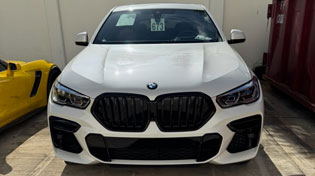
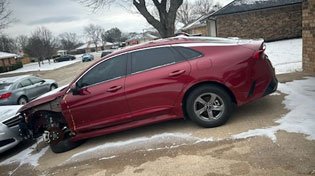
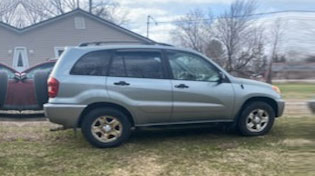
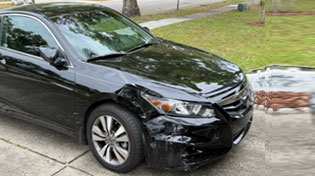
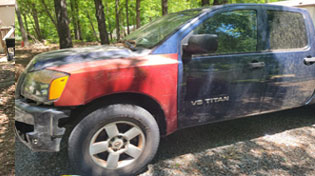
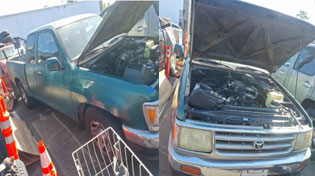

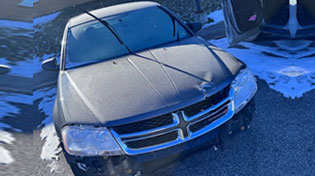
Which Vehicle Conditions Can Be Evaluated?
You can ask ByeCar to evaluate a vehicle with engine or transmission failure, accident damage, high mileage, extensive rust, or other problems that make it impractical to keep. Non-running cars and vehicles with missing components or salvage-related documents may need additional review.
Describe what you know rather than guessing at the cause of a problem. A car with flat tires that still rolls and steers differs from one missing wheels or essential steering parts. Mention a missing catalytic converter, deployed airbags, known fire or flood exposure, and major structural damage. Those details can affect evaluation and potential collection arrangements.
Purchase eligibility depends on the individual vehicle and acceptable ownership documents. For broader information about condition-related inquiries, see ByeCar's damaged-car service.
What Affects a Junk-Car Offer?
Vehicle condition and completeness
The year, make, model, mileage, mechanical condition, body damage, and remaining parts can influence a possible offer. A complete car with an expensive repair problem is not equivalent to a partially dismantled vehicle. There is no reliable payout amount that applies to every junk car in Brick.
Ownership and collection considerations
Title problems, recorded liens, and the vehicle's physical accessibility may affect whether and how a transaction can proceed. Explain whether the keys are available, the vehicle rolls and steers, and collection equipment could reach it. Confirm the proposed amount, any charges, and payment and collection terms before agreeing to sell.
New Jersey Title, Bill of Sale, and License Plates
When you have the vehicle title
For an ordinary titled sale, the New Jersey Motor Vehicle Commission directs sellers to sign the seller section on the back of the title and give the assigned title to the buyer with a bill of sale. The bill of sale should include the buyer's name and address, sale date, odometer reading, and sale price.
Remove the license plates before the vehicle changes hands. New Jersey requires sellers to surrender plates that are not being transferred to another eligible vehicle. Keep the surrender receipt and your transaction documents for your records.
If the title is missing or a lien remains
For a lost, stolen, or damaged New Jersey title, review the MVC's duplicate-title procedure, which ordinarily uses the Universal Title Application, Form OS/SS-UTA. The required supporting documents depend on the circumstances. A duplicate title issued with a recorded lien will be mailed to the lienholder.
If a loan was paid off but the lien is still recorded, consult the MVC lien instructions for acceptable proof of satisfaction. A vehicle acquired without a properly assigned title presents a different problem. The MVC's separate Improper Evidence of Ownership procedure applies only to qualifying New Jersey residents, businesses, or dealerships, and each application is reviewed individually. An offer inquiry does not establish that a sale can proceed without satisfactory ownership documents.
Salvage and other ownership situations
A salvage designation or rebuilt vehicle history can require separate documentation. The MVC salvage and rebuilt vehicle guidance describes the applicable title procedures. Disclose the document you actually have and any lien rather than assuming that every damaged vehicle transfers under ordinary title rules.
Brick Township Rules for Stored and Inoperable Vehicles
Parking on residential lawns
Under Brick Township Code section 267-8, residential property owners may not park or allow vehicles to be parked on their residential lawns. This restriction concerns lawn parking generally, not only junk cars.
If a vehicle has been sitting outside, check its actual placement and any applicable property or association rules. Do not assume that arranging a possible sale suspends local requirements. The cited lawn rule is not, by itself, a blanket ban on parking every non-running vehicle in a private driveway.
Missing parts, deterioration, and invalid plates
Brick Township Code section 267-9 restricts keeping vehicles on streets, vacant lots, and residential lawns, except in a fully enclosed structure, when they are missing essential parts, display extensive damage or deterioration, lack a current valid license plate, or are wrecked or disassembled.
The rule distinguishes the vehicle's condition and where it is kept. Check the actual circumstances rather than assuming every outdoor vehicle is prohibited or that an old car is automatically a code violation.
Planning Vehicle Collection in Brick
Describe access and vehicle mobility
Explain whether the car is in a driveway, an enclosed garage, a commercial lot, or a managed residential parking area. Mention narrow entrances, locked gates, blocked access, flat tires, missing wheels, and steering or brake problems. Confirm any permission required from a property owner, garage operator, or manager before collection is discussed.
Brick Township also restricts operating unregistered vehicles on highways and other areas open to public vehicular traffic. Do not drive an unregistered or unsafe car onto a road merely to make collection easier. Describe its location and condition so suitable arrangements can be assessed.
Disclose known water exposure
Brick Township's flood damage prevention code addresses flood hazard areas, but living in a coastal community does not mean an individual vehicle has suffered flood damage. If the car was actually exposed to floodwater, describe what happened and any visible corrosion, water intrusion, or mechanical problems. Avoid guessing about damage you have not observed.
Three details to have ready:
- Mobility: Does the car start, roll, steer, and brake, and are its keys available?
- Access: Can collection equipment reach it, and is permission needed to enter the property?
- Ownership: Is the title available, and are any liens or unusual title designations recorded?
How a ByeCar Offer Request Works
- Submit the basics. Enter the year, make, model, ZIP code, and requested contact information in the form.
- Discuss the vehicle. Describe its condition, missing parts, ownership documents, and parking location.
- Review any proposed offer. Confirm the amount, required documents, collection availability, possible charges, and payment method and timing.
- Complete an agreed transaction. If the vehicle qualifies and you accept the terms, follow the confirmed arrangements for ownership transfer, payment, and collection.

Repair, Private Sale, or Junk-Car Offer?
Repair may make sense if the car would remain useful and the likely expense is reasonable relative to its value and reliability. A written repair estimate can help when a major mechanical failure is involved.
A private sale may be appropriate if you can describe the vehicle honestly, manage buyer inquiries, and meet the ownership-transfer requirements. Requesting a junk-car offer is another option when substantial damage, uncertain repair costs, or storage issues make keeping the car impractical.
Compare the overall result, including repair expense, expected sale value, documentation needs, and collection terms. Do not decide solely on an advertised payout or an unconfirmed pickup promise.
Questions About Selling a Junk Car in Brick
Can I request an offer for a car that does not start or has missing parts?
Yes. You can submit the details for evaluation. Explain what is missing, whether the vehicle rolls or steers, and where it is parked. Purchase eligibility and collection requirements depend on the specific car.
What documents do I need to sell a junk car in New Jersey?
For an ordinary titled sale, prepare the properly assigned title and a bill of sale. Remove the plates and surrender them unless they will be transferred to another eligible vehicle. Review the MVC ownership-transfer instructions for your situation.
What if my title is missing or I still have a lien?
A lost New Jersey title may require the MVC duplicate-title procedure, while a recorded lien may require lender documentation. Check the MVC duplicate-title guidance and resolve the applicable requirements before attempting a transfer.
Can I keep an inoperable or unplated car on my property in Brick?
It depends on the vehicle's condition and where it is stored. Brick restricts parking on residential lawns and separately regulates certain damaged, incomplete, or unplated vehicles on streets, vacant lots, and residential lawns. See Township Code sections 267-8 and 267-9.
What if the vehicle is behind a gate, in a garage, or cannot roll?
Describe the access limits and mechanical condition before discussing collection. A low garage entrance, missing wheels, blocked route, or need for property permission may affect whether pickup can be arranged.
Is pickup free, and when or how would I be paid?
Collection availability and any charges must be confirmed for the specific vehicle and location. Confirm the payment method and timing before accepting an offer. The term "cash for junk cars" does not guarantee payment in physical cash.
Request an Offer for Your Brick Vehicle
If you are considering selling an unwanted car in Brick Township, provide its basic details through the form on this page. Have the condition, ownership documents, and parking location ready for follow-up, and review any offer and collection terms before deciding.
For vehicles elsewhere in the state, see ByeCar's New Jersey service areas.