

 Over 25,000 cars purchased nationwide

If you have a junk, damaged, or non-running car in Franklin Township, Somerset County, you can request an evaluation using its basic vehicle details. Be ready to explain its condition, where it is parked, and whether ownership or access may complicate a sale. Submitting a request does not guarantee an offer, a purchase, or collection.
What Affects a Junk Car Offer in Franklin Township?
An evaluation may consider the car's year, make, model, mileage, mechanical condition, accident damage, and remaining major components. A title brand, outstanding lien, missing keys, or the vehicle's location can also affect whether a transaction and collection are possible.
For example, a car with a failed engine but four wheels that roll presents different loading requirements from a car with missing wheels or damaged suspension. Describe what you know, including whether the car starts, steers, and brakes. Photos or a vehicle identification number (VIN) may be requested later.
Avoid estimating the car's value from advertised prices for other vehicles. Review the amount and any inspection, documentation, transportation, and payment conditions if an offer is made.

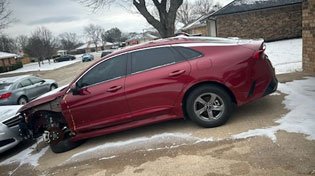
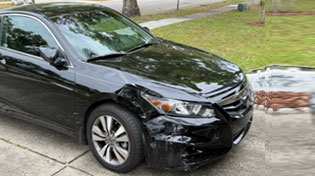
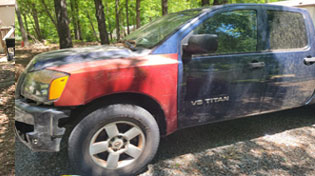
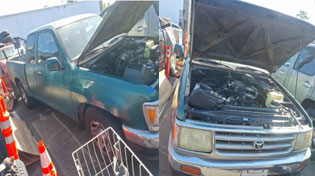

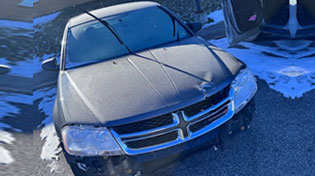
Junk, Damaged, and Non-Running Vehicles
You can submit an unwanted car with engine or transmission failure, collision damage, flood or fire exposure, substantial rust, a salvage history, or missing components. An aging vehicle that still runs can also be submitted for evaluation.
Explain whether the vehicle is complete, can move under its own power, or has been partly dismantled. Disclose significant defects, missing wheels or keys, and any salvage designation on its ownership documents. Not every condition or title status will qualify for purchase, and submitting details does not guarantee a particular amount.
Franklin Township Rules for Inoperable Vehicles on Private Property
Can an unregistered or inoperable vehicle remain outdoors?
Franklin Township Code Section 183-28(K) applies in Franklin Township, Somerset County. It prohibits keeping or storing an inoperable or unregistered motor vehicle on premises unless it is stored inside a permanent structure. A vehicle left on a private driveway is not automatically exempt from that restriction.
The rule concerns the vehicle's condition and registration status, not simply whether you intend to sell it. An offer request does not suspend township enforcement or authorize outdoor storage. If you are unsure whether your property or vehicle is covered, check with the township before assuming an exception applies.
What about repairs or a partly dismantled vehicle?
The same code restricts vehicles undergoing major disassembly, disrepair, stripping, or dismantling unless stored within a permanent structure. Major overhaul work, including bodywork, must take place inside a structure or similarly enclosed area designed and approved for that purpose.
Do not assume that a car awaiting repairs can be left outside indefinitely, or that moving it into another outdoor spot resolves the issue. Describe its actual condition when requesting an evaluation, and confirm any lawful storage or movement arrangements separately.
Driveway Parking and Collection Access in Franklin Township
Which surfaces may be used for vehicle parking?
Franklin Township Code Section 183-28(L) requires motor vehicles and covered vehicle-carrying trailers to be parked on driveways or designated parking areas made of blacktop, concrete, or stone that appear on an approved property survey or site plan. Soil, grass, and other vegetation are not approved parking surfaces under that provision.
Moving a disabled vehicle onto a lawn just to clear a driveway can therefore create a separate compliance problem. Before arranging collection, identify where the car actually stands and whether equipment could reach it without blocking access or violating parking restrictions.
What if the car is in an apartment lot or private community?
Franklin Township's Chapter 226 includes location-specific traffic and parking rules for certain private developments, including designated-space restrictions at Countryside at Franklin and Somerset Gate. These provisions do not establish identical rules for every apartment building or residential community.
If your vehicle is behind a gate, in a shared lot, or in a marked parking space, confirm any necessary permission with the property owner or manager. Mention narrow lanes, restricted access, other parked vehicles, and any conditions affecting safe loading. Collection availability must be established for the actual address.

New Jersey Titles and Seller Requirements
What documents are normally needed to transfer ownership?
NJ MVC's ownership-transfer guidance instructs sellers to sign the seller's section of the title and give it to the buyer with a bill of sale identifying the buyer, sale date, odometer reading, and sale price. The buyer has separate obligations to complete the applicable title transfer.
Provide an accurate odometer reading and do not guess if the displayed mileage is incorrect. Confirm who is signing the paperwork and retain your own transaction records. A bill of sale alone does not automatically replace the required title.
What if the title is lost or a lender still has a lien?
If the New Jersey title for a vehicle you own is lost, stolen, or damaged, use the MVC duplicate-title process. An active lien may require additional documentation, and a duplicate issued with that lien is sent to the lienholder. The separate Improper Evidence of Ownership procedure applies to eligible New Jersey residents, businesses, or dealerships that have already purchased a vehicle without a properly assigned title. It is not a shortcut for a seller's missing title or a guarantee that ByeCar can buy the vehicle.
If the car is financed, contact the lender about the balance and required lien release. Review the MVC lien requirements before completing the transfer. Do not assume that a buyer will pay off the loan or accept a vehicle without the required ownership documents.
What if the car has a salvage designation, and what happens to the plates?
New Jersey has a separate salvage-title process for qualifying severely damaged vehicles. Describe the designation on the title accurately. A salvage history does not establish that every buyer can purchase the vehicle or that a standard transfer will apply.
Under NJ MVC instructions, remove the license plates before transferring ownership. Plates can be transferred to another eligible vehicle registered in the same name; otherwise, surrender them to MVC and keep the receipt. Do not leave the plates on the vehicle for the new owner.
Preparing Your Car for Collection
Report whether the vehicle rolls, steers, and brakes, along with flat tires, missing keys, damaged suspension, fluid leaks, or major missing parts. Explain whether it is on a driveway, within a garage, at a repair business, or in a shared parking area. Mention gates, low clearance, tight turns, and anyone who must authorize entry.
Before an agreed collection, remove personal items and have any required ownership documents ready. Confirm instructions about plates and keys. Do not move an unsafe vehicle onto a street or unapproved parking surface merely to make loading easier, and do not assume storage or outside towing expenses will be reimbursed.
How the Offer and Sale Process Works
- Request an evaluation. Use the existing form to enter the vehicle's year, make, model, ZIP code, and your contact information.
- Provide details if requested. Follow-up questions may cover mileage, damage, missing components, title or lien status, photos, and whether the car can move.
- Review any available offer. Confirm the amount, document and inspection conditions, possible transportation charges, collection availability, and payment arrangements.
- Complete an agreed sale. Follow the applicable New Jersey title and bill-of-sale requirements, arrange any agreed collection, and handle your license plates under MVC instructions.
Submitting the form does not transfer ownership, book a collection time, or guarantee that the vehicle will be purchased.
Confirm Pickup and Payment Terms
Before accepting an offer, ask whether collection is available at the vehicle's exact location, whether special loading or access charges apply, and whether inspection or documentation could change the proposed amount. Confirm the expected payment method and timing before signing paperwork or releasing the car.
ByeCar's published payment notice says that "cash for junk cars" does not necessarily mean payment in physical cash and that payment is typically by check or wire transfer. Do not assume immediate payment, free towing, or a guaranteed collection schedule.
Condition: Disclose major damage, missing parts, and whether the car can roll and steer.
Access: Identify parking restrictions, gates, clearance limitations, and required property permission.
Documents: Confirm the title, any lien release, bill of sale, and what you will do with the plates.
Franklin Township and New Jersey Service Areas
This page concerns Franklin Township in Somerset County. Other New Jersey municipalities share the Franklin Township name and have different local ordinances. Provide the vehicle's actual address and ZIP code rather than relying only on the owner's mailing address. Collection availability must be confirmed for that location.
For statewide information and other locations, consult the New Jersey junk-car service page.
Request an Offer for Your Franklin Township Vehicle
Enter the vehicle's basic details and your contact information using the existing offer form. If additional information is needed, explain the car's condition, ownership status, and access. Review any available offer, required paperwork, collection arrangements, and payment terms before deciding whether to proceed.
Frequently Asked Questions About Selling a Junk Car in Franklin Township
Can I request an offer for a car that does not run?
Yes. Describe the damage and whether the car can roll, steer, and brake if asked. Whether an offer or collection is possible depends on the vehicle and location.
Can an unregistered or inoperable car stay outside on my property?
Franklin Township Code Section 183-28(K) restricts outdoor storage of inoperable or unregistered vehicles unless they are kept inside a permanent structure. A private driveway does not automatically create an exemption.
Can I move the vehicle onto grass while arranging collection?
Section 183-28(L) limits vehicle parking to designated, approved blacktop, concrete, or stone areas and excludes grass, soil, and vegetation. Confirm a lawful alternative before moving the vehicle.
What if my New Jersey title is missing or the car has a lien?
The owner can follow MVC's duplicate-title instructions. A lien may require lender documentation or release. Neither a registration nor a bill of sale automatically substitutes for every required title.
Can I request an offer for a salvage or inspection-failing car?
Yes. Disclose the salvage designation or inspection problem. Requesting an evaluation is different from meeting requirements to register or operate a vehicle. Purchase eligibility is not guaranteed.
What should I do with my New Jersey license plates?
Remove them before transferring ownership. Transfer them to another eligible vehicle in your name or surrender them to MVC, and keep the surrender receipt.
Can a car be collected from an apartment lot or gated property?
Possibly, subject to property permission, safe access, parking restrictions, vehicle mobility, and agreed collection terms. Confirm these details before arranging removal.
Is towing free, and when would I be paid?
Submitting an inquiry does not guarantee free towing, a specific pickup schedule, or immediate payment. Confirm any charges, the payment method, and timing before accepting an offer.