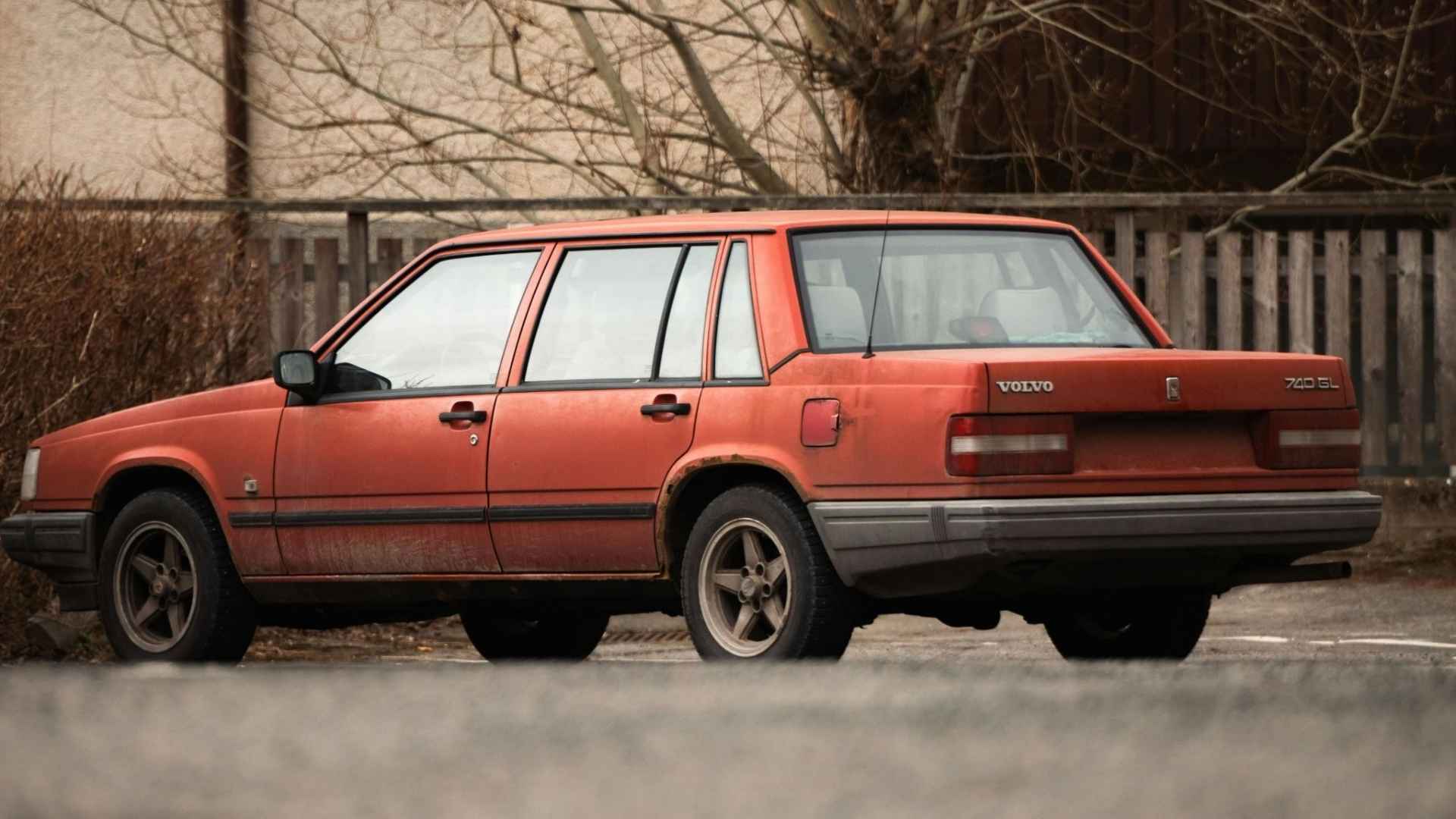
A car doesn't have to run to be worth selling. Even when the engine has failed, the vehicle has major damage, or repairs no longer make financial sense, there may still be buyers interested in its usable parts, recyclable materials, or potential for repair.
The challenge is choosing the right selling method and understanding what you're actually agreeing to. An offer that looks attractive at first may come with collection costs, condition requirements, or paperwork complications.
This guide explains how to sell an unusable car, decide whether repairing it is worthwhile, compare buyers, prepare ownership documents, and arrange collection when the vehicle cannot be driven.
What Makes a Car Unusable?
An unusable car is generally a vehicle that cannot currently serve its intended purpose because of mechanical problems, damage, safety concerns, or the cost of restoring it to usable condition. It is a practical description, not necessarily an official title classification.
Different problems create different selling situations:
- Won't start: The problem could range from a discharged battery to serious engine damage. Avoid assuming the cause without a diagnosis.
- Starts but cannot be driven: A failed transmission, damaged suspension, brake problem, or other defect may make driving unsafe.
- Cannot roll or steer: Missing wheels, seized brakes, collision damage, or steering failure can complicate collection.
- Severely damaged: Major collision, fire, flood, or structural damage may limit repair and resale possibilities.
- Uneconomical to repair: A vehicle might be technically repairable but cost more to restore than the owner considers reasonable.
A vehicle's mechanical condition and its legal title status are different matters. A non-running car does not automatically have a salvage title, and a vehicle with a salvage brand is not necessarily incapable of moving.
If the car is unsafe to operate, leave it parked rather than attempting to drive it to a buyer. For a vehicle that simply no longer operates, see ByeCar's information about selling a non-running car.
Should You Repair the Car or Sell It As-Is?
Repairing a broken car can make sense when the problem is limited, the diagnosis is reasonably certain, and the cost is justified by the vehicle's expected value or your need to keep using it.
Selling as-is may be more practical when repairs are extensive, expensive, or uncertain.
Before deciding, compare four things:
- The actual repair estimate. Ask a qualified repair shop for the likely cost, including necessary related repairs and any uncertainty in the diagnosis.
- The car's realistic value after repair. Look at comparable vehicles in similar condition, accounting for mileage, age, and remaining problems.
- What buyers would offer for the car as it sits. This establishes an alternative to paying for repairs.
- The additional cost and effort. Consider diagnostic charges, transportation, storage, time, and the possibility of discovering further damage.
For example, suppose a vehicle needs a major engine repair. Replacing the engine might increase its selling value, but the repair could also reveal other problems. Compare the likely net amount from selling the repaired vehicle with what you could receive without making the repair.
A useful comparison is:
Estimated sale price after repair − repair and selling costs = estimated net proceeds after repair.
Compare that result with your best realistic net as-is offer. These are estimates, not guaranteed outcomes.
When selling as-is may be the better choice
Selling without repairs deserves serious consideration when the vehicle has multiple significant faults, serious structural damage, an uncertain repair outcome, or repair costs that are difficult to justify against its expected value.
If the car has insurance coverage, an active warranty, or a potential manufacturer remedy, check those options before paying for repairs or disposing of it.
You don't need to repair a vehicle simply to find out whether someone might buy it.
Where Can You Sell an Unusable Car?
The best selling option depends on what remains usable, whether another person wants to repair the vehicle, how much work you are willing to do, and whether the car needs to be collected.
| Selling option | When it may make sense | What to confirm |
|---|---|---|
| Specialized junk-car or non-running-car buyer | You want to sell the vehicle as a whole without repairing it | Vehicle eligibility, collection arrangements, final offer conditions, and payment |
| Auto salvage yard or recycler | The vehicle has significant damage or is mainly valuable for materials and recoverable components | Accepted condition, transport responsibility, paperwork, and net payment |
| Private as-is buyer | Someone may want the vehicle as a repair or restoration project | Accurate disclosure, lawful ownership transfer, payment security, and collection |
| Dealer trade-in | You're purchasing another vehicle and the dealership is willing to consider the unusable car | Trade allowance, transportation, and the actual net cost of the replacement purchase |
No category of buyer automatically offers the highest price.
A private sale could bring a favorable amount for a desirable repair project, but advertising, negotiation, buyer inspections, and transportation can require more effort. A salvage yard may be appropriate for a heavily damaged vehicle, but individual yards have different acceptance policies and valuation methods.
A specialized buyer may offer a more direct route for a complete vehicle that cannot be driven. However, you should still confirm that the buyer accepts the specific condition and location.
For a more detailed comparison, read where to sell a junk car.
How Much Is an Unusable Car Worth?
There is no universal amount that every broken or non-running car is worth. Two cars with similar mileage and equally serious mechanical problems can receive different offers.
A buyer may consider:
- Year, make, model, and demand: Some vehicles or components have more resale or salvage interest than others.
- Remaining usable components: Engines, transmissions, wheels, electronics, and other assemblies may matter if their condition and demand support recovery.
- Extent of damage: Flood, fire, collision, corrosion, and mechanical damage can affect both reusable parts and handling costs.
- Missing components: A removed engine, transmission, catalytic converter, or set of wheels can change the vehicle's value and collection requirements.
- Location and accessibility: Transportation distance, site access, and loading requirements may affect the buyer's costs.
- Ownership documentation: Title status and unresolved liens can determine whether a transaction is possible.
A vehicle can retain recyclable-material value even if its engine has failed. However, the existence of a part does not mean it is functional or worth a particular amount.
It's also important to distinguish scrap-metal value from a whole-vehicle offer. Scrap value concerns recoverable materials, while a buyer's offer may consider parts, condition, demand, and expenses.
For a deeper explanation, see how to calculate car scrap value.
Don't remove components solely because you expect to sell them separately for more. Dismantling can introduce safety risks, reduce whole-car offers, and leave you responsible for disposing of the remaining vehicle. Compare realistic net proceeds before considering that approach.
What Information Should You Give a Buyer?
Accurate information helps a buyer understand the vehicle and evaluate whether the proposed sale and collection are workable.
You do not need to diagnose every mechanical problem yourself. Describe what you know and distinguish confirmed faults from symptoms.
Vehicle details and condition checklist
Have the following ready:
- Year, make, model, approximate mileage, and current location.
- Whether the engine starts, whether the vehicle can move under its own power, and whether it is safe to drive.
- Known problems, including collision damage, fluid leaks, flood or fire exposure, and major mechanical failures. For an electric or hybrid vehicle, disclose any known or suspected high-voltage battery damage, without attempting to inspect or handle damaged electrical components yourself.
- Missing or damaged components, especially wheels, keys, engine, transmission, or catalytic converter.
- Whether the vehicle can roll, steer, and be reached by collection equipment.
- Title status, any outstanding loan or lien, and who has legal authority to sell it.
Take clear photographs of the exterior, interior, dashboard if accessible, visible damage, and areas relevant to the vehicle's condition. Do not attempt to start, move, or crawl beneath an unsafe car just to take photographs.
If the vehicle has been sitting for years, say so. If you don't know why it stopped running, state that the cause is unknown rather than guessing.
Providing accurate details before agreeing on a price can reduce the likelihood of disputes when the vehicle is inspected or collected.
What Paperwork Do You Need to Sell an Unusable Car?
The required paperwork depends on the state, the vehicle's ownership record, any lien, and the type of transfer.
Most sellers should begin by checking the certificate of title and confirming whose names appear on it. A buyer may also request identification, relevant registration information, or additional documents based on the transaction.
What if the title is missing?
A lost title does not automatically mean that you can transfer the vehicle using only a bill of sale.
Your state's motor vehicle agency may require a replacement title or another specifically authorized process. Limited exceptions exist in some circumstances, but they should never be assumed.
For example, the California DMV states that if a California certificate of title is missing, the appropriate Application for Replacement or Transfer of Title (REG 227) must be completed for the title-transfer process. Other states may use different forms and procedures. Check your state's requirements rather than assuming that a registration card or bill of sale will be sufficient.
For requirements applicable to your vehicle, use the USAGov directory of state motor vehicle agencies.
What if there is still a loan or lien?
An outstanding lien can affect your ability to transfer clear ownership.
Contact the lender or lienholder to establish what remains owed and what documentation or release is required. Do not assume a buyer will pay off the balance or complete a transfer while the lien remains unresolved.
If the vehicle has a salvage, rebuilt, nonrepairable, or other title brand, disclose the recorded status accurately. These classifications have legal significance, and the rules can differ by state.
If you are selling for a deceased owner, another family member, or a business, verify the authority and documentation required for that ownership situation.
The safest approach is to resolve title and ownership questions before arranging collection. A physical handover and a legally valid transfer are not automatically the same thing.
How to Sell an Unusable Car Step by Step
Once you understand the vehicle's condition and documentation, the sale can be organized into a manageable sequence.
Step 1: Decide whether to repair or sell
Get enough information to compare the likely repair expense with realistic as-is selling options. Avoid paying for expensive repairs solely in the hope of increasing an uncertain offer.
Step 2: Describe the vehicle accurately
Gather the vehicle details, known damage, photographs, title information, and collection-access details. Explain whether the car starts, rolls, or steers.
Step 3: Request and compare offers
Contact buyers willing to consider vehicles in the car's condition. Ask whether their figure is preliminary or final, what assumptions it depends on, and whether any additional evaluation is necessary.
Step 4: Confirm the complete transaction terms
Review the proposed amount, any conditions that could change it, seller-paid charges, required documents, and the agreed collection and payment arrangements. Confirm important terms before scheduling the handover.
Step 5: Prepare for collection or delivery
Remove personal belongings and provide the agreed access and documentation. Don't drive a vehicle that is unsafe or not roadworthy.
Step 6: Complete payment, paperwork, and seller responsibilities
Follow the agreed payment procedure, complete applicable ownership-transfer documents, obtain a transaction record, and carry out any required seller notification or registration steps.
If you are considering ByeCar as a buyer, you can also review how ByeCar's process is described before submitting your vehicle details.
How Does Pickup Work If the Car Cannot Move?
A non-running car isn't necessarily difficult to collect. A vehicle with four usable wheels, working steering, accessible brakes, and room for suitable equipment may present a different situation from one that is missing wheels or wedged inside a narrow garage.
Tell the buyer about collection limitations before accepting an offer.
Important details include:
- Whether the car rolls freely and can be steered.
- Flat, missing, or locked wheels and any seized brakes.
- Missing keys or inaccessible steering controls.
- A steep driveway, enclosed garage, restricted parking area, or obstructed access.
- Whether the car is at a repair shop, storage lot, impound facility, or property you don't control.
- Visible fluid leaks, unstable damage, or other hazards that require special consideration.
Ask who arranges transportation, what type of collection is being considered, whether additional equipment is necessary, and whether any charges apply.
A vehicle held by a storage facility or impound lot may involve fees, release paperwork, or permission requirements that need to be addressed before collection.
Do not attempt to move a severely damaged vehicle or dismantle components merely to make collection easier. Tell the buyer about major damage, leaking fluids, unstable wheels, or other hazards before arranging transport.
Electric and hybrid vehicles may require additional precautions, particularly after collision, fire, or flood damage involving a high-voltage battery. Do not touch exposed electrical components or attempt repairs yourself. Inform the collection provider about known damage and consult appropriate professional or emergency services when a damaged battery presents an immediate hazard. The National Highway Traffic Safety Administration explains these risks and vehicle-specific towing considerations.
Vehicles being dismantled or recycled may contain fuel, oil, batteries, refrigerants, and other materials that require proper handling. The EPA's vehicle-disposal guidance identifies components that need appropriate management during disposal and recycling.
How to Compare Offers and Confirm Payment Terms
The largest number mentioned in a quote isn't always the amount a seller will ultimately receive.
Before agreeing to sell, make sure each buyer is evaluating the same vehicle condition and location. Then compare the actual terms.
Consider these questions:
- Is the amount conditional on inspection or additional information?
- Are collection, loading, processing, or other charges deducted?
- What happens if the vehicle is missing a component that was not originally disclosed?
- What payment method will be used, and when will payment be available?
- What documents must be signed, and what record will each party receive?
Compare the net amount payable to you, not just the advertised offer.
For example, an offer that includes a separate collection charge may leave you with less than a lower headline offer with no seller-paid collection charge. This is a comparison principle, not a prediction of actual buyer pricing.
Protect yourself during payment and handover
Confirm the buyer's identity and agreed terms before signing ownership documents or releasing the car. Obtain an appropriate receipt or bill of sale and retain copies of the documents you are entitled to keep.
Be cautious if a supposed buyer sends more than the agreed amount and asks you to return the difference. The Federal Trade Commission warns about fake-check overpayment scams targeting online car sellers.
ByeCar uses “cash for junk cars” as general service terminology. Its published footer says payments are typically made by check or wire transfer, rather than necessarily in physical currency. Before accepting an offer, confirm the method available for your transaction, when payment will be made, and when the funds will be available. Do not release the vehicle based solely on an unverified payment confirmation.
Never assume a payment has been completed merely because someone provides a screenshot or an unverified confirmation.
What Should You Do After Selling the Car?
Removing the vehicle from your driveway does not necessarily finish your responsibilities as the seller.
Depending on your state and transaction, you may need to:
- Submit a seller's notice of sale, release of liability, or comparable notification.
- Handle license plates and registration as directed by the state.
- Confirm that the required title-transfer documents have been completed.
- Keep records of the buyer, vehicle, transaction date, and payment.
- Review any registration and insurance requirements before canceling or changing coverage. If you are unsure when to make a change, check with your insurer and the appropriate state agency.
These obligations are not identical across the United States.
For example, California requires a Notice of Transfer and Release of Liability within five calendar days after a qualifying sale or transfer. The California DMV explains that this notice does not itself complete the ownership transfer.
Check the official requirements for the state where the vehicle is titled instead of assuming the buyer will complete every seller obligation.
Ready to Find Out Whether Your Unusable Car Can Be Sold?
Have the vehicle's year, make, model, approximate mileage, current location, known problems, and ownership information ready before requesting an evaluation.
ByeCar provides a vehicle quote request option. You can also contact ByeCar to ask whether your vehicle can be considered in its current condition. Submission does not guarantee an offer or purchase.
Before proceeding, confirm the proposed amount, documents required, collection arrangements, and payment terms. Review these details before agreeing to transfer the vehicle.
Frequently Asked Questions About Selling an Unusable Car
Can I sell a car that won't start or move?
Yes, some buyers consider cars that cannot start or move under their own power. Eligibility depends on the vehicle, its condition, ownership documents, location, and the buyer's capabilities. Explain whether the car can roll and steer, since this affects collection arrangements.
Is it better to fix a broken car before selling it?
Not necessarily. Compare the repair estimate and expected sale value after repairs with realistic as-is offers. A relatively minor repair may be worthwhile, while major or uncertain repairs may not recover their cost. Factor in time, safety, and the risk of additional faults.
Can I sell an unusable car without a title?
It depends on your state's laws and the transaction. In many situations, a valid title or approved replacement process is necessary. A bill of sale is not automatically a substitute. Check your state motor vehicle agency and the buyer's requirements before transferring possession.
What if the car has no keys or is missing wheels?
Tell the buyer before accepting an offer. Missing keys, wheels, or other components may affect valuation and the equipment required for collection. Do not assume every buyer can retrieve a car that cannot roll, steer, or be safely accessed.
Can a buyer change the offer when the car is collected?
An offer may be conditional on the vehicle matching its description or satisfying stated requirements. Ask in advance what can trigger an adjustment, disclose known problems accurately, and confirm the final terms before agreeing to transfer the car. If unexpected terms are introduced, review them before proceeding.