

 Over 25,000 cars purchased nationwide

An engine failure can leave you with a car you cannot safely drive and an expensive repair decision. If a mechanic has confirmed serious internal damage, or the engine seized, overheated, or stopped running and you do not know why, you can ask ByeCar to evaluate the vehicle as-is. Share what you know instead of guessing at a diagnosis. Whether an offer is available depends on the vehicle, its condition, ownership documents, and location.
Should You Repair or Sell a Car With a Blown Engine?
Start with the likely cost of getting the car back into dependable condition, not just the price of an engine. Ask the repair shop to identify the failure and provide a written estimate covering parts, labor, and any related work. If the diagnosis is uncertain or the repair is complicated, consider a second opinion. The Federal Trade Commission's auto repair guidance recommends written estimates and a second opinion for expensive repairs.
Compare that total cost with the car's likely value after repair, a realistic as-is offer, and the cost of replacing the transportation it provides. Consider other work the car may soon need, the warranty on a replacement or rebuilt engine, and how long you intend to keep it. Repairing may be reasonable when the rest of the vehicle is dependable. Selling may be preferable when the damage is extensive, the repair outcome is uncertain, or you do not want to invest more in the car.
An as-is evaluation gives you another figure to compare without obligating you to sell.



Can You Sell a Car With a Blown Engine?
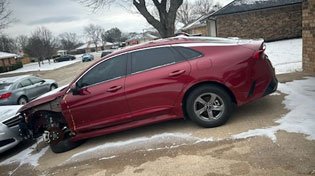
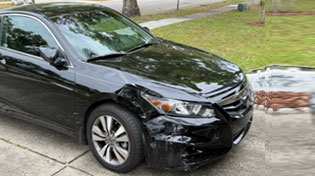
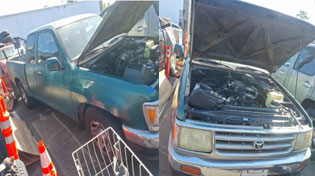
A badly damaged engine does not necessarily make the entire vehicle worthless. ByeCar accepts inquiries about cars with major mechanical problems, including seized engines, suspected internal damage, and vehicles that no longer start. A running engine is not a prerequisite for requesting an evaluation, but submitting a vehicle does not guarantee a purchase.
The rest of the vehicle matters. Usable body panels, interior components, and wheels can contribute to value, while collision, flood, or structural damage can reduce it.
If the car simply will not start and no one has diagnosed the cause, our non-running car page covers that broader situation.
What Does a Blown Engine Actually Mean?
"Blown engine" is an everyday description, not one precise mechanical diagnosis. It can refer to severe internal damage such as a seized rotating assembly, a broken connecting rod, or damage associated with oil loss or overheating. A failed head gasket can also be serious, but it does not always require replacing the entire engine. The appropriate repair depends on what testing reveals.
Possible signs of serious engine trouble include knocking, overheating, smoke, sudden power loss, or an engine that stops running. Those signs do not, by themselves, prove that the engine is beyond repair. A car that will not start can also have a battery, starter, or fuel-system problem.
Tell ByeCar whether the engine cranks without starting or does not crank at all, and share any diagnosis rather than treating either symptom as proof of a blown engine. For other possible causes, see AAA's guide to why cars won't start.
If the temperature gauge rises sharply or steam appears while you are driving, pull over when safe and shut off the engine. AAA's overheating guidance explains why continuing to drive can make the problem worse.
What Affects the Value of a Car With a Blown Engine?
There is no fixed payout for a car with engine failure. Two vehicles with a similar engine problem may have different as-is values because the engine is only one part of the appraisal. Details that can matter include:
- Make, model, year, and mileage: These help establish the vehicle's identity, age, and demand.
- Engine condition: A documented fault, whether major parts are intact, and the extent of damage can affect how the vehicle is evaluated.
- Other working components: The transmission, body panels, wheels, electronics, interior, and remaining usable parts may all matter.
- Additional problems: Collision damage, corrosion, flood exposure, missing components, or structural issues can change the calculation.
- Ownership and location: Title or lien status, where the car is stored, and how it can be moved can affect what is practical.
The car may be worth more than its metal, but no feature guarantees a minimum offer. See ByeCar's guide to factors affecting junk-car value.
What Should You Tell ByeCar About the Engine Problem?
The form on this page first asks for your car's make, model, year, ZIP code, and contact details. When discussing its condition, the following information is useful if you have it:
- Whether the engine starts, cranks but will not start, or appears unable to turn over.
- What happened before it stopped working, such as overheating, oil loss, knocking, or a sudden shutdown.
- Any mechanic's diagnosis, inspection notes, or written repair estimate.
- Approximate mileage, how long it has been parked, and other known damage or missing parts.
- Clear photos of the exterior, interior, dashboard, and any visible damage.
- Where the vehicle is located, whether it rolls and steers, and whether the keys and wheels are available.
- Whether you hold the title, another person is listed as owner, or a lender has a lien.
If a detail is unknown, say so. Accurate information helps avoid misunderstandings about condition and collection.

What Paperwork Do You Need to Sell a Car With Engine Damage?
If available, have the vehicle title, a form of identification, the VIN, and any information about a lien or loan. Depending on the state and transaction, you may also need a bill of sale, an odometer disclosure, signed title documents, or a seller's notice of transfer. Your state motor vehicle agency is the source for the rules that apply where the car is titled and transferred.
An engine failure does not, by itself, establish that a vehicle has a salvage or nonrepairable title. Title classifications depend on the applicable jurisdiction and the vehicle's documented history, not simply on the owner's description of a blown engine.
For example, the California DMV describes salvage certificates in connection with qualifying total-loss circumstances and separate criteria for nonrepairable vehicles. This is a California example, not a nationwide rule. Consult your state motor vehicle agency for the requirements applicable to your vehicle.
If the title is missing, belongs to someone else, or shows an active lien, disclose that before agreeing to sell. Replacement documents, authorization, or a lienholder's involvement may be needed. ByeCar can discuss the information required to assess a transaction, but the seller must still meet applicable ownership and state reporting obligations. Do not assume that every paperwork issue can be resolved during pickup.
How to Prepare a Blown-Engine Car for an Evaluation
You can prepare useful information without paying for a repair solely to submit an inquiry. Take recent photos, note the odometer reading if visible, and keep any mechanic's report or estimate available. Be clear about previous accidents, missing parts, fluid leaks, and whether the car has been sitting outside for a long time.
If a shop or other party holds the car, confirm release arrangements and any storage fees. Keep keys and documents accessible, remove belongings before handover, and follow state rules for plates and sale notices.
Avoid attempting to drive a vehicle with suspected severe engine damage just to demonstrate its condition.
How Do Pickup and Payment Work if the Car Cannot Run?
An inquiry is not a completed sale or a pickup appointment. If ByeCar offers to buy the car, review the proposed amount, any conditions, ownership requirements, collection availability, possible transport charges, and payment method and timing before accepting.
ByeCar's published footer describes payment as typically made by check or wire transfer, but the method for your transaction should be confirmed directly. Read Our Process for the general workflow and the national service-area directory for the distinction between nationwide service listings and address-specific eligibility. Confirmed transaction terms, rather than a general sitewide promise, should determine the next steps.
What if the Vehicle Is at a Repair Shop or Cannot Roll?
Let ByeCar know if a repair shop or storage operator controls access to the car, and ask the facility about release procedures and unpaid storage fees. Also disclose locked steering or brakes, missing wheels, a blocked parking space, or any other loading issue. A car that still rolls is different from one requiring special handling. Collection availability must be confirmed case by case.
Diagnosis uncertain? Describe the symptoms and any testing already completed. You do not need to label the fault more precisely than you can support.
Considering a major repair? Compare a written estimate and the condition of the entire car with an as-is offer before deciding.
Car cannot move? Disclose wheel, steering, brake, and access issues early so the collection discussion reflects the actual situation.
Related Resources for Other Vehicle Problems
Explore other damaged-car options, the broken-transmission page for gearbox failure, or ByeCar's general FAQs for more on documents and the process.
Request an Offer for Your Car With a Blown Engine
Use the form on this page or call (213) 319-1400 to begin. Share the vehicle's basic details and be ready to explain what is known about its engine, its ability to move, and its ownership documents. ByeCar can review the information and discuss whether an offer is available and what terms would apply. You can then compare that option with repairing or keeping the vehicle.
Frequently Asked Questions About Selling a Car With a Blown Engine
Can I request an offer if the engine is completely seized?
Yes. A seized engine is a reason to describe the condition clearly, not a reason to assume the vehicle has no value. You can request an evaluation, although purchase eligibility and offer terms depend on the complete vehicle and its location.
What if a mechanic has not confirmed that the engine is blown?
You can explain the symptoms without claiming a confirmed diagnosis. Say whether the engine cranks, makes unusual noises, overheated, or stopped while driving, and share any inspection information you have. The exact failure may remain unknown.
Do I have to replace the engine before I sell the car?
No engine replacement is required just to request an as-is evaluation. A repair may still be worthwhile if the car is otherwise dependable and the estimate makes sense for your needs. Compare the alternatives before approving expensive work.
How much could I get for a car with a blown engine?
There is no universal amount. Vehicle model, mileage, other damage, remaining usable parts, title status, and location can influence the offer. The vehicle must be evaluated before anyone can responsibly quote a case-specific amount.
Does a blown engine automatically mean a salvage title?
No. Serious engine damage and a salvage or nonrepairable title designation are different things. Check the title's actual status and your state's motor vehicle rules rather than assuming an engine problem changed the title automatically.
Can I sell the vehicle if I lost the title or still owe money on it?
Those situations need review before a transaction. A replacement title, proof of authority, or lienholder participation may be necessary. Tell ByeCar about the issue before accepting an offer; do not assume a missing title or active loan can be resolved immediately.
Can pickup be arranged if the car is at a shop or cannot roll?
Possibly, depending on location, access, and the vehicle's mobility. Explain whether the car can roll and steer, who controls the property, and whether storage charges are outstanding. Collection options and costs need confirmation before scheduling.
How and when would I be paid if the sale goes ahead?
Before agreeing to sell, confirm the payment method, when funds are expected to be available, and which documents are required for handover. Do not assume immediate cash or a guaranteed payment deadline. The agreed transaction terms should explain when and how payment will be made.