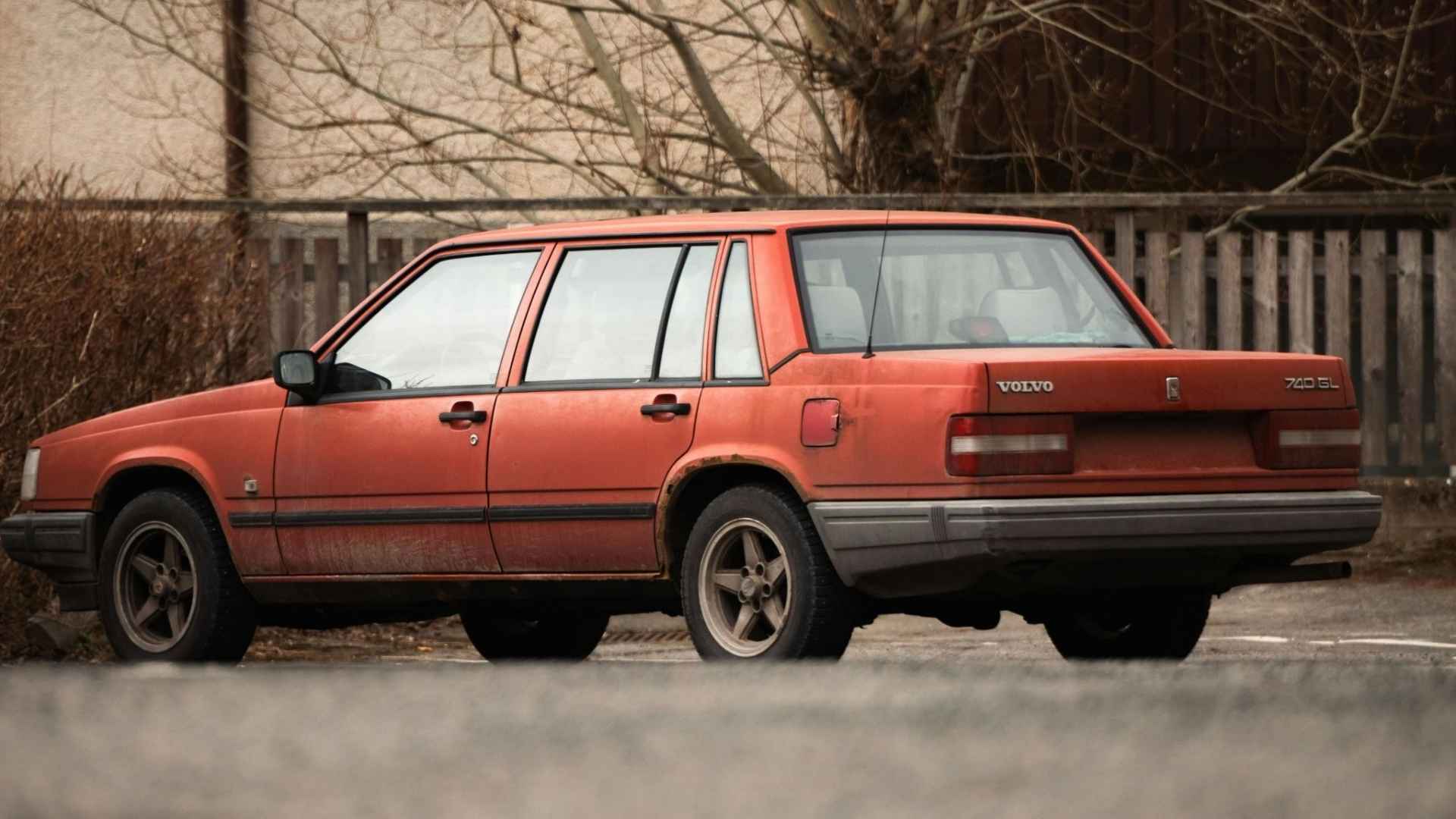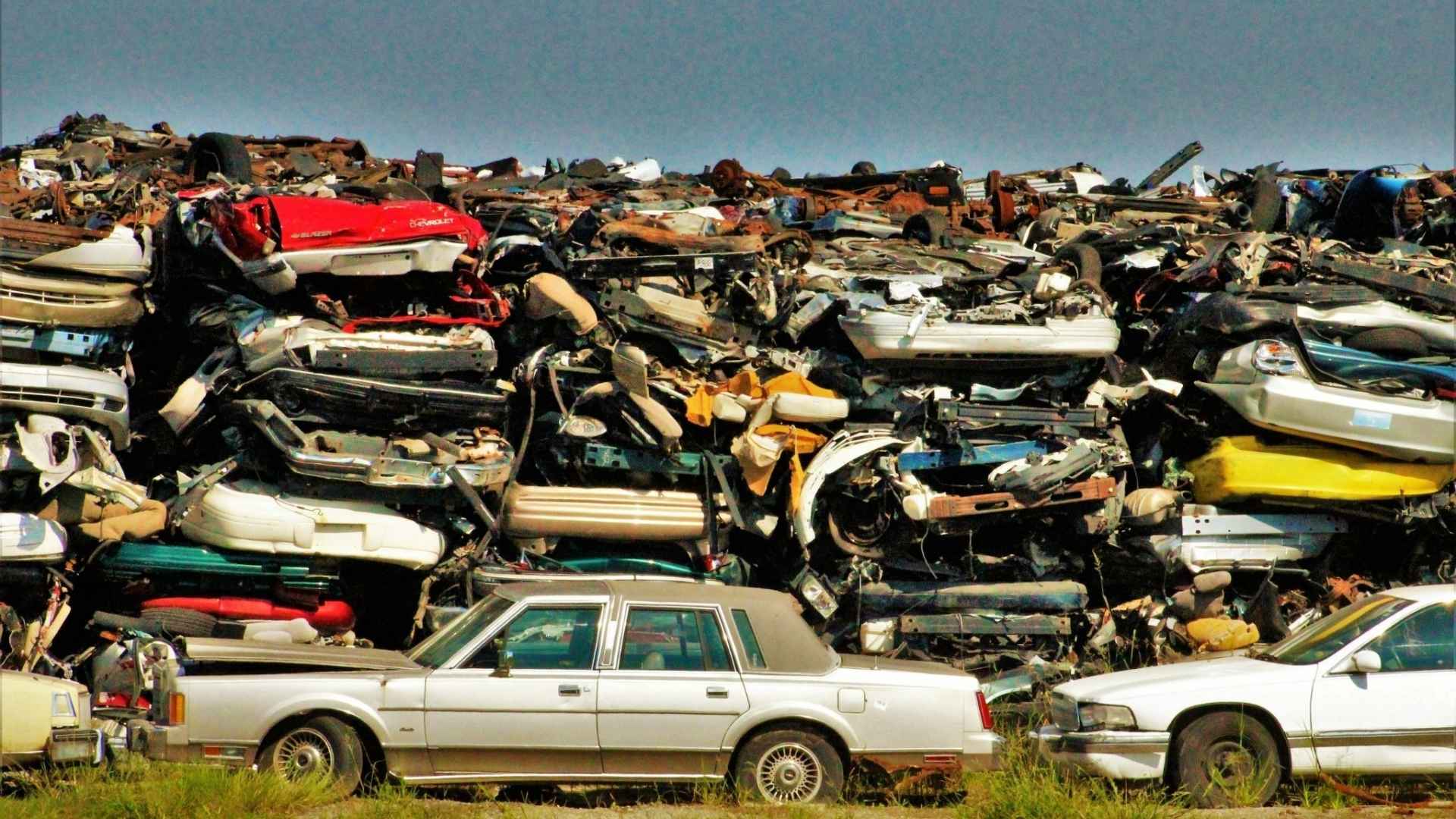

A car does not need to run to be sold for parts or recycling, but getting rid of it involves more than arranging a tow. In Michigan, your ownership documents, the type of vehicle title, and the buyer's eligibility can all affect how the transfer must be handled.
Before you junk a car in Michigan, confirm that you can legally transfer it, understand whether it has a regular, salvage, or scrap title, and decide how it will be collected or disposed of. The steps below explain what Michigan requires, what depends on your situation, and what to check with a buyer before handing over the vehicle.
How to Junk a Car in Michigan: Quick Checklist
For a typical Michigan vehicle owner, the process starts with ownership paperwork and ends with keeping proof that the vehicle changed hands.
- Check your title. Locate your ownership document, confirm the vehicle identification number (VIN), and check whether any liens or title brands appear.
- Resolve paperwork problems. A missing title, unresolved lien, or incorrect ownership record may need attention before the transfer.
- Choose a disposal option. Compare a qualified salvage yard, automotive recycler, private buyer, donation program, or vehicle-buying service.
- Confirm the buyer and transaction. Ask whether the buyer can legally accept the vehicle's title type and get the offer, any fees, payment arrangements, and collection terms clearly documented.
- Prepare the car. Remove personal belongings, locate keys if available, and explain whether the vehicle can roll and steer.
- Complete the transfer. Follow the applicable title-assignment procedure, remove your license plate in an ordinary sale, and keep copies of the paperwork.
- Keep your records. Save the buyer's information, transfer documents, and any collection receipt.
Michigan's Secretary of State guidance for buying and selling vehicles explains the state's standard title-transfer and seller responsibilities. Scrap and salvage vehicles may involve additional restrictions.
Check Your Vehicle Title and Ownership
A Michigan vehicle title identifies the legal owner. For an ordinary vehicle sale, the seller generally needs the properly assigned original title. Registration documents, an old license plate, or possession of the keys do not replace proof of ownership.
Before contacting a junkyard or buyer, review the title and confirm:
- The VIN matches the vehicle.
- The person transferring the car has the legal authority to do so.
- All required owners can sign the transfer.
- Any recorded lien has been addressed.
- The vehicle's title is regular, salvage, or scrap.
The seller's portion of a paper title generally requires the seller's name, address, signature, the buyer's information, and an accurate odometer disclosure where applicable. Do not guess at the mileage or sign an incomplete title for someone else to fill out later.
What if There Is Still a Lien?
If the title identifies a lender, an old paid-off loan does not necessarily mean the lien has disappeared from the ownership record.
Michigan SOS explains that a paper title may require a lien termination statement or a title signed by the lienholder. For an electronic lien, the lender may need to complete the release electronically.
Contact the lienholder and confirm which documents are necessary before arranging the sale. An offer from a buyer does not override a lienholder's rights or Michigan's title requirements.
For detailed ownership instructions, see the Michigan SOS title information.
Michigan Salvage vs. Scrap Titles: Know the Difference
Calling a vehicle a "junker" does not automatically determine its title classification. A car with a failed engine or extensive rust may still have a regular title, while a vehicle with qualifying major-component damage may require a salvage or scrap designation.
Michigan uses repair-cost thresholds based on the vehicle's pre-damage value. Its official title application also permits certain voluntary classifications below those thresholds.
| Title type | Michigan rules | Practical consequence |
|---|---|---|
| Regular title | No salvage or scrap brand has been assigned | Transfer follows the applicable ownership and title procedures |
| Salvage title | Qualifying damage with estimated repairs of 75% to less than 91% of pre-damage value generally requires salvage or scrap classification. Voluntary salvage classification is also possible below 75%. | The vehicle cannot return to public-road use until it meets Michigan's rebuilding, inspection, and retitling requirements |
| Scrap title | Qualifying estimated repair costs of 91% or more require scrap classification. Michigan also permits voluntary scrap classification below that threshold. | The vehicle is permanently restricted to parts or scrap and cannot be retitled for road use |
These rules address Michigan's specific title-branding framework, including distressed-vehicle classifications. They do not mean that every old, non-running, or high-mileage car automatically requires a scrap title.
Before changing a title classification, review the Michigan Secretary of State's title guidance and the official salvage or scrap title application, Form TR-12.
Why a Scrap Title Requires Special Care
Once Michigan issues a scrap title, the vehicle cannot return to legal road use. Michigan also restricts who may receive scrap-titled vehicles, so a general private buyer or removal company may not be an eligible purchaser.
Michigan SOS additionally explains that an owner selling an older model vehicle for scrap can mark the original title "scrap" or "junk." Doing so prevents the vehicle from being titled and returned to the road.
Do not mark a title for scrap unless that is the intended, appropriate disposition. If the car might be repaired or resold for road use, confirm the correct title procedure before making a permanent designation.
A salvage-titled vehicle is different. After proper repairs, an eligible vehicle may be inspected and retitled under Michigan's rebuilt-vehicle procedure.
The official Michigan SOS salvage and scrap title guidance provides the classification rules, applications, and inspection information.
How to Complete the Junking Process
Once you understand the car's ownership and title status, the next step is finding an appropriate buyer or disposal provider.
1. Describe the Vehicle Accurately
Provide the year, make, model, VIN, location, title status, and known condition. Explain whether it starts, rolls, and steers, and disclose missing major components.
If the car is damaged, mention significant rust, collision or flood damage, and any insurance total-loss designation. Avoid diagnosing problems you cannot confirm.
Collection details matter. A car parked on an accessible driveway may require different equipment from one missing wheels or stored inside a restricted area.
2. Compare Buyers and Check Their Eligibility
Contact automotive recyclers, salvage businesses, or vehicle-buying services and describe the car's exact title status.
Not every buyer can legally receive a salvage- or scrap-titled vehicle. Michigan regulates different dealer activities through licensing classifications, including Class C used-vehicle-parts dealers, Class F scrap-metal processors, Class H foreign salvage dealers, and Class R automotive recyclers. The permitted transaction depends on the vehicle, title, and recipient.
Scrap-title reassignment is restricted to eligible licensed dealers. Special licensing requirements also apply when purchasing salvage or scrap vehicles at salvage pools or auctions.
Before agreeing to a transfer, ask which licensed entity will actually receive the vehicle and whether it is authorized to accept that title type. See Michigan SOS vehicle dealer information.
3. Confirm the Offer and Collection Terms
Ask the buyer to confirm the proposed amount, inspection conditions, fees, payment method and timing, and collection arrangements.
Explain any storage charges, access restrictions, missing keys, or loading obstacles before accepting an offer. Get the agreed terms in writing, including circumstances that could affect the final amount.
4. Complete the Applicable Ownership Transfer
For an ordinary private sale, properly complete the title assignment, follow the applicable odometer-disclosure requirements, and remove your license plate, except where Michigan permits an immediate-family exception.
The ordinary private buyer generally has 15 days to transfer the title. Dealer and scrap transactions may involve different requirements, so confirm the applicable procedure rather than treating every junk-car transfer as a standard private sale.
Retain the buyer's information and a copy of the completed documents.
5. Arrange the Vehicle Handoff
Remove personal belongings and confirm who is authorized to release the car.
Before handing over the vehicle and documents, make sure the agreed ownership, payment, and collection arrangements are understood by both parties.
What if Your Michigan Car Title Is Missing or Has a Problem?
Losing the title does not necessarily prevent a future sale, but it does not automatically authorize selling the car without one.
If you are a listed owner and your Michigan title is missing, the usual route is to request a duplicate through the Secretary of State.
Michigan SOS lists:
- Standard duplicate title: $15. Available through eligible online or office transactions, with delivery by mail generally expected within 14 days.
- Same-day instant title: $20. Available at a Secretary of State office when the applicant meets the service requirements.
- Mail or fax applications: Generally restricted to qualifying Michigan residents who are out of state and former Michigan residents.
A same-day instant title refers to an official SOS title-replacement service, not the speed of a junk-car sale or collection.
Check the Michigan title replacement service for current instructions before applying.
Other Title Problems
| Situation | What to check before proceeding |
|---|---|
| Lost Michigan title in your name | Request an eligible duplicate from SOS |
| Title still lists a lender | Obtain the required lien release or electronic lien clearance |
| Multiple owners listed | Confirm who must sign or authorize the transfer |
| Title never transferred into your name | Contact the previous owner or SOS about the correct ownership procedure |
| Owner has died | Follow the applicable survivor, heir, or estate documentation process |
| VIN or title information is incorrect | Resolve the discrepancy with SOS before transferring the vehicle |
When the previous owner cannot be located, Michigan has limited alternative ownership procedures, including certain court orders, surety bonds, and Form TR-205 self-certification cases.
For example, SOS identifies specific conditions for TR-205 involving a Michigan-titled vehicle that is at least 10 years old and valued at $2,500 or less. Meeting an age or value threshold alone does not guarantee approval, and the procedure is not a general exemption from title requirements.
See the Michigan SOS title FAQs for these exceptions.
If you do not have clear legal ownership, resolve that issue before arranging a sale. A buyer's willingness to consider a vehicle does not establish that the transfer is lawful.
Your Options for Selling or Disposing of a Junk Car
Not every unwanted vehicle should go directly to a scrap processor. The most suitable option depends on its condition, paperwork, remaining usable parts, and the effort involved in selling it.
Automotive recycler or salvage yard: Often worth contacting for a non-running, damaged, or parts-value vehicle. Ask whether the business can accept its title type and whether transport affects the net amount.
Private as-is sale: May be appropriate when the vehicle still has repair or resale potential. You will generally need to manage buyer inquiries, accurately disclose known problems, and follow the ordinary ownership-transfer requirements.
Vehicle donation: Some charitable organizations accept vehicles, but eligibility, transportation arrangements, and tax documentation vary. Do not assume that donating a car automatically creates a tax deduction.
Vehicle-buying service: Can be another option when you prefer to request an evaluation rather than arrange a private listing. Acceptance, payment and collection terms depend on the particular vehicle and buyer.
If a car still has meaningful repair value, compare a written repair estimate with its likely value after repair and an actual as-is offer. If it is structurally unsafe, heavily damaged, or incomplete, a qualified recycler may be a more appropriate destination.
What Determines a Junk Car's Value in Michigan?
A junk car's value is not based on its model year alone. Buyers may consider usable components, condition, demand for particular parts, vehicle weight, title status, transportation requirements, and current recycling-market conditions.
A complete vehicle that starts and rolls may be evaluated differently from one missing its engine, catalytic converter, wheels, or other major components.
Michigan's winter road conditions can also make corrosion important. Surface rust is different from damage affecting the frame, suspension mounting points, or structural components.
If you are comparing selling with recycling, focus on the net amount after any applicable charges, not an advertised payment figure.
For a more detailed explanation, read how car scrap value is calculated. If the main issue is mechanical failure, the guide to selling a non-running car may also help.
Preparing Your Car for Collection or Recycling
Before the scheduled handoff, check the vehicle and the location where it is stored.
Remove personal items from the cabin, trunk, glove compartment, and under the seats. Check for toll devices, garage remotes, documents with personal information, and any equipment you intend to keep.
Locate the keys if possible, but disclose missing keys before collection. Tell the buyer if the steering is locked, a wheel is missing, or the vehicle cannot be moved normally.
If the car is inside a locked yard, behind another vehicle, or subject to storage fees, resolve access arrangements in advance.
Environmental Handling Matters
An end-of-life vehicle may contain used oil, coolant, batteries, fuel, and other materials that require appropriate handling. Do not drain fluids onto the ground, open pressurized systems unnecessarily, or dismantle damaged components without suitable equipment.
Michigan's Department of Environment, Great Lakes, and Energy (EGLE) provides compliance resources for automotive recyclers and scrap-metal handlers, including guidance covering used oil, antifreeze, batteries, and other automotive wastes.
Choose a suitable receiving facility and ask about its processing arrangements rather than assuming that every vehicle buyer operates its own recycling facility.
See Michigan EGLE's automotive salvage and scrap-metal resources.
What to Do After Your Vehicle Is Sold or Scrapped
The transaction is not complete from a recordkeeping perspective simply because the car has left your driveway.
Michigan SOS recommends that sellers keep a copy of the completed title and a record of sale for at least 18 months. Retain the buyer's identity, sale date, vehicle information, agreed transaction terms, and any collection or payment receipt.
In the ordinary private-sale process, the buyer is responsible for transferring the title. The SOS notes that a title record can remain in the seller's name until the buyer completes that transfer.
Keeping accurate documentation is important if questions arise later. Michigan's standard seller guidance emphasizes proper title assignment, removing plates, and retaining evidence of the sale rather than relying on a generic separate online "Notice of Sale" filing.
Once the ownership and release arrangements are complete, contact your insurer about the appropriate changes to your policy. If questions remain about registration, title status, or an unusual transfer, check with SOS instead of assuming they were automatically resolved.
Considering a ByeCar Offer for Your Michigan Vehicle?
If you would rather request a vehicle evaluation than organize a private sale, you can explore ByeCar's Michigan junk-car buying service.
Provide the year, make, model, ZIP code, condition, and title status. Explain whether the car runs, rolls, and steers, and mention any issues that could affect collection.
Ask about purchase eligibility, the proposed amount, applicable charges, documentation, payment method, and pickup arrangements before making a decision.



Frequently Asked Questions About Junking a Car in Michigan
Can I junk a car in Michigan without a title?
Do not assume you can complete a sale without ownership documentation. A listed owner who lost a Michigan title can usually request a duplicate. More complicated ownership situations may have specific SOS procedures. Confirm the correct documentation and the buyer's eligibility before transferring the vehicle.
Does expired registration mean a car has to be scrapped?
No. Expired registration and a scrap-title designation are different matters. Registration status alone does not permanently classify a vehicle as scrap. The car's actual condition, ownership record, and applicable title rules determine the available options.
Do I have to submit a separate Michigan Notice of Sale?
Michigan SOS's standard seller guidance focuses on properly assigning the title, removing the license plate, and retaining proof of sale. It does not identify a separate online notice filing as a universal substitute for these steps. If your transaction involves a dealer, recycler, abandoned vehicle, or unusual ownership circumstances, confirm the applicable procedure with SOS.
Can a scrap-titled car be sold to any private buyer?
No. Michigan restricts transfers of scrap-titled vehicles to eligible recipients, including specified licensed dealer classifications under the applicable rules. A vehicle with a scrap title cannot be returned to road use. Confirm that the intended recipient is authorized to acquire it before transferring ownership. Special licensing requirements also apply to purchases through salvage pools or auctions.
What if my junk car is at a repair shop or towing yard?
Confirm who is authorized to release the vehicle, whether storage or other charges remain outstanding, and when collection access is available. Provide this information to the prospective buyer before agreeing to the transaction.
Will a buyer accept a vehicle with missing keys, wheels, or major parts?
That depends on the buyer, vehicle condition, title status, and available collection equipment. Disclose missing parts and mobility problems upfront. Request written confirmation of eligibility, any special loading costs, and the agreed transaction terms.
Official Michigan Resources
For current requirements, forms, fees, and exceptions, use these state resources:
- Michigan Secretary of State: Buying, Selling, or Leasing
- Michigan Secretary of State: Vehicle Titles, Salvage, and Scrap
- Michigan Secretary of State: Duplicate Title Service
- Michigan Secretary of State: Title FAQs
- Michigan EGLE: Automotive Salvage and Scrap Metal Handlers
Requirements may vary with title status, transaction type, and ownership circumstances. Confirm unusual cases with Michigan SOS before transferring the vehicle.