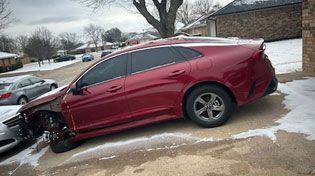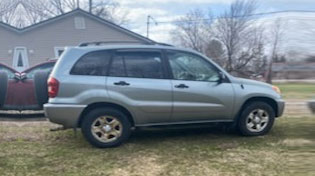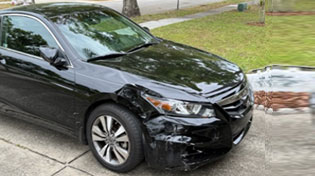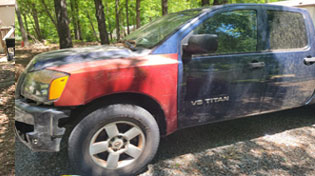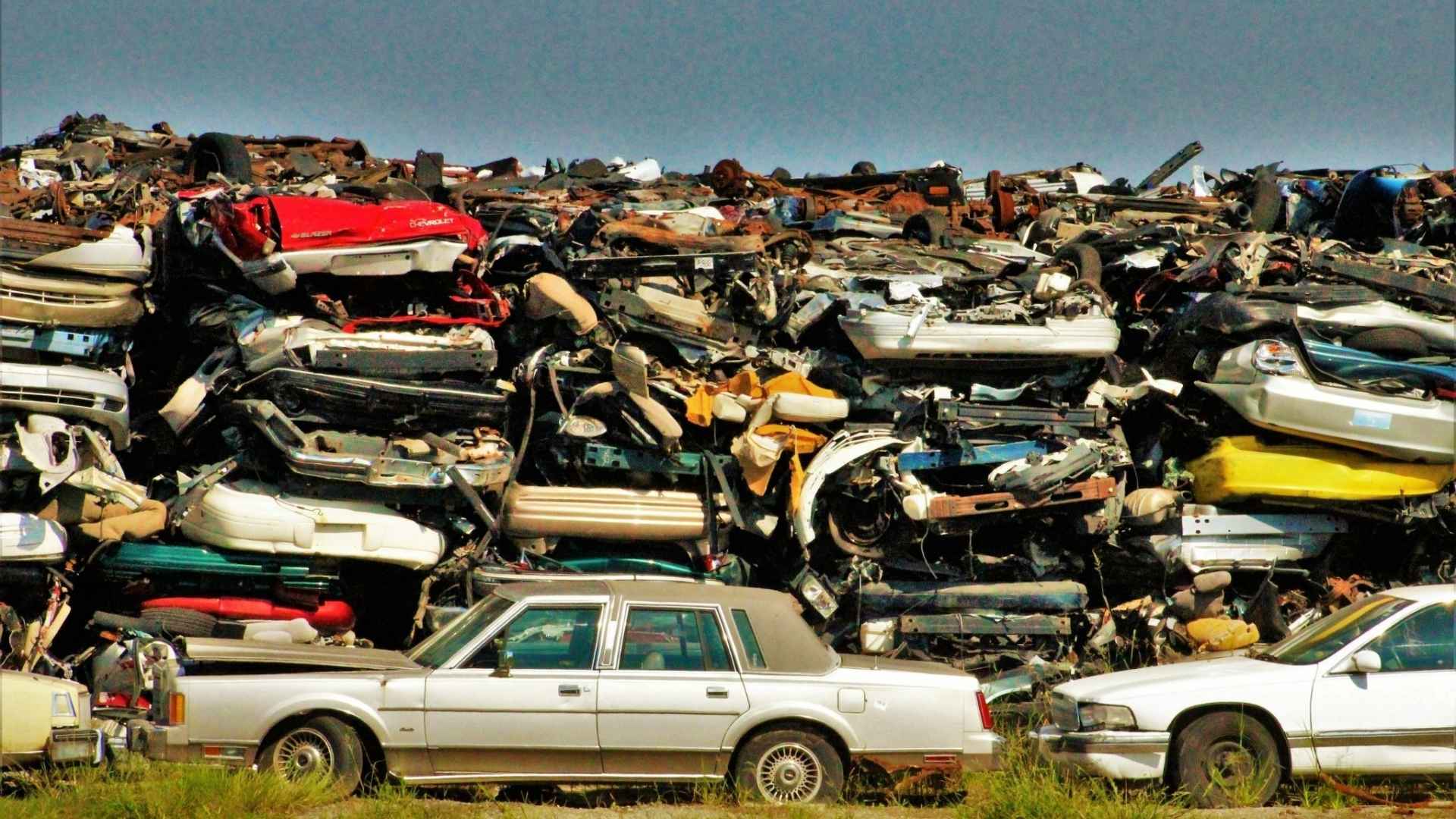

Junking a car in Iowa involves more than handing over the keys. Vehicle owners can generally dispose of an end-of-life car by assigning its title to an eligible purchaser or obtaining a junking certificate through the county treasurer.
The right procedure depends on the vehicle's ownership documents, lien status, and whether it is being sold for continued use, parts, or permanent recycling.
This guide explains Iowa's legal pathways, the documents involved, what to do when a title is missing, and how to protect yourself after the transfer.
A junking certificate generally prevents a vehicle from being titled again. Narrow reinstatement exceptions exist, but you should confirm the consequences before permanently junking a vehicle you might want to restore.
Before You Junk Your Car in Iowa
A damaged vehicle, a salvage-titled vehicle, and a vehicle with a junking certificate do not have the same legal status.
A vehicle can remain transferable even if it has serious damage or no longer runs.
Special rules apply to the vehicle's status and which purchasers may legally acquire it.
Documents permanent junking and generally restricts future titling or registration.
An owner may decide to dispose of a vehicle because of an engine failure, collision damage, significant rust, high mileage, or repair costs that are no longer economical.
However, a buyer's willingness to purchase a damaged car does not mean the buyer is eligible to acquire every salvage-titled or junked vehicle. Identify the ownership document you hold before transferring the car.
If you are considering restoration, ask your county treasurer about the consequences of obtaining a junking certificate first.
Official guidance: Iowa DOT Vehicle Disposal.
How to Junk a Car in Iowa: 6 Steps
These steps apply to a typical owner disposing of an end-of-life vehicle. Special situations may require additional documentation.
Check the Title and Ownership
Locate your title and review the owner names, signatures required, and any recorded lien. If the title is missing or damaged, determine whether a replacement is needed. A bill of sale or registration alone does not automatically authorize a transfer.
Choose an Eligible Buyer or Recycler
Contact a reputable recycler, scrap yard, or other qualified buyer. Confirm that the purchaser can accept the vehicle's title status and ask whether transportation, dismantling, or other services are included.
Select the Correct Transfer Path
Decide whether to assign the existing title to the buyer or obtain a junking certificate before transferring the vehicle. Iowa DOT recognizes both standard pathways.
Confirm the Offer and Pickup Terms
Agree on the amount, payment method, transportation arrangements, and any associated costs. Tell the buyer if the vehicle cannot start, roll, or steer, or if access is restricted.
Complete the Ownership Transfer
Properly assign the title or junking certificate and obtain a written receipt showing that the buyer accepted the vehicle and ownership document. Keep a record of the transaction.
Remove Plates and Keep Your Records
Remove the vehicle's registration plates and certificate. Iowa DOT generally directs owners to return them to the county treasurer unless plates can be lawfully reassigned. Retain the buyer's details, sale date, payment records, and transfer documents.
Which Ownership-Transfer Option Applies?
Assign Your Existing Title
Complete the proper title assignment and deliver the title to the purchaser.
When a purchaser acquires the vehicle for scrap or junk under this route, Iowa law generally requires the purchaser to apply for a junking certificate within 30 days, subject to applicable provisions.
Obtain a Junking Certificate First
Surrender the required title and registration documents to your county treasurer and obtain a junking certificate.
You can then properly assign the certificate to the buyer. This route formally documents the vehicle's junked status before the transfer.
An outstanding lien, an improperly assigned title, or an ineligible purchaser can prevent a valid transaction. Follow the requirements applicable to the vehicle and the buyer.
Source: Iowa DOT — How to Properly Dispose of an End-of-Life Vehicle.
Iowa Junking Certificates Explained
A junking certificate is an official document used when a vehicle is being permanently junked or dismantled.
The certificate authorizes the holder to possess, transport, or transfer ownership of the junked vehicle by proper endorsement. It is not the same as a regular certificate of title or salvage title.
How to Obtain a Junking Certificate
- Remove the registration plates.
- Take the vehicle title and applicable registration documents to the county treasurer.
- Surrender the required documents and plates, unless the plates are being properly reassigned.
- Apply for the junking certificate.
- Keep the issued certificate until it is properly assigned or used for an authorized disposal.
Iowa DOT states that there is no fee for issuing a junking certificate.
Can an Iowa Junking Certificate Be Reversed?
Ordinarily, a vehicle that has received a junking certificate cannot receive another regular title. Iowa provides limited exceptions:
County Treasurer
The person or persons who obtained the first certificate may request reinstatement within the applicable 14-day period by surrendering the certificate and completing the required application and payment steps.
Iowa DOT Review
Reinstatement generally requires Iowa DOT to determine that the certificate was obtained by mistake or inadvertence. Additional narrow procedures may be available for qualifying older vehicles.
If an application is denied, qualifying vehicles at least 25 years old may be eligible for a bonding procedure or further review. Meeting the age requirement does not guarantee reinstatement.
Source: Iowa DOT — Junking Certificate and Reinstatement Rules.
Documents Needed to Junk a Car in Iowa
Prepare the documents that apply to your transfer. Not every vehicle requires the same additional paperwork.
| Document | When It Matters |
|---|---|
| Iowa title | Used for a standard ownership assignment or surrendered to obtain a junking certificate. |
| Junking certificate | Used when the vehicle has already been designated as junked and is being transferred through the certificate. |
| Registration and plates | Relevant to the county treasurer's surrender or reassignment procedures. |
| Bill of sale or receipt | Documents the buyer, vehicle, sale date, and transfer. |
| Lien release | May be required to resolve an existing lender's security interest. |
| Conditional disclosures | Odometer, damage, or other information may be required depending on the transaction and applicable exemptions. |
| Identification | May be requested to verify the seller's identity and authority to transfer the vehicle. |
Do not sign a blank title assignment or release the ownership document without confirming who is receiving the vehicle. Keep a written record of the transfer.
Can You Junk a Car Without a Title in Iowa?
A lost title complicates vehicle disposal, but it does not mean every transaction is impossible. The available procedure depends on the vehicle's age, ownership, lien status, and the type of buyer.
Option 1 — Replace the Title
For many owners, the standard route is to apply for a replacement title through the county treasurer using Iowa DOT Form 411033.
Option 2 — Limited Licensed-Recycler Exception
Iowa Code Section 321.52(2)(b) contains a narrow exception under which a qualifying licensed recycler may acquire certain older vehicles for scrap or junk without the ordinary title or junking certificate.
- The vehicle must be at least 12 model years old.
- The transaction must be with the vehicle's owner.
- The purchaser must be a vehicle recycler licensed under Iowa Code Chapter 321H.
- The consideration must be less than $1,000.
- The recycler must satisfy applicable lienholder-verification requirements.
A 2026 amendment requires the licensed recycler to verify the absence of a lienholder's security interest through the designated state-records system, subject to the statute's specified scrap-metal-dealer exception.
Option 3 — Special Disposal Procedure
Iowa DOT describes separate procedures for certain vehicles with faulty, lost, or destroyed titles that cannot otherwise be transferred to a demolisher. Such procedures may involve police authority, legal review, and notices to owners or lienholders.
This is not blanket permission to sell any vehicle without a title. The buyer and transaction must qualify. ByeCar's acceptance of a specific no-title situation has not been established.
The less-than-$1,000 amount is a statutory condition, not a guaranteed price or estimate of the vehicle's value.
Official sources: Iowa Acts 2026, Chapter 1067 and Iowa DOT Vehicle Disposal.
What If Your Car Has a Lien or Electronic Title?
A lien is a recorded financial interest in the vehicle, typically held by a lender. If an outstanding loan remains, contact the lender to confirm the payoff and lien-release requirements before attempting to transfer the car.
An electronic title does not automatically mean the vehicle has an unpaid loan. Confirm the current title and lien status, and determine whether a paper document or other authorized release is required for the transaction.
Do not assume that a buyer can disregard an active lien simply because a vehicle is damaged or non-running.
Ways to Get Rid of an Unwanted Car in Iowa
The right approach depends on your vehicle's condition, ownership documents, available time, and whether you prefer to sell the complete car or handle individual parts.
Licensed Recycler or Scrap Yard
Often relevant for an end-of-life vehicle. Ask about licensing, ownership documents, missing parts, the offered amount, and transportation charges.
Vehicle Buyer
Provides another way to request an offer for the complete vehicle. Confirm purchase eligibility, payment, pickup arrangements, and required paperwork.
Sell the Vehicle Privately
May appeal to someone seeking a repair project or usable parts, but generally requires more seller involvement and appropriate disclosures.
Sell Individual Components
Some components may have resale value. Consider dismantling time, equipment, storage, safe fluid handling, and disposal of the remaining vehicle.
What About Donating Your Car?
Some charitable organizations accept older or non-running vehicles directly or through donation services. Confirm the receiving organization, transportation arrangements, paperwork, and any tax-documentation requirements.
A donation does not automatically result in a tax deduction. Eligibility depends on applicable IRS requirements and the circumstances of the donation.
What Affects the Value of a Junk Car in Iowa?
Two vehicles of the same age can receive different offers depending on their condition, components, and transportation requirements.
Vehicle specifications affect the buyer's assessment and potential parts demand.
Engine damage, collision damage, flooding, or severe corrosion can influence value.
Engines, transmissions, catalytic converters, wheels, and other missing parts may affect an offer.
A complete vehicle may be more suitable for certain buyers or recycling operations.
Distance and vehicle mobility can influence collection arrangements.
Ownership issues can prevent, delay, or change the requirements of a transaction.
No fixed amount applies to every Iowa junk car. Obtain a vehicle-specific offer and confirm the terms before transferring ownership.
What to Do After Selling or Junking Your Car
Keep the evidence needed to show that the vehicle and its ownership document were transferred.
If the vehicle is towed, retain pickup documentation showing when possession changed.
Official reference: Iowa DOT — How to Sell a Vehicle.
Selling Your Junk Car to ByeCar in Iowa
If you would rather sell the complete vehicle than dismantle it yourself, you can request an offer through ByeCar's Iowa junk-car buying page.
Provide the year, make, model, ZIP code, and vehicle condition. Disclose major damage, missing parts, whether the vehicle runs or rolls, and any title or lien complications.
Before agreeing to sell, confirm the purchase amount, payment method and timing, pickup availability, transportation charges, and required ownership documents.
Request an Offer for Your Car → ByeCar's published disclosure states that payments are typically made by check or wire transfer. "Cash for junk cars" does not necessarily mean physical cash. Seller responsibilities under Iowa law still apply.Frequently Asked Questions About Junking a Car in Iowa
Do I need a junking certificate before selling my car for scrap?
Not necessarily. Iowa DOT recognizes an assigned-title route and a route in which the owner obtains a junking certificate first. When a qualifying purchaser acquires a vehicle for scrap using the assigned-title pathway, that purchaser generally must obtain the junking certificate under applicable rules.
How much does an Iowa junking certificate cost?
Iowa DOT states that the county treasurer issues the certificate without a fee. Title replacement, towing, and other transaction expenses are separate matters.
Can I junk my car in Iowa without a title?
The ordinary starting point is a replacement title through the county treasurer using Form 411033. Iowa also provides a narrow exception for certain older vehicles transferred to qualifying licensed recyclers, subject to specific conditions. Not every vehicle or buyer qualifies.
Can a car be titled again after a junking certificate is issued?
Only under restricted circumstances. The first certificate holder may request reinstatement within 14 days using the applicable procedure. Later reinstatement generally requires Iowa DOT review, and narrow additional options may exist for qualifying older vehicles.
What should I keep after selling my junk car?
Keep a signed receipt or bill of sale, buyer information, proof of title or junking-certificate assignment, payment records, and applicable registration-plate or seller-notification documents.
Before Your Car Leaves
Confirm that the correct ownership document is being transferred, the buyer is eligible to receive the vehicle, and the payment and transportation terms are clear. Remove personal belongings, handle license plates as required, and obtain a written receipt.
For unusual ownership, lien, or certificate questions, refer to Iowa DOT's vehicle disposal guidance or your county treasurer.