

 Over 25,000 cars purchased nationwide

Selling a Junk Car in the Town of Smithtown
If you have an unwanted, damaged, or non-running car in the Town of Smithtown, you can request an evaluation from ByeCar. Start with its make, model, year, and ZIP code, then explain its condition, ownership documents, and location during follow-up. A vehicle with an engine problem may be different to evaluate and collect from one with missing wheels or extensive collision damage.
A quote request does not guarantee a purchase or a particular amount. Before agreeing to sell, review the proposed offer, any required documents, and the collection and payment arrangements for your vehicle.

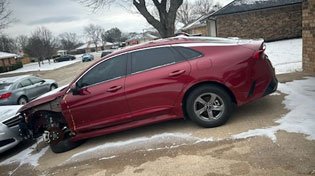
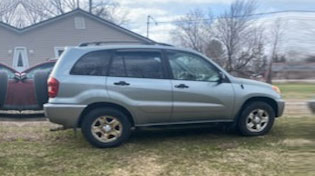
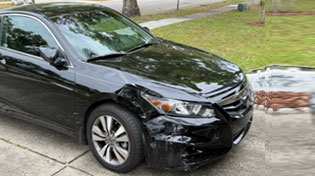
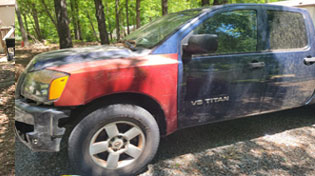
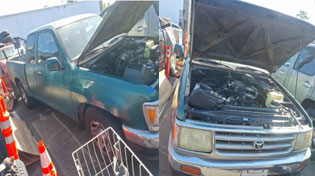

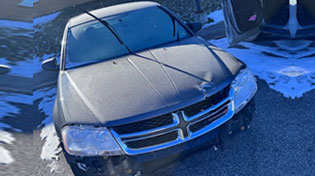
Smithtown Rules for Unregistered Vehicles
Unregistered Vehicles on Residential Property
Under the Town of Smithtown Zoning Code, Section 322-12(I)(10), an owner, tenant, or occupant in a residence district may store no more than one unregistered motor vehicle on a residential lot. Unless the vehicle is enclosed in a building, the code requires it to be covered with a maintained automobile cover and/or screened from adjoining properties and streets as specified. Keeping a car on private property does not, by itself, remove these restrictions.
If you are dealing with a property-maintenance notice, ask the issuing town or village authority about your particular situation. Requesting a junk-car offer does not cancel a notice or extend a compliance deadline.
Parking on Public Streets and Town Property
Smithtown Traffic Code Section TC3-3 prohibits parking unregistered or uninspected vehicles on public streets or Town of Smithtown property. Section TC3-4 separately prohibits repairing, servicing, or raising a vehicle on jacks or blocks on a public street. Do not attempt unsafe repairs or move an unroadworthy car into traffic to prepare it for collection.
The town includes incorporated villages such as Head of the Harbor, Nissequogue, and Village of the Branch. Their local rules and responsibilities may differ from town provisions, so check which government has jurisdiction over the vehicle's actual address. The Town's incorporated-villages directory can help identify the appropriate municipality.
What to Tell ByeCar When Requesting a Smithtown Quote
The current quote form collects the make, model, year, ZIP code, and contact details. For a useful follow-up, have these details ready:
- Running and moving condition: Does the engine start? Can the car roll, steer, and brake?
- Damage and completeness: Describe collision, flood, fire, rust, or mechanical problems, along with missing wheels, keys, or major components.
- Mileage and identification: Have the mileage and vehicle identification number (VIN) available if requested.
- Ownership: Identify the named titleholder, any missing title, active loan or lien, and salvage documentation.
- Location and permission: Explain whether the vehicle is on a driveway, public street, in a garage, at a repair shop, or on managed property. Mention gates and any permission required for release.
Share photographs if requested. The initial form does not capture every detail, so explain these during follow-up.
How a Smithtown Junk Car Evaluation and Sale Work
1. Submit the basic information. Use the existing quote form or a published contact option, entering the ZIP code where the vehicle is actually located.
2. Discuss the condition. Explain mechanical failures, missing components, vehicle movement, ownership status, and any access obstacles. Additional review or an inspection may be needed.
3. Confirm the proposed terms. Ask about the final amount, required documents, collection availability, possible transport charges, and payment method and timing. Do not assume a quote includes free towing or immediate payment.
4. Complete an agreed sale. Follow the applicable New York ownership-transfer requirements, remove your plates and registration sticker, and keep a dated transaction record. Release the vehicle under the terms you have accepted.
Preparing a Vehicle for Collection in Smithtown
Public-Street Parking and Private-Property Access
A vehicle on a town street raises different questions from one in a residential driveway or private garage. If it is unregistered or uninspected, check the Town's street-parking restrictions before arranging collection. A car inside an incorporated village may be subject to other local rules. Confirm access and any required permissions rather than assuming collection equipment can use a street, driveway, or private lot without restrictions.
For a car behind a locked gate, at a repair facility, or in a narrow parking area, explain the approach and who can authorize release. Mention any steep grade, blocked access, soft ground, snow, or ice.
Three Checks Before Arranging Collection
- Movement: Are the wheels present, and can the vehicle roll, steer, and brake?
- Access: Can collection equipment approach safely without blocking traffic or another person's property?
- Authorization: Do you have the necessary ownership documents and permission to release the vehicle from that location?
Remove personal belongings when the transaction is agreed. Confirm who will collect the car, whether transport is included or charged separately, and the agreed timing before handing it over.

Vehicles and Conditions That Can Be Evaluated
ByeCar's published service information includes inquiries about unwanted, damaged, wrecked, salvage, and non-running vehicles. Examples include engine or transmission failures, collision damage, rusted or damaged frames, flood or fire exposure, and vehicles with missing major parts.
These conditions can affect valuation, eligibility, documentation, and loading needs. They do not guarantee that every vehicle will be purchased. Describe its actual condition, and disclose a salvage or rebuilt designation rather than assuming it is treated like a clean title. For broader condition-specific information, see Sell a Damaged Car.
New York Titles, Liens, and Seller Responsibilities
Most Model-Year 1973 and Newer Vehicles
The New York DMV ownership guidance states that most 1973-or-newer passenger vehicles transfer using a properly assigned title or other acceptable proof of ownership. The seller must complete the transfer information and provide a bill of sale. Complete the odometer statement where required and the applicable damage disclosure. Do not sign over a title before the parties are ready to complete the transfer.
Model-Year 1972 and Older Vehicles
For qualifying 1972-or-older vehicles, New York generally uses the original or certified transferable registration rather than a title. The registration must say "transferable," and the named owner signs it over with a bill of sale. This is a lawful ownership-document distinction, not permission to sell someone else's vehicle without proof of ownership.
Missing Titles, Liens, and Salvage Documents
If a required title is lost or damaged, check the DMV duplicate-title application (MV-902). If a loan is outstanding, contact the lienholder before proceeding. For a satisfied lien, DMV says the original lien release may accompany the original title; sellers do not necessarily need to order a separate lien-free title first. Do not assume a quote includes lender payoff.
New York's MV-35 procedure is a narrow alternative for an owner who never titled the vehicle in their name after purchasing it from the titled owner, or who lost a title issued in their name. The vehicle must be at least eight model years old, worth $1,250 or less, and transferred to a DMV-registered vehicle dismantler or itinerant vehicle collector, or a certified scrap processor. Under MV-35, it must be dismantled or scrapped and cannot be titled again. This procedure does not establish ByeCar's eligibility to use it or allow an ordinary no-title sale. If you hold a Salvage Certificate (MV-907A) or a REBUILT SALVAGE title, disclose the exact document and check the DMV salvage guidance.
License Plates, Insurance, and Sale Records
The New York DMV selling guidance says to remove your license plates and windshield registration sticker before completing the sale. Transfer eligible plates to another vehicle or surrender them to DMV. If the plates will be surrendered, do so before cancelling the liability insurance required while the vehicle remains registered, and keep the surrender receipt. Keep a dated bill of sale and any title or lien-release documentation.
Town of Smithtown and Nearby Service Areas
The Town of Smithtown includes communities such as Kings Park, St. James, Nesconset, Commack, Hauppauge, and the Smithtown hamlet, along with incorporated villages. Community names and postal addresses do not always settle municipal jurisdiction, so provide the vehicle's actual address and ZIP code when requesting an evaluation. Service availability and collection terms must be confirmed for the location.
For statewide guidance, visit the New York junk-car service page. Huntington has its own local service page. For other states, use the national service-area directory.
Frequently Asked Questions About Selling a Junk Car in Smithtown
Can I request an evaluation for a car that no longer runs in Smithtown?
Yes. A non-running vehicle can be submitted for evaluation. Explain whether it can roll or steer, what parts are missing, and where it is located. A request does not guarantee purchase or collection.
How many unregistered vehicles can I keep on residential property in Smithtown?
Town Zoning Code Section 322-12(I)(10) generally permits no more than one on a residential lot in a residence district, with covering or screening rules when it is not enclosed in a building. Check the applicable rules for your exact property, particularly inside incorporated villages.
Can an unregistered or uninspected car stay on a Smithtown public street?
Town Traffic Code Section TC3-3 prohibits parking unregistered or uninspected vehicles on public streets or Town property. Ask the responsible authority about your specific circumstances rather than treating a planned sale as a parking exemption.
What New York ownership document do I need to sell my car?
Most 1973-or-newer vehicles require an assigned title or other acceptable ownership proof. A qualifying 1972-or-older vehicle can use a transferable registration and bill of sale. See the New York DMV ownership guide.
What if my title is missing or the car still has a lien?
Use the appropriate DMV duplicate-title process when a title is required, and contact the lender about any active lien. For a satisfied lien, an original release can generally accompany the title. The limited MV-35 disposal procedure is not automatic permission to sell without a title.
What should I do with New York license plates and insurance after selling?
Remove the plates and registration sticker before completing the sale. Surrender plates that will not be transferred to another eligible vehicle, and do so before cancelling required liability insurance. Keep the DMV receipt and sale records.
How are pickup charges and payment arrangements confirmed?
Review the proposed amount, payment method and timing, collection arrangements, and any charges before accepting. ByeCar's published footer says payment is typically by check or wire transfer, but the details must be confirmed for the specific transaction.
Request a Quote for Your Smithtown Vehicle
Start with the make, model, year, and ZIP code where the vehicle is located. Have condition details, ownership records, and access information ready for follow-up. Use the quote form on this page or contact ByeCar with questions before deciding to sell.