

 Over 25,000 cars purchased nationwide

Selling a Junk Car in Buffalo, New York
A car with severe rust, a failed transmission, or repeated mechanical problems can become more expensive to keep than to replace. If you have a junk, damaged, or non-running vehicle in Buffalo, requesting an offer gives you another option to compare with additional repairs.
You may be dealing with a car that failed inspection, a vehicle that has been sitting unused, or repair costs that no longer make sense for its age and condition.
Start by describing the vehicle accurately. Its mechanical condition, ownership documents, missing components, and location can affect whether an offer is available and what arrangements may be necessary.
You do not have to repair a vehicle simply to submit it for evaluation.
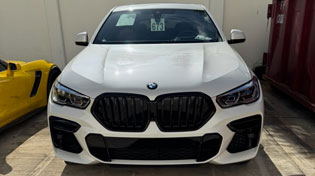
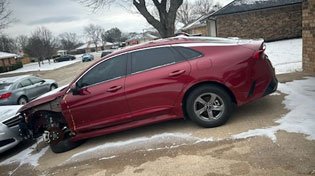
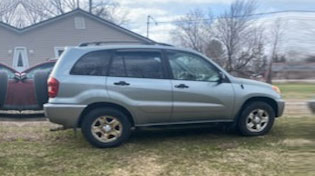
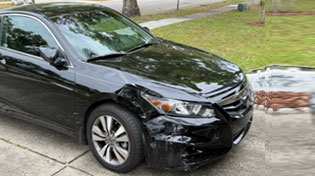

How the Junk-Car Offer Process Works
The process starts with your vehicle information and continues with an evaluation, review of the terms, and any arrangements needed to complete the sale.
Step 1: Share Your Vehicle Details
Enter the year, make, model, ZIP code, and contact information using the form on this page.
Be ready to provide mileage, known damage, whether the vehicle starts or drives, its title status, and its exact location. Photos or a repair estimate can be helpful when additional information is requested.
Step 2: Review the Evaluation
ByeCar reviews the vehicle information to determine whether an offer is available. Additional details or an inspection may be needed.
If you receive an offer, review the amount and any conditions before deciding whether to accept.
Step 3: Confirm Documents and Collection
Before moving forward, confirm the ownership documents required, where the vehicle is located, whether it can be moved, and what collection arrangements are available.
Review any transportation charges and the proposed payment method and timing.
Step 4: Complete the Agreed Sale
Once the necessary documents and transaction arrangements are confirmed, complete the applicable ownership-transfer paperwork and coordinate the vehicle's release.
For more general information, see ByeCar's selling process. Confirm the specific terms that apply to your vehicle rather than assuming every transaction follows the same schedule.
What Junk and Damaged Vehicles Can Be Evaluated?
A vehicle does not need to be in good driving condition to be submitted for review.
Examples include:
- Cars with failed engines, transmissions, or major electrical problems.
- Non-running vehicles that have been sitting unused.
- Cars with serious rust, damaged suspension components, or structural deterioration.
- Collision-damaged vehicles and cars with significant body damage.
- Vehicles with flood, fire, or other substantial damage.
- Incomplete cars with missing or damaged components.
If your vehicle has a New York Salvage Certificate (MV-907A), a rebuilt-salvage title, or another branded ownership document, disclose that information during the evaluation. Salvage-document requirements can differ from ordinary title transfers, and MV-35 is not a general replacement for those documents. See the New York DMV salvage vehicle guidance for more information.
Describe the problems you know about, including missing wheels, keys, engines, transmissions, or catalytic converters.
An accurate condition description helps determine whether an offer and suitable collection arrangements are possible. Not every vehicle is guaranteed to qualify for purchase.
For collision, flood, structural, and other physical damage, see ByeCar's damaged-car selling information.
Should You Repair or Sell a Car That Failed Inspection in Buffalo?
New York requires vehicles registered in the state to undergo a safety inspection at least every 12 months. Most are also subject to an emissions inspection.
The New York DMV safety and emissions inspection program explains the applicable requirements, including inspections of brakes, steering, suspension, and vehicle structure.
For Buffalo drivers, corrosion can be an important consideration when evaluating an older vehicle. Road-salt exposure and winter driving conditions can contribute to rust, and the DMV identifies severe corrosion at suspension attachment points as a safety-inspection concern.
Compare the Cost of Repairs With Your Other Options
Before authorizing major work, consider:
- The written estimate for the repairs needed to pass inspection.
- Whether the vehicle has additional mechanical or structural problems.
- Its mileage, age, overall condition, and expected remaining usefulness.
- Whether selling it in its current condition is a more practical alternative.
A failed inspection does not automatically prevent you from requesting an offer.
However, the inspection requirements for operating a registered vehicle on public roads remain separate from the legal requirements for transferring ownership. A vehicle that is unsafe or not properly registered should not be driven to complete a sale.

New York Ownership Documents for Selling a Junk Car
New York has specific requirements for proving vehicle ownership. The documents you need depend on the model year, ownership history, and transaction.
Which Vehicles Need a Title?
According to the New York DMV's acceptable proof-of-ownership guidance:
- Model year 1973 or newer: The normal proof of ownership is the original New York certificate of title or another acceptable ownership document.
- Model year 1972 or older: A qualifying New York transferable registration can serve as proof of ownership when properly transferred with a bill of sale.
For an ordinary private sale, New York DMV provides Vehicle Bill of Sale form MV-912. The bill of sale records the vehicle, buyer, seller, sale date, and purchase price.
A bill of sale alone does not ordinarily replace the required ownership document.
What if the Title Is Lost or a Lien Is Listed?
If your vehicle requires a title but the certificate is missing, review the New York DMV's replacement title procedure. Available methods depend on the owner's eligibility and circumstances.
If a lien remains listed on the title but the debt has been satisfied, the seller can generally provide the original title and original proof of lien satisfaction to the buyer. New York DMV explains this process in its lienholder guidance.
An active or unresolved lien must be addressed before proceeding with a transfer that requires lien clearance.
For qualifying vehicles from model year 2011 onward within the applicable 20-model-year period, the seller must complete the required odometer disclosure. Damage disclosure on New York title certificates applies regardless of the vehicle's age.
If you have an unusual ownership history, an estate vehicle, or a certificate that has not been transferred into your name, verify the appropriate DMV procedure before releasing the vehicle.
Can a Junk Car Be Transferred Without a Title Using MV-35?
New York DMV Form MV-35 provides a limited ownership-transfer procedure for certain vehicles that will be dismantled or scrapped.
The vehicle must be at least eight model years old and worth $1,250 or less. The receiving business must also certify that it paid $1,250 or less.
The owner must certify that either the vehicle was purchased from the titled owner but never titled in the current owner's name, or a title was issued in the current owner's name but was lost or stolen.
The transfer may be made only to a qualifying registered vehicle dismantler, itinerant vehicle collector, or certified scrap processor. It cannot be used for an ordinary private-party transfer or to make an unlicensed towing company the buyer.
Additional identification, recipient-certification, and DMV filing requirements apply. A vehicle transferred using MV-35 must be dismantled or scrapped and cannot be titled again.
These rules do not establish that ByeCar or a particular collection partner can accept your vehicle under MV-35. The purchasing entity and transaction must qualify before this procedure can be used.
The $1,250 limit is a condition of the DMV procedure, not an expected offer or guaranteed payment amount.
What Happens to Your New York Plates and Insurance After the Sale?
New York sellers should remove their license plates and windshield registration sticker before releasing a sold vehicle.
According to the New York DMV's insurance-lapse guidance, the seller should surrender the plates or transfer them to another eligible vehicle.
If surrendering the plates, do so before canceling the vehicle's liability insurance. Canceling insurance while an active New York registration remains in place can lead to registration or driver-license penalties.
The DMV explains how to surrender plates and registration.
Keep the signed sale documents and appropriate plate-surrender or transfer records. These steps remain the seller's responsibility unless a specific arrangement lawfully addresses them.
Preparing a Non-Running Car for Collection in Buffalo
A vehicle that cannot move under its own power may require additional collection planning.
For example, a car in a driveway can present different access conditions from one inside a parking garage, behind another vehicle, or at a repair shop or tow yard.
Provide the exact address and describe whether the car starts, rolls, steers, has working wheels, and has keys available.
If the vehicle is at a repair facility or storage lot, confirm who can authorize its release and whether outstanding storage or access charges apply.
Winter Parking Restrictions and Street Access
Buffalo has seasonal overnight parking restrictions on designated bus routes. These rules can affect where a vehicle may remain parked and when collection access is practical.
Before arranging collection from a public street, review the City of Buffalo's parking FAQs and current posted restrictions. Do not assume every Buffalo street follows the same parking rules.
Snow accumulation, vehicles blocking access, narrow entrances, or a car that cannot roll or steer may require different collection arrangements. Describe these conditions when submitting your vehicle information.
If the vehicle has been impounded by the City of Buffalo, confirm the required release authorization and outstanding charges with the appropriate city office. A potential purchase offer does not automatically release an impounded vehicle.
If the car is held at a private repair shop or tow yard, obtain permission for its release and resolve any applicable storage or access requirements before collection.
Three Things to Check Before Releasing Your Car
1. Ownership documents: Have the applicable title or transferable registration, bill of sale, identification, and lien documentation ready.
2. Vehicle access: Explain whether the car moves, whether its wheels and keys are available, and whether a gate, garage, snow, or another vehicle restricts access.
3. Transaction terms: Confirm the offer, collection arrangements, potential transportation charges, and payment details before signing documents or handing over the vehicle.
What Affects a Junk-Car Offer in Buffalo?
An offer may depend on several factors, including the vehicle's year, make, model, mileage, mechanical condition, structural damage, missing components, and location.
Ownership documentation and collection requirements can also affect whether a sale is possible.
For example, a complete vehicle that rolls and steers may require different arrangements from a similar vehicle with missing wheels or substantial underbody damage.
Provide accurate details rather than assuming that every junk car of the same model has the same value.
Payment and Transportation Expectations
ByeCar's published payment disclosure states that payments are typically made by check or wire transfer. The phrase "cash for junk cars" does not necessarily mean physical cash.
Before accepting an offer, confirm the payment method and timing, whether transportation is included, and whether any charges or special collection requirements apply.
More Information for New York Vehicle Sellers
For statewide junk-car selling information, visit Cash for Junk Cars in New York.
If your vehicle has a major mechanical failure, see Sell a Broken Car in New York.
For general service questions, you can also review ByeCar's FAQs. Confirm the arrangements that apply specifically to your vehicle.
Request an Offer for Your Junk Car in Buffalo
If you are considering selling a junk, damaged, or non-running car in Buffalo, start with its year, make, model, ZIP code, and your contact information.
Be ready to describe its current condition, ownership documents, and collection location.
Submit your information through the form on this page, then review any available offer and transaction terms before deciding how to proceed.
Frequently Asked Questions About Selling a Junk Car in Buffalo, NY
Can I request an offer for a car that does not run?
Yes. You can submit a non-running car for evaluation. Explain why it does not run, if known, and whether it rolls, steers, and has working wheels and keys. These details help determine whether an offer and collection arrangements are possible.
Do I need to repair a car that failed New York inspection before requesting an offer?
No. You can request an evaluation without completing the repairs. However, New York's safety and emissions requirements still apply when operating a registered vehicle on public roads. A failed inspection does not automatically establish eligibility for purchase.
Can I sell my junk car in Buffalo without a title?
It depends on the vehicle's model year, ownership documents, and type of transfer. New York generally requires titles or other acceptable ownership evidence for model-year 1973 and newer vehicles. Qualifying vehicles from 1972 or earlier may use a properly transferred registration and bill of sale.
MV-35 allows certain older, low-value vehicles to be transferred for scrapping under strict conditions, including recipient qualifications. It is not a general no-title option, and submitting a vehicle for evaluation does not guarantee acceptance without a title.
What should I do with my New York plates and insurance?
Remove your plates and windshield registration sticker before releasing the vehicle. Surrender the plates to DMV or transfer them appropriately. If surrendering them, do so before canceling liability insurance to avoid a possible insurance lapse.
Can a junk car be collected from a Buffalo street, garage, or repair shop?
Collection depends on the exact location, permission, access, vehicle condition, and available arrangements. Tell ByeCar whether the car is on a public street, in a garage, at a repair shop, or in a tow yard.
If it is on a Buffalo bus route, check the current parking restrictions. If it has been impounded, any required city release authorization and charges must be addressed before collection. Pickup availability must be confirmed.
Is towing included, and when will I receive payment?
Transportation and payment arrangements must be confirmed for your specific offer. Ask whether collection is included, whether any charges apply, and when payment will be issued. ByeCar's published disclosure identifies check or wire transfer as typical payment methods, but the terms of the individual transaction should be confirmed.