

 Over 25,000 cars purchased nationwide

A broken engine, transmission failure, or no-start condition can make a Vermont vehicle expensive to repair without making it impossible to sell. To request an offer, start with the make, model, year, ZIP code, and contact details. Be ready to share the mileage, symptoms, location, mobility, and ownership document.
What Can Affect the Value of a Broken Car in Vermont?
The failed component is only part of an as-is evaluation. Age, mileage, overall condition, usable components, ownership status, and pickup accessibility can also matter. A diagnosis or repair estimate is useful when available; otherwise, describe the symptoms you actually know.

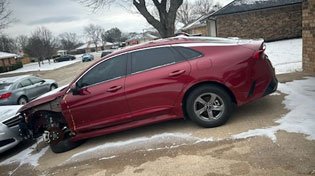
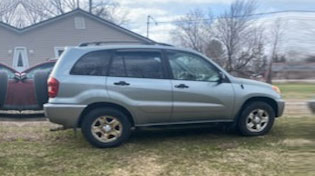
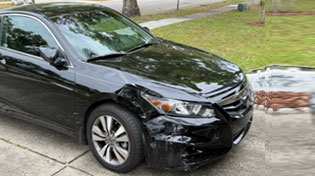
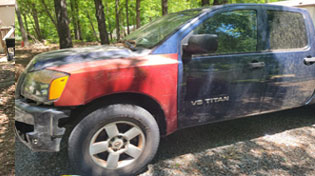
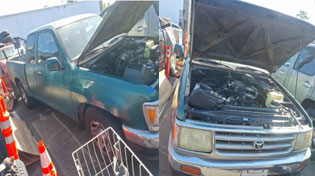

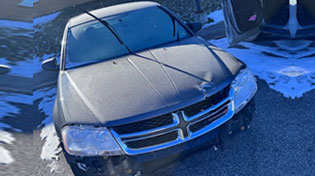
Broken, Non-Running, and Mechanically Damaged Cars
Explain engine or transmission failure, starting issues, overheating, electrical faults, warning lights, missing components, or other unresolved repairs accurately. If collision or body damage is the primary issue, use the broader damaged-car selling guide.
If a repair estimate makes you reconsider the car, compare more than the repair price. Look at the likely condition and value afterward, other known problems, transportation or storage needs, and an actual as-is offer. Have the VIN, mileage, keys, ownership document, lien status, and exact location ready.

What Documents Do I Need to Sell a Broken Car in Vermont?
Vermont's ownership rules depend partly on vehicle age and title history. For a 2009-or-older vehicle with a Vermont registration in the seller's name, the registration certificate is the ownership document and can be given to the buyer with a signed bill of sale instead of obtaining a title solely for the sale. Vermont DMV recommends obtaining a title if the buyer plans to register the vehicle outside Vermont. See the Vermont DMV title guide.
When a required Vermont title is lost, stolen, destroyed, or illegible, request a replacement with VT-004. If liens appeared on the previous title, appropriate lien-release documentation is required. If a lien is still active, the lienholder must agree to the transfer and provide the Vermont title. See the replacement-title guidance and title-lien guidance.
Vermont's VT-005 combines the bill of sale and odometer disclosure. Model-year 2011 and newer vehicles are subject to odometer disclosure for their first 20 years. Title brands are separate from mechanical condition: Vermont distinguishes Salvage, Rebuilt, Dismantled (Parts Only), and Junk status. Parts Only vehicles cannot legally be driven, while Junk-branded vehicles cannot be titled or registered again. Salvaged, rebuilt, or totaled status must be disclosed orally and in writing before sale. See the title-brand definitions and salvage and rebuilt guidance.
Pickup for a Broken Car in Vermont
Before pickup, explain whether the vehicle rolls, steers, and brakes and whether a garage, gate, repair facility, storage area, or other restriction affects access. Confirm towing terms, timing, and payment delivery before releasing the vehicle.
Vermont Service Information
Provide the exact Vermont vehicle location and any access limitations when requesting an offer so the pickup terms for that location can be confirmed.
Vehicle condition: Describe what the car does now and provide any diagnosis you already have.
Ownership check: Confirm whether you have a Vermont title or, for a qualifying older vehicle, the Vermont registration certificate.
Transfer preparation: Identify any lien and remove your Vermont plates before the vehicle leaves. Vermont DMV says plates should not remain on a sold vehicle. See the license-plate guidance.
If the vehicle is being handled primarily as an end-of-life or junk vehicle, see the existing Vermont junk-car service page.
Ready to Request an Offer for Your Broken Car?
Requesting an offer lets you evaluate the car in its current condition before committing more money to it. Provide the mechanical, ownership, and location details, review the proposed terms, and decide whether repairing or selling is the better fit.
Frequently Asked Questions About Selling a Broken Car in Vermont
Can I sell a 2009-or-older Vermont vehicle without a title?
If the vehicle has a Vermont registration in your name, Vermont DMV says the registration certificate can serve as the ownership document. Give the buyer the registration certificate and a signed bill of sale.
What if the Vermont title I need is lost?
Use VT-004 to request a replacement title. If liens appeared on the previous title, appropriate lien-release documentation is required. If a lien remains active, only the lienholder may apply for the replacement.
What if my broken car still has a lien?
Contact the lienholder before the transfer. Vermont says the lienholder must agree to the transfer and provide the Vermont title while the lien remains active.
Do I need an odometer disclosure?
Vermont uses VT-005 for the Bill of Sale and Odometer Disclosure Statement. Model-year 2011 and newer vehicles remain subject to odometer disclosure for their first 20 years.
What if the buyer plans to register the car outside Vermont?
For a qualifying 2009-or-older vehicle transferred using a Vermont registration certificate, Vermont DMV recommends obtaining a title if the buyer plans to register it in another state.
What do Salvage, Rebuilt, Parts Only, and Junk mean?
They are different Vermont title brands. Rebuilt indicates a previously salvage vehicle that completed the applicable rebuilt process. Parts Only vehicles cannot legally be driven, while Junk-branded vehicles cannot be titled or registered again.
Should I remove my Vermont plates after the sale?
Yes. Vermont DMV says not to leave your plates on a sold vehicle. Unused plates do not have to be returned to DMV.

