

 Over 25,000 cars purchased nationwide
If a major engine, transmission, or other mechanical failure has made a North Carolina car impractical to repair, you can request a quote in its current condition. Start with the year, make, model, and ZIP code. Be ready with the mileage, known problem, whether the car starts or drives, and any title or lien issue.
What Can Affect the Value of a Broken Car in North Carolina?
An offer can depend on year, make, model, mileage, overall condition, failure severity, missing parts, location, and ownership status. A car that will not start is not automatically a salvage or junk vehicle under North Carolina rules, so describe its mechanical condition and ownership document.
The purchase examples below are nationwide examples published by ByeCar. They are not North Carolina-specific transactions or estimates of what your vehicle will be worth.
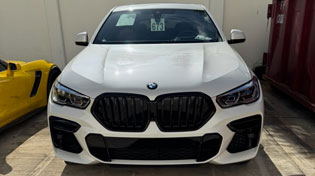
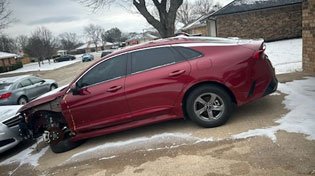
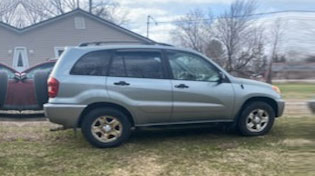
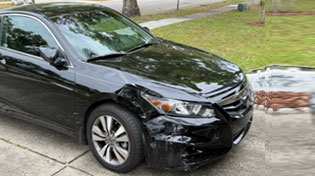
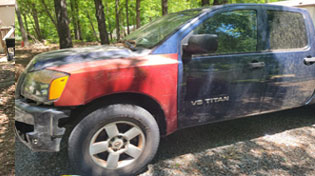
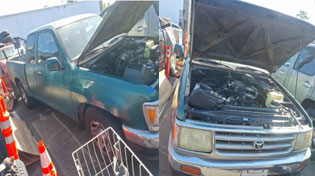

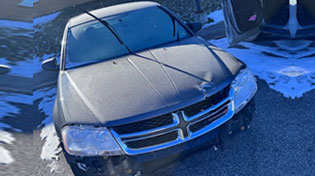
Broken and Non-Running Cars You Can Submit for a Quote
You can request a quote for a car that will not start, runs intermittently, or has serious engine, transmission, mechanical, or electrical problems. See ByeCar's guides for non-running cars, blown engines, broken transmissions, or the broader damaged-car service when physical or collision damage is also involved.
Before requesting an offer, gather the VIN if available, mileage, keys, and any repair estimate or diagnosis. When deciding whether to repair or sell, compare repair cost with likely post-repair value and current as-is value.

What Documents Do I Need to Sell a Broken Car in North Carolina?
For a typical North Carolina transfer, both parties complete the title assignment. If the original title is a North Carolina title, the assignment must be notarized. The seller provides the sale or delivery date, signature and printed name, and completes the odometer disclosure when required and the damage-disclosure statement. Review the current NCDMV vehicle-title requirements before handoff.
North Carolina's damage-disclosure form covers known qualifying collision damage and salvage, flood, recovered-theft, or reconstructed history, with some questions limited by model year. Odometer disclosure is required unless an exemption on the current MVR-180 applies.
If the title is lost or was never received, the registered owner can request a duplicate through NCDMV. The application must be notarized, and duplicate-title requests must age 15 days before processing. If a lien appears on the title, disclose it and obtain the required lien release before transfer.
A bill of sale is not a general title substitute. North Carolina's indemnity-bond process can resolve some ownership problems, but it requires specific paperwork, a State Highway Patrol inspection, an appraisal, a bond, and other conditions.
North Carolina also distinguishes broken vehicles from salvage and junk status. NCDMV defines salvage by repair costs exceeding 75 percent of fair market value, while a junk vehicle is incapable of highway use and has no resale value except as parts or scrap. Disclose the actual title brand. See the state's vehicle title special-case guidance for these classifications.
How Pickup Works for a Broken Car in North Carolina
After an offer is accepted, ByeCar's published process includes free pickup. For a non-running vehicle, explain whether it rolls, steers, and brakes and whether access is restricted. Confirm timing and arrangements when scheduling.
North Carolina Service-Area Information
Provide the exact ZIP code and any access details so pickup availability and arrangements can be confirmed.
Describe the failure clearly. Explain what happens when you try to start or drive the vehicle.
Prepare the ownership documents. Check whose name is on the title and whether a lien or branded title applies.
Plan for access. Remove personal belongings and disclose access restrictions before scheduling pickup.
For end-of-life or junk-car selling information, see ByeCar's separate North Carolina junk-car page and city directory.
Ready to Request an Offer for Your Broken Car in North Carolina?
Share the vehicle and location details, then provide condition and ownership information as requested. Review the offer without obligation. If you accept it, confirm payment, seller paperwork, and pickup arrangements. Payments are typically made by check or wire transfer; confirm the method before handoff.
Frequently Asked Questions About Selling a Broken Car in North Carolina
Can I request a quote if my car does not run in North Carolina?
Yes. Explain whether it starts, rolls, steers, and brakes and share any diagnosis or repair estimate you have.
What details should I have ready before requesting a quote?
Have the year, make, model, ZIP code, mileage, VIN if available, known problems, keys, and title or lien status ready.
Does a North Carolina vehicle title need to be notarized?
Yes, if the original title is a North Carolina title. NCDMV requires its assignment to be notarized during transfer.
What if my North Carolina title is lost?
The registered owner can apply for a notarized duplicate title. NCDMV says duplicate requests must age 15 days before processing.
What if there is still a lien on the title?
Disclose the lien and contact the lienholder. NCDMV requires a lien release when liens are shown on the title for an individual transfer.
Is a broken car automatically considered salvage or junk in North Carolina?
No. Mechanical failure alone does not establish either status. North Carolina applies specific definitions to salvage and junk vehicles.
What if the car is difficult to access for pickup?
Explain where it is stored and any gate, garage, repair-shop, authorization, or release requirements before scheduling.